There’s a lot of buzz surrounding metabolism-boosting foods and their potential to enhance weight loss. You may have encountered claims that certain items can significantly speed up your metabolic rate, but the reality is more complex. In this post, you’ll discover the science behind these foods, what truly impacts your metabolism, and whether incorporating them into your diet can actually make a difference in your weight management journey. Key Takeaways: Many foods marketed as “metabolism-boosting” have minimal impact on overall metabolic rate and weight loss. Factors like genetics, muscle mass, and physical activity play a more significant role in metabolism…

It’s important to understand how your body responds to carbohydrate refeeds, particularly regarding muscle glycogen replenishment. As you consume carbohydrates, your muscles store glycogen, which inherently increases water retention. This process can lead to a temporary weight increase; however, it’s a natural response reflecting your body’s efforts to restore energy levels rather than actual fat gain. Recognizing this can help you better manage your expectations and approach to diet and fitness. Key Takeaways: Muscle glycogen replenishment involves storing water along with carbohydrates, leading to temporary weight gain. Each gram of glycogen is stored with approximately 3-4 grams of water, contributing…
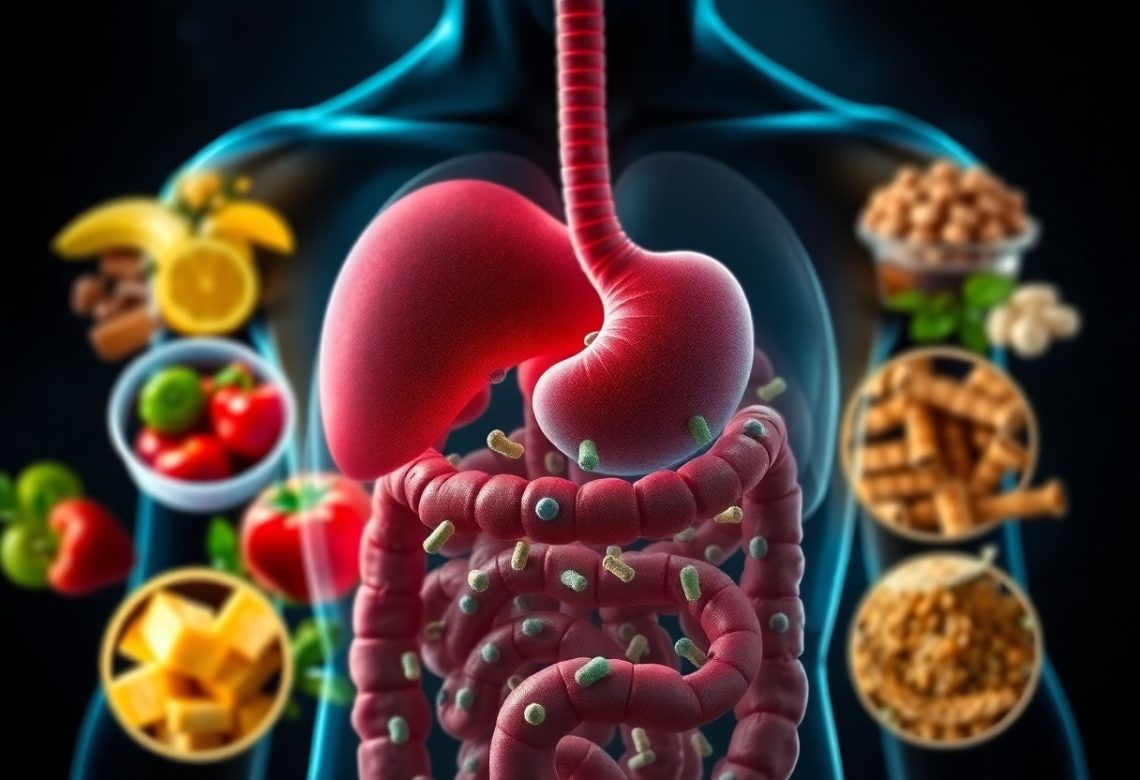
There’s a growing body of evidence linking gut bacteria imbalance to challenges in achieving and maintaining a healthy weight. You may not realize that your digestive system houses trillions of microorganisms that significantly influence your metabolism, appetite, and fat storage. When these beneficial bacteria are out of balance, they can hinder your weight loss efforts, leading to frustration and unwanted pounds. Understanding this connection can empower you to make dietary and lifestyle changes that support a healthier gut microbiome, ultimately aiding your weight management journey. Key Takeaways: Gut bacteria imbalance can influence metabolism and fat storage, impacting weight loss efforts.…
Body recomposition involves strategically losing fat while gaining muscle without a caloric deficit. By maintaining your caloric intake at maintenance levels, you can create the optimal environment for muscle growth while simultaneously shedding unwanted body fat. Understanding how to effectively balance your nutrition and training can lead you to achieve an impressive physique transformation, all while fueling your body adequately. This post will explore the science behind body recomposition and how you can successfully navigate this process for lasting results. Key Takeaways: Body recomposition involves losing fat and gaining muscle simultaneously, achieved at maintenance calorie levels. Maintaining a balanced diet…
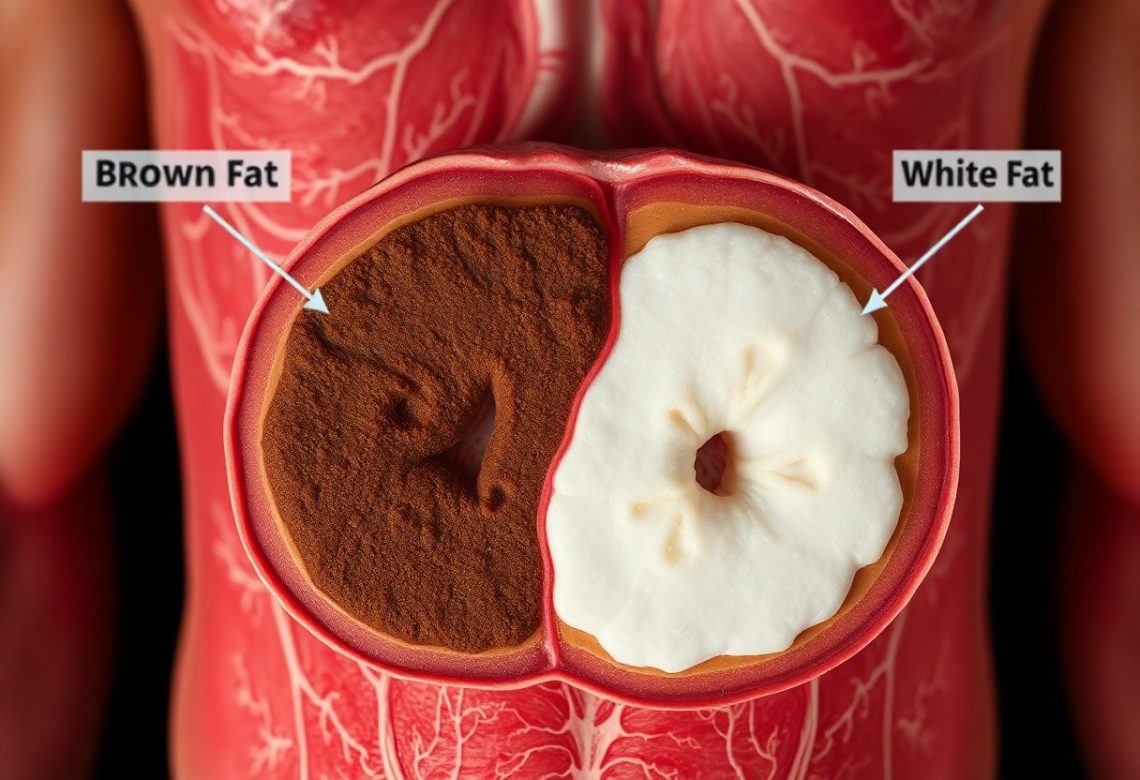
Over the years, research has illuminated the distinct roles of brown fat and white fat in your body’s metabolism and thermogenesis. Understanding these differences is vital in shaping your approach to health and weight management. While white fat primarily stores energy, brown fat plays an active role in burning calories and generating heat. By delving into the mechanisms of each fat type, you can better appreciate how they influence your metabolic health and overall well-being. Key Takeaways: Brown fat is primarily responsible for non-shivering thermogenesis, helping to generate heat by burning calories. White fat primarily serves as an energy reservoir,…
With an increasing focus on health and fitness, understanding the types of fat in your body is important. Visceral fat, stored around your organs, poses significant health risks, while subcutaneous fat, found beneath your skin, is generally less harmful. Knowing the distinctions between these two fat types can help you make informed decisions about your diet and lifestyle, ultimately guiding you towards better health outcomes. In this post, we will explore their differences and the implications they hold for your well-being. Key Takeaways: Visceral fat is located around internal organs, while subcutaneous fat is found beneath the skin. Visceral fat…
Most individuals wonder why their weight loss experiences differ, particularly when following low carb or low fat diets. Understanding the scientific mechanisms behind these dietary approaches can shed light on how they affect your body and metabolism. By exploring factors such as insulin response, appetite regulation, and energy expenditure, you can make informed choices that align with your unique physiological responses, optimizing your weight loss journey. Key Takeaways: Individual metabolic responses and genetic factors can influence weight loss efficiency on low carb or low fat diets. Low carb diets may lead to quicker initial weight loss due to reduced water…
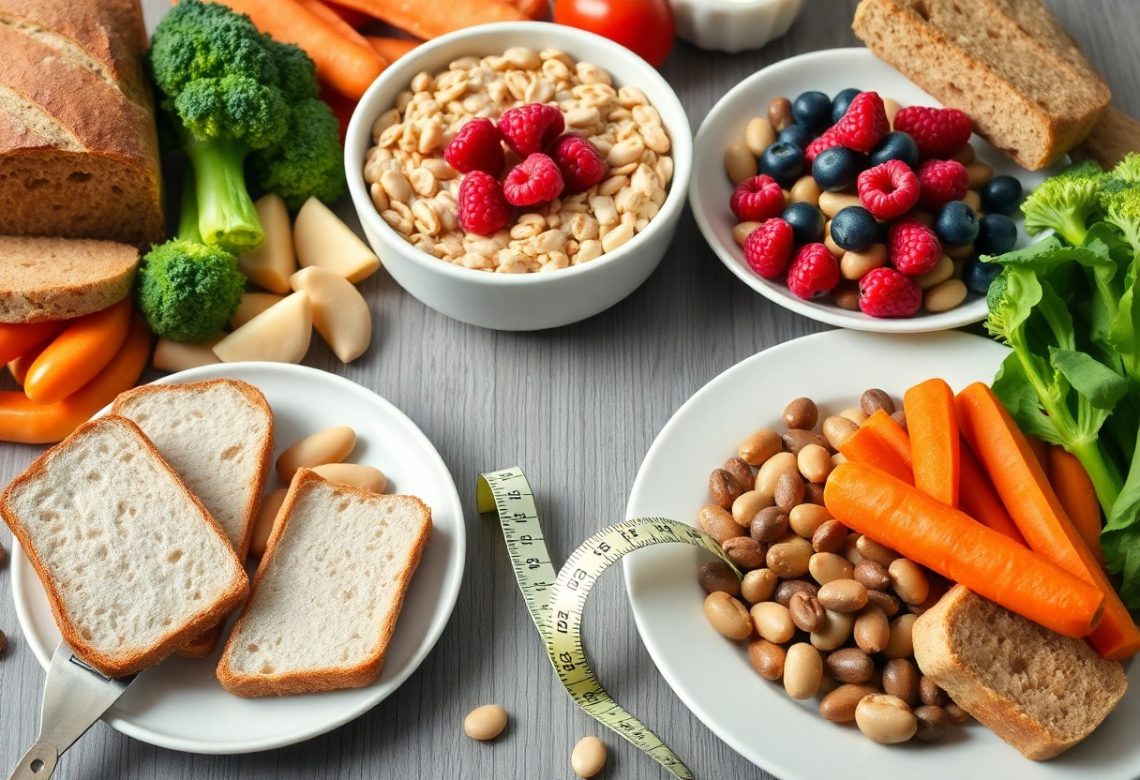
Over time, you may have noticed that high fiber foods keep you feeling satisfied longer than their processed carbohydrate counterparts. This difference can be attributed to the way fiber interacts with your digestive system, slowing down digestion and promoting a gradual release of energy. Understanding the science behind these effects can empower you to make better dietary choices, enhancing your satiety and overall health. This post will explore the mechanisms that explain why fiber-rich foods are a smarter choice for lasting fullness. Key Takeaways: High fiber foods promote satiety by slowing digestion and creating a feeling of fullness. Processed carbs…
Over the first week of a weight loss journey, you may notice significant reductions on the scale, but it’s important to understand that this initial rapid weight loss primarily stems from water and glycogen depletion rather than actual fat loss. As you decrease your caloric intake or increase physical activity, your body taps into its glycogen stores for energy, leading to water loss as glycogen is stored with water. This post will investigate into the science behind these changes, so you can better understand your weight loss progress. Key Takeaways: Initial rapid weight loss primarily results from water loss and…
Just when you think you’ve tried everything to shed that stubborn weight around your midsection, consider the role of vitamin D deficiency in your journey. Emerging research indicates that low levels of this crucial nutrient may be linked to increased fat storage, particularly in your abdominal area. By understanding how vitamin D impacts your metabolism and overall health, you can make informed decisions to support your weight loss efforts and improve your well-being. Key Takeaways: Vitamin D deficiency may be linked to increased fat accumulation around the midsection. Low vitamin D levels can affect metabolism and fat storage, potentially leading…