There’s a growing recognition that each person’s nutritional needs are unique, influenced by factors like age, gender, lifestyle, and health conditions. Understanding the basics of nutrition personalization can empower you to make choices that align with your specific health goals. By tailoring your diet to fit your individual requirements, you can enhance your overall well-being and support optimal health. This guide will explore imperative principles of personalized nutrition, helping you to identify what works best for you.
Key Takeaways:
- Nutritional needs vary from person to person based on factors like age, gender, and activity level.
- Personalized nutrition can improve overall health and help manage specific health conditions.
- Consulting with a healthcare professional or nutritionist is imperative for creating an effective personalized diet plan.
What is Nutrition Personalization?
Nutrition personalization tailors dietary recommendations to fit your unique needs, preferences, and lifestyle. By analyzing various factors like age, gender, health conditions, and activity levels, you can create a nutrition plan designed specifically for you. This approach promotes optimal health by recognizing that a one-size-fits-all diet may not yield the best results for every individual.
Understanding Individual Differences
You have unique biological and lifestyle factors that influence how your body processes food. These include age, sex, weight, cultural background, and health history. Each of these factors affects your nutritional needs and responses, making it imperative to consider your personal circumstances when choosing a diet plan.
The Role of Genetics in Nutrition
Your genetics significantly shape how your body reacts to different nutrients. Genetic variations can influence metabolism, nutrient absorption, and even your taste preferences. Understanding these genetic components helps in formulating a nutrition plan that optimally supports your health.
Genetic factors can determine how efficiently your body metabolizes carbohydrates, fats, and proteins. For instance, some individuals may have a genetic predisposition to store fat more readily, while others efficiently burn calories. Additionally, genetic variations influence how you respond to specific diets, such as low-carb or high-protein. Research shows that people with certain gene variants may experience different levels of success with weight loss or health improvements based on their diet. By integrating genetic insights into your nutrition plan, you can make more informed choices that align with your biological needs.
The Importance of Personalized Nutrition
Understanding your unique nutritional needs sets the foundation for better health. Personalized nutrition recognizes that no single diet fits everyone. By analyzing factors like genetics, lifestyle, and health status, you can tailor your meals for optimal results. Explore more about Nutrigenomics and personalized diets – Tailoring nutrition … to enhance your dietary choices.
[related_posts_banner]Benefits for General Health
Personalized nutrition enhances your overall well-being by optimizing nutrient intake that aligns with your body’s needs. For example, diets customized to your metabolic rate can improve energy levels and stabilize weight. This approach can also boost your immune system functionality and reduce the risk of chronic diseases, ultimately contributing to a longer, healthier life.
Impact on Specific Health Conditions
Customizing your diet can significantly relieve specific health issues. Research shows that tailored nutrition can help manage conditions like diabetes, hypertension, and digestive disorders. By focusing on macronutrient ratios and specific vitamins, you can achieve better blood sugar control, lower blood pressure, and improved gut health.
For instance, individuals with type 2 diabetes may benefit from a nutrition plan rich in fiber and low in carbohydrates, helping to manage blood glucose levels effectively. In contrast, someone with high blood pressure may require a sodium-restricted diet, emphasizing potassium-rich foods. Personalized nutrition considers these variations, enabling you to target your health goals more effectively.
Components of Personalized Nutrition
Personalized nutrition involves understanding several components that play a vital role in your dietary choices. These components include your dietary preferences, nutritional needs, lifestyle factors, health status, and any specific goals you aim to achieve. By targeting these elements, you can create a nutrition plan that helps you thrive physically and mentally, ensuring that what you eat aligns with your unique requirements and aspirations.
Dietary Preferences and Restrictions
Your dietary preferences and restrictions significantly shape your personalized nutrition plan. Whether you follow a vegetarian, vegan, gluten-free, or another specific diet, your food choices should align with your lifestyle and values. Understanding these preferences helps you enjoy your meals while still meeting your nutritional needs, making healthy eating feel both manageable and satisfying.
Nutritional Needs at Different Life Stages
Nutritional needs change throughout your life. Factors like age, gender, activity level, and health status affect how much of each nutrient you require. For instance, children need more calcium for bone development, while older adults may need increased fiber to support digestion. Tailoring nutrition to each life stage supports optimal health and well-being.
Nutritional needs at different life stages can vary widely. For infants, breast milk or formula provides crucial nutrients for growth. As children transition to solid foods, they require balanced meals rich in vitamins and minerals to support their developing bodies. Teenagers experience growth spurts, necessitating higher energy and protein intake. Adulthood brings different concerns, such as maintaining muscle mass and preventing chronic diseases, while older adults often need less energy but more focus on nutrient-dense foods to combat age-related health issues. Adjusting your nutrition to meet these changing requirements ensures your body receives the support it needs at every stage of life.
Tools for Nutrition Personalization
Effective tools for nutrition personalization combine various assessment methods and technological advancements to tailor dietary choices to your needs. Utilizing comprehensive assessments, such as those detailed in Personalized nutrition: an integrative process to success, empowers you to make informed decisions. Integrating this data with technology enhances your ability to track progress and fine-tune your nutrition journey.
Nutritional Assessment Methods
Assessing your nutritional needs starts with tools like food diaries, questionnaires, and biochemical analysis. These methods provide insights into your current habits, nutrient intake, and metabolic responses. By evaluating these factors, you can identify deficiencies or imbalances that may affect your health. This personalized approach ensures your dietary choices are rooted in solid evidence.
Technology in Nutrition Tracking
Technology plays a vital role in tracking your nutrition journey. Mobile apps and wearable devices allow you to monitor your food intake and physical activity in real-time. This immediate feedback can drive better choices, making it easier to stay on track with your personalized nutrition plan.
Many apps offer scanning features for packaged foods, simplifying the process of logging nutrients. Some platforms even connect with health professionals, allowing for continuous adjustments to your nutritional plan based on progress and results. As technology evolves, features like AI-driven insights will make personalization more accessible, offering tailored recommendations based on dietary patterns and health metrics.
Creating a Personalized Nutrition Plan
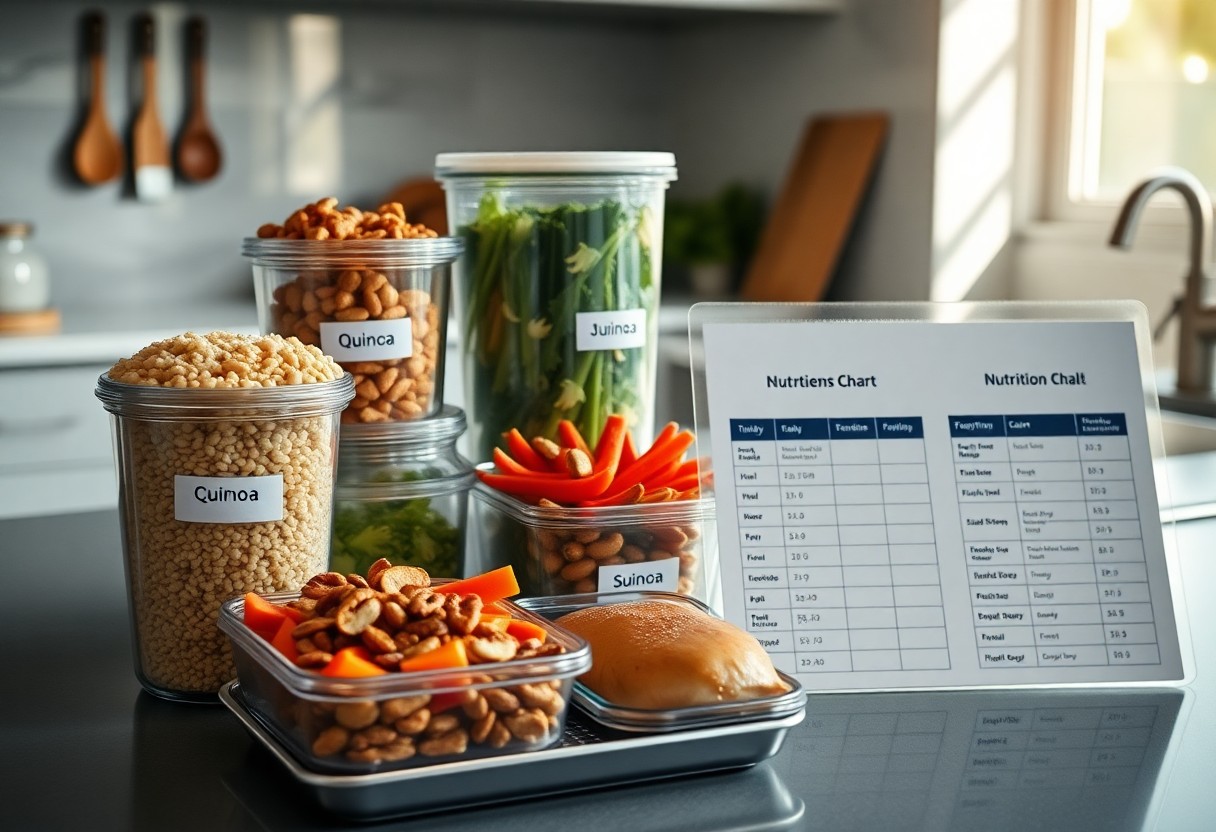
Designing a personalized nutrition plan requires assessing your individual health goals, preferences, and lifestyle. Start by analyzing your current eating habits, desired outcomes, and any specific dietary restrictions. Utilize food diaries or apps to track what you consume, helping identify patterns that either support or hinder your health objectives. With this information, you can create a balanced meal plan that emphasizes whole foods, adequate hydration, and portion control tailored to your unique needs.
Setting Realistic Goals
Your goals must be specific, measurable, achievable, relevant, and time-bound (SMART). Instead of broad intentions like “eat healthier,” aim for manageable targets, such as “incorporate two servings of vegetables in lunch daily.” This method increases your chances of success and helps maintain motivation by providing tangible milestones to celebrate along the way.
Consulting with Nutrition Experts
Engaging with a nutrition expert can greatly enhance your personalized nutrition plan. Professionals such as registered dietitians or certified nutritionists offer insights based on scientific knowledge and experience tailored to your health status. They help decode complex nutritional information, provide personalized recommendations, and support you in implementing healthy changes. Working with someone knowledgeable can also boost your confidence in your nutritional choices.
Nutrition experts draw on years of education and hands-on experience to address individual concerns. They might conduct assessments such as dietary recalls and lab tests, which help create a tailored dietary approach. Their guidance can include meal planning, portion sizes, and nutrient composition based on your goals, ensuring you receive balanced nutrition while meeting any specific dietary needs. Their expertise empowers you to navigate obstacles and stay on track toward achieving your health aspirations.

Common Myths and Misconceptions
Many people believe that personalized nutrition is excessively complicated or only for elite athletes. In reality, everyone can benefit from tailoring their diet to their unique needs. For instance, some think that all fats are harmful, but healthy fats are imperative for brain function and hormone production. Misunderstandings persist about food choices, supplements, and the latest trends; for a deeper understanding, explore Perspective: Guiding Principles for the Implementation ….
Debunking Nutrition Fads
Nutrition fads often promise rapid results but can mislead you about healthy eating. Many popular diets cut out imperative food groups, which can lead to nutrient deficiencies. For example, low-carb diets may produce quick weight loss but may not be sustainable or suitable for everyone. Focusing on balanced nutrition rather than trendy diets is a more effective approach for long-term health.
Understanding Food Labels
Food labels can be confusing, yet they are vital for making informed choices about your diet. Ingredients are listed in order of quantity, helping you recognize the dominant components in a product. Pay attention to serving sizes and understand the nutritional information provided. For example, a snack may seem healthy, but if it contains added sugars or unhealthy fats, it may not align with your health goals.
Understanding food labels involves more than just reading the numbers; it requires interpreting what those figures mean for your health. Look for whole ingredients and avoid items that list lengthy chemical names. Nutritional claims like “low fat” can be misleading—always check for added sugars that might offset any benefits. By learning to navigate these labels effectively, you can take control of your nutrition and support your personal health journey.
To wrap up
Following this guide on the basics of nutrition personalization, you can take meaningful steps toward achieving optimal health. Tailoring your diet to meet your unique needs not only enhances your well-being but also empowers you to make informed choices about what you eat. Incorporate various food groups, pay attention to how different foods affect your body, and adjust your habits accordingly. As you continue this journey, you’ll develop a deeper understanding of your nutritional needs and foster a healthier lifestyle that supports your personal goals.
FAQ
Q: What is nutrition personalization?
A: Nutrition personalization means creating a diet plan tailored to an individual’s unique needs. This takes into account factors like age, gender, health goals, activity level, and preferences. Everyone’s body is different, so a personalized approach can lead to better health outcomes.
Q: How can personalized nutrition improve my health?
A: Personalized nutrition can lead to better energy levels, weight management, and overall wellness. By focusing on what your body needs, you may experience fewer digestive issues, improved mood, and enhanced performance in daily activities and exercise. It addresses your specific health goals more effectively than a one-size-fits-all diet.
Q: What should I consider when personalizing my diet?
A: When personalizing your diet, consider your health goals, food preferences, any allergies or intolerances, and your lifestyle. It might also help to track your eating habits and consult with a healthcare professional or nutritionist to create a plan that works best for you.