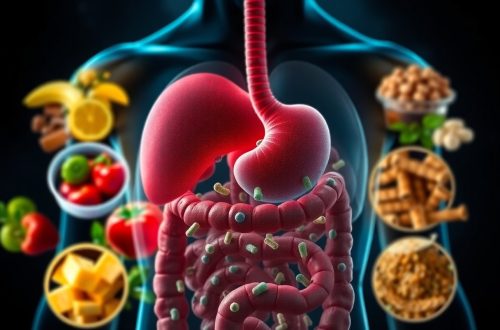
With an increasing focus on health and fitness, understanding the types of fat in your body is important. Visceral fat, stored around your organs, poses significant health risks, while subcutaneous fat, found beneath your skin, is generally less harmful. Knowing the distinctions between these two fat types can help you make informed decisions about your diet and lifestyle, ultimately guiding you towards better health outcomes. In this post, we will explore their differences and the implications they hold for your well-being.
Key Takeaways:
- Visceral fat is located around internal organs, while subcutaneous fat is found beneath the skin.
- Visceral fat is associated with a higher risk of metabolic diseases and cardiovascular issues compared to subcutaneous fat.
- Healthy lifestyle choices, including diet and exercise, can help reduce visceral fat more effectively than subcutaneous fat.
Understanding Body Fat
Definition of Body Fat
Body fat is a type of adipose tissue that serves multiple functions, including energy storage, insulation, and protection for internal organs. It is a dynamic component of your body and is classified into different types based on its location and function.
Importance of Body Fat in Human Physiology
In human physiology, body fat plays a significant role beyond mere storage. It produces vital hormones, aids in nutrient absorption, and provides a reserve of energy. Too little body fat can hinder bodily functions, while excess fat contributes to numerous health issues.
Body fat also participates in overall metabolic processes and serves as a fuel source during periods of low energy availability. Maintaining a healthy level of body fat is imperative for hormonal balance and optimal function of systems like the immune and reproductive systems.
Types of Body Fat: An Overview
Body fat can be categorized into several types, each serving unique purposes and having different health implications. Here’s an overview:
| Type of Fat | Description |
|---|---|
| Visceral Fat | Surrounds internal organs and is linked to health issues. |
| Subcutaneous Fat | Found beneath the skin, providing insulation and protection. |
| Brown Fat | Burns calories to produce heat and regulate body temperature. |
| White Fat | Stores energy and regulates hormones, significantly in the body. |
| Beige Fat | Can change between brown and white fat, helping with energy expenditure. |
The distinction between these types of body fat highlights their varying roles in health and metabolism. Understanding these differences can help you make informed decisions regarding your body composition and related health practices.
[related_posts_banner]- Visceral fat can pose health risks, while subcutaneous fat is generally less harmful.
- Brown fat plays a role in thermogenesis, aiding in weight management.
- White fat has hormonal implications affecting metabolism.
- Beige fat can increase energy expenditure under certain conditions.
- This knowledge can guide you toward maintaining a healthier body fat composition.
What is Visceral Fat?
Definition and Characteristics
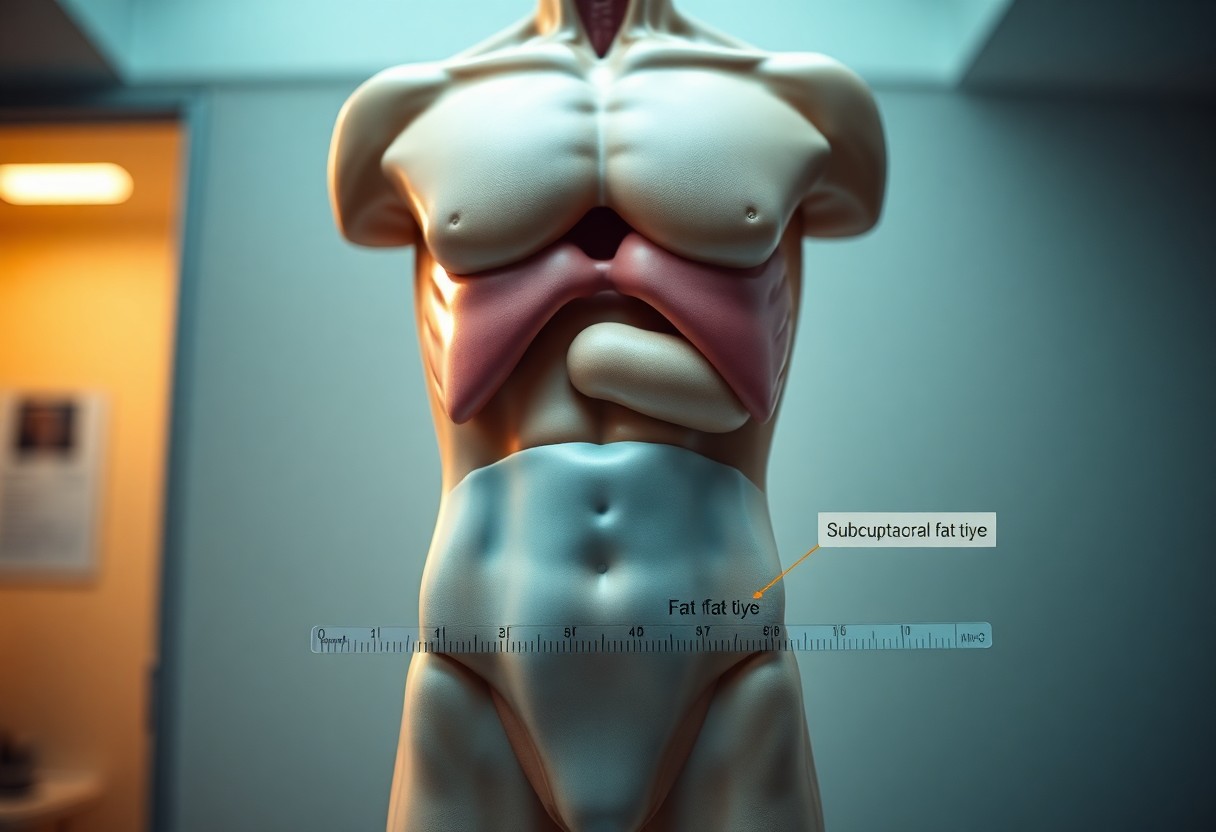
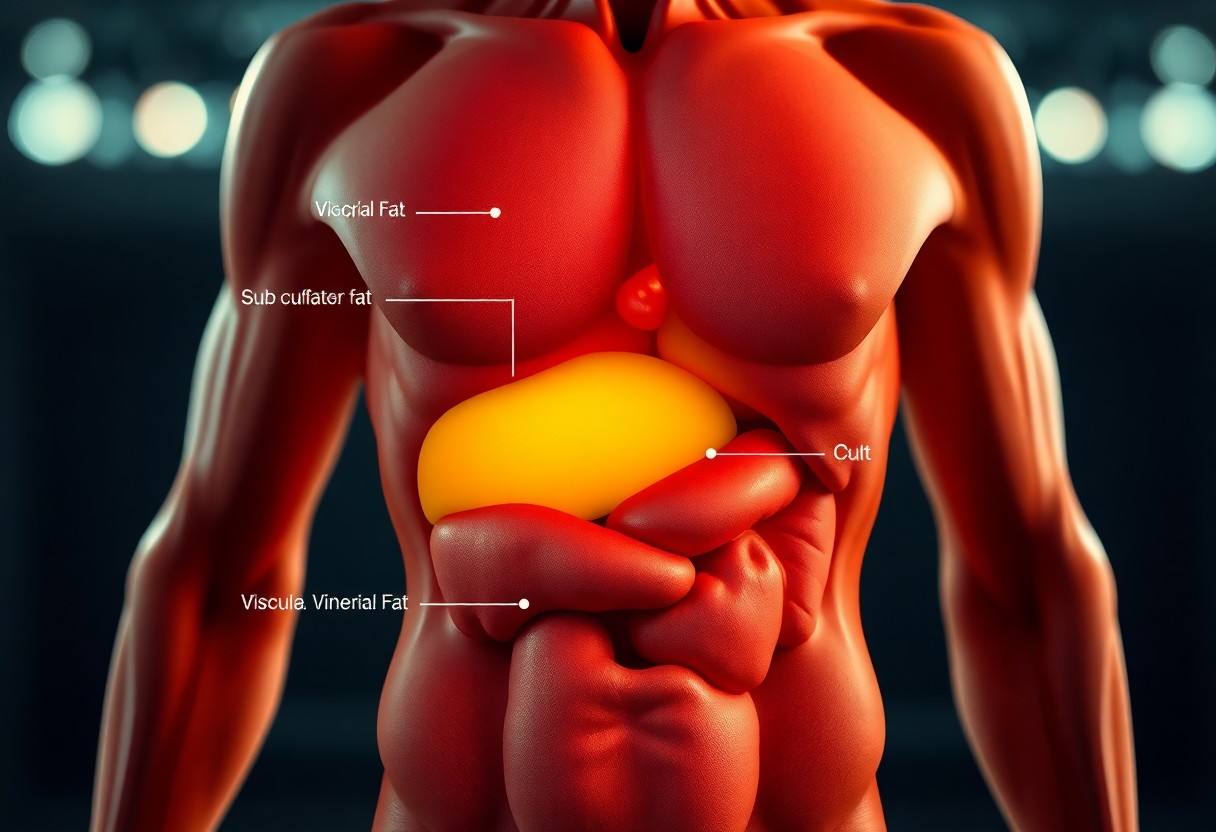
Visceral fat is a type of body fat that is stored deep within your abdominal cavity, surrounding vital organs such as the liver, pancreas, and intestines. Unlike subcutaneous fat, which lies just under the skin, visceral fat is not easily visible but poses significant health risks, including heightened inflammation and metabolic issues.
Location and Distribution in the Body
This fat is primarily found in your abdominal area and can be identified by the shape of your body. A larger waist circumference often indicates a higher amount of visceral fat. Monitoring this area is necessary, as excessive visceral fat can lead to serious health conditions.
Visceral fat tends to accumulate more in individuals who are sedentary or have poor dietary habits. Recognize that it’s common for this fat to build up due to genetic predispositions or hormonal changes. You may notice that stress can lead to an increase in visceral fat, as cortisol levels rise. This fat’s distribution affects overall health, especially when it comes to cardiovascular diseases and diabetes.
Factors Contributing to Accumulation
Various factors contribute to the accumulation of visceral fat in your body. These include a sedentary lifestyle, a diet high in refined carbohydrates and sugars, hormonal changes, and stress. Understanding these factors can help you implement effective changes to manage your health.
- Lack of physical activity
- High consumption of processed foods
- Chronic stress
- Genetic factors
You might find that managing these elements involves holistic approaches such as regular exercise, a balanced diet, and stress management techniques. Support from professionals like dietitians or fitness trainers can further assist in reducing visceral fat levels.
- Age
- Hormonal imbalances
- Sleep deprivation
- Alcohol consumption
Assume that addressing these contributing factors will not only help reduce visceral fat but also improve your overall well-being. Lifestyle changes can be part of a broader strategy for maintaining a healthy weight and preventing related health issues.
What is Subcutaneous Fat?
Definition and Characteristics
Subcutaneous fat is the layer of fat located directly beneath your skin, serving as insulation and protecting your muscles and bones. This type of fat is primarily composed of adipocytes and accounts for about 90% of your total body fat. While often perceived negatively, subcutaneous fat plays a vital role in energy storage and hormone regulation.
Location and Distribution in the Body
You can find subcutaneous fat throughout your body, primarily in areas such as the abdomen, thighs, arms, and buttocks. Its distribution varies based on factors like genetics, sex, and age, with women typically having a higher percentage stored in their hips and thighs, while men tend to store more around their abdomen.
Your body’s subcutaneous fat tends to concentrate in specific areas, often influenced by hormonal factors. For instance, estrogen promotes fat storage in the lower body of women, leading to a pear-shaped figure. In contrast, men usually accumulate fat in the abdominal region, creating an apple-shaped appearance. Lifestyle choices, such as diet and exercise habits, also play a significant role in how and where you store this type of fat.
Factors Influencing Subcutaneous Fat Levels
Your levels of subcutaneous fat can be influenced by a variety of factors including genetics, diet, physical activity, and hormonal balances. These elements can either promote fat storage or aid in fat reduction, thus impacting your overall body composition.
- Genetic predisposition can dictate how your body stores fat.
- Your diet plays a fundamental role in increasing or decreasing fat levels.
- Regular physical activity helps manage and reduce excess subcutaneous fat.
As you age, hormonal changes can shift fat storage patterns, often leading to an increase in subcutaneous fat despite no significant changes in lifestyle. Factors such as sleep quality and stress management also significantly impact hormone levels, which can affect your fat storage dynamics. This might lead to increased difficulty in managing subcutaneous fat over time.
- Stress can lead to hormonal imbalances, affecting fat distribution.
- Sleep deprivation is often linked to increased appetite and fat retention.
- Hydration and nutrition also contribute to overall fat health.
Health Implications of Visceral Fat
Link to Metabolic Syndrome
Visceral fat significantly increases your risk of developing metabolic syndrome, a cluster of conditions including high blood pressure, elevated blood sugar levels, excess body fat around the waist, and abnormal cholesterol levels. This syndrome can lead to serious health issues such as type 2 diabetes and stroke. You can dive deeper into the differences between Visceral Fat vs Subcutaneous Fat for a better understanding of how visceral fat contributes to these risks.
Connection with Cardiovascular Diseases
High levels of visceral fat are closely linked to an increased risk of cardiovascular diseases, including heart attacks and strokes. Studies indicate that those with more visceral fat have a higher likelihood of developing heart problems due to the inflammation and insulin resistance associated with this type of fat.
Research shows that visceral fat releases fatty acids and inflammatory markers into the bloodstream, which can lead to arterial plaque buildup and reduced blood flow. This physiological response heightens your chance of experiencing hypertension and other cardiovascular issues. Additionally, maintaining a healthy weight and managing visceral fat can significantly lower your risk for these serious conditions.
Impact on Hormonal Function
Visceral fat can disrupt hormonal balance, influencing how your body regulates appetite, metabolism, and insulin sensitivity. This disruption often leads to increased hunger and cravings, making weight management more challenging.
Hormones like cortisol and leptin are affected by the presence of visceral fat. Elevated cortisol levels can lead to further fat accumulation, while increased leptin levels may cause your body to become resistant to its effects, impairing your ability to feel full. This hormonal imbalance not only impacts your physical health but can also contribute to emotional well-being, creating a cycle that’s hard to break.
Health Implications of Subcutaneous Fat
Role in Insulation and Protection
Subcutaneous fat plays an important role in insulating your body, helping to regulate temperature by providing a protective layer against external elements. This fat also absorbs shocks, safeguarding your muscles and bones from injury during physical activity. A balanced amount of subcutaneous fat is vital for maintaining your overall comfort and well-being.
Relationship with Overall Health
Your level of subcutaneous fat can be a reflection of your lifestyle and overall health. While it is not as dangerous as visceral fat, excess subcutaneous fat may still indicate unhealthy habits. Maintaining a healthy weight through balanced nutrition and exercise can help you manage subcutaneous fat levels effectively.
Studies have shown that individuals with higher amounts of subcutaneous fat generally have better metabolic profiles compared to those with elevated visceral fat. Maintaining a healthy body composition, including an appropriate level of subcutaneous fat, can reduce the risk of chronic diseases such as diabetes and cardiovascular issues. Regular physical activity and mindful eating habits can aid in managing your body fat distribution and enhancing your overall health.
Potential Risks and Concerns
While subcutaneous fat is less harmful than visceral fat, excessive amounts can still pose health risks. You may face increased susceptibility to conditions like insulin resistance and elevated cholesterol levels. Being aware of your body fat distribution is important for understanding your overall health risks.
Research suggests that having excess subcutaneous fat, particularly in conjunction with a sedentary lifestyle, can increase your likelihood of experiencing health complications over time. This includes potential cardiovascular problems and metabolic issues. Taking proactive measures such as regular exercise and healthy eating can help you mitigate these risks. For more insights on fat types and their effects, check out What Is Visceral Fat & How To Get Rid of It.
Measuring Fat Types
- Body Mass Index (BMI)
- Waist Circumference
- Waist-to-Hip Ratio
- Dual-Energy X-ray Absorptiometry (DEXA)
- Magnetic Resonance Imaging (MRI)
| Measurement Type | Description |
|---|---|
| Body Mass Index (BMI) | A general measure of body fat based on height and weight. |
| Waist Circumference | A simple measurement indicating abdominal fat. |
| Waist-to-Hip Ratio | Compares waist size to hip size for fat distribution analysis. |
| DEXA | Imaging technique that differentiates types of body fat. |
| MRI | Highly accurate imaging to locate visceral fat. |
Methods for Assessing Visceral Fat
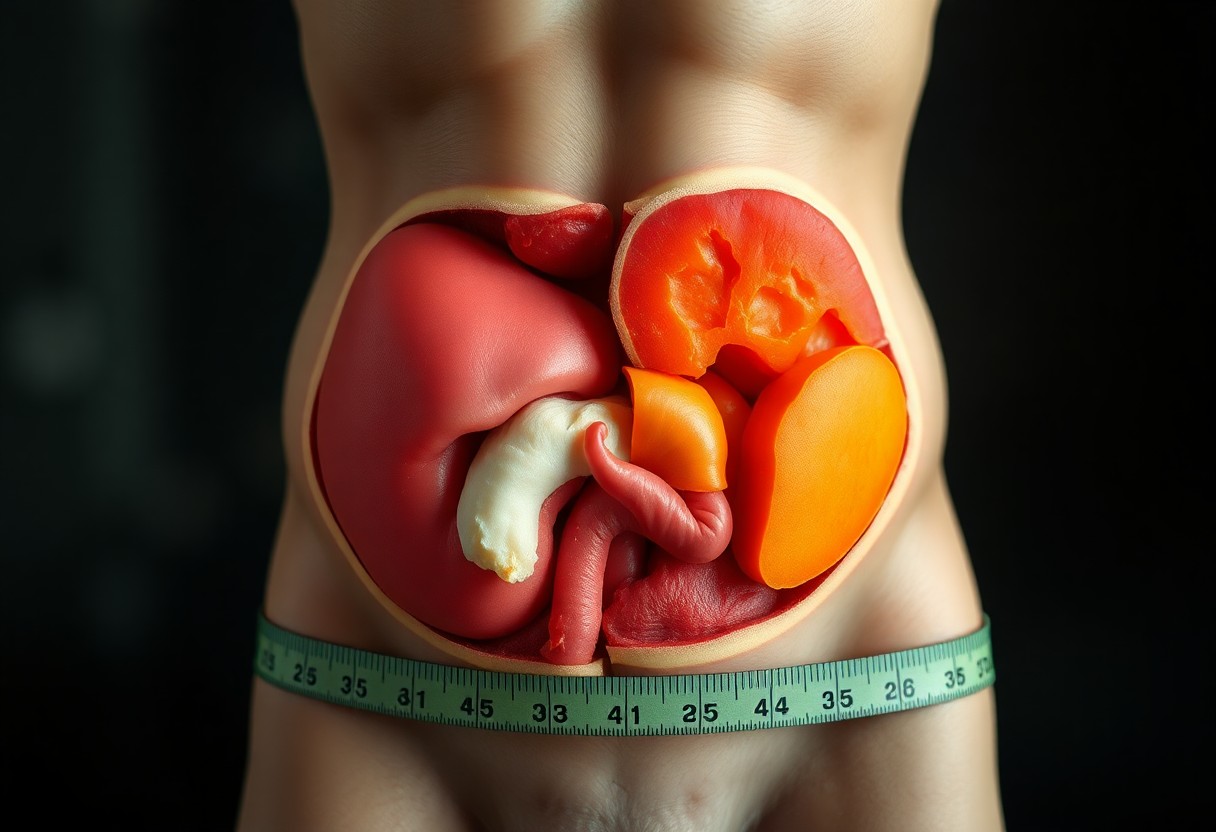
You can assess visceral fat through various methods, which vary in accuracy and convenience. Waist circumference is a quick, effective measurement, while advanced imaging techniques like DEXA and MRI provide precise evaluation of visceral fat levels. It’s important to choose a method that suits your needs and health status.
Techniques for Measuring Subcutaneous Fat
To measure subcutaneous fat, skinfold calipers and bioelectrical impedance analysis (BIA) are commonly used techniques. Skinfold measurements involve pinching specific areas of your body, while BIA sends a small electrical current through your body. Both methods estimate body fat, focusing on the subcutaneous layer.
Skinfold calipers are widely accessible and affordable, providing quick assessments in various locations such as the abdomen, triceps, and thigh. Alternatively, BIA offers a non-invasive and fast method to measure body composition, although its accuracy can be influenced by hydration levels and other factors.
Interpreting Results and Implications for Health
Understanding the results from fat measurement techniques can significantly impact your health journey. A high waist circumference or waist-to-hip ratio indicates increased visceral fat, which raises the risk for serious health conditions. Conversely, subcutaneous fat levels can provide insights into your overall bodily health.
Your results should guide lifestyle changes or medical consultations. Elevated visceral fat levels suggest a need for dietary adjustments or increased physical activity. Recognizing the balance between visceral and subcutaneous fat can enhance your approach to maintaining a healthier body and reducing health risks.
Strategies for Managing Body Fat
Lifestyle Changes for Reducing Visceral Fat
To effectively reduce visceral fat, focus on increasing physical activity, adopting a balanced diet, and managing stress levels. Regular aerobic exercises, such as jogging or cycling, enhance fat burning. Incorporating more whole foods while cutting down on sugary and processed foods can aid in reducing visceral fat. For more information about this type of fat, visit Visceral Fat: Why It’s Dangerous and How to Lose It.
Maintaining Healthy Subcutaneous Fat Levels
Maintaining healthy subcutaneous fat levels involves practicing portion control, engaging in regular exercise, and paying attention to dietary choices. Prioritizing whole grains, lean proteins, and fresh fruits and vegetables can help prevent excess subcutaneous fat accumulation.
Balance is key to controlling subcutaneous fat. It’s necessary to combine resistance training with aerobic workouts, as this dual approach can boost metabolism and enhance fat distribution. Moreover, staying hydrated and managing sleep patterns play significant roles in maintaining optimal subcutaneous fat levels.
Importance of Diet and Exercise
A well-rounded diet paired with consistent exercise is paramount for managing both visceral and subcutaneous fat. Consuming a diet rich in fiber, healthy fats, and high-quality proteins supports your metabolic health and weight management.
Regular exercise not only helps you burn calories but also aids in regulating hormones that influence fat storage. Aim for at least 150 minutes of moderate aerobic activity weekly, supplemented with strength training exercises to enhance muscle mass and metabolic rate.
Role of Medical Interventions
Medical interventions, such as weight loss medications or surgical options, can be helpful for those struggling with obesity or high levels of visceral fat. It’s important to consult with a healthcare provider to evaluate the necessity and safety of these options.
While lifestyle changes remain fundamental, specific medical treatments may provide additional assistance when traditional methods prove insufficient. These interventions should be seen as complements to, rather than replacements for, healthy lifestyle practices aimed at reducing fat and enhancing overall well-being.
Final Words
Considering all points, understanding the difference between visceral fat and subcutaneous fat empowers you to make informed health decisions. Visceral fat, located around your organs, poses greater health risks such as heart disease and diabetes compared to subcutaneous fat, which is found just beneath your skin. By recognizing the dangers associated with excessive visceral fat, you can take proactive steps to improve your health, including adopting healthier eating habits and increasing physical activity, ultimately leading to a more balanced lifestyle.
FAQ
Q: What is visceral fat?
A: Visceral fat is a type of fat stored within the abdominal cavity, surrounding internal organs such as the liver, pancreas, and intestines. It is often associated with an increased risk of metabolic disorders and cardiovascular diseases.
Q: How does subcutaneous fat differ from visceral fat?
A: Subcutaneous fat is located just beneath the skin and can be found all over the body. Unlike visceral fat, it is not directly associated with major health risks and can serve as an energy reserve. However, excessive levels of subcutaneous fat can contribute to health issues as well.
Q: Which type of fat is more dangerous for overall health?
A: Visceral fat is generally considered more dangerous than subcutaneous fat. It is linked to a higher risk of serious health conditions such as type 2 diabetes, heart disease, and certain cancers, mainly due to its proximity to vital organs and its influence on metabolic processes.