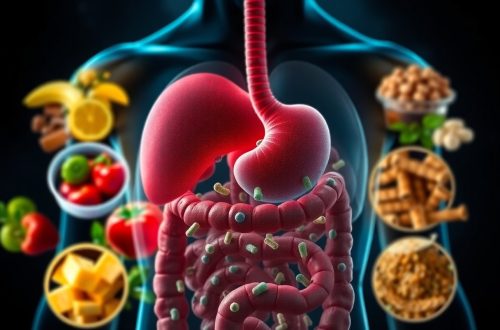
There’s a lot of buzz surrounding metabolism-boosting foods and their potential to enhance weight loss. You may have encountered claims that certain items can significantly speed up your metabolic rate, but the reality is more complex. In this post, you’ll discover the science behind these foods, what truly impacts your metabolism, and whether incorporating them into your diet can actually make a difference in your weight management journey.
Key Takeaways:
- Many foods marketed as “metabolism-boosting” have minimal impact on overall metabolic rate and weight loss.
- Factors like genetics, muscle mass, and physical activity play a more significant role in metabolism than specific foods.
- A balanced diet combined with regular exercise is more effective for managing weight and improving metabolic health than relying on specific foods alone.
Understanding Metabolism
What is Metabolism?
Metabolism refers to the complex biochemical processes that convert food into energy, enabling your body to perform vital functions like breathing, circulation, and cell repair. It encompasses two main processes: anabolism, which builds molecules, and catabolism, which breaks them down. Your metabolic rate determines how efficiently your body uses energy, influenced by various factors including age, muscle mass, and activity level.
The Role of Metabolism in Weight Management
Your metabolism plays a key role in weight management by influencing how quickly your body burns calories. A higher metabolic rate can facilitate weight loss or maintenance, while a slower metabolism may lead to weight gain. Understanding your individual metabolic rate can help you tailor your dietary and exercise choices for optimal weight management.
Research indicates that metabolism varies significantly from person to person. For instance, someone with more muscle mass will typically burn more calories at rest than someone with a higher percentage of body fat. Moreover, certain hormonal imbalances can affect metabolism, making it harder to lose weight. Therefore, recognizing your unique metabolic makeup can aid in creating a more effective weight management strategy.
Factors Influencing Metabolic Rate
Your metabolic rate can be influenced by several factors, including age, sex, and genetics. Younger individuals generally have faster metabolisms, and men typically burn more calories than women due to higher muscle mass. Additionally, genetic predispositions can determine your baseline metabolic rate.
- Age: Metabolism tends to slow down with age.
- Muscle mass: More muscle increases the metabolic rate.
- Activity level: Regular exercise boosts your overall metabolism.
- Hormones: Thyroid function can significantly impact metabolic efficiency.
- Genetics: Your family history can influence your metabolic rate.
- Diet: Certain nutrients can temporarily elevate metabolism.
- Body composition: Higher fat percentage usually results in lower metabolic rates.
- Medications: Some drugs can either raise or lower metabolism.
- Sleep: Poor sleep can negatively affect metabolic function.
- Stress: Chronic stress can lead to metabolic changes.
- Any other individual-specific factors like health conditions.
Many factors that influence your metabolic rate are beyond your control, like age and genetics. However, lifestyle choices such as exercise and dietary habits play a significant role in modulating metabolism. Engaging in strength training can help increase muscle mass, thus enhancing your metabolic rate. Additionally, ensuring adequate sleep and managing stress through mindfulness techniques can further support healthy metabolism. Any adjustments you make in these areas can create a cumulative effect on your overall metabolic efficiency and weight management goals.
[related_posts_banner]
The Science of Metabolism Boosting Foods
Overview of Metabolism Boosting Claims
You may have heard various claims about foods that supposedly boost metabolism, from spicy peppers to green tea. While some of these foods contain compounds that can influence metabolic processes, the effects are often overstated. The truth is that these foods typically bring only marginal benefits, especially when considered in isolation and without a balanced diet and exercise regimen.
The Role of Thermogenesis
Thermogenesis refers to the process of heat production in your body, which contributes to energy expenditure. Certain foods can induce thermogenesis, resulting in a temporary increase in metabolism. Ingredients like capsaicin found in chili peppers and catechins in green tea can stimulate this effect, but the increase is often small and transient, seldom leading to significant weight loss on their own.
For instance, studies show that consuming capsaicin can raise metabolic rate by approximately 8-10% for a few hours post-meal. This effect means that while you may burn a few extra calories when consuming these foods, the overall impact on daily calorie expenditure is minimal. Therefore, relying solely on thermogenesis-inducing foods is insufficient for substantial changes in weight or metabolism.
Impact of Food Composition on Metabolism
The composition of your meals plays a significant role in your metabolic rate. Foods high in protein can increase satiety and marginally boost metabolic rate due to their higher thermic effect compared to fats and carbohydrates. This means your body burns more calories digesting proteins than it does other macronutrients.
For example, a protein-rich meal can result in up to a 30% increase in calorie expenditure during digestion, compared to only 5-10% for fats and 5-15% for carbohydrates. Incorporating more protein in your diet can support muscle maintenance, which in turn contributes to a higher resting metabolic rate, making it a more effective approach to managing weight than focusing solely on specific metabolism-boosting foods.
Common Foods Claimed to Boost Metabolism
Green Tea
Green tea is often touted for its potential metabolism-boosting properties due to its high catechin content, particularly epigallocatechin gallate (EGCG). Some studies suggest that it may enhance fat oxidation and improve insulin sensitivity, particularly when combined with regular exercise. However, the effects are relatively modest and should not be solely relied upon for significant weight loss.
Coffee and Caffeine
Coffee and caffeine can temporarily increase your metabolic rate by stimulating the central nervous system. Research indicates that caffeine consumption can enhance energy expenditure and fat oxidation. However, tolerance can develop quickly, diminishing these effects over time.
Interestingly, caffeine can lead to a moderate increase in metabolic rates. People who consume around 100mg of caffeine can experience a 3-11% increase in energy expenditure. This can translate to approximately 100-200 calories burned daily, but the impact might vary greatly among individuals based on genetic factors and habitual caffeine intake.
Spicy Foods
Spicy foods, particularly those containing capsaicin, such as chili peppers, have been shown to impact metabolism by increasing calorie expenditure after meals. The thermogenic effect caused by these spices may help you burn slightly more calories, but the overall impact on weight loss remains minimal.
Research suggests that including spicy foods in your diet can increase your metabolic rate for a short period post-consumption. Capsaicin can raise energy expenditure by about 5-10%, which translates to about 50 calories. However, this increase is unlikely to result in significant weight loss alone unless accompanied by other dietary and lifestyle changes.
Protein-Rich Foods
Consuming protein-rich foods can boost your metabolism due to the higher thermic effect of food (TEF) associated with protein digestion compared to fats or carbohydrates. Eating more protein can help you feel fuller longer and promote muscle growth, which further enhances metabolic rate.
A diet rich in protein can increase your energy expenditure by 15-30%, compared to 5-10% for carbohydrates and 0-3% for fats. Including lean meats, legumes, and dairy in your meals can notably enhance muscle mass, which is key for maintaining a healthy metabolism over time.
Whole Grains
Whole grains can contribute to a slightly increased metabolic rate due to their fiber content and the energy required for digestion. Foods like brown rice, quinoa, and whole wheat provide complex carbohydrates that sustain energy levels without causing spikes in insulin.
The inclusion of whole grains in your diet can lead to a 2-3% increase in your metabolic rate because of the additional energy needed for digestion compared to refined carbohydrates. Whole grains’ fiber can also improve digestion and promote a healthy gut microbiome, which may further support a healthy metabolism. Learn more about the Top 5 Myths About Metabolism.

The Role of Supplements in Boosting Metabolism
Overview of Popular Metabolism Supplements
When exploring metabolism-boosting supplements, you have a variety of options, including Garcinia Cambogia, green coffee bean extract, and caffeine-based fat burners. These supplements claim to enhance your metabolic rate and promote weight loss. However, understanding their effectiveness and the science behind them is vital for making informed decisions.
Efficacy of Garcinia Cambogia
Garcinia Cambogia is widely marketed for its weight loss benefits, primarily due to hydroxycitric acid (HCA), which is said to inhibit fat storage. While some studies suggest it may help you lose weight, results are often inconsistent, leaving many uncertain about its impact on metabolism.
Research has shown mixed results regarding Garcinia Cambogia’s role in weight management. Some participants experienced modest weight loss, but others saw little to no effects. Studies indicate that any benefits might be more related to appetite suppression rather than a direct boost in metabolism, meaning it’s important to pair its use with proper diet and exercise for better outcomes.
The Impact of Green Coffee Bean Extract
Green coffee bean extract contains chlorogenic acid, believed to have metabolism-enhancing properties. While some studies indicate it may help in weight loss, the evidence regarding its effectiveness on metabolic rate specifically remains limited.
In various studies, participants consuming green coffee bean extract showed a slight reduction in body weight and BMI. The proposed mechanism involves the modulation of glucose metabolism and fat absorption, but further research is necessary to draw definitive conclusions about its role in directly improving metabolic function.
Caffeine and Fat Burners
Caffeine is a popular ingredient in many fat-burning supplements due to its stimulant effects, which can temporarily boost your metabolic rate. When consumed, it enhances thermogenesis and aids in fat oxidation, making it a common choice for those looking to increase calorie expenditure.
Numerous studies support caffeine’s ability to elevate metabolism, with evidence suggesting that it can increase the burning of fat by up to 10% in obese individuals and 29% in lean individuals. However, over-reliance on caffeine can lead to negative side effects, so moderation is key for effective and sustainable results. For a more extensive understanding of metabolism enhancement without complications, check out How to increase metabolism naturally: What really works ….
Myths and Misconceptions
Debunking Common Myths About Metabolism Boosting Foods
You may have heard claims about certain foods miraculously accelerating your metabolism. However, the truth is that while some foods might provide a minor temporary boost, they won’t significantly alter your calorie-burning rate. Often, marketing exaggerates the effectiveness of certain ingredients, leading to misconceptions around metabolism enhancement. For a deeper understanding of whether you can boost your metabolism, you can refer to Can you boost your metabolism?
The Truth About “Fat Burning” Foods
The idea of specific “fat-burning” foods is largely a myth. Foods like grapefruit or green tea can slightly elevate calorie expenditure in the short term, but they do not inherently cause fat loss. Weight management is primarily influenced by overall dietary habits and caloric balance, not by isolated foods. Focus on a balanced diet and regular physical activity for sustainable results.
A common misconception is that consuming “fat-burning” foods, such as cayenne pepper or apple cider vinegar, can directly lead to fat loss. While these foods may offer minor metabolic benefits or appetite suppression, they cannot single-handedly transform body composition. The reality is that fat loss occurs when you create a caloric deficit, meaning you burn more calories than you consume, not merely by ingesting specific foods.
Understanding Short-Term vs. Long-Term Effects
While some foods may provide an initial surge in metabolism, any effects are usually temporary. Understanding the difference between short-term boosts and long-term metabolic health is crucial. It’s more effective to prioritize lifestyle changes, such as consistent exercise and a balanced diet, rather than relying solely on specific foods.
Short-term effects from certain foods might include increased thermogenesis, which can help burn a few extra calories after consumption. However, for lasting impacts on metabolism, long-term lifestyle factors come into play. These include regular physical activity, muscle mass maintenance through strength training, and a nutritious diet, all of which contribute significantly to your metabolic health over time.

Practical Tips for Supporting a Healthy Metabolism
- Stay hydrated by drinking plenty of water.
- Incorporate strength training into your fitness routine.
- Eat regular, balanced meals to maintain energy levels.
- Get enough sleep to support overall health.
- Manage stress through mindfulness or yoga.
Any metabolic health improvements start with lifestyle changes. Aim for a consistent sleep schedule, prioritize balanced diets rich in whole foods, and engage in daily movement. Even small alterations, such as taking the stairs instead of the elevator, can make a difference over time.
The Importance of Physical Activity
Regular physical activity plays a significant role in your metabolic health. Engaging in both aerobic and resistance exercises helps build muscle, which burns more calories at rest compared to fat tissue. Aim for at least 150 minutes of moderate aerobic activity weekly, complemented with strength training twice a week.
Incorporating various types of workouts can optimize your metabolism. High-Intensity Interval Training (HIIT) is particularly effective, as it may increase the afterburn effect, keeping your metabolism elevated even after you’ve finished exercising. Additionally, staying active throughout the day, such as walking during breaks or utilizing standing desks, boosts your overall calorie expenditure.
Nutritional Strategies for Metabolism Support
Your diet profoundly influences your metabolism. Focus on consuming plenty of protein, as it has a higher thermic effect than carbohydrates or fats. Eating protein-rich foods can increase your metabolism for a few hours by inducing the thermic effect of food (TEF). Incorporate various whole foods, such as lean meats, legumes, and nuts.
Including smaller, frequent meals can help stabilize blood sugar levels, preventing energy crashes and maintaining metabolic efficiency. Pay attention to fiber intake, which promotes digestive health and may assist in weight management. Finally, consider incorporating metabolism-friendly spices, like cayenne pepper and ginger, to enhance your meals without extra calories.
Summing up
Drawing together the information, it’s evident that while certain foods may have a slight impact on your metabolism, the effects are often minimal and not a substitute for a balanced diet and regular exercise. Instead of relying solely on these foods, focus on overall lifestyle changes that promote metabolic health. Understanding the science behind metabolism allows you to make informed decisions that truly benefit your health, rather than chasing unproven trends.
FAQ
Q: What are metabolism-boosting foods?
A: Metabolism-boosting foods are those that may increase the rate at which your body burns calories. Common examples include green tea, spicy foods like chili peppers, and high-protein foods such as lean meats, fish, and legumes. These foods are believed to enhance thermogenesis and promote energy expenditure.
Q: Do metabolism-boosting foods actually lead to significant weight loss?
A: While certain foods can slightly increase metabolic rate, the effect is often minimal and not enough to cause significant weight loss on their own. Overall weight loss is influenced more by total caloric intake and physical activity levels rather than solely by consuming metabolism-boosting foods.
Q: Can I rely on metabolism-boosting foods for long-term weight management?
A: Relying solely on metabolism-boosting foods for long-term weight management is not effective. A balanced diet combined with regular exercise is important for maintaining a healthy weight. While these foods can play a role in a healthy diet, they should not be viewed as a magical solution.