Many people find themselves reaching for snacks while engrossed in their favorite shows, often leading to unintentional overeating. To break this habit, it’s crucial to establish mindful practices that keep your eating patterns intentional. By implementing a few strategies, you can enjoy your TV time without sabotaging your health goals. This guide will provide you with effective techniques to curb those cravings and maintain control over your snacking habits.
Key Takeaways:
- Replace snacks with healthier alternatives like fruits or veggies to reduce calorie intake.
- Establish a designated eating area away from the couch to create a mindful eating environment.
- Set specific times for meals and snacks to create a routine that discourages mindless eating.
Understanding Mindless Snacking
Definition of Mindless Snacking
Mindless snacking occurs when you eat without being fully aware of what you’re consuming or how much you’re eating, often driven by boredom or distraction rather than hunger. This automatic behavior typically happens in front of screens, where the act of eating becomes secondary to the entertainment, leading you to consume more than intended without realizing it.
Psychological Factors Behind Mindless Eating
Several psychological factors contribute to mindless eating, such as emotional triggers, habits formed over time, and environmental cues. You may find yourself reaching for snacks in response to stress, anxiety, or even habitually associating TV time with eating. Moreover, studies indicate that visual stimuli can enhance food cravings and increase consumption without conscious awareness.
- Emotional responses often lead you to seek comfort foods during stressful times.
- Habits, once established, create a routine that’s hard to break even when you’re not hungry.
- Environmental cues, like seeing snacks easily accessible, trigger cravings and prompt you to eat.
Perceiving snacks as part of your viewing experience can reinforce this habit, making it feel natural to munch while watching. Additionally, social influences, such as friends or family indulging while watching TV, can further compound your urge to snack without mindfulness.
- Peer behavior can encourage you to eat, even if you’re not genuinely hungry.
- Marketing and advertising can create an association between certain foods and pleasurable experiences.
- Distraction from the screen can prevent you from recognizing satiety signals effectively.
Perceiving snack time as a routine rather than a mindful activity leads to poor dietary choices and unintentional overconsumption, obscuring your awareness of hunger and fullness. This unexamined eating can quickly spiral into unhealthy patterns and weight gain.
Consequences of Mindless Snacking
Engaging in mindless snacking can lead to various negative outcomes, including weight gain, poor nutrition, and emotional distress. Without realizing it, you may consume excess calories and unhealthy foods, undermining your dietary goals and overall health.
[related_posts_banner]Continued engagement in this behavior can not only contribute to weight issues but can also impact your emotional and psychological well-being. Studies show that individuals who snack mindlessly often feel guilty or ashamed afterward, perpetuating a cycle of negative emotions and further unhealthy eating behaviors. Moreover, reliance on snacks instead of balanced meals can result in nutritional deficiencies, leaving you feeling fatigued and unsatisfied.

The Science of Distraction and Eating
The Impact of Television on Eating Habits
Watching television often leads to mindless eating, shifting your focus from your food to the screen. Studies show that individuals consume up to 50% more snacks when engaged with a TV show compared to when they are not distracted, as the allure of visuals can reduce awareness of hunger cues and portion sizes.
How Multitasking Affects Food Consumption
Multitasking while eating diminishes your awareness of the amount and type of food you consume. When you eat and watch TV simultaneously, you can lose track of how much you’ve eaten, leading to overeating and poorer food choices.
Eating while distracted by a screen prevents you from savoring each bite, often resulting in mindless munching. You may reach for a bag of chips or popcorn without realizing how much you’ve consumed. Research indicates that this lack of mindfulness can lead to an increase in caloric intake, as your brain fails to register the signals that you’re full, leaving you unsatisfied and more likely to continue snacking as the show goes on.
Cognitive Overload and Food Choices
When your brain is overloaded with information from the screen, it struggles to process other stimuli, such as hunger or satiety. This cognitive overload can compromise your ability to make healthy food choices, pushing you toward high-calorie, easily accessible snacks.
In a fast-paced media environment, your mental bandwidth is stretched thin, reducing the cognitive resources available for evaluating your eating habits. When faced with the stress of decision-making tied to both the program and food, you may gravitate towards comfort foods that offer instant gratification rather than making thoughtful, healthier choices. Studies indicate that you are more likely to select snack foods high in sugar and fat when your attention is divided, ultimately perpetuating a cycle of unhealthy eating behavior.

Tips to Curb Snacking While Watching TV
- Set Clear Eating Boundaries
- Choose Healthier Snack Alternatives
- Control Portion Sizes
- Create a Snack Schedule
Set Clear Eating Boundaries
Establish specific rules for when and where you eat. Designating a place for meals and keeping snacks out of the living room can help reduce impulsive eating. By committing to eat only in the kitchen or dining area, you create a mindful eating environment. Thou shall not eat without intention.
Choose Healthier Snack Alternatives
Opt for snacks that are nutritious and satisfying instead of processed options. Whole foods like fruits, vegetables, nuts, or yogurt can satisfy cravings without the added sugars and unhealthy fats. You can also explore Compulsive Eating and Watching Television – Center for Growth for more ideas.
Control Portion Sizes
Use smaller plates or bowls to serve your snacks, making it easier to control how much you consume. This strategy helps trick your mind into feeling satisfied with less food. Thou should practice mindful eating in manageable portions.
Create a Snack Schedule
Plan your snack times just as you would for meals. This practice not only helps you anticipate your cravings but also discourages mindless eating as you stick to designated times. Thou should hold yourself accountable to these set times, making snacking more intentional.
Mindfulness Techniques for Eating
Practicing Mindful Eating
To practice mindful eating, focus on the experience of eating itself. Begin by eliminating distractions—turn off the TV and put away your phone. Pay attention to the colors, textures, and flavors of your food. Chew slowly, savoring each bite, and allow yourself to fully enjoy the meal. This intentional approach helps you tune into your body’s hunger cues and reduces the likelihood of overeating.
Engaging in Alternative Activities
Instead of snacking while watching TV, engage in activities that keep your hands and mind busy. This could be anything from knitting to playing a game or taking deep breaths during a meditation session. By redirecting your focus, you can enjoy your favorite shows without the temptation of mindless eating.
Activities such as puzzles or adult coloring books can further distract you from snacking habits. Engaging fully in another pastime makes it easier to resist the urge to reach for snacks, as your mind is occupied with a different form of enjoyment. Choose hobbies that genuinely interest you to create a fulfilling substitute for eating during TV time.
Utilizing Eating Journals
Maintaining an eating journal can foster greater awareness of your eating habits. Write down what you eat, along with your thoughts and feelings while eating. This practice helps identify triggers for mindless snacking and highlights patterns in your food consumption, allowing you to make more informed choices.
Documenting your meals and emotions also aids in reflecting on your relationship with food. You may notice specific situations or moods that prompt excessive eating and can strategize on how to address those triggers. With consistent journaling, you can monitor your progress over time and adjust your eating habits accordingly.
Environmental Factors to Consider
Your environment greatly influences your eating habits, especially while watching TV. It’s necessary to evaluate how various aspects of your surroundings can either promote or hinder mindful snacking. Consider these factors:
- The layout of your living space.
- Where you store snacks.
- The visibility of snack options.
- The influence of others watching TV with you.
- The types of shows you watch and their impact on your cravings.
Perceiving the cues in your environment can help you make better choices.
Organizing Your Snack Area
Designate a specific area for snacks and keep it orderly. Store healthier options at eye level while moving less nutritious snacks out of sight. This simple organization strategy encourages healthier choices and minimizes mindless reaching for unhealthy foods.
Reducing Visual Temptations
Assess the visibility of your snacks while watching TV. If unhealthy options are in clear sight, they’re more likely to distract you. Store them in less accessible places or out of view when not in use. Keeping healthier options visible can encourage better choices during your viewing time.
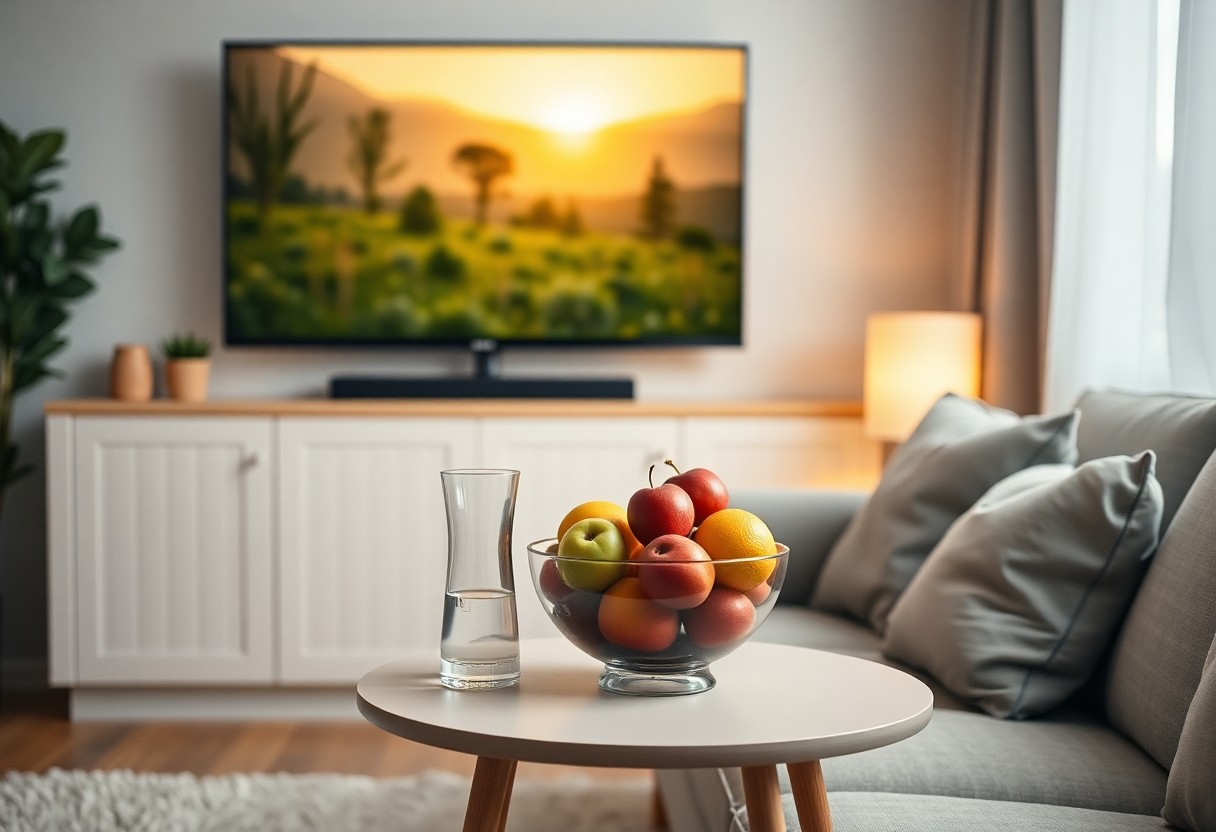
Reducing visual temptations not only addresses physical accessibility but also incorporates psychology. Research shows that individuals are more likely to snack when unhealthy foods are readily visible. By strategically placing fruits or nuts in sight, you can shift your focus and satisfy cravings in a healthier manner.
The Role of Social Influences
Your eating habits can be significantly impacted by those around you. If friends or family members habitually snack while watching TV, you may feel pressured to join in. Recognizing these social dynamics can help you be more mindful and make intentional choices.
The role of social influences is well-documented, as collective eating behaviors can lead to increased consumption. Studies have shown that individuals often eat more when dining with others, so it’s important to communicate your goals to your peers. By discussing your intention to limit snacking, you may foster a supportive environment that encourages healthier habits. For more information, check out Here’s Why We Overeat in Front of the TV (and How to Stop).
Strategies for Accountability
Involving Family or Friends
Enlist the help of family or friends to hold you accountable for your snacking habits. Share your intentions with them and establish a mutual agreement to check in on each other’s progress. This not only creates a support system but also provides motivation, making it easier to resist the urge to snack mindlessly while watching TV.
Tracking Progress
Keeping track of your snacking habits can illuminate patterns and help identify triggers. Use a journal or an app to log what you eat while watching TV and note how you feel during those moments. This practice encourages mindfulness and makes you more aware of your choices.
By regularly reviewing your progress, you can spot trends, such as specific times or shows that lead to excess snacking. This awareness allows you to plan strategically, either by changing your viewing habits or implementing healthier alternatives during those moments.
Setting Personal Goals
Establish clear, achievable goals for your snacking habits. Whether it’s reducing your snacking frequency or opting for healthier choices, having specific targets gives you something concrete to strive for. Make these goals visible, like writing them down and placing them near your TV.
Set incremental goals to maintain motivation as you progress. For instance, aim to successfully snack mindfully for one week, then gradually increase that duration. Celebrating these small victories fosters a sense of accomplishment, reinforcing your commitment to healthier habits. For further insights, check out this How to stop the urge of eating when watching TV? : r/Habits.
To wrap up
Hence, to stop mindless snacking while watching TV, you need to implement mindful eating practices. Begin by setting specific snack times and choosing healthier options that satisfy your cravings. Keep snacks out of reach while watching TV to reduce the temptation and focus on engaging with the content instead of munching. You can also find alternative ways to occupy your hands, such as knitting or doodling. By being intentional about your snacking habits, you’ll enhance your viewing experience and maintain control over your eating behaviors.
FAQ
Q: What are some strategies to reduce mindless snacking while watching TV?
A: To reduce mindless snacking, try setting a specific quantity of snacks before starting your show, use smaller bowls to serve snacks, and opt for healthier alternatives. Additionally, focus on drinking water or herbal tea instead of snacking during commercial breaks.
Q: Can changing my environment help stop mindless snacking while watching TV?
A: Yes, changing your environment can help. Rearranging your living space to keep snacks out of sight, creating a designated snack area away from the couch, and dimming the lights during TV time can reduce the temptation to snack mindlessly.
Q: How can mindfulness techniques assist in curbing mindless snacking during TV time?
A: Mindfulness techniques can help by encouraging you to be aware of your eating habits. Try to eat snacks slowly, savor each bite, and pay attention to hunger cues. Engaging fully in the program can also keep your focus off snacks, reducing the likelihood of mindless eating.