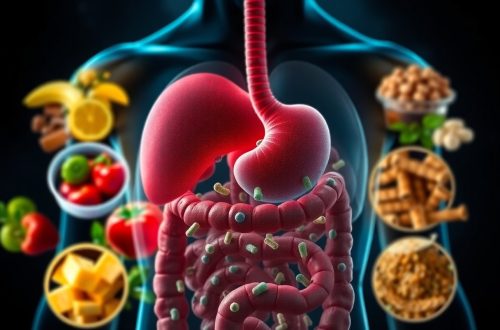
It’s important to understand how your body responds to carbohydrate refeeds, particularly regarding muscle glycogen replenishment. As you consume carbohydrates, your muscles store glycogen, which inherently increases water retention. This process can lead to a temporary weight increase; however, it’s a natural response reflecting your body’s efforts to restore energy levels rather than actual fat gain. Recognizing this can help you better manage your expectations and approach to diet and fitness.

Key Takeaways:
- Muscle glycogen replenishment involves storing water along with carbohydrates, leading to temporary weight gain.
- Each gram of glycogen is stored with approximately 3-4 grams of water, contributing to increased body weight.
- This weight increase is not fat gain but rather a result of carbohydrate and water retention in the muscles.
Understanding Muscle Glycogen
Definition of Muscle Glycogen
Muscle glycogen is the stored form of carbohydrates within your muscle tissues, consisting primarily of glucose molecules. It serves as a vital energy reservoir, allowing your body to quickly mobilize fuel during physical activities, especially high-intensity exercises.
Role of Muscle Glycogen in Exercise
During exercise, your muscles rely heavily on glycogen as a primary energy source. As you engage in strenuous activities, glycogen is rapidly broken down to provide the necessary ATP (adenosine triphosphate) for muscle contraction, enabling you to maintain performance and endurance.
Factors Influencing Muscle Glycogen Stores
Several factors impact your muscle glycogen stores, including diet composition, exercise intensity, and duration. The type of carbohydrates you consume, the timing of your meals, and individual metabolic rates also play significant roles. Thou.
- Carbohydrate intake before and after workouts enhances glycogen resynthesis.
- Intensity of exercise affects how quickly glycogen is consumed.
- Rest and recovery are important for optimal glycogen replenishment.
Your ability to store and utilize muscle glycogen can also be influenced by training adaptation. Endurance training tends to increase glycogen storage capacity, whereas high-intensity training may deplete it faster. Genetic predisposition can further dictate your baseline glycogen levels. Thou.
[related_posts_banner]The Carb Refeed Concept
What is a Carb Refeed?
A carb refeed is a deliberate increase in carbohydrate intake for a specific period, usually to restore glycogen levels after prolonged dieting or intense training. By temporarily elevating carbs, you support recovery and improve performance without significantly impacting fat loss efforts. This approach aligns with the principles outlined in The Role of Carbohydrates in Recovery after Resistance ….
Reasons for Implementing Carb Refeeds
Implementing carb refeeds can help replenish glycogen stores, enhance performance, and prevent metabolic slowdown. They serve as a psychological break from restrictive dieting and can support your workout intensity during subsequent sessions.
Carb refeeds can create a positive metabolic response by triggering hormonal adjustments that may support fat loss and muscle preservation. When you increase carbohydrate intake, you not only replenish glycogen but also boost leptin levels, a hormone that regulates energy balance. These refeeds can also help you maintain your performance in workouts by ensuring your muscles have the necessary fuel for high-intensity training, ultimately aiding in better gains over time.
Timing and Frequency of Carb Refeeds
Timing and frequency of carb refeeds can significantly influence their effectiveness. Typically, these refeeds are incorporated after high-intensity training or when you notice performance dips.
Strategically planning your carb refeeds around your training schedule plays a vital role in maximizing the benefits. For instance, having a refeed day after a heavy training week can ensure that your muscles recover properly and are primed for the upcoming workouts. Some individuals might prefer weekly refeeds, while others, based on their training and goals, could opt for bi-weekly or even monthly strategies. Tailoring this approach to your needs helps maintain energy levels and promotes mental well-being during dieting phases.
Muscle Glycogen Replenishment Process
Mechanism of Glycogen Storage
The process of glycogen storage initiates once carbohydrates are ingested and broken down into glucose. Insulin facilitates glucose uptake into muscle cells, where it’s then converted into glycogen through glycogenesis. This stored glycogen can be utilized during physical activity to maintain energy levels, making glycogen replenishment vital post-exercise.
Carbohydrate Types and Their Impact
Different carbohydrates influence glycogen replenishment rates. Simple carbohydrates, such as glucose and sucrose, are quickly absorbed and can rapidly elevate glycogen stores. In contrast, complex carbohydrates, like whole grains, provide a slower release of glucose. Your choices here can significantly impact recovery times and overall energy levels.
- Simple carbohydrates are rapidly absorbed for immediate energy.
- Complex carbohydrates offer sustained energy release.
- Insulin response varies based on carbohydrate types.
- Choosing the right carbs can optimize recovery.
- Mixing carb types can enhance glycogen restoration.
| Carbohydrate Type | Absorption Rate |
|---|---|
| Glucose | Fast |
| Sucrose | Fast |
| Oats | Moderate |
| Brown Rice | Slow |
| Whole Wheat Bread | Slow |
Optimal Carbohydrate Quantities for Replenishment
Determining the optimal carbohydrate quantity for replenishment often hinges on exercise intensity and duration. Generally, consuming 1.0 to 1.2 grams of carbohydrate per kilogram of body weight within the first hour after exercise can maximize glycogen synthesis.
Understanding your individual needs regarding carbohydrate quantity can enhance your recovery strategy. If you perform high-intensity workouts or prolonged endurance activities, tailoring your post-exercise intake to these guidelines ensures adequate glycogen recovery. Balancing quick-digesting sugars with slower, more complex carbohydrates may also offer benefits, supporting sustained energy throughout your next workouts.
- Your recovery can be expedited with precise carbohydrate intake.
- Individual factors, like weight and activity level, matter.
- Post-workout timing plays a role in glycogen replenishment.
- Incorporating protein alongside carbs may improve results.
- Consistent replenishment strategies can lead to longer-term gains.
| Body Weight (kg) | Carbohydrate Intake (grams) |
|---|---|
| 60 | 60-72 |
| 70 | 70-84 |
| 80 | 80-96 |
| 90 | 90-108 |
| 100 | 100-120 |

Temporary Weight Increase Explained
Water Retention and Glycogen Storage
After a carb refeed, your body stores glycogen in muscle tissue, which is accompanied by water retention. For every gram of glycogen, approximately 3-4 grams of water are retained. This phenomenon leads to a temporary increase in weight due to the additional water in your muscles, even though this weight gain is not an increase in fat mass.
The Relationship Between Carbohydrates and Water
Carbohydrates influence your body’s water balance significantly. When you consume more carbohydrates, glycogen storage increases, and with it comes an associated increase in water retention. This correlation is vital to understand as it directly impacts your weight fluctuations following a high-carb diet period.
This relationship between carbohydrates and water is rooted in how your body metabolizes glycogen. As glycogen is synthesized, water is pulled into your muscle cells. If you’re consuming a significant amount of carbohydrates, the process can lead to noticeable weight gain from water retention rather than fat accumulation. Thus, fluctuations may not reflect body fat changes, but rather your glycogen and water levels fluctuating in response to dietary intake.
Phases of Weight Fluctuation
Your weight may fluctuate in distinct phases after a carb refeed. Initially, you might see a quick increase due to glycogen storage and water retention. Subsequently, your weight may stabilize once your body adjusts to the new carbohydrate levels, showing how temporary these changes are.
These phases typically include a rapid gain immediately following the carb refeed, attributed to the influx of water into muscle cells. After this initial spike, your weight may plateau as your body reaches a new equilibrium. Over time, if your diet returns to a lower carbohydrate intake, you may experience a decrease in weight as glycogen stores deplete and excess water is released, illustrating the transitory nature of these weight changes.
The Scale and Body Composition
Understanding Lean Mass vs. Fat Mass
When assessing body composition, it’s crucial to differentiate between lean mass and fat mass. Lean mass includes muscles, bones, and organs, while fat mass refers to body fat. An increase in muscle glycogen can lead to temporary weight gain on the scale, but this does not translate into an increase in fat mass, as lean mass remains relatively stable during this process. For more information, check out All about diet breaks & refeeds.
Impact of Water Weight on Scale Measurements
The fluctuation in scale weight primarily stems from changes in water retention. When you increase carbohydrate intake, your body tends to hold onto more water as glycogen is stored. Each gram of glycogen stored binds with about 3-4 grams of water, resulting in noticeable scale changes.
This increased water weight can be significant. For instance, if you replenish glycogen by 300 grams, you might also retain an additional 900 to 1200 grams of water. Hence, a temporary weight increase of 2-3 pounds following carb refeeding is often just water weight, not fat gain. This temporary spike can mislead you into believing you’ve gained fat, when it’s simply fluid retention associated with your muscle glycogen replenishment. Understanding this can help you manage expectations surrounding weight fluctuations.
Misinterpretations of Weight Changes
Weight changes can often lead to confusion, especially when you’re monitoring progress. It’s crucial to approach scale readings with a critical mindset, particularly after carb refeeds, to avoid unnecessary concern over perceived fat gain.
Many people panic upon seeing a higher number on the scale, interpreting it as a failure in their diet. This misconception can derail your motivation. By recognizing that fluctuations are often due to temporary factors like glycogen and water shifts, you can maintain a more balanced perspective on your body composition journey. Focusing on long-term trends rather than day-to-day numbers provides a clearer picture of fat loss versus temporary gains in water weight.

Psychological Effects of Weight Increases
Mindset Around Weight Fluctuations
Accepting that weight can fluctuate is necessary for maintaining a healthy mindset. You can experience temporary increases due to factors like glycogen replenishment, water retention, or even hormonal changes. Understanding that these variations are a normal part of the process helps in demystifying the numbers on the scale, allowing you to focus on long-term progress rather than day-to-day shifts.
Influence on Motivation and Adherence
Weight fluctuations can significantly affect your motivation and adherence to fitness goals. When you see a temporary increase, you might feel discouraged, leading to negative feelings about your progress. This emotional response can create a cycle of self-doubt, making it harder to stay committed to your nutrition and exercise regimen.
Addressing the emotional impact of weight fluctuations is vital for staying on track. When faced with a temporary weight gain, consider reframing your mindset to focus on the positive aspects of your journey. Instead of seeing the scale as the sole indicator of progress, reflect on improvements in strength, endurance, and overall well-being. You can also maintain a structured plan that prioritizes consistency over perfection, helping you feel empowered rather than defeated.
Strategies to Maintain Positive Body Image
To cultivate a positive body image amidst weight fluctuations, incorporate daily affirmations, practice mindfulness, and focus on your achievements outside of weight alone. Remind yourself of the strength and resilience your body exhibits through workouts, and develop a holistic view of health that includes emotional and mental well-being.
Implementing strategies like journaling to track your feelings about weight and body image can be beneficial. Engage in activities that boost your confidence, such as dressing in a way that makes you feel great or surrounding yourself with positive influences. By shifting the emphasis from numbers to personal milestones, you can reinforce your intrinsic value beyond the scale and better cope with natural weight variations.
To wrap up
Summing up, when you replenish muscle glycogen through carb refeeds, your body retains additional water, leading to a temporary increase in weight. This is because each gram of glycogen binds with about three grams of water. While this weight gain may seem concerning, it strictly reflects your body’s storage capacity rather than actual fat gain. It’s important to distinguish between changes in water weight and fat, as the latter is influenced by overall caloric balance, not just carbohydrate intake.
FAQ
Q: Why does muscle glycogen replenishment after carb refeeds lead to temporary weight gain?
A: After carb refeeds, the body increases glycogen storage in muscles. Glycogen is stored with water; for every gram of glycogen, approximately 3-4 grams of water are retained, resulting in a temporary increase in weight.
Q: How much weight can be gained due to muscle glycogen replenishment?
A: The amount of weight gained varies based on individual factors, but a typical refeed can lead to a temporary increase of 1-5 pounds depending on muscle glycogen depletion levels and water retention.
Q: How long does it take for the temporary weight increase from glycogen replenishment to normalize?
A: The temporary weight increase usually normalizes within a few days as the body regulates water balance and depletes the excess glycogen with regular physical activity and dietary management.