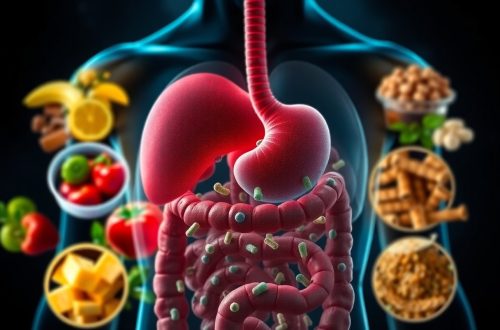
Body recomposition involves strategically losing fat while gaining muscle without a caloric deficit. By maintaining your caloric intake at maintenance levels, you can create the optimal environment for muscle growth while simultaneously shedding unwanted body fat. Understanding how to effectively balance your nutrition and training can lead you to achieve an impressive physique transformation, all while fueling your body adequately. This post will explore the science behind body recomposition and how you can successfully navigate this process for lasting results.
Key Takeaways:
- Body recomposition involves losing fat and gaining muscle simultaneously, achieved at maintenance calorie levels.
- Maintaining a balanced diet with adequate protein and resistance training supports muscle growth while facilitating fat loss.
- Individual response to training and diet can vary, making personalized approaches vital for successful body recomposition.
Understanding Body Recomposition
Definition of Body Recomposition
Body recomposition is the process of simultaneously losing fat and gaining muscle, allowing you to improve your physique without significant changes to caloric intake. This approach shifts your body composition towards a healthier ratio of lean mass to fat mass, ultimately enhancing overall fitness and aesthetics.
Importance of Body Recomposition
Body recomposition is significant because it offers a healthy balance between losing excess weight and building strength, promoting a sustainable lifestyle. Achieving this balance enhances metabolism, boosts athletic performance, and improves overall health, making it a desirable goal for many fitness enthusiasts.
This approach not only fosters a positive relationship with food and exercise but also promotes longevity. By focusing on both fat and muscle, you’re able to achieve aesthetic goals while maintaining functional strength. Consequently, body recomposition helps prevent the pitfalls of yo-yo dieting, supporting your long-term health and fitness journey.
The Science Behind Muscle Growth and Fat Loss
The science of muscle growth, known as hypertrophy, involves resistance training and adequate protein intake, while fat loss occurs through a caloric deficit. Understanding this interplay allows you to leverage your training and nutrition for optimal results in body recomposition.
Studies suggest that engaging in strength training while consuming enough protein can lead to muscle growth even at maintenance calories. Research indicates that an intake of 1.6 to 2.2 grams of protein per kilogram of body weight supports hypertrophy effectively. Simultaneously, maintaining a slight caloric deficit or managing macronutrients can help you lose fat without compromising muscle gains, creating an ideal environment for body recomposition.
[related_posts_banner]
The Role of Nutrition
Importance of Macros for Recomposition
Your macronutrient intake plays a vital role in body recomposition. To effectively lose fat and gain muscle, you need an appropriate balance of protein, carbohydrates, and fats. Protein is particularly important as it supports muscle repair and growth, while carbs provide the energy needed for intense workouts. Fats aid in hormone production and overall health. Ensuring that you meet your macro needs can maximize your results, helping you target both fat loss and muscle gain simultaneously.
Understanding Maintenance Calories
Maintenance calories represent the number of calories needed to maintain your current weight. To achieve body recomposition, understanding this figure is important. You must consume enough calories to fuel your workouts and daily activities without creating a significant surplus or deficit.
To determine your maintenance calories, you can use various online calculators or formulas like the Mifflin-St Jeor equation, which factors in your age, gender, weight, height, and activity level. Once you pinpoint this number, focus on consuming a balanced diet at this calorie level to support your workout goals without gaining excess fat or losing lean muscle.
Designing a Recomposition Diet
When designing your recomposition diet, focus on nutrient-dense foods that align with your macro needs. Prioritize lean proteins, whole grains, fruits, vegetables, and healthy fats. This approach provides important vitamins and minerals while ensuring you meet your caloric requirements for muscle maintenance and fat loss.
Start by calculating your macro ratios, often suggested as 30% protein, 40% carbs, and 30% fats, and adjust based on your personal preferences and results. Incorporate a variety of foods to keep your diet enjoyable and sustainable, which is key to long-term success.
Timing and Frequency of Meals
Meal timing and frequency can impact your body recomposition results, although the overall quality and quantity of your food are more critical. Many individuals find eating smaller, more frequent meals keeps their energy levels stable and aids in muscle recovery.
Consider spreading your protein intake throughout the day to optimize muscle protein synthesis. Consuming protein-rich meals or snacks every three to four hours can significantly enhance muscle repair and growth. Additionally, timing your carb intake around workouts can provide the energy needed for performance while facilitating recovery and growth post-exercise.
The Role of Exercise
Resistance Training for Muscle Gain
Incorporating resistance training into your regimen is important for stimulating muscle growth. Lifting weights or using resistance bands causes micro-tears in your muscle fibers, which then rebuild stronger during recovery. Aim for at least three sessions per week, focusing on compound movements like squats, deadlifts, and bench presses that recruit multiple muscle groups for maximum effectiveness.
Cardio’s Impact on Fat Loss
Cardio exercises elevate your heart rate, facilitating quicker fat loss by increasing calorie expenditure. Activities like running, cycling, or swimming not only burn calories during the session but also boost your metabolism post-exercise, enabling your body to remain in a fat-burning mode longer.
Research shows that incorporating both steady-state and interval training can significantly enhance fat loss. For example, high-intensity interval training (HIIT) can lead to greater fat loss compared to moderate-intensity steady-state cardio, while still allowing you to maintain muscle mass. The key is finding an effective balance that fits your individual fitness goals, supporting the body recomposition process without sacrificing muscle gains.
Balancing Cardio and Strength Training
To achieve body recomposition, you must effectively balance cardio and strength training. Excessive cardio can hinder muscle growth, so prioritize resistance training while incorporating moderate cardio sessions. Aim for two to three days of cardio each week to maintain cardiovascular health without compromising your strength goals.
Finding the right balance may require experimentation. Start with a plan that emphasizes strength training, complemented by short bursts of cardio. Monitor your progress and adjust as necessary—this way, you can enjoy the fat loss benefits of cardio while still maximizing your muscle gain potential.
Importance of Progressive Overload
Progressive overload is vital for continual muscle growth and strength improvement. This principle involves gradually increasing the weight, frequency, or number of repetitions in your workouts to challenge your muscles consistently. By doing so, you signal your body to adapt, leading to increased muscle size and strength over time.
To leverage progressive overload, track your workouts diligently. Aim to increase the weights you lift by approximately 5% once you can complete all sets and reps comfortably. This incremental approach not only enhances your strength but also keeps your workouts varied and engaging, important for long-term success in body recomposition.

Hormonal Factors in Body Recomposition
- Testosterone and growth hormone promote muscle synthesis.
- Cortisol adversely affects muscle growth and fat storage.
- Insulin sensitivity is key for nutrient partitioning.
- Resistance training enhances hormonal responses.
- Balancing these hormones influences your recomposition outcomes.
Knowing these factors can significantly improve your results in body recomposition.
Role of Testosterone and Growth Hormone
Testosterone and growth hormone play vital roles in muscle building and fat loss. Higher levels of these hormones help you increase lean mass and decrease body fat. Strength training naturally boosts their production, making it vital for optimizing your body recomposition journey.
Impact of Cortisol on Muscle and Fat
Cortisol, a stress hormone, can inhibit muscle growth and promote fat accumulation when elevated chronically. Managing stress through lifestyle choices, such as adequate sleep and balanced nutrition, can mitigate its negative impacts on your body composition.
High cortisol levels can lead to muscle breakdown and increased visceral fat storage, undermining your efforts in body recomposition. Chronic stressors, both physical and emotional, can sustain elevated cortisol, making stress management strategies like mindfulness and regular activity particularly beneficial for maintaining an optimal hormonal balance.
Insulin Sensitivity and Its Importance
Insulin sensitivity is vital for effective nutrient usage, directly affecting how your body processes carbohydrates and fats. Improved sensitivity allows your body to utilize glucose more efficiently, promoting muscle growth and fat loss simultaneously during recomposition.
<pA device with high insulin sensitivity allows for better nutrient partitioning, meaning that carbs consumed are more likely to be directed toward muscle glycogen rather than fat storage. By incorporating regular exercise and a balanced diet rich in whole foods, you enhance your insulin sensitivity, which is beneficial for achieving a leaner physique.
The Hormonal Benefits of Resistance Training
Resistance training not only stimulates muscle growth but also triggers a positive hormonal response, increasing levels of anabolic hormones like testosterone and growth hormone while lowering cortisol. This creates an environment conducive to body recomposition.
Engaging in consistent resistance training has been shown to elevate testosterone levels and growth hormone release, which can significantly impact your muscle gains and fat loss across time. Furthermore, the post-exercise recovery phase enhances your hormonal profile further, establishing a foundation for long-term success in your body recomposition efforts.

Common Myths About Body Recomposition
Myth: You Can’t Gain Muscle and Lose Fat Simultaneously
This myth persists due to a misunderstanding of how the body responds to different training and dietary strategies. Evidence suggests that individuals, especially beginners or those returning after a break, can indeed lose fat while gaining muscle at maintenance calories. This phenomenon occurs due to improved nutrient partitioning and enhanced muscular adaptation, as discussed in this Editorial: New insights and advances in body recomposition.
Myth: Bulking and Cutting Is Essential
The traditional belief that you must cycle through bulking and cutting phases isn’t necessary for body recomposition. Instead of extreme fluctuations in caloric intake, sustaining a balanced diet with adequate protein and resistance training can yield results. You can maintain your weight while achieving desired changes in muscle mass and fat levels.
Popular fitness culture often glorifies the bulking and cutting approach, where individuals gain weight on purpose before losing it dramatically. However, this method can lead to unhealthy habits and discouragement, especially if the body doesn’t respond as expected. Focusing on a steady regimen of maintenance calories allows your body to optimize fat loss and muscle gain without introducing excess weight during bulking phases.
Myth: Cardio Will Lead to Muscle Loss
Many believe that incorporating cardio into your routine will sabotage muscle gains by promoting muscle loss. In reality, when done correctly, cardio can enhance overall fitness and support fat loss without compromising muscle mass.
Research shows that moderate amounts of cardio, especially when combined with resistance training, can actually improve muscular endurance and cardiovascular health without sacrificing muscle tissue. The secret lies in balancing intensity, duration, and recovery, making it possible for you to stay lean while still enjoying the benefits of aerobic exercise.
Myth: Supplements are Necessary for Success
The notion that supplements are crucial for achieving body recomposition is misleading. Most individuals can reach their goals through a well-rounded diet and consistent training alone.
While certain supplements may provide benefits, such as protein powders or creatine, they are not magic solutions. Whole foods should be your primary source of nutrients, and focusing on a diet rich in proteins, healthy fats, and complex carbohydrates will serve you better than relying on supplements. Education on proper nutrition is key to success in body recomposition without a heavy reliance on these products.
Psychological Aspects of Body Recomposition
Setting Realistic Goals
Setting achievable goals is important in body recomposition. Aim for incremental changes rather than drastic transformations. Focus on losing 0.5-1 pound of fat per week while building strength in your training. By breaking your journey into manageable milestones, you foster a sense of accomplishment, keeping your motivation intact. For further insights, check out Body recomposition at maintenance? : r/xxfitness.
The Importance of Mindset
Your mindset significantly influences your body recomposition journey. Cultivating a positive outlook can help you navigate the challenges and setbacks that arise. Focusing on the process rather than just the end results encourages resilience and long-term commitment.
Embrace a growth mindset to see failures and plateaus as opportunities for learning. Acknowledge your progress in strength, endurance, and body composition changes, rather than solely focusing on the scale. When you recognize the multifaceted nature of your development, it becomes easier to maintain motivation and dedication to your goals.
Overcoming Plateaus and Frustrations
Plateaus are a common part of body recomposition. Recognizing that these periods are temporary can ease frustration and encourage you to explore new strategies. Adapt your training routines or tweak your nutrition to push through these phases effectively.
When you hit a plateau, it’s important to analyze your regimen critically, ensuring that your workouts are progressively challenging and your diet aligns with your goals. Consider incorporating different training styles or adjusting your caloric intake to create new stimuli for your body. This proactive approach can reignite your progress and enthusiasm for your journey.
Keeping Motivation High
Maintaining high motivation levels is vital during body recomposition. Incorporate variety in your workouts and celebrate small achievements to keep your spirits up. Engaging with a community or support group can also enhance your experience and commitment.
Establish a reward system for achieving milestones, such as treating yourself to new workout gear or indulging in a favorite meal. Sharing your journey with others, whether through social media or forums, brings accountability and encouragement, helping you stay focused on your body recomposition goals.
Conclusion
Upon reflecting, understand that body recomposition allows you to lose fat while gaining muscle, all at maintenance calories. This approach emphasizes the importance of nutrient timing, strength training, and adequate recovery, enabling you to shift your body composition effectively. By focusing on high-protein diets and resistance training, you can retain or build muscle mass even as you create a slight caloric deficit for fat loss. Achieving this balance not only optimizes your physique but also promotes overall health and performance, empowering you to reach your fitness goals.
FAQ
Q: What is body recomposition?
A: Body recomposition refers to the process of losing fat and gaining muscle simultaneously. This is often achieved by adjusting diet and training, allowing individuals to change their body composition without significant changes in overall weight.
Q: How can someone lose fat while gaining muscle at maintenance calories?
A: It is possible to lose fat while gaining muscle at maintenance calories by ensuring adequate protein intake, engaging in strength training, and focusing on nutrient timing. This approach encourages muscle preservation and growth while promoting fat loss through calorie partitioning.
Q: What role does strength training play in body recomposition?
A: Strength training is necessary for body recomposition as it stimulates muscle protein synthesis, aids fat loss, and increases overall metabolic rate. Consistent resistance training can lead to muscle gains that offset fat loss while keeping total body weight stable.