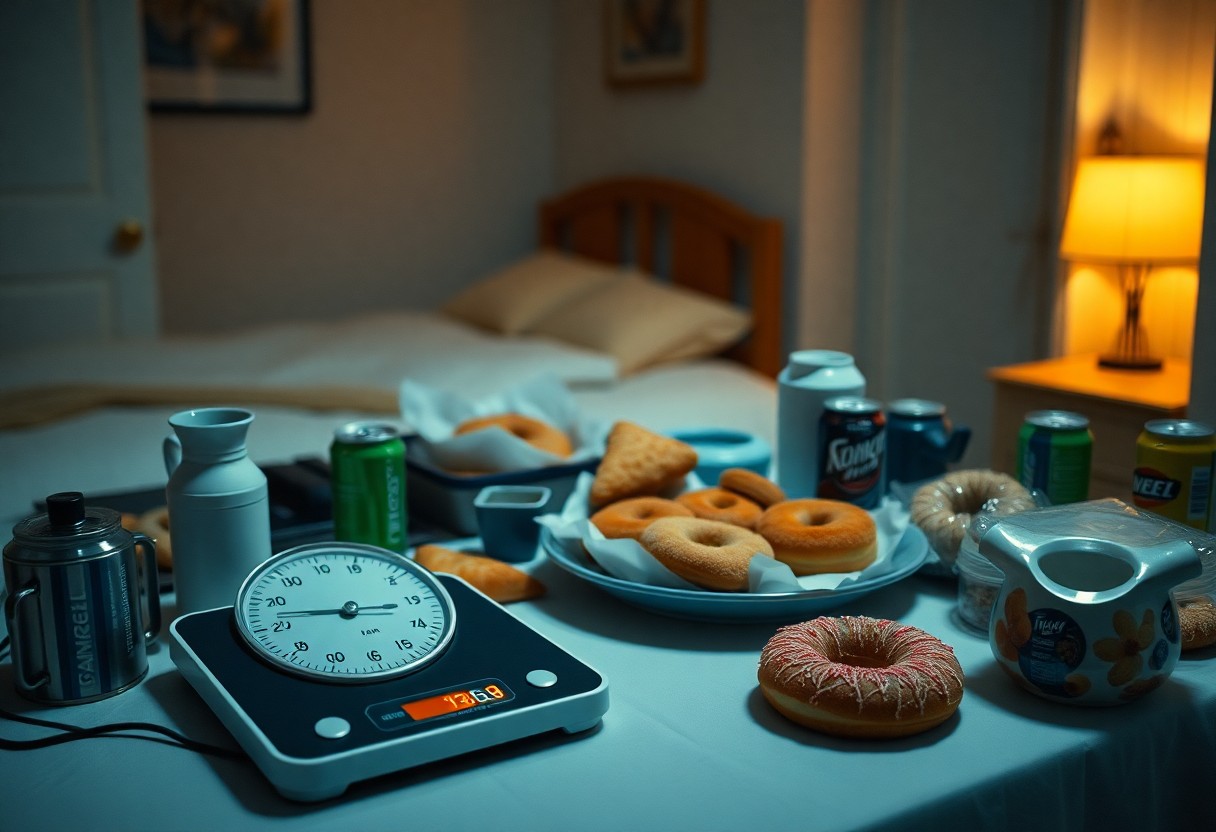
With insufficient sleep, you may find yourself consuming an extra 300 calories the following day. This increase in caloric intake can be attributed to hormonal changes that affect your appetite and cravings. Lack of sleep disrupts the balance of ghrelin and leptin, hormones responsible for hunger and satiety, leading to heightened cravings for unhealthy foods. Understanding the link between sleep and eating habits can empower you to make healthier choices and improve your overall well-being.
Key Takeaways:
- Insufficient sleep is linked to increased appetite and cravings, leading to higher calorie intake.
- Sleep deprivation can disrupt hormones that regulate hunger, such as ghrelin and leptin.
- On average, individuals may consume up to 300 extra calories the day after inadequate sleep.
Understanding Sleep and Its Importance
The Sleep Cycle
The sleep cycle consists of several stages that your body goes through during the night, typically repeating every 90 minutes. These cycles include both light and deep sleep and play important roles in restoring your body and mind. Understanding this cycle helps clarify how interruptions in sleep can negatively impact your overall well-being and calorie regulation.
Sleep Stages and Their Roles
Sleep stages include Rapid Eye Movement (REM) and non-REM stages, each contributing uniquely to your health. Non-REM sleep allows for physical repair and growth, while REM sleep is vital for cognitive functions such as memory consolidation and emotional regulation. Insufficient time spent in these stages disrupts these processes.
During non-REM sleep, your body undergoes restorative processes, such as muscle repair and immune function enhancement. The importance of REM sleep is equally significant; it’s during this stage that your brain consolidates memories and processes information from the day. Lack of either stage can lead to a host of issues, from impaired cognitive performance to hormonal imbalances that can increase hunger and cravings.
Impact of Sleep on Metabolism
Your metabolism fluctuates significantly based on your sleep quality and duration. Insufficient sleep can lead to hormonal imbalances that affect hunger-regulating hormones, often resulting in increased appetite and cravings for high-calorie foods. In turn, this can lead to increased caloric intake and potential weight gain.
[related_posts_banner]When you fail to get adequate sleep, your body may produce more ghrelin, the hunger hormone, while reducing levels of leptin, the hormone that signals fullness. Research indicates that just one night of poor sleep can significantly impact your metabolism, leading to a possible increase of up to 300 calories the following day as your body seeks to compensate for the energy deficits created by inadequate rest. This cycle can contribute to long-term weight gain and metabolic disorders.
How Sleep Deprivation Affects Appetite
Hormonal Changes: Ghrelin and Leptin
Sleep deprivation disrupts your hormonal balance, particularly affecting ghrelin and leptin. Ghrelin, the hormone that stimulates appetite, increases with insufficient sleep, making you feel hungrier. Meanwhile, leptin, which signals satiety, decreases, leading to diminished feelings of fullness. This hormonal shift can result in an increased likelihood of overeating the next day.
Increased Cravings for High-Calorie Foods
Your body compensates for lost sleep by intensifying cravings for high-calorie, sugary, and fatty foods. Research indicates that when you’re sleep-deprived, your brain’s reward system becomes more reactive to the prospect of indulging in these unhealthy options, often overriding your better judgment.
This behavioral response can be attributed to a combination of factors, including energy deficits and the brain’s heightened sensitivity to rewarding stimuli. You may find yourself gravitating toward convenience foods that provide quick energy, which often come in the form of processed snacks and fast food. Consequently, you could easily consume an excess of calories, significantly impacting your overall health and weight management.
Psychological Factors Influencing Eating Behavior
Sleep deprivation also plays a role in your psychological state, influencing your eating behavior. Increased fatigue often leads to emotional eating, where you might turn to food for comfort or a quick boost in energy. Your ability to make mindful food choices may wane, resulting in impulsive eating.
- Increased stress levels can trigger cravings for comfort foods.
- Fatigue can diminish your willpower to resist unhealthy options.
- Thou may find yourself seeking quick energy fixes in the form of high-calorie snacks.
These psychological factors can create a cycle that further worsens your sleep quality and adds to your calorie intake. Emotional responses to stress or exhaustion can often cloud your judgment about food choices, leading to consumption patterns that do not align with your health goals.
- Social and environmental cues can exacerbate poor eating decisions.
- Stress management techniques can help mitigate these cravings.
- Thou can benefit from developing healthier coping strategies to combat emotional eating.
Addressing these psychological aspects is crucial for reestablishing healthy eating habits while improving sleep quality. By becoming more aware of your triggers and developing strategies to cope with them non-food related, you can take significant steps towards reducing calorie consumption and enhancing your overall well-being.
Additionally, the connection between lack of sleep increases unhealthy abdominal fat further highlights the importance of managing both sleep and dietary habits for optimal health.
The Mechanism Behind Increased Calorie Intake
The Brain’s Response to Fatigue
When you’re sleep-deprived, your brain’s ability to process information becomes impaired. This fatigue can lead to poor decision-making, especially regarding food choices. Studies show that tired individuals often opt for high-calorie, sugary foods instead of healthier options, increasing daily calorie intake significantly.
Energy Compensation Theory
Energy Compensation Theory suggests that your body attempts to balance energy deficits caused by insufficient sleep by increasing calorie intake the following day. This biological response is a survival mechanism, urging you to consume more energy-dense foods.
This theory is supported by research showing that individuals who sleep less are more likely to consume additional calories the next day, often driven by cravings for unhealthy fats and sugars. For instance, tests revealed that after a night of inadequate sleep, participants consumed an average of 300 extra calories the following day, demonstrating how your body compensates for lost energy through increased food consumption.
Influence of Sleep Quality on Food Choices
Quality of sleep plays a significant role in your dietary decisions. Poor sleep not only affects how hungry you feel but also influences the types of foods you crave. With inadequate rest, you are more likely to reach for quick energy sources, often leading to unhealthy food selections.
Research indicates that those with disrupted sleep patterns tend to choose carbohydrate-rich and less nutrient-dense foods. This preference can result from hormonal imbalances linked to sleep deprivation, such as increased ghrelin and decreased leptin, which dictate your hunger levels and satiety signals, further steering you towards higher calorie options. For more information, see Can lack of sleep cause weight gain?
Research Studies on Sleep and Caloric Intake
Key Findings from Recent Studies
Recent research indicates that sleep-deprived individuals tend to consume significantly more calories the following day. One study found that participants who averaged less than seven hours of sleep consumed about 300 additional calories, predominantly from high-fat and high-sugar foods. This shift in dietary choices is linked to hormonal imbalances caused by lack of sleep, leading to heightened hunger and cravings.
Longitudinal Research on Sleep Patterns
Longitudinal studies demonstrate a clear association between long-term sleep deprivation and increased caloric intake. Tracking individuals over extended periods reveals that those with chronic sleep issues consistently report higher dietary intake, especially of unhealthy snacks, as their bodies struggle to manage energy balance and cravings.
For instance, one longitudinal study followed thousands of adults over a decade and concluded that insufficient sleep was a significant predictor of weight gain and obesity risk. Participants with chronic sleep deprivation experienced continual fluctuations in appetite hormones, leaving them more susceptible to choosing calorie-dense, less nutritious food options. This pattern not only illustrates the direct consequences of inadequate sleep but also highlights the long-term health implications associated with it.
Experimental Studies on Sleep Deprivation
In controlled experimental settings, researchers have provided direct evidence linking sleep deprivation with increased caloric consumption. Participants who were subjected to sleep restriction not only reported higher hunger levels but also displayed a tendency to choose larger portions during meals.
For example, a well-known study involved participants limited to four hours of sleep per night over several days. The results showed that they consumed an average of 400 extra calories daily compared to their well-rested counterparts. The elevated levels of ghrelin and reduced leptin during sleep deprivation were key findings, demonstrating how sleep disruption can warp your body’s natural hunger signals, pushing you toward overeating and poor dietary choices. This underscores the significant impact of sleep on metabolic functions and appetite regulation.

Practical Implications of Insufficient Sleep
Strategies for Improving Sleep Quality
To enhance your sleep quality, establish a consistent sleep schedule, create a relaxing bedtime routine, and limit exposure to screens before bed. Keeping your sleep environment cool, dark, and quiet can also promote restful sleep. Engage in regular physical activity, but avoid vigorous workouts close to bedtime. Mindfulness practices, such as meditation, can help calm your mind and prepare you for sleep.
Balancing Sleep and Dietary Habits
Your dietary choices directly influence your sleep quality and vice versa. Prioritize whole foods rich in nutrients that support sleep, such as fruits, vegetables, and lean proteins, while minimizing processed foods high in sugars and unhealthy fats. Timing your meals is also vital; avoid heavy meals right before bed to prevent disruptions in your sleep cycle.
Implementing a balanced diet alongside adequate sleep can regulate your appetite, manage cravings, and ultimately help maintain a healthy weight. Incorporating snacks that are high in magnesium or tryptophan can improve sleep, while also ensuring you have sustained energy throughout the day. For deeper insights, refer to How a Lack of Sleep May Increase Calorie Consumption.
The Role of Sleep Hygiene in Weight Management
Sleep hygiene encompasses habits and practices that foster quality sleep. Maintaining a regular sleep schedule, ensuring a restful environment, and avoiding stimulants like caffeine and nicotine close to bedtime can all contribute to improved sleep hygiene. Poor sleep hygiene can lead to weight gain by increasing hunger hormone levels and reducing the hormones that signal satiety.
Practicing good sleep hygiene is an integral part of weight management. For example, creating a sleep-conducive environment can help mitigate late-night snacking triggered by fatigue. When your body gets the rest it needs, your hunger signals function optimally, which can prevent unnecessary weight gain and promote healthier choices throughout your day.

Recommendations for Healthy Sleep and Eating Habits
Establishing a Sleep Routine
Creating a consistent sleep routine helps regulate your body’s internal clock, improving sleep quality. Aim to go to bed and wake up at the same time every day, even on weekends. This practice enhances your body’s natural rhythm, making it easier to fall asleep and wake up refreshed. Incorporating pre-sleep rituals, like reading or taking a warm bath, can signal your body that it’s time to wind down.
Nutritional Strategies to Combat Sleep Deprivation
Your dietary choices can significantly impact your sleep quality. Consuming complex carbohydrates, such as whole grains, can promote better sleep by supporting serotonin production, which aids in relaxation. Foods rich in magnesium, like leafy greens and nuts, may also help relax your muscles and improve sleep. Avoiding caffeine and large meals before bedtime can prevent sleep disturbances.
Incorporating certain nutrients can optimize your sleep patterns. Omega-3 fatty acids found in fish and antioxidants in fruits like cherries may enhance melatonin production, further supporting restful sleep. Research indicates that eating a small snack high in carbohydrates before bedtime can expedite the onset of sleep. Therefore, combining foods like whole grain toast with a slice of turkey or yogurt can create the perfect pre-sleep snack.
Mindfulness and Stress Management Techniques
Practicing mindfulness and stress management techniques plays a vital role in improving sleep and regulating appetite. Activities such as deep breathing, meditation, or yoga can lower stress levels and ease your mind before bed. Engaging in these practices can help you feel more centered, making it easier to drift into a restorative sleep cycle.
Mindfulness techniques not only enhance sleep quality, but they also influence your food choices the following day. When you’re more aware and present, you’re less likely to engage in mindless eating or reach for unhealthy comfort foods. Research supports that those who practice mindfulness regularly report lower stress levels and a more balanced relationship with food, ultimately contributing to better sleep and less caloric intake.
Conclusion
The relationship between insufficient sleep and increased calorie intake is significant, as studies indicate that your body may consume up to 300 extra calories the following day when you don’t get enough rest. This phenomenon can lead to weight gain and disrupt your overall health. By prioritizing quality sleep, you can better regulate your appetite and make healthier food choices, ultimately supporting your fitness and wellness goals.
FAQ
Q: How does insufficient sleep influence hunger hormones?
A: Lack of sleep affects the balance of hormones that regulate appetite. Ghrelin, which stimulates hunger, increases, while leptin, which signals fullness, decreases. This imbalance leads to increased cravings and a higher likelihood of consuming more calories.
Q: What is the impact of sleep deprivation on food cravings?
A: Sleep deprivation tends to increase cravings for high-calorie, carbohydrate-rich foods. The brain’s reward centers become more reactive to these food stimuli, prompting individuals to seek out and consume more calorie-dense meals the following day.
Q: Can insufficient sleep affect food choices, and how?
A: Yes, insufficient sleep can result in poorer food choices. Sleep-deprived individuals may opt for convenience foods that are often higher in calories and lower in nutritional value. This leads to consuming an additional 300 calories or more the next day.