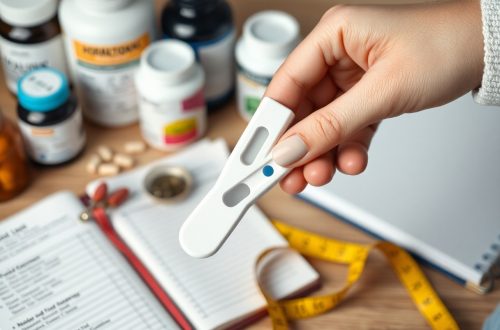
There’s a common yet often frustrating phenomenon that many women experience: weight gain right before your period. This temporary increase on the scale can be attributed to hormonal fluctuations, water retention, and changes in appetite. Understanding the science behind your body’s adjustments can empower you to manage these changes effectively. In this post, you will learn about the causes of this weight gain and discover practical strategies to alleviate its effects, helping you feel more balanced and in control during your menstrual cycle.
Key Takeaways:
- Hormonal fluctuations, particularly increased progesterone, can lead to water retention and temporary weight gain before menstruation.
- Cravings for high-calorie foods and changes in metabolism may contribute to increased calorie intake during this time.
- Staying hydrated, maintaining a balanced diet, and managing stress can help mitigate premenstrual weight gain.

Understanding the Menstrual Cycle
Phases of the Menstrual Cycle
The menstrual cycle consists of four key phases: the menstrual phase, follicular phase, ovulation, and luteal phase. The cycle begins with menstruation, marking the shedding of the uterine lining. Following this, the follicular phase prepares the ovary to release an egg. Ovulation occurs around the midpoint when the egg is released. Finally, the luteal phase sees the body preparing for a potential pregnancy, where hormone levels fluctuate significantly.
Hormonal Changes and Their Impact
Your body undergoes significant hormonal changes throughout the menstrual cycle, primarily involving estrogen and progesterone. In the luteal phase, increased progesterone can lead to symptoms like mood swings and cravings, and it also triggers water retention, contributing to temporary weight gain.
This increase in progesterone is part of your body’s preparation for a possible pregnancy. Elevated levels promote changes in body fluid balance and increase appetite. Studies have shown that hormonal imbalances can also affect metabolism and fat storage, making you more susceptible to weight fluctuations as your cycle progresses.
Body’s Response to Hormonal Fluctuations
<pYour body's response to hormonal fluctuations can manifest in various ways, including changes in hunger and shifts in energy levels. These responses are often dictated by how your menstrual cycle interacts with your metabolic processes.
[related_posts_banner]<pFor instance, during the luteal phase, you may find yourself feeling hungrier and more fatigued as your body retains excess water and adjusts to higher hormone levels. This response is biologically driven, preparing your body for potential pregnancy. As such, you might experience cravings for high-calorie foods, creating a cycle where weight gain can seem unavoidable before your period. Understanding these changes empowers you to manage your eating habits and stay active during this time.
The Connection Between Menstruation and Weight Gain
Water Retention During the Luteal Phase
During the luteal phase of your menstrual cycle, hormonal changes, particularly the rise in progesterone, can lead to water retention. This bloating often results in a temporary increase in weight, which might be noticeable as your body holds onto extra fluid in preparation for a potential pregnancy.
Increased Appetite and Cravings
The week before your period, you may find your appetite significantly increases. This surge is influenced by hormonal shifts, leading to stronger cravings for carbohydrates and sugary foods, potentially resulting in overeating and, consequently, weight gain.
You might feel an insatiable urge to snack, especially on high-calorie comfort foods. This can be attributed to fluctuations in estrogen and progesterone, which impact the body’s hunger hormones. Research suggests that many women experience a marked increase in cravings during the luteal phase, which can lead to unintentional calorie surpluses and emotional eating, perpetuating a cycle of weight gain before menstruation.
Insulin Sensitivity Changes
In the luteal phase, your insulin sensitivity decreases, making it harder for your body to manage blood sugar levels. As a result, you might experience spikes and crashes in energy, prompting you to seek quick sources of energy, often in the form of high-sugar foods.
This decrease in insulin sensitivity can lead to difficulty in metabolizing carbohydrates effectively. Consequently, your body may store more fat during this phase, adding to the weight gain you experience right before your period. Awareness of these fluctuations can help you make more informed dietary choices during this time to mitigate unwanted weight changes.
Effect of Stress Hormones
The rise in stress hormones, such as cortisol, can be pronounced during the premenstrual phase. Higher cortisol levels can lead to increased fat storage, particularly in the abdominal area, contributing to premenstrual weight gain.
When you experience stress during this period, your body may react by increasing cortisol production, which not only affects your mood but also disrupts your metabolism. Elevated cortisol can trigger cravings for high-caloric foods and may lead to emotional eating. Understanding this connection allows you to develop strategies, such as stress management techniques, to help regulate your weight before your period.
Symptoms Associated with Pre-Menstrual Weight Gain
Bloating
Bloating is among the most common symptoms you may experience before your period, resulting from hormonal changes that cause your body to retain more water. As estrogen levels rise, they can lead to gut sensitivity and increased gas production, making you feel uncomfortable and puffy. This sensation can make your clothes feel tighter and contribute to an overall feeling of heaviness.
Mood Swings
Mood swings are another symptom tied to pre-menstrual weight gain, resulting from hormonal fluctuations, particularly estrogen and progesterone. These hormonal shifts can impact neurotransmitters like serotonin. You might find yourself more irritable, anxious, or emotional, which can interfere with your daily activities and relationships.
The psychological changes from these mood swings can vary significantly, affecting some women more than others. You might feel elated one minute and frustrated the next, often without a clear reason. Such emotional volatility can lead to more intense reactions to stressors and also exacerbate feelings of self-consciousness about body image as you experience physical changes.
Fatigue
Fatigue is a common issue during the pre-menstrual phase, making you feel drained and less energetic. Hormonal shifts, particularly an increase in progesterone, can lead to sleep disturbances, decreased motivation, and an overall lethargic feeling. These symptoms may hinder your usual productivity or workout routines, adding to the frustration of pre-menstrual weight gain.
This fatigue can be compounded by other symptoms, such as bloating and mood swings. The combination may lead you to over-rely on caffeine or sugar, creating a cycle of energy spikes and crashes. Engaging in light exercise and maintaining a balanced diet can help combat this fatigue and improve your energy levels during this time.
Breast Tenderness
Breast tenderness often occurs as your body prepares for menstruation, influenced by hormonal changes. Increased estrogen and progesterone can lead to swelling and sensitivity in breast tissue, which can be uncomfortable. You may notice that your bras fit more snugly and there is heightened sensitivity during this phase.
This tenderness results from changes in breast tissue composition and fluid retention. For some, the discomfort can become so pronounced that it interferes with daily activities. Wearing a well-fitted bra, using warm compresses, or reducing caffeine intake may alleviate some of this discomfort. Understanding this symptom can help you manage it better and alleviate the anxious feelings related to physical changes.

Strategies to Manage Weight Gain Before Your Period
Dietary Adjustments
To counter weight gain before your period, focus on a balanced diet rich in whole foods. Reduce sodium intake to minimize water retention and include potassium-rich foods, such as bananas and spinach, to help manage bloating. Hydration is key—aim for plenty of water to flush out excess salt. Also, consider decreasing refined carbs and sugars which can exacerbate cravings and mood swings during this time.
Physical Activity Recommendations
Regular physical activity can help alleviate bloating and mood swings associated with premenstrual syndrome (PMS). Aim for at least 150 minutes of moderate-intensity aerobic activity each week. Activities like walking, cycling, or yoga can be particularly effective for relieving tension and promoting overall well-being.
Incorporating strength training into your routine can enhance muscle tone and increase metabolism, helping you manage weight more effectively during this phase of your cycle. Even short bouts of exercise, like a 10-minute walk, can help reduce discomfort and boost endorphins, which may counteract mood fluctuations and cravings.
Stress Management Techniques
Managing stress is vital when navigating weight changes before your period. Practices such as mindfulness meditation, deep breathing exercises, or journaling can help you stay centered and reduce emotional eating driven by stress. Allocate time for relaxation activities that bring you joy, whether it’s reading, painting, or spending time with loved ones.
Engaging in these stress management techniques can significantly impact your overall emotional well-being, making it easier to resist the urge to indulge in unhealthy snacks or sedentary behavior during this time. Consider integrating these strategies into your daily routine to help create a more balanced approach to your health leading up to your period. For more on this topic, check out Why You Might Gain Weight Around Your Period.
When to Consult a Healthcare Professional
Identifying Severity of Symptoms
If you experience significant or persistent weight gain before your period, consider evaluating the severity of your symptoms. Pay attention to whether the weight gain is accompanied by other distressing symptoms such as severe bloating, pain, or mood swings that interfere with your daily activities. Tracking these changes over a few cycles can help you communicate effectively with a healthcare provider.
Potential Underlying Conditions
Weight gain linked to your menstrual cycle may also signal potential underlying conditions. Hormonal imbalances, such as polycystic ovary syndrome (PCOS) or thyroid disorders, can affect your weight and overall health. Awareness of these conditions can lead to timely interventions and management.
For instance, PCOS affects up to 10% of women of reproductive age and can cause weight gain, irregular periods, and insulin resistance. Hypothyroidism can result in weight gain, fatigue, and mood changes. Identifying these health issues is crucial for effective treatment.
Importance of Professional Guidance
Seeking guidance from a healthcare professional can offer personalized strategies and pinpoint any underlying health issues contributing to your weight changes. A healthcare provider can help you navigate symptoms and establish an effective management plan tailored to your needs.
Professional advice often includes a thorough evaluation, which can lead to specific testing for hormonal levels or metabolic functions. This tailored approach ensures you receive appropriate support that addresses both weight management and overall reproductive health. For more insights on weight fluctuations related to your menstrual cycle, visit Why do women gain weight irregularly before and after ….

Common Myths About Menstruation and Weight Gain
All Weight Gain is Permanent
It’s a common belief that any weight gained before or during your period will stick around permanently. However, this fluctuating weight is typically temporary, often due to hormonal changes and fluid retention. Once your cycle normalizes, you may return to your usual weight without significant effort.
You Shouldn’t Exercise During Your Period
Many people think that exercising during your period is unwise, but in reality, light to moderate activity can alleviate cramps and boost your mood. Engaging in physical activities can actually help reduce bloating and discomfort often felt during your menstrual cycle.
Moreover, studies suggest that exercise can promote endorphin release, improving your overall sense of well-being. Whether it’s yoga, walking, or low-impact workouts, staying active can provide both psychological and physical benefits, making your period more manageable.
Dieting Will Solve Menstrual Weight Gain
Some might assume that strict dieting will eliminate the weight gain associated with your period. However, focusing solely on calorie restriction can be counterproductive, as it may lead to a cycle of deprivation and overeating. Instead, maintaining a balanced approach is key.
Addressing menstrual weight gain requires an understanding that hormonal fluctuations play a significant role. Rather than restricting your diet, focus on nourishing your body with whole foods, hydration, and appropriate nutrients. For insights on the reasons behind weight changes during your period, check out 7 Reasons You Might Gain Weight During Your Period.
Final Words
The weight gain you experience right before your period is typically due to hormonal fluctuations, including water retention and increased appetite. Understanding these changes can help you manage your body more effectively. To cope, focus on maintaining a balanced diet, staying hydrated, and incorporating regular exercise into your routine. By doing so, you can mitigate some of the physical discomfort and emotional stress associated with this time of the month, allowing you to feel more in control of your body and wellbeing.
FAQ
Q: Why do I gain weight right before my period?
A: Weight gain before your period is often due to hormonal changes, particularly fluctuations in estrogen and progesterone. These hormones can lead to water retention, increased appetite, and changes in metabolism, causing temporary weight gain.
Q: How much weight can I expect to gain before my period?
A: The amount of weight gained can vary from person to person, but it’s typically between 1 to 5 pounds. This weight is generally water weight and will fluctuate as your cycle progresses.
Q: What can I do to manage weight gain before my period?
A: To manage premenstrual weight gain, consider staying hydrated, reducing salt intake to minimize water retention, maintaining a balanced diet, and exercising regularly. Tracking your cycle can also help you anticipate changes and adjust accordingly.