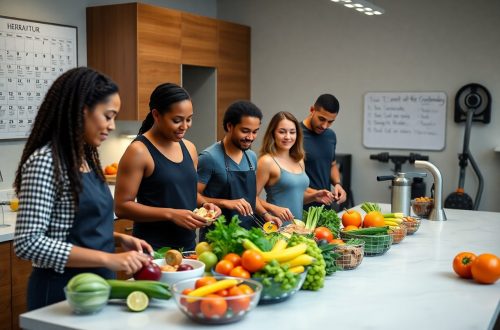
Just working from home can make it tempting to snack throughout the day, often leading to unwanted weight gain and unhealthy eating habits. To regain control over your eating patterns, you need effective strategies that help you resist those pesky cravings. In this post, you will discover practical tips tailored to your home environment, empowering you to stay focused and nourish your body without the extra snacks. You can take charge of your diet and enhance your productivity by implementing these simple changes.
Key Takeaways:
- Establish a structured meal schedule to create a clear distinction between eating times.
- Keep healthy snacks out of easy reach to reduce temptation and mindless eating.
- Incorporate regular breaks and physical activity to distract from cravings and manage energy levels.
Understanding Snacking Triggers
Emotional Triggers
Emotional triggers often lead you to snack out of boredom, stress, or anxiety. When working from home, it’s common to reach for food as a way to cope with negative feelings or to fill a void during monotonous tasks. Recognizing these emotional cues can help you manage your choices and find healthier alternatives to address your feelings.
Environmental Triggers
Your environment significantly influences your snacking behavior. If your workspace is close to the kitchen or stocked with tempting snacks, you’re more likely to indulge between meals. By being aware of these external cues, you can modify your surroundings to reduce the temptation to snack on unhealthy options.
For instance, consider relocating your workspace away from easily accessible snacks or keeping your kitchen off-limits during work hours. Creating physical barriers can help diminish the lure of unhealthy foods and encourage you to stay focused on your tasks.
Habitual Triggers
Habitual triggers are ingrained patterns that lead you to snack at specific times or during certain activities. For example, you may find yourself reaching for chips while watching a favorite show or browsing the internet. These habits can easily become routine, reinforcing your urge to snack even when you’re not hungry.
To break these habits, try replacing the action that triggers your snacking. If you usually snack while working, switch to drinking water or herbal tea. This simple substitution can create a new, healthier habit while still allowing you to enjoy your activities without the added calories.
[related_posts_banner]Setting Up a Healthy Work Environment
Organizing Your Workspace
To minimize distractions and reduce the urge to snack, organize your workspace to support productivity. Keep your desk clutter-free and allocate specific areas for different tasks. Use storage solutions to maintain an orderly environment and consider a plant or two for a touch of greenery that can boost your mood and concentration.
Keeping Healthy Snacks Accessible
Stock your workspace with healthy snacks that are easy to grab. This can include nuts, fruits, or yogurt, which not only satisfy hunger but also provide nutritional benefits. Invest in small containers to portion these snacks and place them within arm’s reach, encouraging healthier choices throughout your workday.
Having quick access to healthy snacks makes it easier to bypass less nutritious options, reinforcing positive eating habits. Set aside a time each week to replenish your snack supply, ensuring you have a good variety at your disposal. Consider snacks that require minimal preparation, so the process of choosing a healthy option doesn’t add to your workload.
Avoiding Temptation Zones
Identify areas in your home where unhealthy snacks are typically stored, and either remove them or limit your access. By avoiding these temptation zones, you can reduce impulsive snacking and make healthier decisions. Store less nutritious options in out-of-sight locations, which decreases the chances of mindless eating.
Understanding your environment’s influence on your snacking habits can be powerful. If you notice that you consistently reach for snacks while working near your pantry, consider relocating your workspace. Position yourself away from tempting areas or implement barriers, such as keeping pantry doors closed or using opaque containers for junk food, to diminish visual triggers that prompt snacking. Taking these steps can help you stay focused on work instead of food.

Planning Your Meals Effectively
Meal Preparation Tips
Effective meal preparation can drastically reduce the temptation to snack. Start by setting aside a couple of hours each week to prepare nutritious options. Consider these approaches:
- Batch cook grains and proteins to mix throughout the week.
- Pre-chop vegetables and store them in the fridge for easy access.
- Pack meals in portioned containers for grab-and-go convenience.
- Incorporate a variety of flavors and colors to keep meals exciting.
This strategy not only saves time but also helps you stay on track with your dietary goals.
Balanced Meal Composition
Creating balanced meals is key to feeling satisfied and less inclined to snack later. Aim for meals that include a mix of lean proteins, healthy fats, and fiber-rich carbohydrates. Incorporating all three components ensures sustained energy levels and satiety, which are imperative when working from home.
Timing Your Meals
Proper meal timing can play an integral role in reducing the urge to snack. By establishing set mealtimes throughout your workday, you train your body to expect nourishment at regular intervals. This consistency can help regulate your hunger signals and make it easier to resist impulse snacking.
Establishing a routine with meals every 3-4 hours allows for optimal digestion and energy management. By spacing out meals appropriately, you can avoid getting too hungry, which often leads to cravings and poor food choices.
Mindfulness Techniques to Curb Snacking
Practicing Mindful Eating
Mindful eating involves focusing entirely on the experience of eating, allowing you to appreciate flavors and textures while recognizing physical hunger signals. When you eat slowly and without distractions, you’re more likely to notice when you’re satisfied, reducing the likelihood of unnecessary snacking. Try to allocate specific times for meals, savor each bite, and pay attention to bodily cues that indicate fullness.
Recognizing Hunger vs. Cravings
Understanding the difference between genuine hunger and emotional cravings is fundamental in curbing snacking. Hunger is a physical sensation, whereas cravings often arise from boredom, stress, or habit. By identifying these triggers, you can navigate your eating habits more effectively—distinguishing when you truly need food versus when you seek comfort through snacks.
To effectively recognize hunger versus cravings, ask yourself if you’re experiencing physical signs of hunger, such as a growling stomach or low energy. Emotional triggers may manifest as a desire to snack due to stress or fatigue rather than an actual need for sustenance. Keeping a food journal can also help track these feelings, making it easier to distinguish between the two over time.
Breathing Exercises to Reduce Stress
Stress can often lead to mindless snacking; therefore, incorporating breathing exercises can help you manage those impulses. Deep breathing techniques—such as inhaling deeply for four counts, holding for four, and exhaling for four—can instantly calm your mind, allowing you to refocus before reaching for snacks. Practicing this regularly can help lower overall stress levels, diminishing food cravings associated with anxiety.
Integrating breathing exercises into your routine can be powerful in reducing the urge to snack. When you feel a craving arise, take a moment to step away from your workspace, close your eyes, and perform a few deep breathing cycles. This not only helps clear your mind but also refocuses your thoughts on the present moment, allowing for better control over impulsive eating behaviors.

Staying Hydrated
Importance of Water Intake
Maintaining sufficient water intake is necessary for managing cravings. When you’re well-hydrated, your body efficiently regulates hunger signals, reducing the chance of unnecessary snacking. Aim for about 2 liters of water daily, as proper hydration can stave off feelings of hunger that might be simply thirst in disguise.
Hydration Hacks for Remote Workers
To incorporate hydration into your work-from-home routine, place a water bottle on your desk. Fill it regularly and track your consumption throughout the day. Set reminders or alarms to drink at designated intervals, making it a habit that complements your workday.
You could also use apps to monitor your hydration goals, which can provide motivation and accountability. Experiment with flavors by adding slices of lemon or cucumber to your water. This small change can make drinking water more enjoyable, encouraging you to reach for it instead of snacks.
Alternative Hydration Options (Herbal Teas, etc.)
Herbal teas can also be a satisfying way to stay hydrated, especially if you need something with flavor. They offer various health benefits without added calories and can be enjoyed hot or cold, making them versatile for any time of day.
Options such as chamomile or peppermint can provide soothing effects while keeping you hydrated. Additionally, consider caffeine-free teas if you’re sensitive to caffeine. You might find your hydration needs met in a warm mug, minimizing the urge to snack out of boredom. Explore herbal tea varieties to find your favorites, enhancing your hydration routine without added calories.
For more strategies, check out this thread: How do you stop yourself from “bored eating” when …
Creating a Structured Daily Routine
Scheduling Breaks Wisely
To reduce the temptation to snack, schedule your breaks at regular intervals throughout the day. Setting a timer can help you stick to this routine, allowing you to step away from your work without indulging in mindless munching. During these breaks, consider engaging in activities that distract from food, such as taking a short walk or practicing a quick stretching routine.
Setting Specific Work Hours
Define your work hours clearly to maintain a professional mindset. Designating specific times for work helps create boundaries between your professional and personal life, which can diminish the urge to snack aimlessly throughout the day. By committing to start and finish your work at the same time daily, you’ll foster a sense of structure that encourages focus and productivity.
Establishing specific work hours is more than just setting a start and end time; it creates a rhythm for your day. Consider using this time to plan meals and snacks outside of work hours, making it easier to resist cravings while you focus on your tasks. This structured approach can lead to more effective time management and less impulsive eating.
Incorporating Physical Activity
Integrate physical activity into your daily routine to combat the urge to snack. Regular exercise not only boosts your energy levels but also helps regulate your appetite. Try short exercise breaks during your workday or schedule longer sessions before or after work to maintain a healthy lifestyle and keep cravings at bay.
Incorporating physical activity can be simple and enjoyable. Aim for a mix of cardiovascular exercises, strength training, or even just walking during your breaks. Studies show that even brief bursts of activity can enhance mood and reduce stress, lowering the likelihood of reaching for snacks. For more strategies, check out the Tips to avoid overeating while working from home.

Tips for Staying Motivated
- Keep a food journal to track your eating habits and identify triggers.
- Evaluate your snack alternatives and replace unhealthy options with healthier choices.
- Set specific times for meals to help structure your eating schedule.
- Take regular breaks to engage in physical activity, which can distract from cravings.
- Find an accountability partner to share your goals with.
Assume that maintaining motivation requires consistent effort and self-awareness. For more insights, check out these 7 Tips for Healthy Eating While Working from Home.
Building a Support System
Creating a network of support can significantly impact your ability to avoid snacking. Share your goals with friends, family, or colleagues who can encourage you and hold you accountable. Regular check-ins can help maintain focus and remind you of your objectives.
Setting Realistic Goals
Establish tangible, achievable goals to prevent feelings of frustration. Start by setting small targets, like reducing your snack intake by one item per week or swapping out high-calorie snacks for healthier options. Gradual changes make it easier to adapt and remain committed.
It’s important to celebrate small victories while still striving for progress. By focusing on achievable targets, you’re more likely to maintain motivation without feeling overwhelmed. Breaking down larger goals into smaller milestones allows for frequent assessment of your strategies and adjustments as necessary.
Rewarding Yourself
Incentivizing your successes can be a powerful motivator. Plan rewards for hitting your goals—whether it’s a favorite activity, a new book, or a relaxing evening. Rewards serve as positive reinforcement, reinforcing your commitment to healthier habits.
Select rewards that align with your health journey. Instead of indulgent treats, consider non-food rewards, such as a spa day, a new workout outfit, or an hour of guilt-free relaxation time. This keeps you motivated while ensuring your progress is meaningful and sustainable.
Final Words
Considering all points, establishing structured meal times and managing your environment play significant roles in curbing snacking while working from home. You can reduce temptation by keeping unhealthy snacks out of reach and filling your kitchen with nutritious options. Staying hydrated can also help to distinguish between hunger and thirst. Incorporate mindful eating practices, and engage in brief physical activities during breaks to maintain focus. By applying these strategies consistently, you’ll gain greater control over your snacking habits and contribute to a healthier lifestyle.
FAQ
Q: What strategies can I implement to curb snacking while working from home?
A: To reduce snacking, try setting specific meal times and stick to them. Keep healthy snacks accessible but limit them in quantity. Furthermore, consider drinking water or herbal tea when you feel the urge to snack; this can help you stay hydrated and may diminish cravings.
Q: How can I manage stress eating during remote work?
A: Identify triggers that lead to stress eating, such as workload pressure. Replace eating with alternative stress-relief methods, like short breaks for stretching or deep breathing exercises. Keeping your workspace tidy and organized can also help reduce stress levels.
Q: What role does meal planning play in minimizing snacking?
A: Meal planning helps ensure that you have balanced meals throughout the day, reducing the temptation to snack. Prepare meals that are rich in fiber and protein to keep you fuller for longer. Having a structured eating schedule will also limit the chances of mindless snacking.