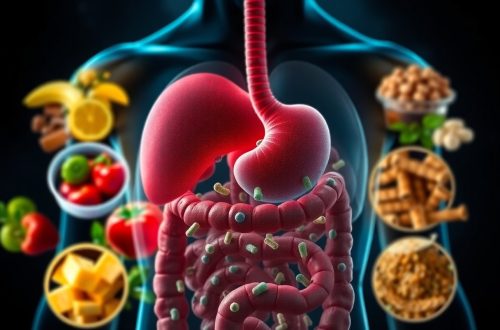
Most people seeking effective weight loss strategies can benefit from understanding the role of fiber in a plant-based diet. Incorporating more fiber into your meals can enhance your weight loss journey by keeping you full longer, regulating your digestion, and promoting overall health. This post will explore how fiber supports your weight loss efforts, the best plant-based sources of fiber, and practical tips for integrating fiber into your daily nutrition. By understanding these key aspects, you can make informed choices that align with your weight management goals.
Key Takeaways:
- Fiber aids in digestion and helps you feel full, reducing overall calorie intake.
- Plant-based foods are typically high in fiber, making them effective for weight loss.
- Incorporating a variety of fiber-rich foods can improve overall health and support weight management.
What is Fiber?
Fiber is a type of carbohydrate found in plant-based foods that your body cannot digest. Unlike other carbs that break down into sugar molecules, fiber passes through your digestive system relatively intact. It comes from fruits, vegetables, whole grains, legumes, nuts, and seeds. Including fiber in your diet is vital for maintaining healthy digestion and regulating blood sugar levels.
Types of Fiber
There are two main types of fiber: soluble and insoluble. Soluble fiber draws water into the intestines, forming a gel-like substance that slows digestion. Insoluble fiber adds bulk to stool and helps food move through your digestive tract. Both types are important for maintaining optimal gut health.
- Soluble Fiber: Found in oats, barley, and fruits.
- Insoluble Fiber: Found in whole grains, nuts, and vegetables.
- Fermentable Fiber: Feeds beneficial gut bacteria.
- Functional Fiber: Added to foods for health benefits.
- This combination supports digestive health.
| Type of Fiber | Examples |
| Soluble Fiber | Oats, apples, beans |
| Insoluble Fiber | Whole grains, carrots, broccoli |
| Fermentable Fiber | Chicory root, inulin |
| Functional Fiber | Added to processed foods |
| Water-Soluble Fiber | Psyllium, flaxseed |
Benefits of Fiber
Including fiber in your diet offers numerous benefits for weight loss and overall health. It helps you feel full for longer periods, reducing the likelihood of overeating. Fiber consumption is linked to a lower risk of chronic diseases such as heart disease and diabetes. Additionally, it aids in maintaining a healthy gut and supports regular bowel movements.
Fiber’s role in weight management is significant. Studies show that diets rich in fiber can lead to greater weight loss and improved body composition. The increased satiety from high-fiber foods means you consume fewer calories while still feeling satisfied. Furthermore, fiber slows digestion, leading to a more gradual release of energy. This balance helps keep your blood sugar levels steady and reduces cravings for unhealthy snacks. By incorporating a variety of fiber-rich foods into your meals, you support your weight loss journey effectively.

How Fiber Aids in Weight Loss
Fiber plays a significant role in weight loss by enhancing your body’s natural processes. It helps you feel full longer, reducing the urge to snack between meals. Fiber-rich foods, such as fruits, vegetables, and whole grains, can also lower your overall calorie intake. For more insights, check out this article on the Benefits Of Fiber-Rich Foods For Weight Loss.
Increasing Satiety
Consuming fiber increases satiety, which helps you feel full after meals. Foods rich in fiber expand in your stomach, triggering your brain’s fullness signals. This makes it easier to stick to your portion sizes, leading to less overall food consumption.
Reducing Calorie Intake
Fiber can significantly impact your calorie intake. When you include high-fiber foods in your meals, they take longer to digest, slowing the release of glucose into your bloodstream. This steady energy level keeps hunger at bay and can prevent overeating later in the day. Additionally, foods high in fiber often require more chewing, which can extend meal times and give your body more time to register fullness.

The Importance of a Plant-Based Diet
A plant-based diet offers numerous advantages that extend beyond weight loss. It promotes better heart health, improved digestion, and lower disease risk. By incorporating a variety of fruits, vegetables, whole grains, and legumes, you nourish your body with imperative vitamins and minerals. This diet not only supports effective weight management but also enhances your overall well-being, making daily activities more enjoyable and energetic.
Nutritional Benefits
Plant-based diets provide abundant nutritional benefits, including higher fiber intake, lower saturated fats, and richer antioxidant properties. These components contribute to better health by reducing inflammation, supporting gut health, and improving metabolic functions. You can also enjoy a wider variety of nutrients, such as vitamins C and K, folate, and potassium, which play critical roles in bodily functions.
Fiber-Rich Plant Foods
Fiber-rich plant foods form the backbone of a healthy diet, aiding digestion and promoting satiety. Foods such as beans, lentils, whole grains, and fresh fruits and vegetables offer significant fiber content. Including these foods in your meals ensures you meet your daily fiber needs, which can lead to enhanced weight loss results and better overall health.
Legumes like chickpeas and black beans pack impressive fiber levels, with about 15 grams per cooked cup. Whole grains such as quinoa and brown rice provide around 5 grams of fiber per cooked cup. Fruits like avocados and pears not only add flavor but also deliver 9 and 5 grams of fiber per serving, respectively. Vegetables like broccoli and Brussels sprouts contribute about 5 grams of fiber per cup. By filling your plate with these fiber-rich options, you manage hunger better, keep your digestion regular, and support your weight loss journey more effectively.
Tips for Incorporating More Fiber
Boosting your fiber intake can be simple and enjoyable. Start by including high-fiber foods in every meal; choose whole grains, legumes, fruits, and vegetables. Consider these tips:
- Replace white bread with whole grain options.
- Add beans to salads, soups, or stews.
- Snack on fruits like apples or pears with the skin on.
- Gradually introduce fiber-rich foods to avoid digestive discomfort.
Thou shall find that small changes can lead to significant dietary improvements. For further insights, explore the role of fiber in modulating plant protein-induced ….
Gradual Integration
Integrating fiber into your diet should be a gradual process. Sudden increases in fiber can cause bloating or discomfort. Start with a small amount and slowly add more high-fiber foods over the weeks. This approach allows your digestive system to adjust and can enhance your overall comfort.
Delicious High-Fiber Recipes
Creating high-fiber meals can be both fun and flavorful. Simple recipes can include quinoa bowls, lentil salads, or smoothies loaded with greens and seeds. These dishes not only taste great but also pack a fiber punch that helps keep you full and satisfied.
Here are some specific high-fiber recipes to try: a black bean and corn salad tossed with avocado and lime; a hearty vegetable soup loaded with lentils and fresh greens; or overnight oats topped with chia seeds and berries. Each of these meals brings an enjoyable way to increase your fiber intake while providing important nutrients.
Overcoming Common Challenges
Embarking on a plant-based weight loss journey presents unique challenges. You may face obstacles such as digestive issues or difficulties in balancing your fiber intake. Tackling these concerns effectively is key to ensuring a seamless transition to a fiber-rich diet and achieving your health goals.
Digestive Issues
Increased fiber intake can lead to digestive discomfort, including bloating and gas. Starting with a small amount of fiber and gradually increasing your intake allows your digestive system to adjust. Foods like beans and lentils are high in fiber but may require gradual introduction to avoid discomfort.
Balancing Fiber Intake
Finding the right balance of fiber is imperative for your health. Too much fiber too quickly can overwhelm your digestive system, while too little can hinder weight loss efforts. Aim for a daily intake of 25 to 30 grams from a variety of sources like fruits, vegetables, whole grains, and legumes. Monitoring your body’s responses will help you adjust your portions effectively.
Balancing fiber intake means gradually incorporating high-fiber foods into your meals. Start with one high-fiber option at each meal—like adding chia seeds to your smoothie or choosing whole grain bread. Over time, you can increase portions and variety, allowing your digestive system to adjust. Stay hydrated to aid digestion and help fiber perform its role effectively. Tracking your daily intake will ensure you meet your fiber goals without discomfort, leading to a healthier and more satisfying weight loss experience.
The Science Behind Fiber and Weight Loss
Fiber plays a significant role in weight loss by increasing your feeling of fullness and reducing overall calorie intake. It slows digestion and regulates blood sugar, which helps control hunger and cravings. Studies highlighted in The Importance of Dietary Fiber for Metabolic Health – PMC suggest that higher fiber consumption is linked to lower body weight and fat levels.
Research Studies
Research indicates a strong link between fiber intake and weight loss. A study found that participants consuming more soluble fiber experienced greater weight loss compared to those with lower fiber intake. This fiber helps move food through your digestive system, enhancing weight management.
Expert Opinions
Experts stress the importance of incorporating a variety of fiber-rich plant foods into your diet for effective weight loss. Nutritionists often recommend targeting 25-30 grams of fiber daily. They highlight that not all fibers are equal; soluble fiber can be particularly beneficial for curbing appetite.
Nutritionists advocate for a balanced intake of both soluble and insoluble fiber. Soluble fiber, found in foods like oats and beans, absorbs water, forming a gel that slows digestion. This can lead to increased satiety and reduced overall calorie intake, which aligns with your weight loss goals. Incorporating a diverse range of fruits, vegetables, whole grains, and legumes ensures you experience the full benefits of fiber in your diet.
Conclusion
With these considerations, you can see how fiber plays a vital role in your plant-based weight loss journey. Increasing your fiber intake helps you feel fuller longer, supports healthy digestion, and balances blood sugar levels. Incorporating a variety of fiber-rich foods into your meals not only aids in weight management but also contributes to your overall health. By making mindful choices and prioritizing whole, plant-based foods, you set yourself up for sustainable weight loss and improved well-being.
FAQ
Q: What role does fiber play in weight loss for a plant-based diet?
A: Fiber helps with weight loss by keeping you full longer. It slows down digestion, meaning you feel satisfied without eating too much. Foods high in fiber, like fruits, vegetables, and whole grains, can help you control your appetite.
Q: How much fiber should I include in my plant-based diet for effective weight loss?
A: Aim for at least 25-30 grams of fiber each day. This can come from various sources, such as beans, lentils, fruits, and vegetables. Gradually increase your intake to avoid digestive discomfort.
Q: Can fiber help with other health benefits besides weight loss?
A: Yes, fiber supports digestive health and can lower cholesterol levels. It also helps stabilize blood sugar and may reduce the risk of certain diseases. Including fiber in your diet promotes overall well-being, not just weight loss.