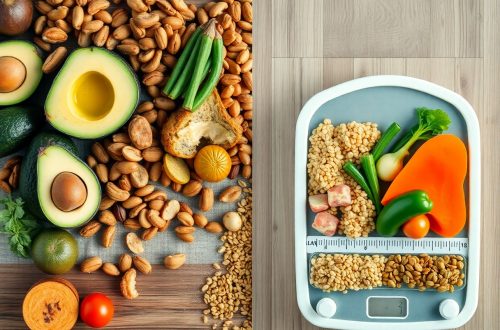
This common belief often leads to unnecessary worry about your late-night snacks. Many people think that eating late contributes to weight gain, but it’s not that simple. Your overall calorie intake and lifestyle choices play a much bigger role. Understanding the truth about late-night eating can help you make better decisions and eliminate unnecessary guilt. In this post, you’ll discover the factors that contribute to weight management and learn why enjoying a meal or snack in the evening doesn’t have to be a cause for concern.
Key Takeaways:
- Weight gain is primarily influenced by total calorie intake rather than the specific time food is consumed.
- Late-night eating can be part of a healthy diet if managed within daily caloric needs.
- Factors like food choices, portion sizes, and overall lifestyle play a significant role in weight management, regardless of meal timing.
Understanding Weight Gain
Weight gain occurs when your body consistently takes in more calories than it burns. This caloric surplus leads to fat storage, regardless of when you eat. You might think that eating late at night is a direct cause of weight gain, but other factors like overall diet quality, activity level, and metabolism play significant roles in this equation.
The Basics of Caloric Balance
Caloric balance is simple: you gain weight when you consume more calories than your body needs to maintain its current weight. In contrast, you lose weight when your caloric intake is less than your energy expenditure. Tracking your total daily calories, rather than focusing on when you eat, is vital in managing weight effectively.
Misconceptions About Late-Night Eating
Many people believe that eating at night leads to weight gain because the body processes food differently during those hours. However, late-night eating itself doesn’t specifically cause weight gain. Instead, the total number of calories and the types of foods consumed matter more than the timing of your meals.
Common misconceptions about late-night eating often stem from the idea that your metabolism slows down during sleep. Research indicates that while metabolism may decrease slightly, it doesn’t halt entirely. If you snack on high-calorie, low-nutrition foods at night, weight gain could happen, but not necessarily because of the time of day. Instead, it’s about the total caloric intake and food choices. Eating a balanced meal late at night doesn’t automatically lead to unwanted weight gain, especially if it fits within your daily caloric needs.

How Eating Late Affects Your Body
Eating late at night can influence your body in various ways, but it doesn’t automatically lead to weight gain. Instead, factors like metabolism, digestion, and sleep can change your body’s response to late-night meals. For a deeper dive, explore Does Eating Late at Night Make you Fat?.
Metabolism and Processing Food
Your metabolism continues to function, regardless of the time you eat. While some studies suggest that late-night meals may result in fewer calories burned, the overall calorie surplus or deficit remains the key factor in weight management. What matters more is the total caloric intake over the day, not when those calories are consumed.
Impact on Sleep Quality
Eating late can disrupt your sleep patterns and overall sleep quality. Foods that are spicy or high in sugar can lead to discomfort, impacting your ability to sleep deeply. This sleeplessness can lead to daytime fatigue, making you more likely to lean toward unhealthy snacks in the following hours.
Late-night eating often elevates your metabolism temporarily, making it harder to fall asleep. Additionally, studies show that late-night snacking may increase the likelihood of waking up multiple times during the night, shortening your rest and leaving you groggy the next day. Striking a balance between satisfying late-night cravings while being mindful of food choices will help maintain sleep quality.

Key Factors Influencing Weight Gain
Several key factors significantly influence weight gain beyond the time of day you eat. Understanding these factors helps clarify why late-night eating isn’t necessarily a direct cause of weight gain. The primary considerations include:
- Total daily caloric intake
- Food choices and portion sizes
- Physical activity levels
- Metabolism and body composition
Any changes in these areas can have a considerable impact on your weight management journey.
Total Daily Caloric Intake
Your weight fluctuates based on the total calories you consume in relation to your energy expenditure. If you consistently eat more calories than you burn throughout the day, weight gain becomes inevitable. Tracking your daily intake helps you understand where you stand with your caloric balance.
Food Choices and Portion Sizes
The types of food you eat and the portion sizes play a significant role in how your body responds. Opting for nutrient-dense foods like fruits, vegetables, and whole grains can leave you satisfied, while processed foods may lead to overeating. Practicing portion control helps ensure you don’t exceed your caloric needs without feeling deprived.
Particular attention to food choices is important. Choosing whole foods over processed options not only provides more nutrients but often leads to reduced calorie intake overall. For instance, a cup of cooked quinoa offers more satiety than a small serving of processed chips, helping you manage hunger without excessive calories. Visualizing portion sizes can help; consider using your plate to gauge appropriate amounts, such as filling half with vegetables and a quarter each with protein and whole grains. Making these adjustments contributes positively to your overall weight management strategy.
Tips for Late-Night Eating
Being mindful of your late-night eating habits can help you maintain a balanced diet without unnecessary weight gain. Consider these tips:
- Choose healthier snacks like fruits or yogurt.
- Limit portions to avoid excessive calorie intake.
- Avoid high-sugar and high-fat foods.
- Stay hydrated; sometimes thirst is mistaken for hunger.
- Plan your meals to reduce temptation at night.
After implementing these strategies, you might find it easier to enjoy late-night eating without the guilt.
For more insights, you can read about Does Eating Late at Night Cause Weight Gain?.
Healthier Snack Options
Selecting nutritious snacks can keep late-night cravings at bay without piling on calories. Aim for options such as air-popped popcorn, nuts, or sliced vegetables with hummus. These choices provide necessary nutrients while satisfying hunger. Pairing foods with protein, fiber, or healthy fats promotes satiety, making it easier to stop eating before overindulging.
Mindful Eating Practices
Focusing on your food during late-night snacking can enhance satisfaction and prevent mindless eating. By slowing down, savoring flavors, and tuning into hunger cues, you’re less likely to overeat. Engaging your senses will allow you to enjoy each bite and recognize when you’re full. Consider setting a designated time and spot for your snacks, minimizing distractions, and ensuring a more nourishing experience.
Practicing mindfulness during meals can immensely change your relationship with food. Establish a routine that involves eating in a calm environment, free from screens. This helps you concentrate on the texture and taste of your snacks, making it easier to stop when you’re satisfied, rather than relying on external cues like a TV show or phone conversation, which can lead to overeating.
How to Manage Late-Night Eating
Managing late-night eating can help you maintain a healthy weight without strict restrictions. Focus on mindful habits, such as eating smaller, healthier snacks instead of larger meals. Establish routines that make late-night eating less tempting, while understanding that having occasional snacks is normal. For more insights, refer to the Harvard study: Curb late-night eating to stave off weight gain.
Setting a Cut-off Time
Establishing a cut-off time for food consumption can significantly reduce late-night cravings. Aim for a window that aligns with your lifestyle, such as 7 or 8 PM, and adhere to it consistently. This practice helps signal to your body when it’s time to rest and reinforces a healthier relationship with food.
Planning Your Meals
Planning your meals effectively can help you avoid impulsive late-night eating. Focus on balanced meals that satisfy your hunger throughout the day and reduce the likelihood of nighttime snacking. Include proteins, fibers, and healthy fats to keep you feeling full.
Consider prepping your meals in advance for convenience. Include diverse food options to keep your meals interesting and ensure that you get proper nutrients. By knowing what you’ll eat ahead of time, you reduce the temptation to reach for unhealthy snacks late at night, helping to maintain your overall health goals.
The Role of Individual Differences
Individual differences significantly affect how late-night eating influences weight gain. Factors such as genetics, lifestyle choices, and metabolic rates can determine how your body processes food consumed at night. Understanding these personal traits can lead to more effective management of late-night eating habits and overall weight control.
Lifestyle and Activity Level
Your lifestyle and daily activity level play vital roles in how your body handles late-night meals. Active individuals may burn off excess calories more efficiently, while those with sedentary lifestyles could struggle with weight gain from late-night snacks. Engaging in regular physical activity can help offset potential negative impacts of nighttime eating.
Genetic Factors
Genetics can influence your predisposition to weight gain, including how your body metabolizes food at different times of the day. Some people might have genetic markers that affect hunger hormones, leading to varied responses to late-night eating. Understanding these genetic factors can guide your dietary choices and meal timing.
- Genetic predispositions can lead to different metabolic rates.
- Some individuals may experience more hunger at night than others.
- Certain genes influence how fats and carbohydrates are processed.
- Perceiving your genetic background can help tailor your late-night eating habits.
Research indicates that specific genes related to metabolism and hunger regulation vary among individuals. For instance, variations in the FTO gene have been linked to obesity, affecting how your body processes food. Furthermore, your responses to carbohydrates and fats may differ, emphasizing the need to consider these genetic factors in your diet. Tailoring your eating habits to align with your genetic profile could enhance your weight management efforts.
- Genetic variations can influence appetite control and cravings.
- Understanding these differences can help in planning meal timing.
- Family history of weight-related issues may signal genetic tendencies.
- Perceiving these genetic insights can foster better dietary decisions.
Conclusion
Drawing together the evidence, eating late at night does not automatically lead to weight gain. You can enjoy your meals after dark without negative consequences, as long as your overall calorie intake aligns with your energy expenditure. It’s your total daily consumption and the quality of the food you eat that matter most. By being mindful of portion sizes and making healthy choices, you can maintain your weight regardless of meal timing. Focus on creating balanced meals, and don’t let the clock dictate your eating habits.
FAQ
Q: Does eating late at night lead to automatic weight gain?
A: No, eating late at night does not automatically cause weight gain. Weight gain occurs when you consume more calories than your body uses, regardless of the time of day. If your late-night snacks fit within your daily calorie needs, you can enjoy them without gaining weight.
Q: Are there specific foods that contribute to weight gain when eaten at night?
A: It’s not just about when you eat, but what you eat. High-calorie, unhealthy foods eaten late at night can lead to weight gain if they push your total calorie intake over your daily limit. Choosing healthy, nutrient-rich snacks can help you maintain a balanced diet.
Q: How can my lifestyle affect weight when eating at night?
A: Your lifestyle plays a vital role in weight management. Factors like physical activity, overall diet quality, and metabolism are important. If you’re active and consume a balanced diet, late-night eating may not negatively impact your weight.