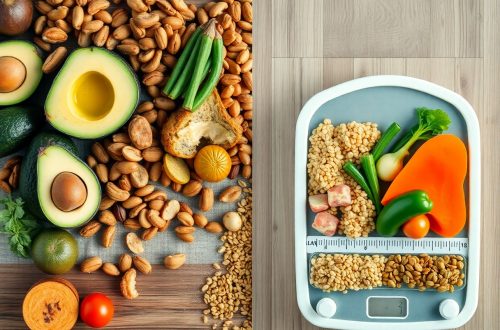
Plant-based diets are often surrounded by misconceptions that can mislead you in your weight loss journey. You might have heard that these diets are too restrictive or lack necessary nutrients, but the truth is quite different. This post will provide you with evidence-based insights, debunk common myths, and empower you to make informed choices. By separating fact from fiction, you can better understand how a plant-based diet may work for your health and weight management.
Key Takeaways:
- Plant-based diets can support weight loss effectively when balanced and nutrient-dense.
- Myths like protein deficiency and inadequate calories often mislead people about plant-based eating.
- Whole foods, such as fruits, vegetables, nuts, and legumes, promote satiety and health, aiding weight management.
Understanding Plant-Based Diets
What is a Plant-Based Diet?
A plant-based diet primarily focuses on foods derived from plants, including fruits, vegetables, grains, nuts, and seeds. While it encourages the consumption of whole, minimally processed foods, it doesn’t strictly exclude meat or animal products. Your dietary choices may vary depending on personal preferences, cultural influences, or health goals.
Different Types of Plant-Based Diets
Plant-based diets come in various forms, each catering to different lifestyles and nutritional goals. Some common types include vegan, vegetarian, flexitarian, and whole-food plant-based diets. Each type varies in the extent to which it includes animal products and processed foods. You can select which style suits your needs and preferences best.
| Type | Description |
|---|---|
| Vegan | Excludes all animal products, including meat, dairy, and eggs. |
| Vegetarian | Excludes meat but may include dairy and eggs. |
| Flexitarian | Mainly plant-based but occasionally includes meat and fish. |
| Whole-Food Plant-Based | Focuses on whole, unprocessed foods and limits added sugars. |
| Raw Food | Consists of fruits, vegetables, and nuts that are uncooked. |
- This variety allows you to choose a diet that aligns with your values and health goals.
Exploring different types of plant-based diets reveals how adaptable this eating style can be. For instance, a vegan diet avoids all animal products for ethical, health, or environmental reasons, while a flexitarian approach offers flexibility by allowing occasional meat consumption. You may also find a whole-food plant-based diet appealing, as it emphasizes nutritional completeness through whole foods that provide vital vitamins and minerals without added sugars or fats. Each type provides unique benefits, so assess which resonates most with your lifestyle.
| Type | Key Focus |
|---|---|
| Vegan | Ethical living and sustainability. |
| Vegetarian | Balanced nutrition without meat. |
| Flexitarian | Flexibility in dietary choices. |
| Whole-Food Plant-Based | Maximizing nutrient intake from whole foods. |
| Raw Food | Preserving nutrients through uncooked foods. |
- This information helps you navigate the many choices available within plant-based diets.
Myth 1: Plant-Based Diets Lack Protein
Many believe that choosing plants means sacrificing protein, but this myth doesn’t hold up. Foods like beans, lentils, tofu, quinoa, and nuts are excellent sources of protein. You can find detailed insights in Debunking 5 myths about plant-based diets, which explain how a well-planned plant-based diet meets your protein needs effectively.
Protein Sources in Plant-Based Diets
Your protein options within a plant-based diet are vast and varied. Lentils provide about 18 grams of protein per cooked cup, while chickpeas contain around 15 grams. Even grains like quinoa offer a complete protein with all nine imperative amino acids. Incorporating a range of legumes, whole grains, and seeds ensures adequate protein intake.
[related_posts_banner]Benefits of Plant-Based Protein
Choosing plant-based proteins offers significant health perks. These sources are often lower in saturated fat and packed with fiber, which can aid digestion and promote heart health. Furthermore, plant proteins come with an abundance of vitamins and minerals that support overall wellness.
Research shows that incorporating more plant-based protein can lead to healthier weight management and reduced risk of chronic diseases. A diet rich in beans and legumes not only helps in muscle maintenance but also enhances satiety, helping you feel full longer. Transitioning to plant-based protein can ultimately contribute to both weight loss and improved health outcomes.
Myth 2: You Can’t Lose Weight on a Plant-Based Diet
The misconception that a plant-based diet prevents weight loss is unfounded. Many individuals experience significant weight loss while following this dietary approach. The key lies in the focus on whole foods like fruits, vegetables, legumes, and grains, which are generally lower in calories and high in nutrients. A study discusses the case for a plant-forward omnivorous whole-foods diet, demonstrating that it is indeed possible to shed pounds effectively while enjoying a plant-centric eating pattern.
Weight Loss Success Stories
People around the world have achieved impressive weight loss results on plant-based diets. For instance, a woman lost over 50 pounds by transitioning to a diet rich in vegetables, legumes, and whole grains. She shared how embracing this lifestyle not only helped her lose weight but also improved her overall health and energy levels, showcasing that success can come from simple dietary changes.
Scientific Studies on Weight Loss
Research supports the effectiveness of plant-based diets for weight loss. In numerous studies, participants following vegetarian or vegan diets typically experience greater weight loss compared to those consuming omnivorous diets. A notable investigation found that individuals adhering to a plant-based diet lost an average of 6 to 10 pounds over 12 weeks, validating the potential of this eating style for weight management.
Several scientific studies reinforce the link between plant-based diets and weight loss success. For instance, one comprehensive review indicated that plant-based eaters had lower body mass indexes (BMIs) and were more likely to maintain a healthy weight compared to those who included animal products. These findings suggest that the nutrient density of plant foods, coupled with their fiber content, contributes to sustained satiety and less overeating, making weight loss achievable and sustainable.
Myth 3: Plant-Based Diets are Expensive
Many believe that embracing a plant-based diet means breaking the bank, but this isn’t always true. In fact, Myths and Misconceptions About Plant-Based Diets often overlook affordable staple foods like beans, lentils, grains, and seasonal fruits and vegetables. With careful planning, you can eat healthily without spending a fortune.
Cost-Effective Plant-Based Foods
Staples such as dried beans, rice, oats, and frozen vegetables are often more affordable than processed foods. These ingredients are not just budget-friendly; they provide crucial nutrients and can be used in various dishes. Buying in bulk or choosing store brands further enhances savings while maintaining variety in your meals.
Budget Tips for Plant-Based Eating
Sticking to your budget while eating plant-based can be simple with a few strategies. Shop at local markets, plan your meals around sales, and prepare meals at home. This approach allows you to make the most of your grocery budget while enjoying delicious, nutritious meals.
- Buy seasonal produce to save money and enjoy the best flavors.
- Limit processed plant-based products; focus on whole foods.
- Plan meals for the week to avoid impulse buys.
- Use community resources like co-ops or food shares.
- Assume that eating fresh does not mean overspending.
Creative meal planning can help you maximize your savings. Try recipes that use similar ingredients across several meals. Additionally, consider batch cooking to reduce cooking time throughout the week. This strategy not only saves time but also decreases food waste, making it easier on your wallet.
- Utilize leftovers in creative ways for lunch or dinner.
- Incorporate pantry staples like canned tomatoes and spices for variety.
- Experiment with prepping snacks instead of purchasing pre-packaged options.
- Assume that being thrifty in your plant-based eating will yield fresh, enjoyable meals.

Myth 4: All Plant-Based Foods are Healthy
Believing that all plant-based foods are inherently healthy can lead to misunderstandings about nutrition. While many plant-based options are packed with nutrients, others are heavily processed and low in nutritional value. Foods like sugary cereals, snacks made from refined grains, and vegan desserts can create an illusion of health while contributing to weight gain and poor health outcomes. Awareness of what constitutes a healthy plant-based diet is important for effective weight management.
Healthy vs. Processed Plant-Based Foods
Not all plant-based foods offer the same health benefits. Whole foods such as fruits, vegetables, legumes, and whole grains are nutrient-dense, whereas processed plant-based products often contain added sugars, unhealthy fats, and preservatives. This distinction can significantly impact your overall well-being and weight management efforts. Prioritizing whole foods is key to achieving a balanced diet.
Tips for Choosing Nutrient-Dense Foods
To maximize the health benefits of your plant-based diet, focus on whole, minimally processed foods. Here are some tips:
- Choose fresh or frozen fruits and vegetables over canned versions with added sugars or sodium.
- Opt for whole grains, like quinoa, brown rice, and oats, instead of refined grains.
- Incorporate legumes, nuts, and seeds for protein and healthy fats.
- Read labels carefully to avoid hidden additives in packaged products.
After selecting fresh produce, consider meal prepping to ensure you always have healthy options available. This saves time and encourages you to stick to your dietary goals.
When planning your meals, aim for a variety of colors on your plate to guarantee a wide range of nutrients. Pay attention to portion sizes, and include high-fiber foods to promote fullness. Alternatives like homemade snacks can help reduce reliance on processed options. Investing time in your cooking skills can provide greater control over what you eat.
- Experiment with new recipes to keep meals exciting and satisfying.
- Join community-supported agriculture (CSA) for fresh local produce.
- Track your nutrients to ensure you’re getting enough vitamins and minerals.
After implementing these tips, you’ll find it easier to maintain a nutritious and balanced plant-based diet while supporting your weight loss goals.

Transitioning to a Plant-Based Diet
Transitioning to a plant-based diet can seem daunting, but it’s an achievable step towards better health and sustainability. You can start by incorporating more fruits, vegetables, whole grains, legumes, nuts, and seeds into your meals. Gradually increasing plant-based meals while reducing animal products makes the shift easier. Focus on what you can add rather than what to eliminate, making the process enjoyable rather than restrictive.
Steps to Start
Begin your plant-based journey by exploring new recipes and discovering foods that excite you. Set a goal to try one new plant-based meal each week, which can help you diversify your diet. Stock your pantry with staples like quinoa, beans, and lentils, and experiment with different cooking methods. Planning your meals ahead of time also simplifies the transition.
Overcoming Challenges
Adjusting to a plant-based diet may pose challenges, such as cravings for familiar foods or difficulty finding options when dining out. You might also face social situations where your choices differ from those of friends or family. Finding alternatives and sharing your dietary changes with your social circle can create understanding and support.
Often, cravings can stem from habits rather than true hunger. To combat this, experiment with plant-based substitutes for your favorite dishes. For instance, try black bean burgers instead of beef or cashew cheese in place of dairy. When dining out, look for restaurants with vegan options or call ahead to inquire about customization. If social settings feel awkward, educate your friends about your choices; this might spark interest and promote healthier habits among your circle. Flexibility is key, allowing you to adjust your approach without feeling deprived.
Final Words
Considering all points, adopting a plant-based diet for weight loss can be an effective and healthful choice for you. By dispelling common myths, you empower yourself to make informed decisions that benefit your body and mind. Focus on whole, nutrient-dense foods, and understand that balance and variety are key. With the right approach, you can effortlessly integrate plant-based meals into your lifestyle, reducing calorie intake while enhancing nutrition. This not only supports weight loss but also promotes overall wellness. Embrace the positive changes and enjoy the journey toward achieving your health goals.
FAQ
Q: Can a plant-based diet help with weight loss?
A: Yes, a plant-based diet can support weight loss. It is often lower in calories and fat. This diet is rich in fruits, vegetables, whole grains, and legumes, which are filling but not calorie-dense. This combination helps people reduce their overall calorie intake while still feeling satisfied.
Q: Will I miss out on necessary nutrients on a plant-based diet?
A: Not if you plan your meals well. A balanced plant-based diet can provide all necessary nutrients. Focus on a variety of foods that include protein sources like lentils, quinoa, and tofu. Also, pay attention to vitamins B12, D, and omega-3 fatty acids, which may need supplements or fortified foods.
Q: Is a plant-based diet expensive?
A: A plant-based diet can fit any budget. Many staples, like beans, grains, and seasonal vegetables, are often cheaper than meat and dairy. Planning meals and shopping sales can further help keep costs down. Eating more whole foods over processed ones can save money without sacrificing nutrition.