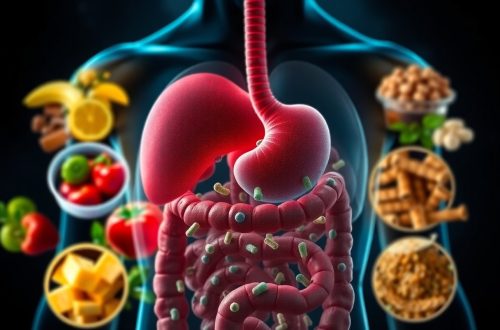
There’s a fascinating relationship between your vegetable intake and your digestive health. By incorporating more vegetables into your diet, you increase the fiber content, which enhances stool weight while helping to regulate your body weight. The high water and fiber content in vegetables adds bulk to your stool without contributing excess calories or fat, making them an ideal choice for maintaining a healthy digestive system and body composition. Understanding this connection can empower you to make informed dietary choices for better health.
Key Takeaways:
- Vegetables are high in fiber, which adds bulk to stool, increasing stool weight.
- Low in calories and fat, vegetables do not contribute to body fat accumulation.
- Increased water content in vegetables aids digestion and further enhances stool formation.
Understanding Stool Composition
The Role of Dietary Fiber
Dietary fiber is a fundamental component of vegetables that significantly impacts stool composition. It adds bulk, which aids in regular bowel movements and prevents constipation. When you increase your fiber intake, you help your digestive system work more efficiently, as fiber passes through your intestines largely intact, soaking up water and forming a gel-like substance that promotes healthy stool formation.
Water Content in Stool
The water content in your stool plays a pivotal role in its weight and consistency. Typically, healthy stool is composed of about 75% water. When you consume more vegetables, which are high in moisture, they contribute to higher hydration levels in your digestive system, resulting in heavier and softer stools, without adding extra calories.
This increased water intake from high-vegetable diets not only aids digestion but also ensures that your stool maintains the correct consistency. When the balance of water in your colon is optimal, it prevents issues like dehydration and hard stool, promoting a better overall digestive process. Hence, this moisture-rich stool contributes to greater stool weight without affecting your body’s fat levels.
Gut Microbiota and Fermentation
Your gut microbiota plays an vital role in digesting dietary fiber and is responsible for fermentation. When you eat more vegetables, the fiber they contain serves as food for beneficial bacteria in your gut, leading to fermentation processes that generate short-chain fatty acids. These acids aid in gut health and can influence stool bulk by increasing the overall stool weight as a byproduct of fermentation.
Fermentation in your gut not only supports a flourishing microbiome but also produces gases and other byproducts that add to stool weight. For example, when fibers from vegetables are fermented, they generate valuable compounds that nourish your gut lining and can even help regulate your appetite. This process underscores how a fiber-rich diet alters your digestive environment, enhancing stool composition without contributing to body fat accumulation.
[related_posts_banner]
The Impact of Vegetables on Stool Weight
Types of Vegetables and Fiber Content
Different vegetables offer varying amounts of dietary fiber, influencing your stool weight. Leafy greens like spinach and kale are high in water and fiber, while root vegetables like carrots and beets provide substantial fiber. Here’s a breakdown of fiber content in a few common vegetables:
| Vegetable | Fiber (grams per 100g) |
|---|---|
| Broccoli | 2.6 |
| Carrots | 2.8 |
| S spinach | 2.2 |
| Brussels Sprouts | 3.8 |
| Kale | 4.0 |
- Higher fiber intake leads to larger stools.
- Your digestive system benefits from increased bulk.
- Variety in vegetable types ensures balanced fiber intake.
- Cooked versus raw can affect fiber availability.
- Thou can create healthier habits by incorporating more vegetables.
Soluble vs. Insoluble Fiber
Fiber is classified into two types: soluble and insoluble. Soluble fiber dissolves in water and forms a gel-like substance, aiding in digestion and regularity, while insoluble fiber adds bulk to your stool and promotes movement through the intestines.
Soluble fiber, found in oats, beans, and some fruits, helps regulate blood sugar and lower cholesterol, offering additional health benefits. On the other hand, insoluble fiber found in whole grains, nuts, and many vegetables helps prevent constipation by increasing stool volume and mass. For optimal digestive health, a balance of both types is imperative as they serve complementary roles in maintaining gut health.
Volume and Mass of Vegetable Consumption
The sheer volume of vegetables you consume contributes to increased stool weight. Eating larger portions of fibrous vegetables typically means more bulk for your digestive tract to process.
As you increase vegetable consumption, you add significant mass to your meals without substantially raising calories. For example, a large salad with a variety of vegetables not only fills you up but also enhances the weight of what your body needs to eliminate. This can lead to improved digestive efficiency and more frequent bowel movements, while maintaining body fat levels.

Mechanisms Influencing Body Fat
Energy Density of Vegetables
Vegetables typically have low energy density, meaning they provide fewer calories per volume than many other foods. This makes it easier for you to consume larger portions without significantly increasing your caloric intake. Consequently, you fill your plate with more food while keeping within calorie limits, supporting weight management effectively.
Satiety and Appetite Regulation
Consuming vegetables can enhance feelings of fullness, helping you regulate appetite more effectively. The high fiber content promotes satiety, signaling to your brain that you’ve eaten enough. This can lead to a natural reduction in overall caloric intake during meals without feeling deprived.
Research shows that incorporating a variety of fiber-rich vegetables into your diet can significantly increase feelings of fullness. For example, the fiber from foods like leafy greens, carrots, and beans helps slow digestion, providing a prolonged sense of satiety. This delay in gastric emptying means you’re less likely to snack between meals, inadvertently contributing to a healthier body fat percentage.
Nutrient Absorption Dynamics
The types of nutrients your body absorbs can also be influenced by the consumption of vegetables. Many vegetables contain phytonutrients and antioxidants that synergize with the macronutrients in your meals, potentially enhancing nutrient uptake without adding excess fat.
From research, it’s evident that the complexity of nutrients found in vegetables can improve digestion and absorption efficiency. For instance, eating salad with a meal can enhance the absorption of fat-soluble vitamins due to the healthy fats often paired with it. By optimizing nutrient absorption, you support overall health, while still managing body fat levels effectively with a vegetable-rich diet.
The Relationship Between Fiber and Body Fat
Short-Chain Fatty Acids and Energy Metabolism
When you consume fiber, particularly from vegetables, your gut bacteria ferment it into short-chain fatty acids (SCFAs). These SCFAs provide energy and play a role in regulating your body’s metabolism. They not only help in energy expenditure but also improve insulin sensitivity, potentially influencing body fat accumulation.
The Role of Fiber in Caloric Intake
Fiber-rich foods, like vegetables, increase feelings of fullness, which can reduce overall caloric intake. Foods high in fiber digest more slowly, allowing your body to sustain energy and reducing the urge to snack between meals. This satiation effect is imperative for managing your weight.
Incorporating high-fiber vegetables into your meals can lead to significant reductions in calorie consumption without sacrificing nutrition. Studies show that individuals who consume more fiber tend to eat fewer total calories, thus creating a natural caloric deficit, which is key for weight loss or maintenance. While you enjoy your meals, you are inadvertently decreasing your caloric intake by feeling satisfied sooner and longer.
Long-Term Effects of a High-Fiber Diet
A sustained high-fiber diet can lead to healthier body composition and weight stability. Over time, you may notice a reduction in body fat percentage, as fiber-rich diets promote fat loss while preserving lean muscle mass. This balance is vital for overall metabolic health.
Adopting a high-fiber lifestyle doesn’t just affect your waistline momentarily; it can lead to lasting changes in your body. Research indicates that individuals who maintain a high fiber intake have lower body fat percentages and a reduced risk of obesity-related diseases. By prioritizing fiber, you enhance your overall metabolic rate, leading to gradual yet effective weight management.
Psychological and Behavioral Factors
- Your beliefs about health and nutrition can influence your vegetable intake.
- The way you perceive flavors and textures plays a role in your consumption choices.
- Emotional states can affect eating habits, including cravings for certain foods over vegetables.
- Social norms and cultural background influence dietary preferences, including vegetable intake.
Any changes to these factors can lead to improved vegetable consumption, which promotes better digestive health.
Mindful Eating and Vegetable Consumption
Practicing mindful eating allows you to develop a deeper appreciation for the flavors, textures, and overall enjoyment of vegetables. By focusing on each bite, you enhance your awareness of the nutrients they provide and cultivate a more positive relationship with your food choices.
Dietary Patterns and Lifestyle Choices
Your overall dietary patterns strongly influence how much you incorporate vegetables into your meals. Engaging in healthy cooking habits, meal planning, and preparation can lead to increased vegetable consumption while supporting a balanced diet.
For instance, if your weekly meal prep includes a variety of colorful vegetables, you’re more likely to explore new recipes that integrate them, making them a staple in your diet. Following dietary guidelines that emphasize plant-based options helps reinforce vegetable inclusion and alignment with your health goals.
Social Influences on Eating Habits
Your eating habits are often shaped by your social environment, including family, friends, and cultural influences. When surrounded by others who prioritize vegetable consumption, you are more inclined to adopt similar practices.
Social gatherings and shared meals can lead to a greater appreciation for vegetables as you witness their involvement in various cuisines. Participating in community-supported agricultural programs or cooking classes can also enhance your vegetable intake by creating a supportive network around healthy eating.

Practical Tips for Increasing Vegetable Intake
- Incorporate vegetables into every meal.
- Experiment with new types of vegetables.
- Keep pre-washed and cut veggies accessible for snacking.
- Blend vegetables into smoothies for a nutrient boost.
- Utilize online resources for vegetable-centric recipes.
- Join a community-supported agriculture (CSA) program for fresh produce.
Meal Planning and Preparation
Plan your meals ahead of time to ensure you include a variety of vegetables. Consider preparing a weekly menu that integrates seasonal veggies, and spend a weekend afternoon chopping and cooking larger batches to save time during the week. This proactive approach not only simplifies your cooking process but also encourages you to explore different vegetables.
Creative Cooking Methods
Using diverse cooking methods can make vegetables more appealing. Try roasting, grilling, or steaming to enhance flavors and textures. Flavorful marinades or spices can also transform bland vegetables into delicious side dishes. This variation encourages you to enjoy more vegetables as you discover your preferred preparation styles.
For instance, roasting carrots and sweet potatoes with a drizzle of olive oil and a sprinkle of salt can bring out their natural sweetness, making them a popular choice at dinner. Alternatively, grilling zucchini or bell peppers can add a smoky flavor that pairs well with many proteins. Don’t shy away from experimenting with herbs and spices to elevate the overall taste experience.
Incorporating Vegetables into Snacks
Transform your snacking habits by incorporating vegetables into your favorite snacks. Consider pairing raw veggies with hummus, guacamole, or a yogurt dip. This simple change boosts your intake while adding imperative nutrients without significantly increasing calorie count.
Snack time can be an excellent opportunity to incorporate more vegetables into your diet. Whether it’s carrot sticks with tzatziki or celery with almond butter, you can create satisfying and nutritious options that keep your calorie intake low. Perceiving vegetables as imperative ingredients in snacks rather than an afterthought can make it easier to consume more throughout the day. For further insights, check out the 4 Reasons Why Some People Eat A Lot But Never Get Fat.
Final Words
From above, you can see that increasing your vegetable intake leads to greater stool weight without impacting your body fat. This is primarily due to the high fiber content in vegetables, which adds bulk to your digestive system and promotes regularity. Fiber fills you up, helping you feel satisfied while potentially reducing your overall calorie consumption. By incorporating more vegetables into your diet, you support digestive health and maintain your weight effectively.
FAQ
Q: Why do vegetables increase stool weight?
A: Vegetables are high in dietary fiber, which adds bulk to stool. Fiber is not fully digestible, allowing it to retain water and softening the stool, which increases its overall weight.
Q: How do increased vegetable consumption affect body fat levels?
A: Eating more vegetables typically leads to a lower calorie intake since they are low in calories and nutrient-dense. This can promote weight maintenance or loss without significantly increasing body fat, despite the increase in stool weight.
Q: Can eating too many vegetables negatively impact digestion?
A: For some individuals, a sudden increase in fiber intake from vegetables may cause digestive discomfort, such as bloating or gas. It is advisable to gradually increase fiber consumption and ensure adequate hydration to aid digestion.