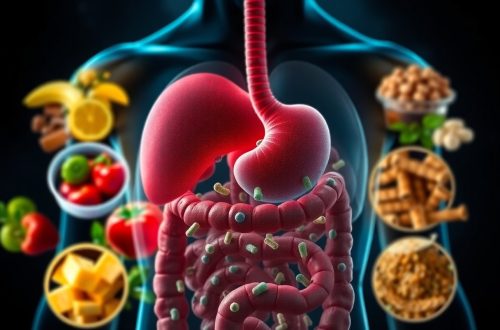
Just like many people, you may be curious about how intermittent fasting can help with weight loss. This eating pattern involves cycling between periods of eating and fasting, and research shows it can impact your metabolism and appetite. In this post, you’ll explore the scientific principles behind intermittent fasting, the benefits it offers, and how you can implement it effectively to reach your weight loss goals. You’ll gain valuable insights that can guide your journey towards a healthier lifestyle.

Key Takeaways:
- Intermittent fasting can help reduce overall calorie intake, leading to weight loss.
- This eating pattern may improve metabolism and promote fat burning while preserving muscle mass.
- Consistency in following an intermittent fasting schedule is important for achieving long-term benefits.
What is Intermittent Fasting?
Intermittent fasting (IF) is an eating pattern that cycles between periods of eating and fasting. Instead of focusing on what foods to eat, it emphasizes when to eat. This method allows your body to shift from using glucose as energy to burning fat, promoting weight loss and metabolic health.
Definition and Types
Intermittent fasting is defined by varying timeframes during which you eat and refrain from eating. Common types include:
- 16/8 method: fasting for 16 hours, eating during an 8-hour window
- 5:2 diet: consuming limited calories (500-600) for two days a week
- Eat-Stop-Eat: fasting for 24 hours once or twice a week
- Alternate-day fasting: alternating between eating and fasting days
- Warrior diet: eating one large meal at night with minimal food during the day
After understanding these types, you can choose a method that fits your lifestyle.
| Type | Description |
| 16/8 | Fast for 16 hours, eat during 8. |
| 5:2 | Limit calories to 500-600 on two days. |
| Eat-Stop-Eat | Fast for a full 24 hours once or twice weekly. |
| Alternate-day | Alternate between eating days and fasting days. |
| Warrior diet | Eat one large meal at night. |
How It Works
Intermittent fasting influences your body’s hormone levels, making stored fat easier to access. During fasting, insulin levels drop, allowing fat cells to release stored energy. This process typically leads to reduced overall calorie intake, as you’re limited to specific eating windows.
[related_posts_banner]Your body undergoes significant physiological changes during fasting. Insulin sensitivity improves, enabling cells to utilize glucose more effectively. Growth hormone levels may increase, facilitating fat loss and muscle gain. Furthermore, cells initiate repair processes, including autophagy, which helps remove damaged proteins. These combined effects can enhance metabolic function, promote weight loss, and improve overall health metrics, making intermittent fasting a compelling method for many.
The Science of Fasting and Metabolism
Intermittent fasting significantly impacts your metabolism, primarily by enhancing the efficiency of energy utilization. When you enter a fasting state, your body shifts from using glucose as its primary fuel source to burning fat for energy. This transition not only aids in weight loss but also improves metabolic flexibility, allowing your body to adapt better to varying energy demands.
Effects on Insulin and Blood Sugar
During fasting, your insulin levels drop, enhancing insulin sensitivity. Lower insulin levels facilitate fat breakdown and reduce blood sugar spikes. This not only aids in weight loss but also lowers the risk of developing type 2 diabetes, as stable blood sugar levels help prevent insulin resistance over time.
Hormonal Changes During Fasting
Fasting triggers various hormonal shifts that encourage fat loss and muscle preservation. Levels of human growth hormone can increase by up to five times, which helps in fat burning and muscle gain. Moreover, norepinephrine, a fat-burning hormone, rises, enabling your body to utilize stored fat more effectively.
Fasting not only raises levels of fat-fighting hormones but also lowers the hormone ghrelin, which stimulates hunger. This combination helps you feel satisfied longer, reducing the likelihood of overeating. With a significant increase in human growth hormone and metabolic switches, your body becomes better at burning fat and maintaining muscle mass, making intermittent fasting a powerful approach for weight management.

Intermittent Fasting and Weight Loss
Intermittent fasting is gaining popularity as a weight loss strategy. By cycling between eating and fasting periods, you restrict calorie intake without the need for complex diets. Studies show that it can lead to weight loss and improved metabolic health. For more on intermittent fasting: What are the benefits?, explore your options and understand how fasting might fit into your lifestyle.
Evidence from Research Studies
Research indicates that intermittent fasting can effectively encourage weight loss. In multiple studies, participants who practiced intermittent fasting lost more weight than those who followed traditional calorie-restricted diets. The results are attributed to decreased caloric intake and improved fat burning during fasting periods, demonstrating its potential for successful weight management.
How It Affects Appetite and Caloric Intake
Intermittent fasting influences your appetite and caloric consumption by altering hunger hormones. During fasting, levels of ghrelin, the hunger hormone, may decrease, making you feel less hungry. This reduction can lead to consuming fewer calories overall, allowing for weight loss without feeling deprived.
Your appetite changes during intermittent fasting because your body adjusts to the new eating schedule. Initially, you may feel hungry during fasting periods, but this typically eases as your body adapts. Studies indicate that many people find their cravings diminish over time, making it easier to stick to a fasting routine. Being mindful of what you eat during your eating windows can enhance the benefits, supporting both appetite control and successful weight management.
Health Benefits Beyond Weight Loss
Intermittent fasting offers several health benefits that extend far beyond weight loss. Research indicates that this eating pattern may enhance metabolic health, reduce inflammation, and improve longevity. Studies suggest that intermittent fasting can lower the risk of chronic diseases such as diabetes and heart disease. Your body enters a state of autophagy, repairing cells and promoting overall health. For a deeper understanding, check out Intermittent Fasting: What is it, and how does it work? for more insights.
Improved Heart Health
Following an intermittent fasting routine may significantly boost your heart health. Studies reveal that this eating pattern can lower blood pressure, reduce cholesterol levels, and improve overall cardiovascular function. You might find that by incorporating intermittent fasting into your lifestyle, you not only manage your weight but also contribute to reducing your risk of heart disease.
Enhanced Brain Function
Intermittent fasting can support and enhance brain function. It stimulates the production of brain-derived neurotrophic factor (BDNF), a protein linked to improved learning and memory. You may notice better concentration and cognitive function as your brain benefits from increased resilience against stress and other damaging factors. This protective effect could potentially lower the risk of neurodegenerative diseases, such as Alzheimer’s.
Research supports that fasting can rejuvenate neural health by triggering beneficial cellular processes. You may experience improved cognitive clarity and memory retention. Additionally, fasting promotes the release of hormones that can enhance mood and mental alertness. This holistic improvement in brain function may help you maintain better focus and creativity throughout the day, supporting both academic and professional pursuits.
Potential Risks and Considerations
Intermittent fasting may come with potential risks that you should be aware of before starting. These can include nutrient deficiencies, decreased energy levels, and disruption of your normal eating patterns. Consultation with a healthcare professional is recommended to evaluate personal health circumstances and ensure safety while attempting this dietary approach.
Who Should Avoid Intermittent Fasting
You should avoid intermittent fasting if you have a history of eating disorders, are pregnant or breastfeeding, or have certain medical conditions like diabetes or low blood pressure. Additionally, those with chronic illnesses or those taking specific medications should consult a healthcare provider before considering this diet.
Side Effects and How to Deal with Them
Some individuals experience side effects while practicing intermittent fasting, such as headaches, fatigue, and irritability. To alleviate these symptoms, it helps to stay hydrated, consume balanced meals during eating windows, and gradually adjust your fasting schedule.
Addressing side effects effectively requires a proactive approach. Start fasting gradually, allowing your body to adapt over time. Hydration is vital, as it can mitigate headaches and fatigue, so drink plenty of water throughout the day. Consuming nutrient-dense meals during your eating periods will help maintain steady energy levels. If symptoms persist or worsen, consider seeking guidance from a healthcare professional to tailor a plan that suits your individual needs, ensuring a healthier fasting experience.
Tips for Success with Intermittent Fasting
Success with intermittent fasting hinges on preparation and consistency. Establish a routine that fits your lifestyle and be patient as your body adjusts. To maximize your benefits, consider these tips:
- Start gradually by increasing fasting duration.
- Stay hydrated with water or herbal teas.
- Listen to your body’s hunger signals.
- Plan meals ahead to avoid unplanned eating.
- Consider adding exercise to enhance results.
Any adjustments to this plan should align with your unique needs for optimal results. For a comprehensive understanding of the effects, refer to INTERMITTENT FASTING AND HUMAN METABOLIC ….
Choosing the Right Plan
Selecting an intermittent fasting plan that suits you is crucial for long-term adherence. Various methods exist, such as the 16/8 method or alternate-day fasting. Evaluate your lifestyle and personal preferences to find what fits best.
Maintaining a Balanced Diet
Creating a balanced diet during eating periods enhances fasting results. Focus on whole foods rich in nutrients, such as fruits, vegetables, whole grains, and lean proteins. Avoid processed foods and excessive sugars, which can lead to energy crashes.
A well-rounded diet provides the necessary vitamins and minerals to support your body during fasting. Aim for meals that include a balance of macronutrients, like healthy fats, carbohydrates, and proteins. Keeping track of your nutrition can help you make more informed food choices, ensuring you receive adequate fiber and hydration. Prioritizing nourishing options aids in sustained energy levels and mitigates cravings, allowing for a successful intermittent fasting experience.
Conclusion
Summing up, the science behind intermittent fasting highlights its potential effectiveness in weight loss and improved metabolic health. By controlling your eating windows, you can enhance fat burning and manage hunger more effectively. This method not only influences your body’s insulin levels but also encourages healthier eating patterns. As you explore intermittent fasting, consider your lifestyle and personal preferences to ensure it suits your needs. By applying these principles, you can achieve your weight loss goals while fostering a sustainable approach to healthy living.
FAQ
Q: What is intermittent fasting and how does it aid weight loss?
A: Intermittent fasting involves cycling between eating and fasting periods. It helps with weight loss by reducing calorie intake and improving metabolism. During fasting, the body uses stored fat for energy, leading to fat loss.
Q: Are there different methods of intermittent fasting?
A: Yes, there are several methods, including the 16/8 method, where you fast for 16 hours and eat during an 8-hour window, and the 5:2 method, where you eat normally for five days and restrict calories for two days. Each method can be effective depending on personal preferences.
Q: Is intermittent fasting safe for everyone?
A: Intermittent fasting is generally safe for most people. However, individuals with certain health conditions or those who are pregnant should consult a healthcare professional before starting. Always listen to your body and adjust as needed.