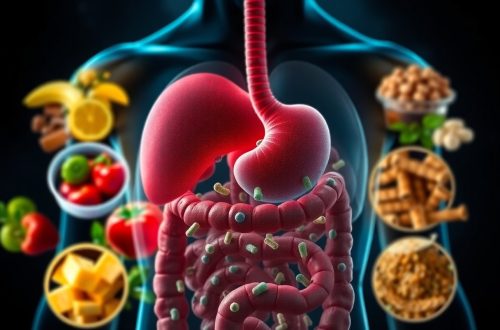
Most people overlook how your digestive health directly impacts your weight loss journey. Understanding the connection between a well-functioning digestive system and effective weight control is vital for you. When your digestive system operates efficiently, it not only helps you absorb vital nutrients but also influences your metabolism and appetite. This blog post explores how prioritizing your digestive health can enhance weight loss outcomes and provide you with practical strategies to improve it for better results.
Key Takeaways:
- A healthy gut supports effective weight loss by improving digestion and nutrient absorption.
- Balanced gut bacteria can reduce cravings and enhance feelings of fullness.
- Incorporating fiber-rich foods and probiotics can promote digestive health and aid in weight management.
Understanding Digestive Health
Your digestive health plays a vital role in overall well-being and weight management. A well-functioning digestive system ensures that nutrients from your food are absorbed efficiently, while waste is eliminated effectively. This balance is imperative for maintaining energy levels, supporting metabolic processes, and controlling appetite. Factors such as diet, stress, and lifestyle can greatly influence your digestive health, underscoring the need for mindful choices to support effective weight loss.
The Gut Microbiome
The gut microbiome consists of trillions of bacteria that reside in your digestive tract. These microorganisms are fundamental in breaking down food, producing imperative vitamins, and regulating immune function. A diverse gut microbiome can enhance digestion and influence body weight by affecting hunger hormones and fat storage. Maintaining a balanced diet rich in fiber, probiotics, and prebiotics can help nurture this microbial community for optimal digestive health.
Digestive Enzymes and Their Function
Digestive enzymes work to break down food into smaller, absorbable components. Each type of enzyme targets different nutrients: amylase breaks down carbohydrates, protease digests proteins, and lipase processes fats. The presence of these enzymes is imperative for efficient digestion and nutrient absorption, impacting your energy output and weight management strategies.
Digestive enzymes are produced primarily in the pancreas and small intestine but can also be found in saliva and the stomach. A deficiency in these enzymes may lead to bloating, gas, and nutrient malabsorption, affecting weight loss efforts. For example, research shows that supplementing with digestive enzymes can alleviate symptoms of indigestion and may assist in better nutrient absorption, helping you optimize the benefits of your diet for weight loss.
The Connection Between Digestion and Weight Loss
Your digestive health directly influences your ability to lose weight effectively. A well-functioning digestive system breaks down food properly, ensures efficient nutrient absorption, and regulates appetite. An imbalance in gut bacteria or digestive issues can lead to weight gain by affecting these processes. By prioritizing digestive health, you can optimize your weight loss journey, making it easier for you to reach and maintain your goals.
[related_posts_banner]Nutrient Absorption
Nutrient absorption is vital for weight loss. When your digestive system functions efficiently, you can absorb vital vitamins and minerals from food. Proper absorption ensures your body receives the energy it needs to support metabolic processes. If you struggle with certain digestive issues, your body might fail to absorb these nutrients, leading to increased cravings and weight gain.
The Role of Fiber
Fiber plays an vital role in weight management and digestive health. It adds bulk to your meals, keeping you full longer. High-fiber foods, like fruits, vegetables, and whole grains, slow down digestion, helping regulate blood sugar levels. This steadiness minimizes hunger pangs and unnecessary snacking, ultimately promoting healthier weight loss.
Incorporating sufficient fiber into your diet can be a game-changer for your weight loss efforts. Aim for at least 25-30 grams of fiber daily by including foods like lentils, oats, chia seeds, and leafy greens. These foods not only support digestion but also foster a healthier gut microbiome. Research shows that a high-fiber diet is linked to lower body weight and reduced fat mass. So, enhancing your fiber intake can lead to effective, sustainable weight loss while improving your overall digestive health.
The Impact of Stress on Digestive Health
Stress significantly affects your digestive health, leading to various gastrointestinal issues. The gut-brain connection indicates that emotional stress can disrupt gut motility, alter gut flora, and affect overall digestive function. Research shows that chronic stress may reduce the production of digestive enzymes and worsen symptoms like bloating and constipation. This creates a feedback loop that may hinder weight loss efforts, as described in The association of weight loss with changes in the gut ….
Stress and Gut Function
Your body reacts to stress by triggering the fight-or-flight response, which can lead to changes in gut function. Stress hormones like cortisol may influence gut motility, slowing digestion or causing spasms. This disruption can lead to discomfort, such as gas, bloating, and even diarrhea, all of which can interfere with nutrient absorption and weight management.
Strategies for Stress Management
Implementing effective stress management strategies can improve your digestive health and support weight loss. Techniques such as yoga, mindfulness, and regular physical activity can help lower stress levels. Additionally, developing a strong support network of friends or family can provide emotional relief and motivation, further enhancing both your mental and digestive well-being.
Incorporating daily practices such as meditation or deep breathing exercises can create a calming routine. Aim for at least 10 minutes of mindfulness each day to reduce anxiety and its impact on digestion. Regular physical activity not only helps reduce stress hormones but also promotes healthier gut bacteria. Establishing a balanced diet rich in fiber, probiotics, and hydration can improve digestion and enhance your stress management efforts, ultimately supporting your weight loss journey.
Foods that Promote Digestive Health
Your dietary choices play a significant role in enhancing digestive health, which is key for effective weight loss. Foods high in fiber, such as whole grains, fruits, and vegetables, help regulate digestion and promote a healthy gut. Incorporating these foods can also influence your gut microbiome makeup, ultimately affecting your weight loss journey.
Probiotics and Prebiotics
Probiotics and prebiotics work together to maintain a healthy gut. Probiotics are beneficial bacteria found in fermented foods like yogurt and sauerkraut, while prebiotics are non-digestible fibers that feed these bacteria. Together, they support digestive health, enhance nutrient absorption, and may aid in weight management.
Anti-inflammatory Foods
Anti-inflammatory foods can significantly improve your digestive function and overall health. Incorporating items like fatty fish, leafy greens, nuts, and berries can reduce gut inflammation, which is linked to various digestive disorders. This approach not only supports digestion but may also help you shed unwanted pounds.
Exploring further into anti-inflammatory foods, they can provide powerful health benefits. For example, omega-3 fatty acids found in salmon and flaxseeds have been shown to reduce gut inflammation and improve metabolic health. Leafy greens like spinach and kale are rich in antioxidants that support a healthy digestive tract. Incorporating these foods into your meals can create a balanced diet that fosters weight loss and supports ongoing digestive wellness.
Effective Weight Loss Strategies
Weight loss strategies must focus on enhancing your digestive health for lasting results. Incorporating a balanced diet that prioritizes fiber and nutrient-dense foods can significantly impact your gut microbiome. This, in turn, affects weight loss efficiency. A deeper understanding of The Connection Between Gut Health and Weight Loss helps you create a tailored approach that works for your body.
Balanced Diet Approaches
Adopting a balanced diet requires a focus on whole foods, including fruits, vegetables, lean proteins, and healthy fats. Prioritizing fiber-rich foods aids digestion and helps maintain satiety, making it easier for you to avoid unhealthy snacks. By choosing nutrient-dense options, you support both your weight loss goals and overall digestive health.
The Importance of Hydration
Hydration plays a vital role in effective weight loss. Staying well-hydrated supports your metabolic processes and helps your body digest food more efficiently. It also reduces feelings of hunger, which can prevent overeating and snacking on unhealthy options.
Drinking adequate water daily can help facilitate digestion and nutrient absorption. Aim for at least eight 8-ounce glasses, or roughly 2 liters, depending on your activity level and climate. Studies show that even mild dehydration can slow your metabolism and hinder weight loss efforts. Incorporating hydrating foods like fruits and vegetables can further enhance your fluid intake, making it easier to stay on track.
Common Digestive Health Issues
Digestive health issues can significantly hinder your weight loss efforts. Conditions such as bloating, constipation, and indigestion disrupt nutrient absorption and can lead to weight gain or hinder weight loss progress. You may also experience altered metabolism and hormonal imbalances, making it challenging to maintain a healthy weight. Addressing these issues with proper dietary adjustments and lifestyle changes is crucial for effective weight management.
Food Sensitivities
Food sensitivities may contribute to digestive discomfort and weight gain. Common culprits include gluten, dairy, and certain additives. When your body struggles to digest these foods, it can lead to inflammation and disturbances in gut health. This inflammation may slow down your metabolism and increase fat storage, making it harder to achieve your weight loss goals.
The Impact of Gut Disorders on Weight
Gut disorders can severely affect your ability to lose weight. Conditions like irritable bowel syndrome (IBS) and inflammatory bowel disease (IBD) often interfere with nutrient absorption, leading to deficiencies that can disrupt metabolism. Additionally, an imbalanced gut microbiome, characterized by an overabundance of harmful bacteria, can cause inflammation. This inflammation tends to promote fat storage, particularly around the abdominal area. Studies indicate that individuals with these gastrointestinal issues often experience difficulty in shedding pounds, underlying the connection between gut health and effective weight management.
Final Words
Ultimately, understanding the connection between digestive health and effective weight loss can empower you to make better decisions for your body. By prioritizing gut health through a balanced diet, proper hydration, and mindful eating habits, you lay a solid foundation for sustainable weight management. This approach not only enhances your overall well-being but also helps you achieve your weight loss goals more efficiently. Embrace these insights, and take actionable steps towards a healthier, happier you.
FAQ
Q: How does digestive health affect weight loss?
A: Digestive health plays a major role in weight loss. A well-functioning digestive system helps absorb nutrients effectively, supports metabolism, and regulates hunger signals. When your gut is healthy, it can process food efficiently. This leads to better energy levels and weight management.
Q: What are the best foods to support digestive health for weight loss?
A: Foods high in fiber, such as fruits, vegetables, whole grains, and legumes, promote digestive health. Fermented foods like yogurt, kefir, and sauerkraut also help by providing beneficial bacteria. Staying hydrated by drinking plenty of water supports digestion as well.
Q: Can stress impact digestive health and weight loss?
A: Yes, stress can significantly affect digestive health. It can lead to issues like bloating and indigestion, which may disrupt appetite and energy levels. Managing stress through relaxation techniques, exercise, and adequate sleep can improve digestive function and support weight loss goals.