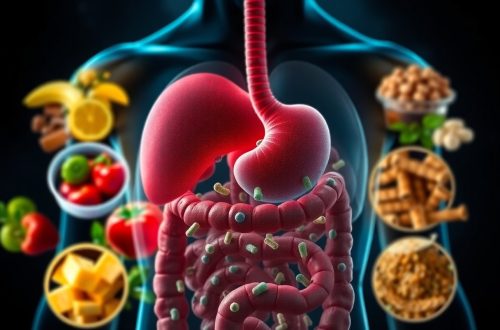
Over recent years, artificial sweeteners have gained popularity as low-calorie alternatives to sugar, but their effects on your gut microbiome diversity and metabolism are complex and often overlooked. This post will explore how these sweeteners influence your digestive health, potentially altering the balance of beneficial bacteria in your gut and the way your body metabolizes food. Understanding these effects is vital for making informed dietary choices that can impact your overall well-being.

Key Takeaways:
- Artificial sweeteners may alter gut microbiome composition, potentially decreasing diversity.
- Some studies suggest a link between artificial sweeteners and metabolic changes, including glucose intolerance.
- The effects of artificial sweeteners on gut health can vary widely among individuals, influenced by personal microbiome composition.
Understanding Artificial Sweeteners
Definition and Types of Artificial Sweeteners
Artificial sweeteners are synthetic sugar substitutes designed to provide sweetness with minimal or no calories. They are often much sweeter than regular sugar, allowing for smaller quantities to be used. Common types include aspartame, sucralose, and saccharin, along with newer entrants like stevia and monk fruit extract.
- Aspartame
- Sucralose
- Saccharin
- Stevia
- Monk fruit extract
Thou might find these alternatives in various food products aimed at reducing sugar intake.
| Type | Sweetness Level |
| Aspartame | 200 times sweeter than sugar |
| Sucralose | 600 times sweeter than sugar |
| Saccharin | 300 to 400 times sweeter than sugar |
| Stevia | 50 to 300 times sweeter than sugar |
Common Uses and Popular Products
You encounter artificial sweeteners in a variety of food and beverage products, including diet sodas, sugar-free snacks, and low-calorie desserts. They serve to enhance sweetness without adding significant calories, making them appealing for weight management.
In the market, you will find numerous popular products utilizing these sweeteners. Diet sodas like Coke Zero and Diet Pepsi are widely consumed, while brands such as Sweet’N Low and Equal are staples in households for use in coffee and tea. Additionally, yogurt and protein bars frequently incorporate these sweeteners, catering to health-conscious consumers looking to limit sugar intake.
[related_posts_banner]Regulatory Status and Approval Process
The regulatory status of artificial sweeteners varies globally, but they must undergo rigorous safety evaluations before approval for public consumption. Agencies like the FDA in the United States assess their safety based on extensive research and testing.
Typically, the approval process for artificial sweeteners involves preclinical studies followed by human trials to evaluate potential health effects. Only after satisfactory data supporting long-term safety is presented do regulatory bodies grant approval. This thorough evaluation is designed to ensure that products are safe for consumer use, reflecting a balance between innovation in food technology and public health safety.
The Gut Microbiome
Overview of the Gut Microbiome
The gut microbiome is a complex ecosystem comprising trillions of microorganisms, including bacteria, viruses, fungi, and archaea, residing in your gastrointestinal tract. These microbes play a key role in digestion, immune function, and metabolism. Their diverse interactions not only contribute to your overall health but also define how well your body can respond to dietary components, including artificial sweeteners. Research indicates that alterations in this microbial landscape can lead to significant health outcomes, as seen in studies examining their differential effects on gut microbiome diversity and …
Importance of Microbial Diversity
Microbial diversity within your gut is paramount for maintaining balance and functionality. A diverse microbiome strengthens your immune response and facilitates more efficient digestion and nutrient absorption. It has been linked to reduced risks of various health issues, including obesity, diabetes, and inflammatory bowel disease.
The variety of bacteria in your gut serves different functions, from breaking down complex carbohydrates to synthesizing vitamins. The interplay between these various species contributes to metabolic processes and protects against pathogenic microorganisms. A loss of diversity can upset the balance, leading to dysbiosis and associated health problems. For instance, studies have shown that individuals with higher microbial diversity have diets rich in fiber and fermentable carbohydrates, highlighting the importance of diverse dietary habits in supporting gut health.
Factors Affecting Gut Microbiome Diversity
Several factors influence the diversity of your gut microbiome, including diet, age, lifestyle, and medication use. Your food choices particularly determine which microbes thrive and which diminish. The habitual intake of processed foods and artificial sweeteners, for example, can substantially alter your microbiome’s composition.
- Dietary patterns and food choices
- Age and developmental stages
- Antibiotic and other medication use
- Environmental exposures and lifestyles
- Genetics and host factors
- Stress levels and mental health
- Any alterations in these factors can lead to significant shifts in your gut microbiome.
Your lifestyle decisions and environmental exposures further shape microbial diversity. Regular physical activity and sufficient sleep can promote a healthier microbiome, while high-stress levels may negatively impact microbial composition. Additionally, recent research indicates that urban versus rural living conditions might influence microbial exposure and diversity, offering fascinating insights into how your surroundings contribute to gut health.
- Dietary habits and preferences
- Physical activity and exercise levels
- Sleep quality and duration
- Exposure to antibiotics and chemicals
- Hygiene practices and environmental cleaniness
- Any combination of these factors can lead to significant shifts in microbial diversity.
Mechanisms of Interaction
How Artificial Sweeteners Influence Gut Microbiota
Artificial sweeteners can alter your gut microbiota composition by promoting the growth of certain bacterial strains while inhibiting others. This shift can lead to decreased microbial diversity, which is crucial for overall gut health. Studies indicate that sweeteners like aspartame and sucralose can favor pathogenic bacteria, potentially leading to dysbiosis. For more information on this topic, visit Artificial Sweeteners And Gut Microbiome.
Effects on Metabolic Processes
Your metabolism may be directly affected by artificial sweeteners through various biochemical pathways. These sweeteners can modify hormonal responses, affecting insulin sensitivity and glucose metabolism, which can influence body weight and fat accumulation.
Research has shown that artificial sweeteners may lead to an increase in insulin levels despite the absence of calories, thereby modifying how your body processes sugars. This alteration in metabolic signaling can result in increased appetite and cravings for sweetness, potentially promoting weight gain and obesity. By interfering with the glucose metabolism process, you may find it harder to keep your blood sugar levels stable.
Impact on Gut Barrier Function
Your gut barrier function may also suffer from the consumption of artificial sweeteners. They have been implicated in increasing intestinal permeability, which can lead to a leaky gut syndrome that allows toxins and bacteria to enter your bloodstream.
A compromised gut barrier can result in inflammation and a cascade of metabolic disturbances. Increased permeability may exacerbate conditions such as irritable bowel syndrome (IBS) and even influence systemic inflammation, further impacting your overall health. The disruption of the gut barrier can pave the way for various chronic diseases, underscoring the profound effects artificial sweeteners can have on your well-being.

Impact on Gut Microbiome Diversity
Studies Linking Artificial Sweeteners to Microbiome Changes
Recent studies have indicated that artificial sweeteners can significantly alter gut microbiome diversity. Research involving human and animal models shows that these sweeteners can lead to an increase in pathogenic bacteria while reducing beneficial ones, potentially leading to imbalances that affect overall health and metabolism. For instance, a study published in “Nature” found that the consumption of aspartame was associated with decreased microbial diversity, which is often linked to metabolic disorders.
Differences in Effects Among Various Sweeteners
The impact of artificial sweeteners on your microbiome can vary significantly depending on the specific type you consume. For example, saccharin and sucralose have shown different effects on microbial communities compared to aspartame and stevia. While some sweeteners may promote beneficial bacteria, others may foster an environment conducive to dysbiosis, affecting your microbiome’s composition in unique ways.
Moreover, studies suggest that saccharin might reduce the abundance of certain beneficial bacteria, leading to increased glucose intolerance, while sucralose does not appear to affect glucose metabolism in the same way. This highlights the need for more nuanced understanding and personalized approaches when incorporating these sweeteners into your diet.
Long-term vs Short-term Effects
The effects of artificial sweeteners on gut microbiome diversity can differ considerably between short-term and long-term consumption. Short-term studies often indicate minimal impacts; however, prolonged intake can lead to significant microbiome shifts that may manifest in metabolic disturbances. Long-term exposure can exacerbate these changes, leading to more pronounced health outcomes.
For instance, one study observed that long-term consumption of aspartame resulted in a substantial decrease in beneficial bacteria populations over several weeks, whereas short-term exposure showed only minor alterations. This suggests that while occasional use may have negligible effects, consistent intake could foster a microbiome environment leading to metabolic issues, reinforcing the importance of moderation in your diet.
Implications for Metabolism
Altered Energy Homeostasis
You may experience changes in energy balance due to artificial sweeteners, which are perceived as calorie-free. Research indicates that their consumption can lead to an increase in caloric intake from other foods, as the body may not adjust its metabolic responses appropriately. This disruption can skew your energy homeostasis and potentially lead to weight gain.
Associations with Obesity and Metabolic Disorders
Emerging evidence links artificial sweeteners to obesity and metabolic disorders, portraying a concerning relationship. You might find that routine consumption correlates with higher instances of weight gain, type 2 diabetes, and other metabolic issues. For further insights, refer to the Effects of Sweeteners on the Gut Microbiota: A Review ….
Influence on Appetite and Food Preferences
Your appetite and food preferences can be influenced by artificial sweeteners, often leading to cravings for sweeter and calorie-dense foods. This behavioral shift may result from their ability to desensitize taste receptors, compelling you to pursue higher sugar and calorie content in meals.
When you consume artificial sweeteners regularly, they may modify your taste preferences over time. This influence can undermine your efforts to maintain a balanced diet, as the body increasingly seeks sweet-tasting options, potentially escalating overall calorie intake without satisfaction. The continual alteration of your taste perception may make it challenging to enjoy whole, less sweet foods, driving unhealthy dietary patterns.
Controversies and Debates
Conflicting Research Findings
Research on artificial sweeteners presents a mixed bag of findings. Some studies show a detrimental effect on gut microbiome diversity, while others suggest minimal or no impact. For instance, a 2018 study indicated that sucralose consumption altered microbiota composition, whereas a 2020 meta-analysis failed to find consistent associations. These discrepancies make it challenging to draw definitive conclusions regarding the implications of artificial sweeteners on gut health.
Public Perception and Media Influence
Media coverage often sensationalizes the potential dangers of artificial sweeteners, leading to widespread public concern. Misinterpretations of scientific findings can shape your perceptions, sometimes exaggerating risks. This phenomenon can result in people avoiding artificial sweeteners, even when they may have minimal impact on gut health.
The way media presents information can heavily influence your understanding of artificial sweeteners. Alarmist headlines often overlook nuances in research and fail to communicate the context behind findings. For instance, a report might highlight a study linking artificial sweeteners to obesity without discussing the study’s specific conditions or limitations. As a result, you might find yourself more skeptical of these products, even if current evidence doesn’t overwhelmingly support these claims.
Recommendations from Health Organizations
Health organizations, including the American Heart Association and the World Health Organization, generally consider artificial sweeteners safe for consumption within established limits. They advocate for moderation rather than complete avoidance, suggesting that you can incorporate these products into your diet without significant concern.
These recommendations are backed by extensive reviews assessing the safety of various artificial sweeteners. For example, the acceptable daily intake (ADI) for aspartame is set at 50 mg/kg body weight, ensuring that you can safely consume it in moderation. Following these guidelines allows you to enjoy a balanced approach, where artificial sweeteners can fit into a broader strategy for managing sugar intake and overall health.
Final Words
Following this, you should recognize that artificial sweeteners can significantly influence your gut microbiome diversity and metabolic processes. Research indicates that these sweeteners may alter the balance of beneficial and harmful bacteria in your gut, potentially leading to metabolic disruptions and health implications. As you navigate your dietary choices, it’s important to consider how these sweeteners may affect not only your taste preferences but also your overall gut health.
FAQ
Q: How do artificial sweeteners affect gut microbiome diversity?
A: Research indicates that artificial sweeteners can alter the composition of gut microbiota, leading to reduced diversity. Some studies suggest that sweeteners like aspartame and sucralose may promote the growth of certain bacteria while inhibiting others, potentially impacting overall gut health.
Q: Can artificial sweeteners influence metabolic functions in the body?
A: Yes, artificial sweeteners may affect metabolic functions by altering glucose metabolism and insulin sensitivity. Some findings suggest that changes in gut microbiome caused by sweeteners could lead to an increase in inflammatory markers, impacting metabolic health and the body’s ability to process sugars effectively.
Q: Are all artificial sweeteners equally impactful on gut microbiome and metabolism?
A: No, the effects vary among different artificial sweeteners. For instance, while sucralose has been found to significantly alter gut microbiota, others like stevia may have a lesser impact. The extent of these effects also depends on individual variability in gut microbiomes and overall diet.