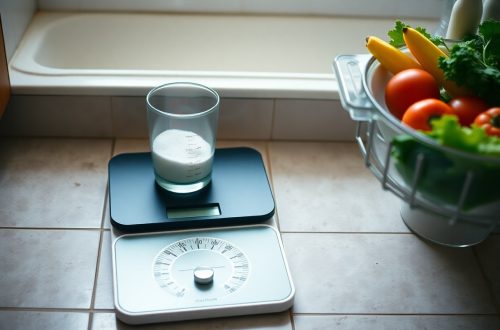
Tracking your health and fitness journey shouldn’t rely solely on a number on the scale. Body composition provides a more comprehensive view of your physical state, focusing on fat, muscle, and other vital components. Discover seven effective methods to better assess your body composition, empowering you to make informed decisions about your health and fitness goals.
Key Takeaways:
- Focus on body composition metrics like muscle mass and body fat percentage, rather than just weight.
- Incorporate measurements such as waist circumference and skinfold calipers for a comprehensive view of health.
- Track progress using performance indicators, energy levels, and how clothes fit to assess overall well-being.
Understanding Body Composition
What is Body Composition?
Body composition refers to the proportion of fat, muscle, bone, and other tissues that make up your body. While weight alone can be misleading, body composition gives you a clearer picture of your overall health and fitness. For instance, two individuals can weigh the same but have significantly different body compositions, affecting their health risks and physical performance.
Importance of Tracking Body Composition
Tracking body composition provides insight beyond your weight, allowing you to understand changes in muscle mass or fat distribution. This data helps inform your fitness regimen, dietary choices, and health goals. It highlights trends that can indicate whether you’re losing fat, gaining muscle, or even retaining water, which can be pivotal for athletes and fitness enthusiasts.
As you monitor your body composition, consider how shifts in percentages of fat versus lean mass directly impact your metabolic health. For example, researchers have found that a higher muscle mass correlates with increased metabolism, which can facilitate weight management. Similarly, tracking visceral fat is crucial, as it’s linked to various health issues like heart disease. You can use various methods to assess your body composition like DEXA scans or skinfold measurements, which can further refine your understanding of your unique health profile and guide your actions effectively.
Limitations of the Scale
The scale can be a misleading indicator of your overall health and body composition. It often fails to distinguish between weight from fat, muscle, and water, leaving you with an incomplete picture of your fitness journey. Depending solely on this number can lead to frustration and an inaccurate assessment of your health progress.
Weight vs. Health
Your weight doesn’t always reflect your health status. Two individuals of the same weight can have drastically different body compositions and levels of fitness. Focusing on weight alone can obscure improvements in muscle mass or fat loss that are vital for better health outcomes.
[related_posts_banner]Misleading Measurements
Relying solely on a scale can yield misleading outcomes. Fluctuations in weight can occur due to water retention, muscle gain, and other factors that don’t relate to fat loss. For instance, a person may weigh the same while experiencing a significant body composition change, gaining muscle and losing fat. Tracking your progress with various methods such as body measurements or body fat percentage provides more comprehensive insights into your health journey.
Body Fat Percentage
Tracking your body fat percentage offers a more accurate insight into your health than weight alone. Your body fat percentage represents the amount of fat in your body compared to everything else, helping you understand your composition better. Measuring success beyond the scale is vital for a comprehensive view of your health; check out this resource to explore body composition in detail.
Methods of Measurement
Several methods exist to measure body fat percentage, each with varying degrees of accuracy and accessibility. Common techniques include skinfold calipers, bioelectrical impedance analysis (BIA), dual-energy X-ray absorptiometry (DXA), and underwater weighing. While tools like calipers and BIA are more accessible for home use, DXA offers the most precision, often found in clinical settings.
Benefits of Tracking
Tracking your body fat percentage allows you to assess your fitness more effectively. It helps you set realistic goals, fine-tune your nutrition and exercise plans, and celebrate progress that may not be reflected on the scale. By focusing on body composition, you can prioritize muscle gain and fat loss, promoting a healthier aesthetic without the pitfalls of weight obsession.
With consistent tracking of body fat percentage, you gain valuable insights into your fitness journey. For example, if you notice a decrease in body fat while maintaining or increasing muscle mass, it indicates successful training and diet strategies. This approach fosters a healthier mindset, moving away from traditional weight-focused views and encouraging positive lifestyle changes tailored to your unique goals.
Circumference Measurements
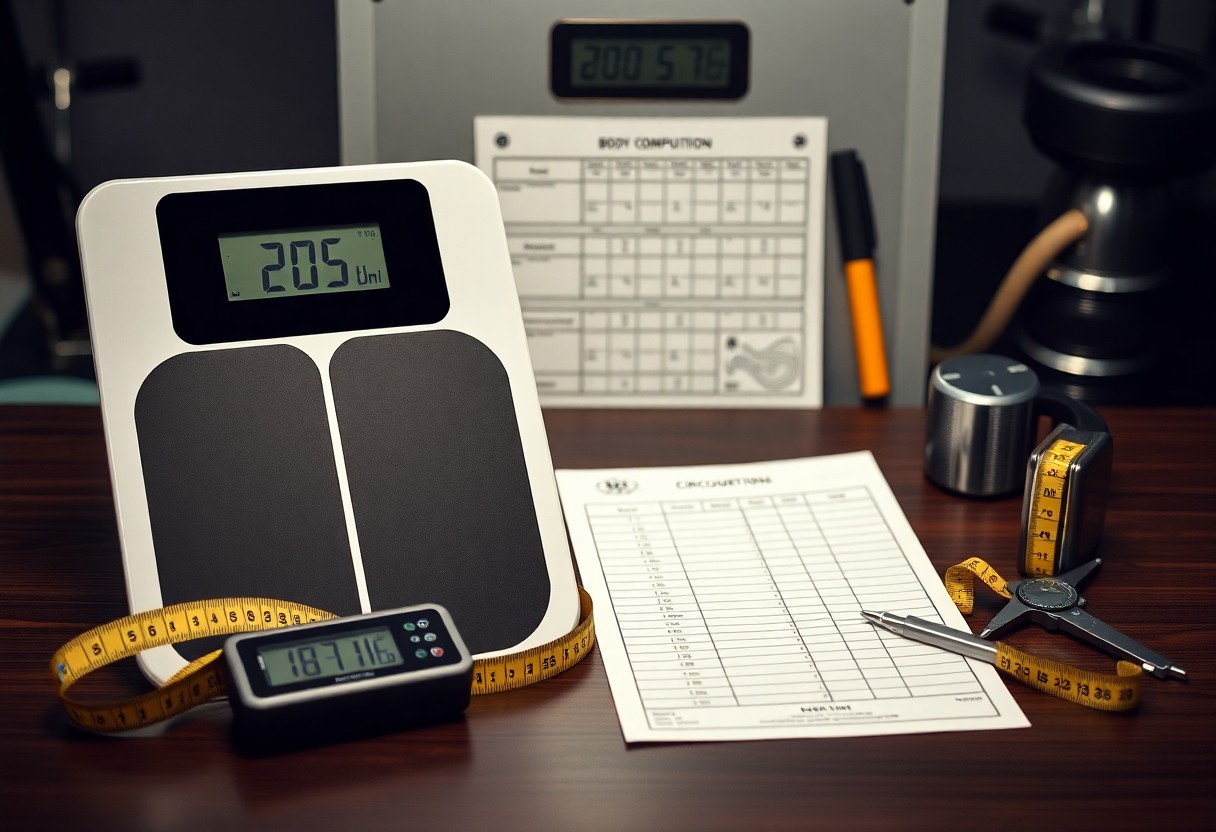
Circumference measurements offer a practical approach to monitor changes in body composition. By measuring specific areas, you can gain insights into fat distribution and muscle growth without relying solely on the scale. Tracking these measurements over time allows you to assess your progress more holistically and is particularly useful during periods of physical training or weight loss.
Key Areas to Measure
Focus on key areas such as your waist, hips, neck, and chest. These locations are significant because they can indicate changes in fat deposits and muscle development. For example, a reduction in waist circumference suggests a decrease in abdominal fat, which is vital for overall health.
Interpreting the Results
Understanding the results of your circumference measurements requires context. Compare your numbers against standard health guidelines or previous measurements. If your waist circumference is exceeding 40 inches for men or 35 inches for women, it may signal an increased health risk, while consistent reductions usually indicate positive lifestyle changes.
When interpreting your results, look for patterns rather than focusing on single measurements. If your waist is shrinking but your hips remain the same, it shows targeted fat loss. Conversely, if measurements increase despite changes in diet and exercise, it may warrant a reevaluation of your routine. Keeping a log of your measurements can visually represent trends and give you a clearer picture of your journey toward improved body composition.
Muscle vs. Fat Analysis
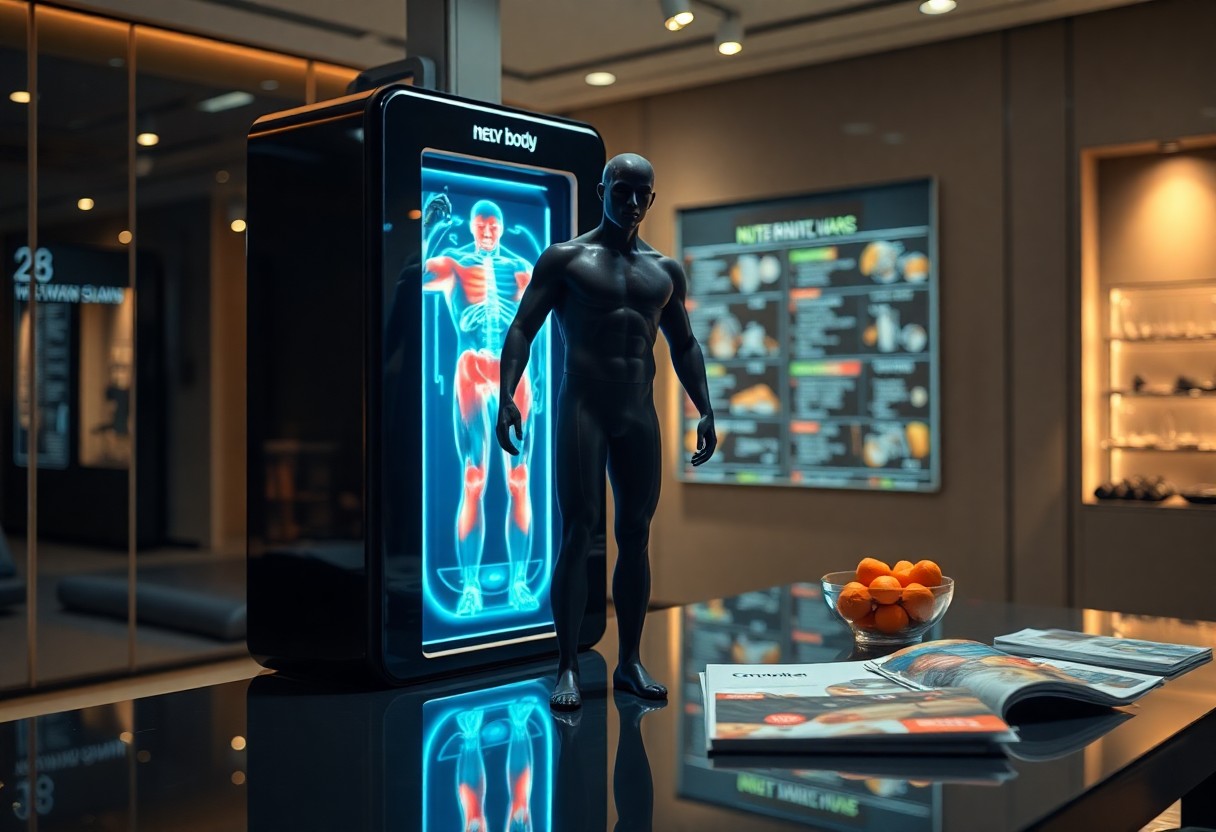
Understanding the differences between muscle and fat is vital for tracking your body composition accurately. While the scale may show your weight, it doesn’t differentiate between lean mass and fat mass, leading to potential misconceptions about your health and fitness. Knowing your muscle and fat composition can guide your training, nutrition, and overall wellness strategies.
Tools for Assessment
You can use various tools to assess muscle and fat levels, enhancing your body composition analysis. Bioelectrical impedance scales provide estimates of body fat percentage by measuring the resistance of electrical flow through your body. DEXA scans and hydrostatic weighing offer more precise assessments, though they may be less accessible. Skinfold calipers are an affordable option that allows you to measure body fat in specific areas.
Understanding the Differences
Distinguishing between muscle and fat is imperative to gauge your fitness progress accurately. Muscle weighs more than fat, yet occupies less space in your body. This means you might weigh the same or even more while losing fat and gaining muscle, leading to misleading interpretations if you only rely on the scale. Instead, track changes in body measurements, appearance, and strength to get a clearer picture of your progress.
Progress Photos
Progress photos serve as powerful visual feedback in your body composition journey. Taking consistent pictures allows you to see physical changes that might not be immediately evident through other tracking methods. By capturing different angles and lighting, you gain a clearer perspective on your transformation over time.
Visual Documentation
Visual documentation through progress photos provides you with a tangible record of your body changes. Establish a routine by taking pictures weekly or bi-weekly in the same location and clothing. Consistency in these factors ensures your images reflect true changes, allowing you to focus on the journey rather than just the destination.
Comparison Over Time
Comparing progress photos over time can reveal significant transformations that the scale may not show. A side-by-side view offers a direct comparison, highlighting muscle definition, fat loss, or changes in posture. This method reinforces motivation and enhances your understanding of body composition shifts throughout your fitness journey.
| Encouragement | Provides motivation when progress feels slow. |
| Visual Proof | Offers undeniable evidence of your efforts and achievements. |
| Self-Awareness | Increases your awareness of physical changes, improving body image. |
| Goal Tracking | Helps you visualize the progress toward set fitness goals. |
To enhance your experience with comparison over time, analyze your progress photos at regular intervals, such as every month or after reaching specific milestones. Highlight physical attributes that are evolving—like muscle tone or reduced measurements. This method not only fortifies your commitment but also fosters a deeper understanding of how your body responds to changes in exercise and nutrition.
| Lighting | Use natural lighting to accurately depict your physique. |
| Clothing | Wear the same outfit for uniformity in comparisons. |
| Angles | Take photos from the front, side, and back to capture full perspective. |
| Background | Choose a consistent background for clarity and focus on your progress. |
Summing up
Presently, tracking your body composition goes beyond just monitoring weight on a scale. By incorporating methods such as body measurements, skinfold calipers, and bioelectrical impedance, you gain a comprehensive view of your health. Utilizing these strategies allows you to assess your progress more accurately and align your fitness goals with your overall wellness. Embracing this holistic approach empowers you to make informed decisions about your body and fosters greater motivation throughout your journey.