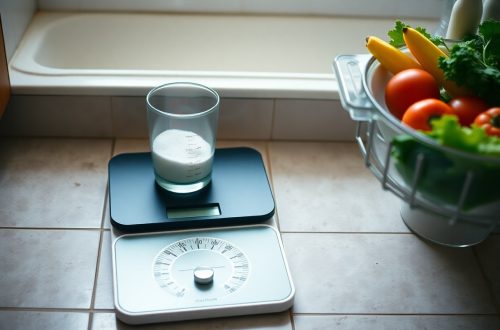
Over the years, tracking macros has emerged as a popular method for achieving weight loss goals while still enjoying your favorite foods. This guide will empower you to understand the imperatives of macro tracking, enabling you to maintain a balanced and sustainable approach to dieting. By learning how to effectively monitor your macronutrient intake, you can enjoy the foods you love without the stress of constant calorie counting. Dive in to discover strategies to make macro tracking a straightforward and positive part of your weight loss journey.

Key Takeaways:
- Tracking macros promotes a balanced approach to eating, allowing flexibility while maintaining nutritional goals.
- Use technology, such as apps, to simplify the tracking process and reduce the time spent on meal planning.
- Focus on whole, nutrient-dense foods rather than just numbers to create a sustainable eating habit.
Understanding Macros
What Are Macros?
Macros, short for macronutrients, are the nutrients your body needs in larger quantities to function effectively. They include carbohydrates, proteins, and fats, each playing a unique role in your overall health and fitness. Understanding how these macronutrients work together can help you achieve your weight loss goals without fixating on every calorie.
The Role of Macros in Weight Loss
Your macronutrient ratio can significantly impact your weight loss journey. By balancing your intake of carbs, proteins, and fats, you can enhance metabolism, control hunger, and provide your body with necessary energy. Rather than merely counting calories, focusing on macros allows you to develop a sustainable eating approach tailored to your personal needs.
Balancing macronutrients helps manage hunger and energy levels, promoting weight loss without deprivation. For instance, incorporating adequate protein can prevent muscle loss during weight loss, while healthy fats can increase satiety and minimize cravings. Adjusting your macro ratios based on your activity levels and weight loss goals improves the efficiency of your diet plan.
Types of Macronutrients
There are three primary types of macronutrients you need to know: carbohydrates, proteins, and fats. Each type offers unique benefits and contributes to your overall health and weight loss strategy. By understanding the function of each macro, you can make informed choices about your meals and snacks.
[related_posts_banner]- Carbohydrates provide energy and should come from whole foods.
- Proteins support muscle repair and growth while aiding in satiety.
- Fats are vital for hormone production and nutrient absorption.
- Each macro contributes to your calorie intake and physical well-being.
- This knowledge empowers you to create a balanced diet that fits your lifestyle.
| Macronutrient | Function |
| Carbohydrates | Primary energy source |
| Proteins | Muscule repair and growth |
| Fats | Hormone production and absorption |
| Fiber (a carb) | Digestive health |
Understanding the types of macronutrients can transform how you view your meals. Each plays a specific role in energy, recovery, and overall health. Carbohydrates should generally come from whole grains, fruits, and vegetables, while proteins should be sourced from lean meats, legumes, and dairy. Meanwhile, healthy fats found in avocados, nuts, and olive oil should make up your dietary fat intake. This knowledge allows you to create meals that support your weight loss goals effectively.
- Whole grains and legumes are ideal carbohydrate sources.
- Lean meats and leafy greens provide necessary proteins.
- Nuts, seeds, and avocados supply healthy fats.
- Choosing variety ensures a spectrum of vitamins and minerals.
- This approach sets the foundation for a balanced meal plan that promotes weight loss.
| Food Type | Example |
| Carbohydrates | Quinoa, Oats |
| Proteins | Chicken, Tofu |
| Fats | Olive Oil, Almonds |
| Dairy | Greek Yogurt |

Factors Influencing Macro Needs
- Your individual goals
- Your activity level
- Your body composition
- Your age and gender
The right macro balance hinges on various factors that define your unique nutritional needs. Understanding these elements helps you avoid unnecessary stress over food while effectively reaching your goals. For more details, check out How to Count Macros: A Dietitian’s Guide for Beginners.
Individual Goals
Your specific weight loss or fitness goals shape your macro requirements. Whether you aim to shed fat, gain muscle, or maintain weight, each objective necessitates a different ratio of carbohydrates, proteins, and fats. Tailoring your macro intake to these goals enhances your likelihood of success.
Activity Level
Your daily physical activity plays a significant role in determining your macro needs. Sedentary individuals will naturally require fewer carbohydrates compared to those who engage in regular, intense workouts, as energy demands vary significantly between these lifestyles.
<p.Extensive activity raises your caloric needs, leading to increased carbohydrate requirements for energy and possibly higher protein needs for muscle recovery. Conversely, lower activity levels allow for reduced carbohydrate intake while maintaining adequate protein and fat ratios to support overall health.
Body Composition
<p.Your body composition, including your fat and lean muscle mass, also influences macro needs. A higher muscle mass typically requires more protein to maintain and build muscle, while a higher fat percentage may shift your focus more toward fats for sustained energy. Tailoring your intake based on composition aids in achieving your desired physique.
<p.Considering body composition as part of your macro calculation helps you optimize nutrient intake effectively. This may involve regular assessments to adjust your macros as your body changes, ensuring that you support both fat loss and muscle preservation.
Age and Gender
<p.Age and gender are important factors that affect both metabolism and nutritional requirements. Generally, younger individuals have higher caloric needs due to more significant muscle repair and growth, while older adults may require fewer calories as metabolism slows. Gender can also dictate differences in hormonal balance and body type, influencing protein and fat needs.
<p.Accounting for these variables allows you to personalize your macro distribution more accurately. For instance, women may need less protein than men due to different muscle mass, while older adults might focus on higher protein to combat age-related muscle loss.
Step-by-Step Guide to Tracking Macros
Key Steps to Effective Macro Tracking
| Step | Description |
| Assessing Your Current Diet | Evaluate what you currently eat to understand your baseline macro intake. |
| Setting Macro Goals | Define your specific macro targets based on your objectives. |
| Tools for Tracking | Utilize apps and resources to monitor your macro consumption. |
| Learning to Read Nutrition Labels | Understand how to interpret labels for accurate tracking. |
Assessing Your Current Diet
Start by logging everything you consume for a week. This will provide valuable insights into your current macro intake, revealing patterns and areas for improvement. You might be surprised by how certain foods can contribute to your totals, helping you make informed choices moving forward.
Setting Macro Goals
Your macro goals should align with your weight loss objectives and personal preferences. Assess factors like your current weight, target weight, and activity level to determine how many grams of protein, fats, and carbohydrates you should aim for daily.
For instance, if you’re looking to lose weight, a common macro ratio might be 40% protein, 30% fat, and 30% carbohydrates. Use calculators available online or consult with a nutritionist to personalize these ratios according to your specific needs. The right distribution can make a significant impact on your weight loss journey.
Tools for Tracking
Select tools that simplify the tracking process, making it easier to stay on target with your macros. Popular apps like MyFitnessPal or Cronometer have extensive food databases and allow you to scan packaging for quick entry.
These tools not only track your food intake but also provide insights into your nutritional status. Some even allow you to set reminders, making it easier to stay diligent without feeling overwhelmed by the task of tracking every bite. Investing time in familiarizing yourself with these resources can streamline your journey significantly.
Learning to Read Nutrition Labels
Taking the time to understand nutrition labels will enhance your ability to track macros accurately. Focus on serving sizes, total calories, and breakdowns of protein, fats, and carbohydrates to gauge how a food fits into your daily intake.
Many labels also provide estimates of added sugars and fiber, which can influence your overall health and how full you feel after eating. By mastering this skill, you can make empowered decisions in the grocery store, choosing options that align with your macro goals. For additional insights, check out Macros for Weight Loss: Your Essential Guide.
Tips for Effective Macro Tracking
- Set realistic goals and adjust as necessary.
- Utilize a reliable macro tracking app for convenience.
- Keep a food diary to increase awareness of eating patterns.
- Focus on whole, nutrient-dense foods to meet your macros.
- Evaluate your progress regularly to stay motivated.
- Be mindful of portion sizes to ensure accuracy.
- Experiment with different foods to keep your diet enjoyable.
Any of these strategies can help simplify the process and make tracking macros feel less overwhelming.
Meal Prepping for Success
Meal prepping serves as a practical approach to streamline your macro tracking. By preparing meals in advance, you gain better control over your ingredients and portions, making it easier to stay within your macro targets. This practice not only saves time during the week but also helps prevent impulse eating and unplanned indulging.
Finding Balance Without Obsession
Striking a balance while tracking macros is important to avoid creating a negative relationship with food. You can enjoy flexibility by allowing occasional treats without derailing your overall goals. This mindset can transform macro tracking from a rigid structure into a more holistic approach to balanced eating.
Finding that balance means recognizing that food serves not just as fuel but also as a source of enjoyment and social connection. Embrace a lifestyle where macro tracking supports your health journey rather than dictating it. By remaining adaptable and open to various foods, you can foster a positive relationship with eating while still reaching your weight loss objectives.
Listening to Your Body’s Signals
Your body’s hunger and fullness signals are crucial guides in effective macro tracking. Tuning in to these signals can help you make better food choices and determine when to eat or stop eating, minimizing the risk of mindless snacking or overeating.
Understanding and responding to your body’s signals allows you to become more intuitive about your eating habits. It cultivates mindfulness and helps you appreciate food’s role in your well-being. Pay attention to how different foods make you feel, as this knowledge can inform future choices that align with your macro goals.
Avoiding Common Pitfalls
Common pitfalls in macro tracking include becoming overly strict, neglecting variety, or allowing social situations to derail your progress. By being aware of these challenges, you can develop strategies to maintain balance while pursuing your macro goals.
Recognizing these pitfalls is the first step towards creating a sustainable tracking method. Over-restriction can lead to burnout; therefore, focusing on a variety of foods is vital. Remember that social situations are part of life, and having the flexibility to enjoy meals with friends and family while incorporating tracking can help maintain motivation and satisfaction in your journey.
Pros and Cons of Macro Tracking
| Pros | Cons |
| Provides a clear structure for your diet. | Can become overly time-consuming. |
| Encourages food awareness and education. | May lead to obsessive behavior in some individuals. |
| Supports weight loss through better portion control. | May cause stress over food choices. |
| Allows for flexibility with food choices. | Requires consistent tracking effort. |
| Helps identify nutrient deficiencies. | Can be complicated for beginners. |
| Facilitates better meal planning. | May promote a restrictive mindset. |
| Encourages balanced macronutrient intake. | Limited focus on micronutrients. |
| Can enhance workout performance through optimal fueling. | Some apps may not be entirely accurate. |
| Supports sustainable habits when done correctly. | Requires adaptation during social events. |
| Can be motivational through seeing progress. | May not be suitable for all personalities. |
Advantages of Tracking Macros
Tracking macros allows you to gain a detailed understanding of your eating habits, which leads to more informed decisions about food. This awareness can empower you to create personalized meal plans that align with your weight loss goals, fostering not only mindfulness but also a sense of control over your diet. Additionally, by focusing on macronutrients, you can ensure you are getting a balanced intake that supports overall health while still enjoying a variety of foods.
Potential Drawbacks and Challenges
While macro tracking can provide valuable insights, it is not without its complications. The strict nature of tracking every meal might lead to obsessive behaviors, and for some, the stress of constantly measuring and logging food can overshadow the benefits. You might also find it challenging to maintain consistency, especially when dining out or attending social gatherings where measuring portions isn’t possible.
Moreover, the potential for anxiety around food choices can arise, as individuals may feel pressured to meet specific macro goals, which can detract from enjoying meals. If you experience feelings of guilt for not adhering strictly to your targets, it could hinder your relationship with food and create an unhealthy mindset toward eating. It’s important to weigh these factors before committing to a rigorous tracking system.
Alternatives to Macro Tracking
If macro tracking feels overwhelming, consider alternatives that promote a healthy relationship with food. Intuitive eating, for example, encourages listening to your body’s hunger cues and eating in response to them, allowing for a more natural approach to diet without the confines of tracking numbers.
You could also explore meal planning or focusing on whole, unprocessed foods as a strategy. Cooking at home and building a plate focused on vegetables, lean proteins, and healthy fats can help you achieve balance without strict numerical guidelines. The goal is to foster habits that support health and well-being while eliminating the stress that often accompanies meticulous tracking.

Maintaining a Healthy Relationship with Food
Overcoming Fear of Food
Fear of food can hinder your weight loss journey. Break the cycle by challenging negative beliefs about certain foods. Educate yourself on nutrition, understanding that all foods can fit into a balanced diet. By gradually reintroducing previously avoided foods, you can lessen anxiety and discover that moderation is key. This approach not only helps to reduce fear but also encourages a more varied and enjoyable diet. For more insights, check out Macro Tracking Made Easy: Let Go of the Small Stuff.
Practicing Mindful Eating
Mindful eating encourages you to be present during meals. Focus on the flavors, textures, and your body’s cues of hunger and fullness. This practice allows you to cultivate a deeper appreciation for food, shifting your mindset from one of restriction to enjoyment. By being attentive to your eating experiences, you can create a more satisfying relationship with your meals.
Strategies for Avoiding Obsession
To prevent an obsession with food tracking, set boundaries around your tracking habits. Allocate specific times for logging your meals and use flexible guidelines rather than rigid rules. Emphasize overall well-being over numbers, allowing yourself to enjoy spontaneous meals with friends and family. By fostering a balanced approach, you can still achieve your goals without becoming overly consumed by food.
Additionally, consider focusing on the bigger picture of health rather than daily numbers. Reflect on how certain meals make you feel physically and emotionally. Engage in other activities that promote wellness, such as exercise or hobbies, which can distract from obsessive thoughts about food. Cultivating a diverse range of interests enables you to see food as one part of a fulfilling life rather than the sole focus.
To wrap up
On the whole, mastering macro tracking for weight loss allows you to achieve your goals without becoming fixated on every meal. By understanding the fundamentals of macros, you can develop a balanced approach that fits your lifestyle and preferences. This guide equips you with the tools to make informed choices, enabling you to enjoy your favorite foods while still progressing toward a healthier you. Embrace flexibility and mindfulness in your eating habits, and you’ll find that sustainable weight loss is not only possible but enjoyable.
FAQ
Q: What are macros and why are they important for weight loss?
A: Macros, or macronutrients, refer to the three main nutrients: carbohydrates, proteins, and fats. They provide energy and play crucial roles in bodily functions. Tracking macros helps ensure a balanced diet while promoting weight loss by allowing individuals to consume the right amounts of each nutrient according to their goals.
Q: How can I track my macros effectively without stressing over food?
A: Utilizing apps or food diaries can simplify macro tracking. Focusing on whole foods and preparing meals in advance can alleviate stress. Setting realistic goals and allowing for flexibility in your eating habits can also contribute to a more positive experience while tracking macros.
Q: Can I enjoy my favorite foods while tracking macros?
A: Yes, you can enjoy your favorite foods while tracking macros. The key is moderation and balancing your intake. Allowing some flexibility within your macro limits can help maintain satisfaction and reduce feelings of deprivation, making the process more sustainable.