There’s a growing concern about the relationship between blue light exposure from screens and your late-night snacking habits. As you engage with devices before bed, the blue light emitted can disrupt your sleep cycle, leading to cravings for unhealthy foods. Understanding this link empowers you to make informed choices, ultimately improving both your sleep quality and eating habits. By recognizing how blue light affects your brain, you can break the cycle of screen-induced munching and foster a healthier nighttime routine.
Key Takeaways:
- Exposure to blue light from screens can disrupt circadian rhythms, leading to increased late-night snacking.
- The consumption of high-calorie snacks is often linked to screen time, particularly during evening hours.
- Reducing screen time before bed may help decrease late-night eating habits and improve sleep quality.
Understanding Blue Light
Blue light is a high-energy, short wavelength light that is emitted by various digital devices, including smartphones, tablets, computers, and LED lighting. This type of light plays a significant role in regulating your body’s internal clock, or circadian rhythm, influencing when you feel awake and when you feel sleepy. Prolonged exposure, especially at night, can interfere with your natural sleep patterns and trigger cravings, often leading to snacking as you try to stay awake.
Sources of Blue Light
Your primary sources of blue light include screens from smartphones, tablets, and computers, as well as LED and fluorescent lighting. While natural sunlight is the largest source, artificial blue light exposure has dramatically increased with technology. Even modern appliances, such as televisions and some light bulbs, emit blue light, which can add to your overall exposure throughout the day.
Effects on Sleep Patterns
Exposure to blue light during evening hours can significantly disrupt your sleep cycles by inhibiting melatonin production, the hormone responsible for sleep regulation. This disruption not only makes it harder for you to fall asleep but also can affect the quality of your sleep, leading to daytime fatigue and increased cravings for energy-dense foods as your body seeks quick sources of energy.
Studies suggest that individuals exposed to blue light before bedtime experience a reduction in total sleep time and an increase in sleep latency, meaning it takes longer to fall asleep. One study found that participants using screens in the hour before bed got nearly an hour less sleep than those who avoided screens. This sleep deprivation can trigger hormonal changes, specifically affecting ghrelin and leptin, the hormones that control hunger and satiety. This hormonal imbalance can lead to late-night snacking, making it imperative to manage your blue light exposure for better sleep and healthier eating patterns.
The Impact of Late-Night Snacking
Late-night snacking can disrupt your sleep cycle and influence weight gain. Eating heavy meals or high-sugar snacks before bed often leads to insomnia or poor-quality sleep, affecting your energy levels and cognitive function the next day. Additionally, it can create a dependency on food for comfort, making it challenging to break the cycle of eating late at night.
[related_posts_banner]Psychological Factors
Your emotional state plays a significant role in late-night snacking habits. Often, feelings of stress, boredom, or anxiety lead you to seek out comfort foods as a form of emotional regulation.
- Stress can provoke cravings for high-fat, high-sugar foods.
- Reward pathways in your brain become activated with food consumption.
- Associative learning links screens with snacks, particularly during binge-watching sessions.
Recognizing these patterns is the first step toward breaking the cycle.
Physiological Effects
Late-night snacking can significantly impact your body’s metabolic processes. Eating at night often results in elevated insulin levels, which can hinder fat burning and lead to weight gain. Moreover, your body’s natural circadian rhythms are disrupted, impeding proper digestion and nutrient absorption.
Research indicates that nighttime eating can alter hormones like ghrelin and leptin, leading to increased hunger and decreased feelings of fullness. The body may also struggle to process food effectively during these hours, heightening the risk of gastrointestinal discomfort and sleep disturbances. Disrupted sleep patterns contribute to fatigue, which can create a vicious cycle, prompting you to rely more on food for energy. Understanding these physiological responses is imperative for making informed choices about late-night eating habits.
The Relationship Between Blue Light and Eating Habits
The connection between blue light and your eating habits is increasingly evident. Exposure to screens late at night can lead to a disruption in your circadian rhythms, which affects your hunger cues and overall appetite regulation. This misalignment may cause you to feel hungrier than usual, prompting late-night cravings for snacks that usually result in poorer food choices. Understanding this link can help you mitigate its effects and make smarter decisions about your nighttime eating habits.
Link to Appetite Regulation
Blue light exposure alters the levels of hormones that regulate your appetite, particularly leptin and ghrelin. Leptin, which signals satiety, can decrease, while ghrelin, which stimulates hunger, can increase. As you scroll through screens, especially during late hours, the typical feedback cycle that keeps your hunger in check gets disrupted, making you more likely to snack unnecessarily.
Influence on Food Choices
Your food choices can be heavily influenced by blue light exposure, often steering you toward high-calorie, processed snacks. Late-night screen time can create an environment where convenience trumps nutritional quality. Lack of sleep combined with heightened appetite increases the likelihood of reaching for sugary or fatty foods, resulting in detrimental effects on your diet.
This tendency is backed by studies showing that individuals who consume media while snacking tend to choose less nutritious options. When you’re distracted by a screen, you might not pay full attention to your cravings, leading to impulsive decisions driven by convenience rather than health. For instance, research indicates that nighttime television watchers are more prone to choosing chips or ice cream over fruits or vegetables. Creating mindful snacking habits can combat this trend and promote healthier choices in the evenings.

Strategies to Mitigate Blue Light Exposure
Technology Use Guidelines
To reduce blue light exposure, limit screen time at least two hours before bedtime. Utilize blue light filters on devices, or opt for ‘night mode’ settings that adjust screen warmth as evening approaches. Consider using blue light-blocking glasses when using screens at night, which can help ease eye strain and improve sleep quality.
Environmental Adjustments
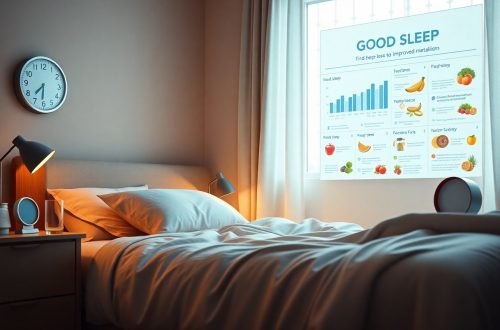
Adjust your environment to foster relaxation and minimize blue light exposure. Dimming overhead lights, utilizing soft lighting, and incorporating natural elements can create a calming atmosphere. Additionally, placing screens away from your primary relaxation areas, like bedrooms, can help reinforce a healthier boundary between technology use and rest.
Another effective environmental adjustment involves incorporating soft, warm lighting options such as lamps or candles during your evening routine. This shift not only creates a serene ambiance but also reduces the harshness of blue light emitted from screens. Using task lighting for reading or other activities can maintain functionality without overwhelming your senses. Strategically positioning plants or natural materials in your space may also contribute to an overall sense of tranquility, further distancing you from screens while promoting healthier habits in your late-night environment.
Healthy Late-Night Snack Alternatives
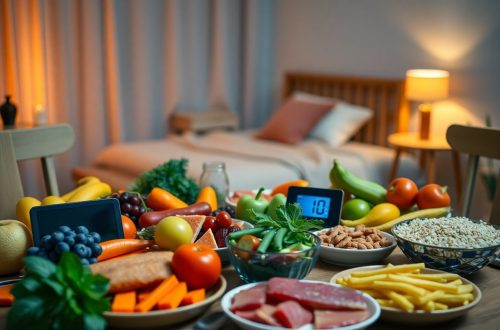
Finding healthier options for late-night snacks can significantly improve your overall health and sleep quality. Opt for foods high in protein, fiber, or healthy fats, such as Greek yogurt, nuts, or raw veggies with hummus. These choices will not only satisfy your cravings but also prevent you from consuming empty calories that contribute to weight gain.
Nutritional Considerations
When choosing late-night snacks, focus on nutrient density rather than calorie density. Select foods rich in protein and fiber to keep you satisfied while minimizing blood sugar spikes. For instance, a small bowl of cottage cheese with fruit can provide protein and crucial vitamins, promoting a balanced diet without excess calories.
Portion Control Strategies
Controlling portions during late-night snacking is key to avoiding overeating. Use smaller plates or bowls to visually trick your brain into believing you’re eating more. Pre-portion snacks in advance to limit accessibility to excess amounts and practice mindful eating—savor each bite and listen to your body’s hunger signals.
Specific methods to implement portion control include measuring out snacks using standard serving sizes, which helps you stay within recommended guidelines. Keeping unhealthy snacks out of immediate reach or opting for pre-packaged, portion-controlled options can further reduce the temptation to overindulge. Additionally, consider engaging in relaxing activities like reading or meditating to shift your focus from snacking to winding down before bed.

The Role of Mindful Eating
Mindful eating serves as a powerful tool in breaking the cycle of blue light-induced late-night snacking. A study links evening blue light exposure to increased hunger, highlighting the importance of engaging with your food. By practicing mindfulness, you enhance awareness of your body’s hunger signals, allowing you to differentiate between emotional cravings and genuine appetite.
Awareness of Eating Triggers
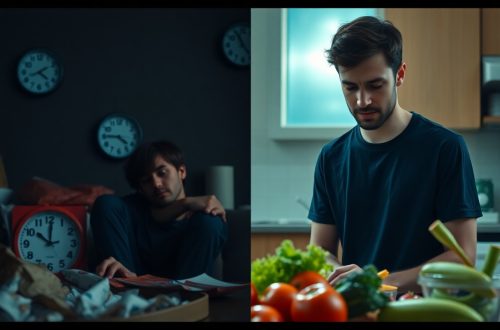
Recognizing your eating triggers can significantly alter your late-night snacking habits. Whether stress, boredom, or the lure of a screen, identifying these factors can help you make informed choices. Journaling your feelings when cravings arise can bring clarity and help you navigate these urges more effectively.
Techniques for Mindful Consumption
Implementing mindful consumption techniques can transform your snacking habits. Start by slowing down your eating pace, savoring each bite to enhance flavor perception. Additionally, create a distraction-free environment, focusing solely on your meal or snack without screens around you. This not only improves enjoyment but also aids in recognizing when you are truly satisfied.
When you engage completely with what you eat, you naturally reduce the likelihood of overeating. Simple practices like putting your phone away, chewing your food thoroughly, and minimizing portion sizes can significantly improve your relationship with food. Incorporating mindfulness apps or guided meditation before meals can also serve as gentle reminders to focus, cultivating a healthier snacking routine while reducing nighttime urges influenced by blue light exposure.
Summing up
Summing up, understanding the connection between blue light exposure and late-night snacking can significantly improve your overall health. By minimizing screen time before bed and opting for healthier snack alternatives, you can break this cycle and enhance your sleep quality. You have the power to prioritize your well-being by making mindful choices about your evening routine, allowing you to maintain a balanced lifestyle and reduce unnecessary cravings. Taking these steps will benefit both your physical health and your mental clarity.