Spring is the perfect time for a dietary overhaul as you transition into warmer months. By evaluating your current eating habits and making intentional changes, you can refresh your meals and enhance your overall well-being. This blog post will provide you with effective strategies to declutter your diet, replace processed foods with nutritious options, and embrace seasonal produce, ensuring you feel revitalized and energized for the months ahead.
Key Takeaways:
- Prioritize whole and unprocessed foods to improve nutritional intake.
- Incorporate meal planning to reduce impulsive and unhealthy eating choices.
- Stay hydrated and limit added sugars to enhance overall health.
Understanding the Importance of a Clean Diet
A clean diet plays a vital role in your overall well-being, impacting everything from physical health to energy levels. By focusing on whole, nutrient-dense foods, you can reduce inflammation, enhance digestion, and improve your mood. This foundation supports better immune function and a healthier weight. For more insights on cleansing your eating habits, check out “Spring Cleaning” Our Eating Habits – [email protected].
Benefits of Seasonal Diet Changes
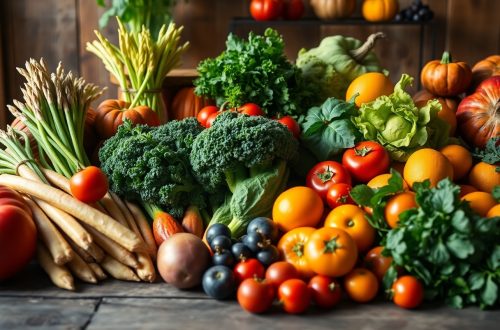
Adapting your diet with the seasons offers numerous benefits, such as increased access to fresh, local produce and enhanced nutrient intake. Seasonal foods typically have a richer flavor and higher nutritional value, and they can also reduce your carbon footprint. By embracing seasonal eating, you cultivate a varied diet that supports your health year-round.
Psychological Impacts of a Fresh Start
A fresh start can significantly uplift your mental state, improving motivation and productivity. Changing your diet signals a reboot, fostering a positive outlook and encouraging self-care. As you shed old habits and embrace new, healthier choices, you may experience a boost in confidence, resilience, and overall happiness.
[related_posts_banner]Engaging in a fresh dietary shift can catalyze a series of beneficial psychological changes. When you prioritize healthful foods, you cultivate mindfulness around eating, leading to better decision-making and emotional satisfaction with meals. Moreover, studies show that individuals who make healthy dietary changes often report lower levels of anxiety and improved mood. This positive feedback loop reinforces your commitment, ultimately aiding mental stability and well-being.
Evaluating Your Current Diet
To effectively spring clean your diet, start by evaluating what you currently consume. Review your daily meals, snacks, and beverages to identify patterns that might be hindering your health. This assessment allows for a clear picture of your eating habits and highlights areas that need adjustment. By understanding your dietary intake, you can make informed changes that support your health goals.
Identifying Unhealthy Habits
Take the time to pinpoint specific unhealthy habits that impact your diet. This could include late-night snacking, relying on fast food, or consuming excessive sugary beverages. Recognizing these patterns is the first step towards making meaningful changes. You might find that small shifts, like choosing whole foods over processed options, can significantly improve your overall nutrition.
Tracking Nutritional Intake
Monitoring your nutritional intake is an excellent way to gain insights into your eating habits. Consider using a food diary or a tracking app to record everything you consume for a week. This can reveal dietary imbalances, such as low protein intake or excessive sugar consumption. By quantifying your food choices, you can identify areas for improvement and set specific goals to better align your diet with your health objectives.
When tracking your nutritional intake, focus on detail and accuracy for the best results. Include measurements, cooking methods, and portion sizes. Utilize apps like MyFitnessPal or Cronometer, which make it easy to log meals and track macronutrients. Aim for a holistic view by also noting your mood and energy levels related to your food intake. This practice provides valuable feedback and can highlight correlations between what you eat and how you feel, empowering you to make healthier decisions. Over time, this detailed awareness fosters a more mindful approach to eating.
Setting Realistic Goals for Improvement
Establishing realistic goals is necessary for sustainable dietary changes. Instead of setting vague intentions, focus on specific, measurable objectives that align with your lifestyle. For instance, aim to incorporate at least one new vegetable into your meals each week or replace sugary snacks with fruits and nuts. Small, achievable goals can keep you motivated and provide a sense of accomplishment as you progress.
Short-term vs Long-term Goals
Short-term goals focus on quick, manageable changes, while long-term goals set the direction for your overall health journey. For example, you might start with a weekly commitment to cooking more at home (short-term) while eventually aiming to maintain a balanced diet rich in whole foods for the rest of your life (long-term). Both types of goals reinforce each other and help you stay on track.
Creating a Balanced Meal Plan
A balanced meal plan should incorporate a variety of food groups, ensuring you receive the necessary nutrients. Aim to include lean proteins, whole grains, healthy fats, and a colorful assortment of fruits and vegetables at each meal. This variety not only aids in nutrient intake but also keeps your meals interesting and satisfying.
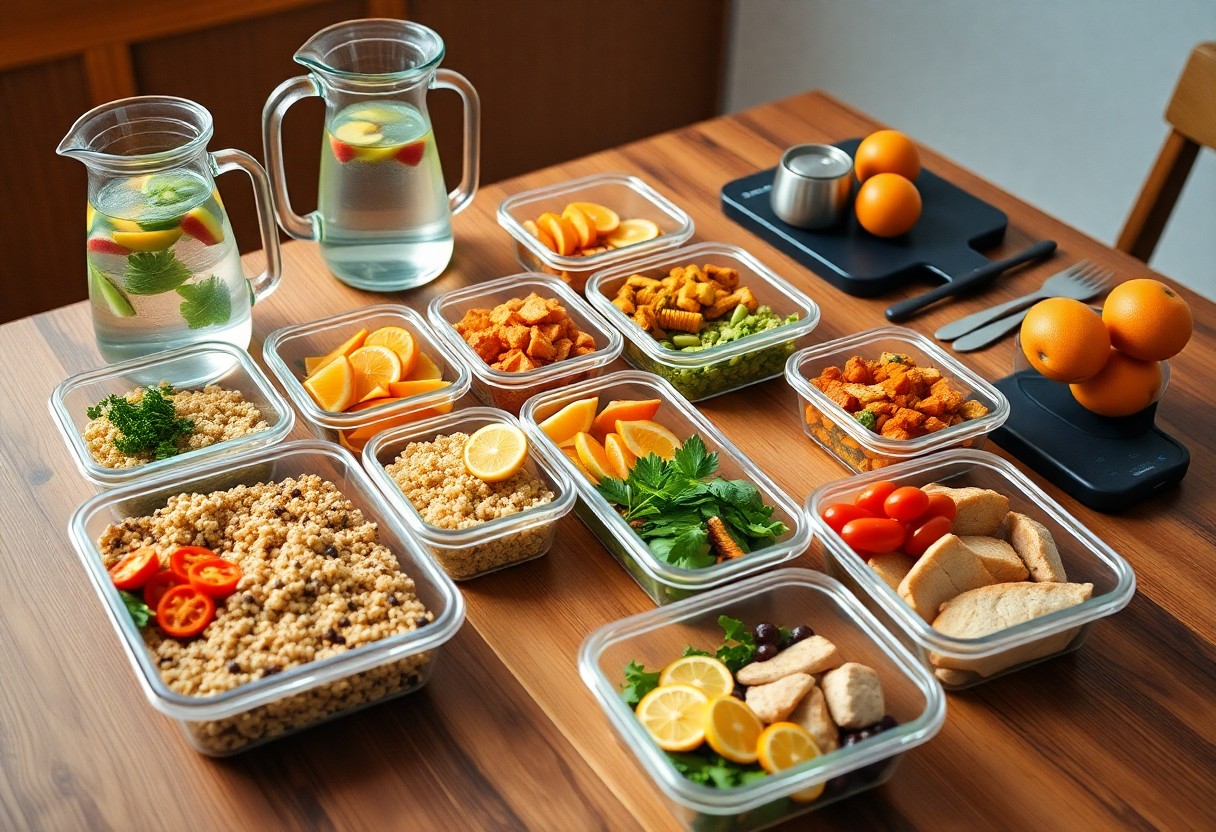
To build a balanced meal plan, start by assessing your dietary preferences and schedule. Consider preparing meals in advance, which can help you avoid unhealthy choices during busy days. Include a mix of protein sources like chicken, beans, or tofu, and incorporate whole grains such as quinoa or brown rice. Fill half your plate with vegetables and fruits, aiming for diversity in colors and types to maximize vitamins and minerals. Using resources like online meal planners or apps can simplify the process, making it easier to adhere to your goals while enjoying nourishing, delicious meals.
Incorporating Fresh and Whole Foods
Embracing fresh and whole foods is necessary for revamping your diet. These nutrient-dense options not only provide optimal health benefits but also enhance the flavors and enjoyment of your meals. Incorporating a variety of fruits, vegetables, nuts, seeds, whole grains, and quality proteins can help you achieve a balanced diet that promotes overall well-being. Ditching processed foods in favor of whole alternatives allows you to fuel your body more effectively, improving your physical and mental health.
Why Fresh Foods Matter
Fresh foods offer superior nutritional value compared to processed alternatives. They are rich in vitamins, minerals, and antioxidants, which support immune function and reduce the risk of chronic diseases. Studies show that diets high in fruits and vegetables can lower blood pressure and improve heart health. Eating fresh foods can also help you feel fuller longer, reducing the temptation for high-calorie snacks, ultimately leading to healthier eating habits.
Tips for Shopping Smart
Shopping smart ensures that you maximize the benefits of fresh foods. Focus on buying seasonal produce as it tends to be more flavorful and affordable. Create a shopping list to prevent impulse buying and prioritize items from the perimeter of the store, where fresh items are typically located. Look for local farmers’ markets for fresh, community-supported produce. The freshness and quality of these foods can greatly enhance your meals.
- Choose organic when possible, especially for the Dirty Dozen fruits and vegetables.
- Plan your meals around what’s in season to maximize freshness.
- Buy in bulk for whole grains, legumes, and nuts to save money.
- Utilize apps or websites to find deals on fresh foods in your area.
- Don’t shop when hungry to avoid unnecessary purchases.
- The key to shopping smart is to prioritize fresh items that align with your dietary goals.
Consider making a habit of checking what’s on sale at your local grocery store or farmers’ market, as this can lead you to discover new produce. You can experiment with unfamiliar fruits and vegetables, which can spice up your meals while supporting your nutritional needs. Make a point to visit farmers’ markets early in the day for the best selection and freshness. The experience can also foster connections with local growers and encourage you to explore seasonal recipes.
- Purchase frozen fruits and vegetables as a backup, which retain their nutrients.
- Use reusable produce bags to minimize waste during your shopping trips.
- Bring your own containers for bulk items, reducing plastic use.
- Review sale flyers and circulars to find advised items before shopping.
- The choices that you make at the store directly impact your meal preparation and overall health.
Practical Meal Prep Strategies
Planning Ahead for Success
Successful meal prep begins with planning. Create a weekly menu that includes diverse meals focusing on whole foods. Set aside time each week to review your schedule and determine when you’ll be cooking. Incorporate seasonal ingredients to enhance flavor and nutrition while reducing costs. Consider using a meal planning app for organization, tracking your grocery list, and ensuring you have everything you need to streamline the preparation phase.
Batch Cooking and Storage Tips
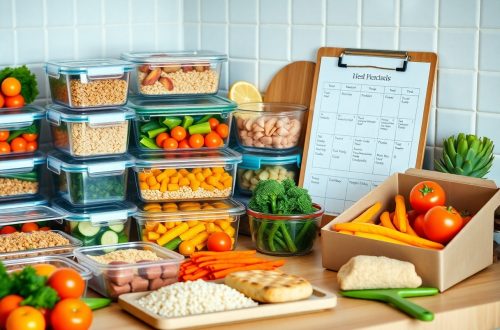
Batch cooking is an efficient way to ensure you have healthy meals ready to go. Dedicate a day each week to prepare large quantities of food, such as grains, proteins, and vegetables. Invest in high-quality containers that are freezer-safe and portion-friendly. Label your meals with dates to keep track of freshness and rotate stocks. This not only saves you time on busy days but also helps you avoid unhealthy takeout options.
- Portion meals before freezing to make defrosting and reheating simpler.
- Use clear labels with preparation dates for better organization.
- Keep a variety of meals ready to cater to your different cravings.
- After organizing, you’ll see how efficiently you can maintain a healthy diet.
Batch cooking allows you to take control of your meals while minimizing waste. Prepare a variety of proteins, such as grilled chicken or chickpeas, alongside grains like quinoa and an assortment of roasted vegetables. Store them separately to customize your meals during the week. Incorporate frozen herbs or sauces in ice cube trays for added flavor at a moment’s notice. This strategy not only saves time but also amplifies your meal variety throughout the week.
- Opt for freezer-friendly containers to keep meals fresh longer.
- Double recipes to maximize output with minimal extra effort.
- Incorporate themed meal prep days to maintain excitement about your meals.
- After implementing these tips, you’ll find meal preparation feels less daunting and more enjoyable.
Overcoming Common Obstacles
Challenges can derail your efforts to clean up your diet, but recognizing and addressing these hurdles is imperative. By understanding common obstacles, you can implement strategies to maintain momentum and stay committed to your goals, ensuring that your journey toward a healthier diet remains on track.
Dealing with Cravings
When cravings hit, it’s easy to fall back into old habits. Instead of giving in, identify the triggers behind your cravings and find healthier alternatives to satisfy them. Keeping healthy snacks on hand, such as fruits or nuts, can help you resist the temptation of less nutritious options while also providing imperative nutrients.
Social Situations and Eating Out
Navigating social situations can complicate your dietary goals, especially when dining out. Communicating your dietary preferences with friends or choosing restaurants that offer healthy options can ease these challenges. Planning ahead gives you more control and helps prevent impulsive choices.
Eating out often leads to high-calorie meals that can contradict your dietary intentions. To combat this, review the menu in advance and select dishes that are balanced—opt for grilled over fried, and prioritize vegetables alongside your protein. If you’re attending a gathering, consider eating a light snack beforehand to reduce hunger and make it easier to resist temptation. Additionally, suggest activities that don’t center around food to refocus social engagements on connections rather than cuisine.
To wrap up
Presently, spring cleaning your diet involves a thoughtful approach to rejuvenate your eating habits. By assessing your current food choices, incorporating seasonal produce, and eliminating processed items, you can create a healthier lifestyle. Focus on meal planning and mindful eating to foster long-term wellness. Implementing these fresh start strategies empowers you to nourish your body and achieve your dietary goals. A well-spring cleaned diet not only enhances your physical health but also revitalizes your overall well-being.