Nature provides a rich tapestry of seasonal ingredients that can enhance your diet while promoting better health. By aligning your meals with the seasonal harvest, you can benefit from fresher produce, improved nutrition, and a deeper connection to the cycle of life. This blog post will explore the advantages of seasonal eating, how it can elevate your well-being, and tips on incorporating these practices into your lifestyle. For more insights, check out How Does Seasonal Eating Affect Overall Health?.
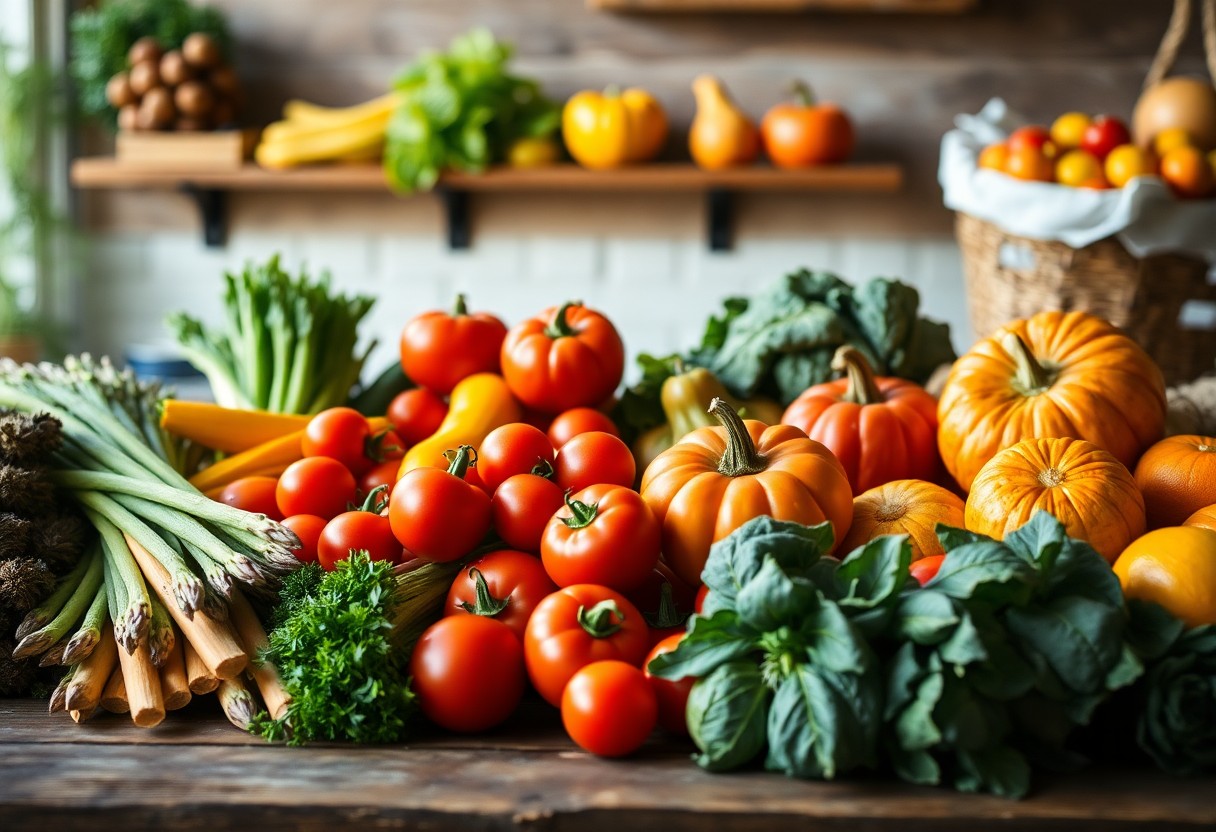
Key Takeaways:
- Seasonal eating promotes freshness, as fruits and vegetables are tastier and more nutrient-dense when harvested at their peak.
- Aligning your diet with seasonal produce can lead to cost savings, as local foods are often less expensive and abundant during their harvest season.
- Adjusting your meals to reflect seasonal changes enhances variety in your diet and connects you more deeply with local agriculture and ecosystems.
Understanding Seasonal Eating
Seasonal eating encourages you to align your diet with the natural cycles of nature, tapping into the flavors, nutrients, and availability of foods throughout the year. By choosing fruits and vegetables that are in season, your meals not only become more flavorful but also richer in imperative vitamins and minerals. Eating with the seasons fosters a deeper connection to your local environment and promotes sustainable food practices, ultimately benefiting both your health and the planet.
The Science Behind Seasonal Foods
The science behind seasonal foods lies in their growing conditions, which significantly affect their nutritional profiles. Seasonal produce thrives in optimal weather conditions, leading to better growth, flavor, and nutrient absorption. For instance, tomatoes harvested in the summer are likely to contain higher levels of antioxidants like lycopene compared to those grown in controlled environments during winter months. This reliance on natural cycles yields foods that are not only more delicious but also more beneficial to your health.
Nutritional Benefits of Eating with the Seasons
Eating with the seasons brings numerous nutritional advantages. Foods grown in their natural season are often more nutrient-dense, as they are harvested at peak ripeness. Seasonal fruits and vegetables also vary in their nutrient composition, providing a diverse range of vitamins and minerals throughout the year. For example, winter squash is rich in beta-carotene, while spring greens offer abundant vitamin K. This variety supports your body’s changing needs as the seasons shift.
Moreover, seasonal eating often means incorporating a broader spectrum of nutrients into your diet. For instance, the shift from hearty root vegetables in winter to fresh berries in summer ensures you’re consuming diverse antioxidants and phytochemicals. Studies show that seasonal diets can enhance overall health outcomes, as a varied diet is linked to reduced risks of chronic diseases. By consistently rotating your dietary focus, you engage different nutrient pathways and keep your body thriving throughout the year.
[related_posts_banner]Seasonal Produce Guide
Spring Fruits and Vegetables
As winter fades, spring brings a vibrant array of produce like asparagus, peas, and strawberries. These items are packed with vitamins and minerals, helping you revitalize your diet. Incorporating these fresh, seasonal foods can enhance flavors in your meals while boosting your health.
Summer Fruits and Vegetables
Summer’s warmth yields an abundance of fruits and vegetables, including tomatoes, zucchini, peaches, and berries. Eating these seasonal delights not only supports local agriculture but also provides your body with hydration and vital nutrients during hotter months.
Tomatoes, packed with antioxidants like lycopene, are at their peak in summer, offering a sweet taste that enhances salads, salsas, and sauces. Zucchini provides versatility, whether grilled, sautéed, or spiralized into noodles. Enjoying juicy peaches and fresh berries not only satisfies your sweet cravings but also gives you vital vitamins, fiber, and hydration, making summer produce a delightful and healthful choice.
Fall Fruits and Vegetables
In the fall, your palate can enjoy hearty options like squash, apples, and kale. These foods are not just flavorful but also provide ample nutrients. Incorporating them into your diet can help prepare your body for the colder months ahead.
Squash varieties such as butternut and acorn are rich in fiber and beta-carotene, ideal for comforting soups and casseroles. Apples, versatile in their uses, from snacking to baking, offer a perfect balance of sweetness and tartness. Kale and other leafy greens become more palatable with the cooler weather and can be used in salads or stir-fries. These fall staples provide warmth and nourishment as days grow shorter.
Winter Fruits and Vegetables
Winter produce may seem limited, but it includes hearty vegetables like root veggies, winter squash, and citrus fruits. These options are not only durable but can also be packed with vital nutrients, ensuring your diet remains balanced even as temperatures drop.
Root vegetables, such as carrots, parsnips, and beets, are perfect for roasting or mashing, delivering powerful doses of vitamins and minerals. Citrus fruits like oranges and grapefruits are in season and provide an excellent source of vitamin C to help support your immune system during cold weather. Including these winter foods in your meals maintains variety in your diet and ensures you are nourished through the season.
Cooking and Storing Seasonal Foods
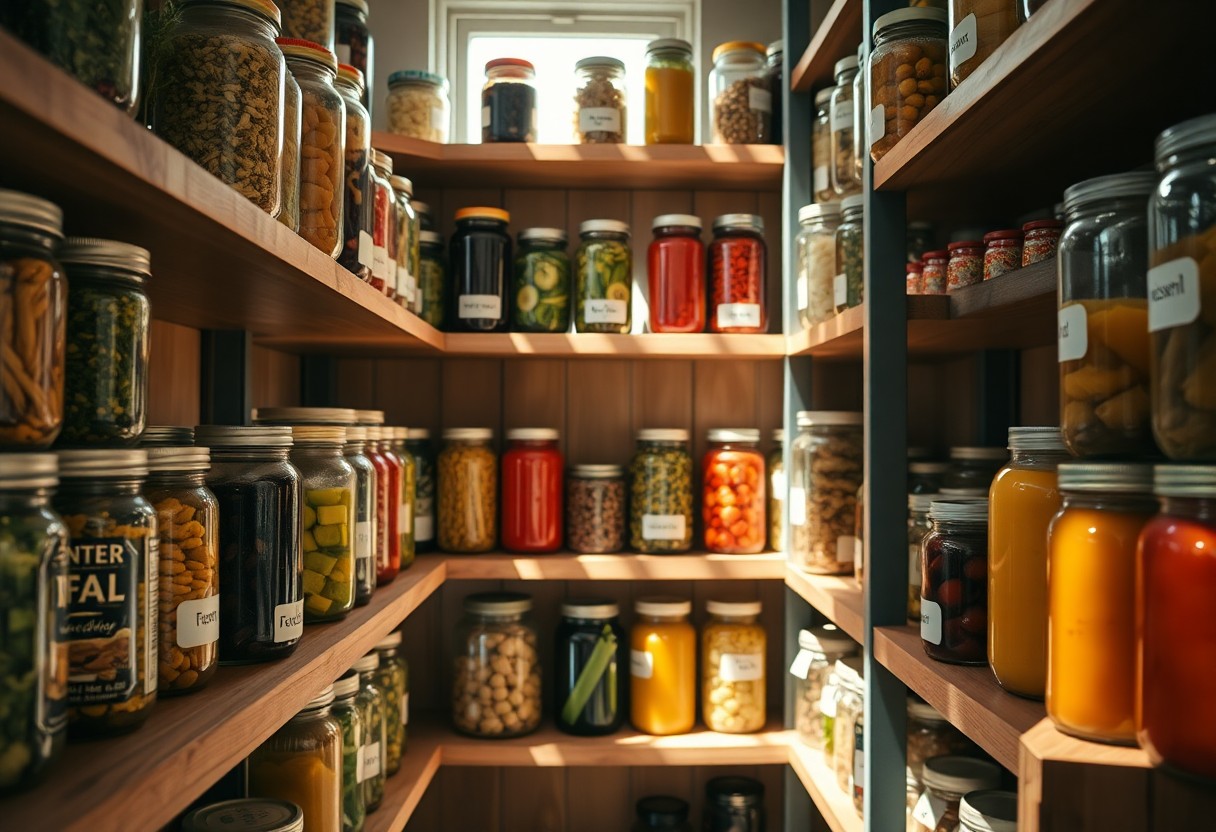
Embracing seasonal foods involves understanding the optimal cooking methods and storage techniques to enhance flavors and extend shelf life. By using fresh, in-season ingredients, you can create meals that celebrate the vibrant tastes of each season. Freezing, fermenting, and canning allow you to enjoy the essence of summer tomatoes or autumn squash throughout the year, while proper cooking techniques ensure you get the most nutritional benefits from your produce.
Preserving Seasonal Flavors
To savor the vibrant tastes of each season, preservation methods such as pickling, freezing, and drying are invaluable. You can pickle radishes or cucumbers in the spring, harnessing their crunch for later use, or dry herbs like basil and dill to carry the summer’s essence into colder months. Consider making jams from seasonal fruits like peaches or strawberries, allowing you to enjoy summer’s sweetness long after the harvest ends.
Cooking Techniques for Seasonal Ingredients
Employ cooking methods that accentuate the freshness and nutritional value of seasonal ingredients. Techniques such as steaming, roasting, and sautéing allow you to showcase flavors without overpowering them. For instance, lightly steaming spring greens preserves their vibrant color and nutrients, while roasting root vegetables enhances their natural sweetness. Cooking techniques like blanching can also prepare vegetables for storage, locking in exquisite flavors and textures.
To really make the most of seasonal ingredients, consider adapting your cooking methods to highlight their specific characteristics. For example, grilling summer squash can impart a smoky flavor that enhances its natural sweetness, while braising hearty winter vegetables like cabbage can bring out their deeper, umami notes. Experiment with ingredient pairings, such as combining fresh peas with mint or pairing roasted sweet potatoes with a tangy citrus dressing, to elevate your dishes and create an unforgettable seasonal feast.
Aligning Lifestyle with Seasonal Rhythms
Aligning your lifestyle with seasonal rhythms enhances your overall health and well-being. This means adapting your daily routines to reflect the natural cycles around you. As the days lengthen in summer, engage in more outdoor activities to soak up sunlight, while winter is an opportunity for introspection and cozy indoor pursuits. Incorporating seasonal practices, such as harvesting festivals or nature walks, can deepen your connection to the environment and cultivate a richer life experience during each season.
Mindfulness in Seasonal Eating
Practicing mindfulness in seasonal eating encourages you to savor and appreciate the vibrant flavors and textures of fresh produce. By taking time to enjoy each bite, you enhance the experience of your meals. Consider keeping a seasonal food journal, noting your feelings and reflections during meals. This approach allows you to build a deeper relationship with your food choices, focusing on quality and the sensory joy of eating rather than simply consuming for sustenance.
Impact on Overall Well-being
Eating seasonally can significantly impact your overall well-being by fostering not only physical health but also emotional balance. Consuming fresh, locally sourced foods enhances nutrient intake and promotes a healthy gut microbiome, directly influencing your mood and energy levels. Furthermore, seasonal eating cultivates a sense of community and connection with local farmers, promoting mental wellness through social interaction and shared experiences.
Studies show that diets rich in seasonal produce can reduce the risk of chronic diseases, support digestive health, and improve mood. For instance, incorporating seasonal fruits and vegetables can lead to increased intake of vitamins, minerals, and antioxidants. This, in turn, enhances immunity and cognitive function. Engaging in community-supported agriculture (CSA) initiatives not only provides access to fresh produce but also creates community ties, reinforcing social support systems that are imperative for emotional health.
Sustainable Eating Practices
Sustainable eating practices not only benefit your health but also promote environmental conservation. By focusing on seasonality and locality, you can reduce waste and ensure that your food choices foster ecosystem balance, leading to long-term sustainability. Rapidly scaling food production often leads to depletion of natural resources, whereas mindful consumption can help preserve them for future generations.
Supporting Local Farmers
Supporting local farmers strengthens your community and provides you with fresher, nutrient-dense produce. By purchasing directly from farmers’ markets or local co-ops, you ensure your food is grown sustainably, often with less reliance on synthetic fertilizers and pesticides. This connection also encourages diverse agricultural practices that keep local economies vibrant and resilient.
Reducing Carbon Footprint
Reducing your carbon footprint starts with selecting foods that require less energy for production and transportation. Eating seasonal, locally sourced foods minimizes the distance ingredients travel, significantly lowering greenhouse gas emissions often associated with long supply chains.
For example, transportation contributes approximately 11% of total greenhouse gas emissions in the U.S., primarily through food transport. By choosing to buy seasonal produce from nearby farms, you can contribute to a reduction in vehicular emissions while enjoying fresher flavors. Additionally, incorporating plant-based meals into your diet can further decrease your carbon footprint, as livestock farming generates much higher CO2 emissions than plant farming. Making conscious choices about what you eat can lead to a more sustainable and environmentally-friendly lifestyle.
Challenges of Seasonal Eating
While seasonal eating aligns your diet with nature, it often presents challenges, primarily related to accessibility and convenience. Depending on your location, certain seasonal foods may not be readily available, especially in regions with harsh climates. Additionally, busy lifestyles can make it difficult to prioritize shopping for fresh, seasonal ingredients, causing reliance on processed and out-of-season foods. This presents a conflict between striving for sustainability and battling the ease of convenience-driven choices.
Accessibility of Seasonal Foods
Finding seasonal foods can be a hurdle; local farmers’ markets or community-supported agriculture (CSA) programs may not exist in every area. You might notice that even in grocery stores, the availability and quality of seasonal produce can fluctuate widely. Understanding the growing seasons in your region helps guide your purchasing decisions, ensuring you make the most of what is available and fresh.
Tips for Year-Round Seasonal Eating
To enjoy seasonal eating year-round, consider preserving techniques like canning, freezing, or drying when produce is at peak ripeness. Building relationships with local farmers or joining a CSA can also enhance your access to fresh seasonal foods. Additionally, growing your own herbs and vegetables can provide you with a steady supply, regardless of the season. You can also explore regional food networks to discover local seasonal offerings even in off-peak months.
- Utilize canning and freezing methods to store seasonal produce.
- Join a CSA for regular access to local foods.
- Grow your own herbs for year-round use in meals.
- Participate in community food networks that focus on seasonal produce.
Exploring various preservation techniques ensures that you can capture the essence of each season. When you can tomatoes, for instance, you’ll have rich, flavorful additions for your winter soups. Make the most of summer berries by freezing them, allowing you to enjoy their taste long after the season is over. Recognizing the potential of seasonal foods through preservation empowers you to stay connected to nature’s cycles throughout the year.
- Experiment with drying herbs to maintain flavor year-round.
- Attend local events focused on seasonal cooking to enhance your skills.
- Create a seasonal calendar to help you plan meals around availability.
- Stay informed on local sourcing opportunities to maximize freshness.
Final Words
Summing up, embracing seasonal eating patterns helps you align your diet with nature’s rhythms, enhancing your overall well-being. By choosing foods that are in season, you not only benefit from their peak freshness and flavor but also support local agriculture and sustainability. This approach encourages a diverse and balanced diet, enriching your nutritional intake and fostering a deeper connection with the environment. Adopting these patterns can transform the way you think about food and cultivate a healthier lifestyle that respects nature’s cycles.