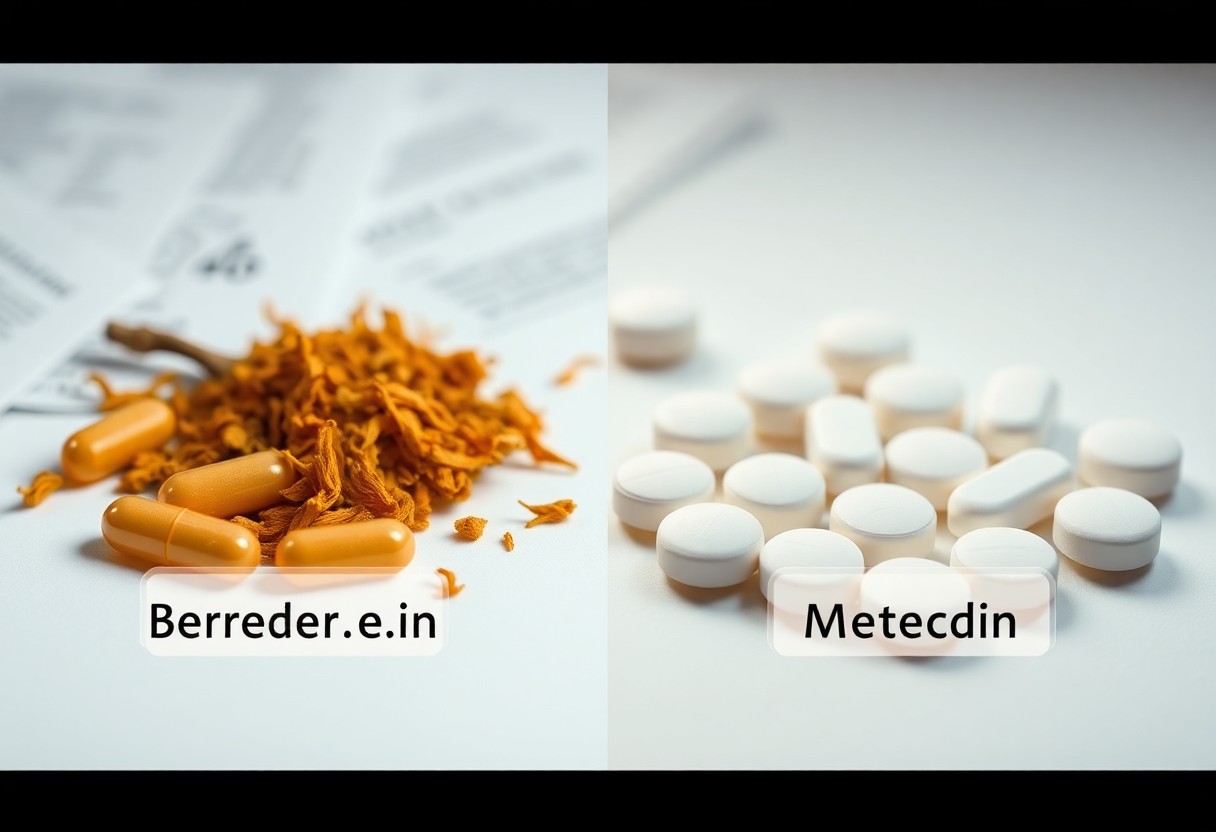
With the growing interest in natural supplements, you may wonder how berberine compares to metformin for managing blood sugar levels. Both options have gained attention for their potential to support glucose regulation, yet they differ in sources, mechanisms, and effects on your body. In this post, we will explore the benefits and drawbacks of each, empowering you to make informed choices about your health and diabetes management.
Key Takeaways:
- Berberine may help regulate blood sugar levels similarly to Metformin, with potential benefits for those with type 2 diabetes.
- Both Berberine and Metformin can improve insulin sensitivity, but their mechanisms of action differ.
- Berberine is a natural compound derived from plants, while Metformin is a prescribed pharmaceutical medication.

Overview of Blood Sugar Regulation
Blood sugar regulation is crucial for your overall health, particularly in maintaining energy levels and preventing chronic diseases. Your body manages glucose levels through complex interactions between hormones like insulin and glucagon. When you consume carbohydrates, glucose enters your bloodstream, prompting insulin release to help cells absorb this sugar for energy or storage. Proper regulation ensures that glucose levels stay within a healthy range, preventing spikes and dips that can lead to fatigue, diabetes, or other metabolic disorders.
Importance of Blood Sugar Control
Effective blood sugar control impacts not just your immediate energy levels but also your long-term health. Stable glucose levels help maintain weight, decrease the risk of type 2 diabetes, and lower chances of cardiovascular issues. If your blood sugar is consistently high or low, you may experience a range of health complications, including neuropathy, kidney damage, and vision problems. Keeping your blood sugar in check is vital for your body to function optimally.
Mechanisms of Action
The mechanisms by which berberine and metformin regulate blood sugar levels differ, yet both target critical pathways in glucose metabolism. Berberine activates AMP-activated protein kinase (AMPK), which improves insulin sensitivity and reduces glucose production in the liver. Conversely, metformin primarily works by decreasing glucose production and enhancing insulin sensitivity through its effect on the liver and intestinal absorption. Together, they help to lower blood glucose levels effectively.
[related_posts_banner]Delving deeper into their mechanisms, berberine not only activates AMPK but also influences gut microbiota, promoting the health of your intestinal flora. This interaction can enhance glucose metabolism while reducing inflammation. In contrast, metformin’s multi-faceted approach includes inhibiting glucagon action, which curbs liver glucose release. Clinical studies show metformin can reduce HbA1c levels by 1-2%, while berberine has demonstrated similar outcomes in various trials, suggesting substantial potential for individuals seeking alternative or complementary treatments for blood sugar regulation.
Berberine: A Natural Supplement
Berberine is a bioactive compound derived from various plants, including Goldenseal and Barberry, recognized for its potential in managing blood sugar levels. As a natural supplement, it offers a promising alternative for individuals seeking to regulate their glucose without relying solely on pharmaceuticals. Its broad array of health benefits not only addresses metabolic issues but also promotes overall well-being.
Historical Use and Sources
Historically, berberine has been utilized in traditional medicine for centuries, particularly in Chinese and Ayurvedic practices. Sources of berberine include the roots, stems, and bark of plants like Berberis aristata and Hydrastis canadensis. This extensive background in herbal remedies underscores its longstanding reputation as a therapeutic agent.
Benefits and Efficacy
The efficacy of berberine in managing blood sugar levels is backed by various studies demonstrating its ability to improve insulin sensitivity and reduce glucose production in the liver. Clinical trials indicate that it can reduce fasting blood glucose levels and HbA1c, making it a valuable option for those dealing with insulin resistance or type 2 diabetes.
Moreover, research highlights that berberine may decrease lipids and support weight management, key factors in managing diabetes effectively. In one study, participants taking berberine saw a decrease in fasting blood glucose by up to 20% and HbA1c levels reduced by around 1%. These effects not only support its role in blood sugar regulation but may also enhance metabolic health, providing a multi-faceted approach to diabetes management. Such data positions berberine as a potent ally in your health strategy, promoting improved overall metabolic function.
Metformin: A Conventional Medication
Metformin is widely prescribed as a first-line treatment for type 2 diabetes and works primarily by decreasing glucose production in the liver and enhancing insulin sensitivity in peripheral tissues. This medication has been a cornerstone in diabetes management for decades, recognized for its ability to control blood sugar levels effectively while also offering potential cardiovascular benefits.
Development and Clinical Use
Originally developed in the 1920s, metformin gained clinical use by the 1950s after demonstrating safety and efficacy in reducing hyperglycemia. Since then, extensive studies have validated its role in managing type 2 diabetes, allowing patients to maintain stable blood sugar levels while reducing the risk of complications associated with the disease.
Benefits and Side Effects
While metformin offers numerous benefits, including weight loss and improved lipid profiles, it can also produce side effects like gastrointestinal issues and, in rare cases, lactic acidosis. The balance of these effects is vital for effective diabetes management.
In clinical practice, the benefits of metformin often outweigh the side effects for most patients. Common advantages include significant reductions in HbA1c levels and a lower risk of diabetes-related complications. However, gastrointestinal discomfort, such as diarrhea and nausea, affects some individuals. Reports of lactic acidosis, though rare, necessitate careful monitoring, especially in patients with renal impairment. Thus, while metformin is a reliable option for diabetes management, individualized treatment plans remain vital to optimize outcomes and minimize adverse reactions.
Comparative Analysis: Berberine vs Metformin
| Aspect | Berberine | Metformin |
|---|---|---|
| Effectiveness | Moderate evidence shows berberine can significantly lower blood sugar levels. | Widely studied; effectively reduces blood sugar and HbA1c levels. |
| Side Effects | Generally well-tolerated, mild gastrointestinal issues may occur. | Common side effects include gastrointestinal upset and some risk of lactic acidosis. |
| Usage | Natural supplement, often recommended with lifestyle changes. | Prescription medication, typically used as a first-line treatment for type 2 diabetes. |
| Cost | Generally less expensive than prescription medications. | Covered by insurance, but costs vary based on plan. |
Effectiveness in Managing Blood Sugar
Berberine’s effectiveness in managing blood sugar levels is evidenced by multiple studies, indicating it can lower fasting blood glucose and improve insulin sensitivity comparable to Metformin. Research shows reductions in HbA1c up to 1% over 3 months, making it a worthy alternative for those seeking natural solutions.
Side Effects and Safety Profiles
Berberine typically has a good safety profile, with most individuals experiencing minimal side effects, mainly mild gastrointestinal issues. In contrast, Metformin is associated with more notable side effects, including nausea and abdominal discomfort, with a rare risk of lactic acidosis, demanding careful monitoring, especially in individuals with kidney issues.
Considering the side effects and safety profiles of both options, it’s vital for you to assess your health conditions. Berberine, being a natural supplement, often works well for those who are sensitive to prescription medications, but keep in mind the importance of consulting healthcare providers to tailor the choice to your specific health needs and conditions.
Recommendations for Use
When considering berberine or metformin, your specific health context plays a vital role. Consulting with a healthcare professional is necessary, as they can evaluate your overall condition and provide personalized recommendations tailored to your needs. Both substances may offer benefits, but their effectiveness can vary based on individual health status, existing medical conditions, and ongoing treatments.
Suitability for Different Individuals
Berberine may be more suitable for individuals looking for natural alternatives, particularly those with mild insulin resistance or metabolic syndrome. Conversely, metformin is often prescribed for individuals with type 2 diabetes who may require more intensive blood sugar management. Considerations such as age, weight, and additional health conditions also influence which option may benefit you most.
Dosage and Administration Guidelines
For berberine, a common dosage ranges from 900 mg to 2,000 mg per day, divided into two to three doses. Metformin typically starts at 500 mg once or twice daily, gradually increasing based on tolerance and blood sugar levels. Adhering to the recommended dosages is crucial to achieve optimal results while minimizing potential side effects.
When taking berberine, it’s advisable to start at the lower end of the dosage spectrum to assess your body’s response, increasing gradually as needed. For metformin, follow your healthcare provider’s instructions regarding any titration schedules, as adjusting your dose too quickly can lead to gastrointestinal discomfort. Consistency is key; aim to take these supplements or medications with meals to enhance absorption and reduce gastrointestinal side effects.
Future Research Directions
As research continues to explore the roles of berberine and metformin in diabetes management, several promising avenues are emerging. Investigating the long-term effects of berberine supplementation on various populations, including those with differing genetic backgrounds or pre-existing conditions, can yield valuable insights. Additionally, comparative studies assessing the safety and efficacy of these compounds in combination therapies may broaden treatment options for individuals managing blood sugar levels.
Potential Studies on Berberine
Future studies may focus on berberine’s mechanisms at the molecular level, examining its impact on gut microbiota and metabolic pathways. Randomized controlled trials can help clarify dosing regimens, optimize treatment plans, and compare its effectiveness against standard diabetes medications, enhancing your understanding of its potential benefits and risks.
Innovations in Diabetes Management
Emerging technologies and personalized medicine are set to revolutionize diabetes management. Continuous glucose monitoring devices and AI-driven apps help track blood sugar patterns, allowing for tailored dietary and lifestyle adjustments. These innovations encourage proactive management, empowering you to make informed decisions about your health.
In addition to traditional technology, the integration of digital health platforms enables real-time data sharing with healthcare providers. This fosters a collaborative approach to treatment, allowing for timely adjustments in medication or lifestyle practices based on continuous monitoring. Furthermore, research into targeted therapies, including biological agents and novel compounds that mimic insulin sensitivity, reflects a shift towards a more personalized treatment framework. This not only enhances your understanding of diabetes but also optimizes management strategies, significantly impacting blood sugar control and overall quality of life.
Conclusion
Now you have a clearer understanding of how berberine and metformin can impact your blood sugar management. While both offer benefits, berberine provides a natural alternative that may better suit your preferences and lifestyle. It’s important to evaluate your specific needs, consult with your healthcare provider, and consider factors such as efficacy, side effects, and long-term sustainability. By making informed choices, you can optimize your approach to blood sugar control and enhance your overall health.