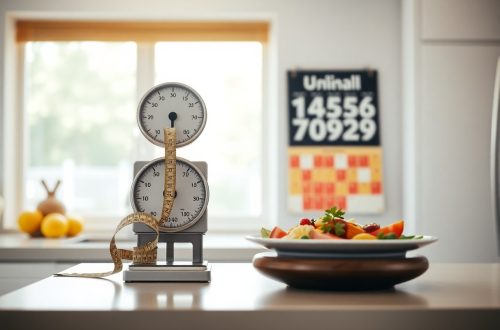
Just because you’ve eliminated junk food from your diet doesn’t guarantee weight loss. You might find yourself puzzled as the scale remains unchanged, often due to overlooked factors like portion sizes, hidden calories in seemingly healthy foods, or insufficient physical activity. Additionally, your body’s metabolism, hormonal balance, and individual lifestyle choices play significant roles in weight management. This post will explore into the common reasons you may be experiencing a weight loss plateau and provide practical tips to help you get back on track.
Key Takeaways:
- Caloric intake still matters; you may consume more calories than you burn even with healthy foods.
- Portion sizes and overall diet composition can affect weight loss, not just the elimination of junk food.
- Metabolism and individual body responses can vary, influencing weight loss efforts regardless of food choices.
Understanding Weight Loss Fundamentals
The Science of Weight Loss
Weight loss fundamentally revolves around energy balance, which is the relationship between the calories you consume and the calories your body expends. Your body burns energy through basic functions, physical activity, and the thermic effect of food. To lose weight, you need to shift this balance by consuming fewer calories than your body requires.
Caloric Deficit Explained
A caloric deficit occurs when you consistently consume fewer calories than your body needs for maintenance. This deficit forces your body to tap into stored fat for energy, helping you shed pounds over time. Achieving a deficit can be accomplished through dietary adjustments, increased physical activity, or a combination of both.
To create a caloric deficit, track your daily calorie intake and compare it to your Total Daily Energy Expenditure (TDEE). For effective weight loss, aim for a deficit of 500-1000 calories per day to lose about 1-2 pounds per week. Ensure that you account for both the calories burned during exercise and your basal metabolic rate, which is the energy your body needs at rest.
Role of Metabolism in Weight Management
Your metabolism plays a significant role in weight management, affecting how effectively your body converts food into energy. Factors such as age, gender, body composition, and activity level influence your metabolic rate. A higher metabolic rate can facilitate a more considerable caloric deficit and enhance weight loss efforts.
As you lose weight, your metabolic rate may adjust, potentially slowing down weight loss progress. For example, a decrease in body mass can lead to fewer calories burned at rest. Incorporating strength training can help mitigate this by building lean muscle, which burns more calories even when you’re not exercising, thus supporting your weight loss goals more effectively.
[related_posts_banner]The Role of Nutrition
Macronutrients: Proteins, Fats, and Carbohydrates
Your body requires a balance of macronutrients—proteins, fats, and carbohydrates—to function optimally. Proteins are crucial for muscle repair and growth, while healthy fats support hormone production and nutrient absorption. Carbohydrates provide energy, especially for high-intensity workouts. Striking the right balance among these macronutrients is key to maintaining energy levels and promoting fat loss.
Micronutrients: Vitamins and Minerals
Micronutrients, such as vitamins and minerals, play vital roles in metabolic processes and overall health. Deficiencies in these nutrients can hinder weight loss and affect your body’s ability to function efficiently. Focus on a diverse diet rich in fruits, vegetables, whole grains, and lean proteins to ensure adequate micronutrient intake.
Vitamins, like B vitamins, are crucial for energy production, while minerals like magnesium and potassium support muscle function and fluid balance. Without these crucial micronutrients, your metabolism may slow down, making weight loss more challenging. Regularly consuming a variety of nutrient-dense foods can help you avoid deficiencies and aid in achieving your weight loss goals.
Importance of Balanced Meals
<pBalancing your meals ensures you receive all necessary macronutrients and micronutrients. Each meal should ideally include a source of protein, healthy fats, and complex carbohydrates. This combination stabilizes blood sugar levels and keeps you full longer, preventing unnecessary snacking and overeating.
When meals are balanced, your body is less likely to crave unhealthy foods, as it receives adequate nutrition to function. Eating a variety of foods not only satisfies your hunger but also provides a broader spectrum of nutrients, enhancing your chances of successful weight management.
Hidden Sugar and Its Effects
Hidden sugars are often found in “healthy” food options like sauces, dressings, and snacks. These added sugars can significantly contribute to your caloric intake without you realizing it, leading to weight gain or difficulty losing weight. Always check labels to identify and reduce your sugar consumption.
Consuming hidden sugars can lead to spikes in blood sugar levels, which may result in increased hunger and energy crashes. These fluctuations can disrupt your appetite regulation and make it difficult to stick to a weight loss plan. Being mindful of sugar content in processed foods is crucial for effective weight management. Aim to eliminate or minimize these sources to better control your calorie intake and support your health goals.
Common Misconceptions
The Myth of ‘Healthy’ Junk Food
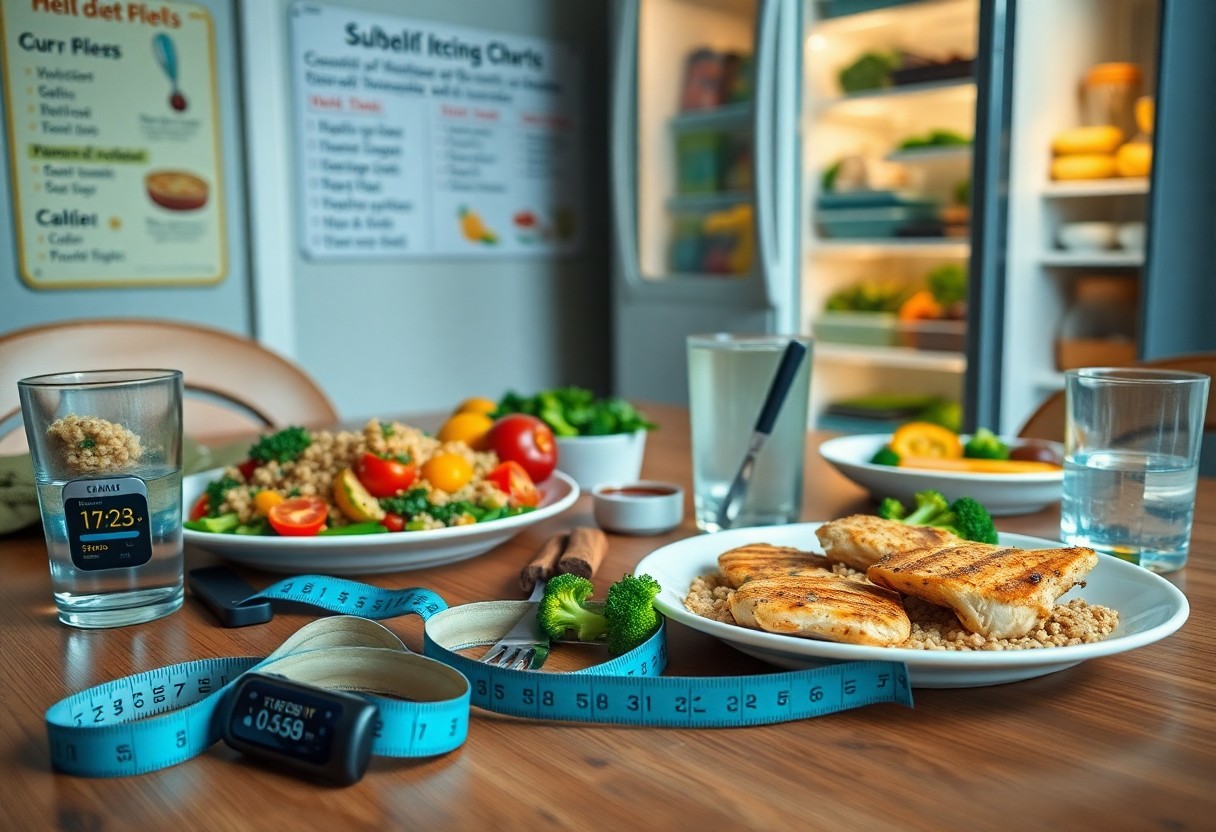
Many people equate the term “healthy” with low-calorie or organic labels on foods they still consider treats. However, items like granola bars and fruit smoothies can pack hidden sugars and calories that undermine your weight loss efforts. Instead of focusing solely on the “health halo” these foods present, it’s necessary to analyze their nutritional profiles and remember that not all “healthy” options are free from excess calories. For more insights, check out Reasons You’re Not Losing Weight.
Understanding Portion Sizes
Even healthy foods can lead to weight gain if you consume them in excessive amounts. Your perception of a standard serving can often be skewed, leading to unintentional overeating. By measuring portions and avoiding mindless snacking, you can maintain a healthier intake aligned with your weight loss goals.
The Fallacy of ‘Diet’ Products
Many individuals turn to “diet” products in hopes of shedding pounds, believing these items are lower in calories and fat. But often, they’re loaded with artificial ingredients and sugar substitutes that can trigger cravings or lead to overeating later. Being wary of these products is necessary since they may not offer the calorie savings you hope for.
Diet products frequently create a false sense of security, prompting you to indulge more than you would with regular items. Brands often market these goods as “guilt-free,” but they can still hinder your weight loss journey. It’s vital to scrutinize labels and understand that not all low-fat or sugar-free options are beneficial; sometimes, whole foods are the better choice for your health and weight.

Psychological Factors in Weight Loss
- Your mental state significantly affects your weight loss journey.
- Psychological barriers can overshadow physical efforts.
- Emotional eating often leads to unintentional calorie consumption.
- Stress influences your metabolism and food choices.
- Mindful practices can create a healthier relationship with food.
Emotional Eating and Its Triggers
Emotional eating is the tendency to eat in response to feelings rather than hunger. Common triggers include boredom, sadness, or even celebratory moments. Recognizing these triggers is vital for breaking the cycle of emotional eating. Thou must identify healthier coping strategies to address your feelings without resorting to food.
The Impact of Stress on Weight
Stress can derail your weight loss efforts, prompting your body to release cortisol, a hormone that encourages fat storage, particularly around the abdomen. As stress levels rise, so does the likelihood of unhealthy eating habits, leading you to crave high-calorie comfort foods.
In fact, research shows that chronic stress can alter your metabolism and increase appetite, making weight loss even more challenging. If you find stress affecting your progress, consider incorporating stress-reducing practices into your routine, such as exercise or meditation, to help manage cortisol levels effectively.
Mindful Eating Practices
Mindful eating centers on being fully present while you eat, which fosters better awareness of hunger and satiety signals. By focusing on the experience of eating, you can avoid mindless snacking and develop a deeper appreciation for food. Thou should practice techniques like slowing down and savoring each bite.
Utilizing mindful eating practices can transform your approach to food; this includes eliminating distractions during meals and tuning in to your body’s signals before, during, and after eating. By cultivating this awareness, you can make more intentional food choices, reducing the likelihood of overeating and steering your weight loss efforts in a positive direction.
Lifestyle and Exercise Influence
The Importance of Physical Activity
Incorporating physical activity into your daily routine is imperative for achieving weight loss and maintaining your health. Regular exercise helps burn calories, improves metabolism, and builds muscle, all of which contribute to weight management. Even if you’ve eliminated junk food, a sedentary lifestyle can hinder your progress. To overcome this, aim for at least 150 minutes of moderate aerobic activity each week, paired with strength training on two or more days.
Types of Exercise: Aerobic vs. Strength Training
Aerobic exercises, such as running or cycling, focus on cardiovascular endurance, while strength training involves resistance exercises designed to build muscle mass. Both types of exercise are important for a balanced fitness routine and can help in your weight-loss journey. You may find that a combination of both yields the best results, as aerobic activity boosts calorie burn while strength training enhances muscle tone and metabolism.
- You should aim to include both types of exercise for optimal benefits.
| Aerobic Exercise | Strength Training |
|---|---|
| Boosts cardiovascular health. | Increases muscle mass. |
| Burns calories during activity. | Boosts resting metabolic rate. |
| Improves endurance and stamina. | Enhances muscle strength. |
| Can be done in bursts (HIIT). | Involves weight lifting or bodyweight exercises. |
| Helps reduce stress. | Aids in muscle recovery. |
For optimal weight loss, combining aerobic exercises and strength training can enhance your results. Studies suggest that integrating both in your routine may help improve body composition and support long-term success. Focus on progressive overload in strength training to continually challenge your body, while varying your aerobic workouts to prevent plateaus.
- Assume that mixing both methods maximizes your weight-loss potential.
| Progressive Strength Training | Varied Aerobic Activities |
|---|---|
| 20 minutes of weight lifting thrice a week. | 30 minutes of cycling or jogging. |
| Increase weights weekly. | Incorporate jogging, swimming, and HIIT. |
| Focus on compound movements. | Include different terrains for running. |
| Allow muscle recovery days. | Mix low and high-intensity workouts. |
| Track your progress over time. | Set attainable aerobic goals per week. |
The Role of Sleep in Weight Management
Sleep plays a significant role in weight management, as inadequate rest can disrupt hormones that regulate appetite and metabolism. If you’re not sleeping well, you may experience increased cravings for unhealthy foods, making it harder to lose weight despite dietary changes.
Lack of sleep has been linked to higher levels of ghrelin, which boosts appetite, and lower levels of leptin, which signals satiety. Aim for 7-9 hours of quality sleep each night to support your weight loss goals. Prioritizing sleep can help stabilize these hormones, making it easier to stick to your healthy eating and exercise plans.
Hydration and Its Effects on Weight Loss
Staying properly hydrated is vital for effective weight loss. Water helps to regulate metabolism, aids digestion, and can even reduce hunger. You may find that drinking water before meals can promote feelings of fullness, potentially leading to decreased calorie intake.
Research indicates that adequate hydration enhances physical performance and can aid in recovery after workouts. Drinking sufficient water daily improves overall body function and may prevent unnecessary snacking due to misinterpreted thirst cues. Aim for at least 8 cups (2 liters) of water each day, and adjust based on your activity levels.

Potential Medical Considerations
Hormonal Imbalances
Your hormones play a pivotal role in regulating weight. Fluctuations in insulin, cortisol, and leptin can hinder your weight loss efforts despite maintaining a clean diet. For instance, chronic stress may elevate cortisol levels, leading to increased appetite and fat storage. Understanding and addressing these imbalances can provide insights into why the scale isn’t moving.
Thyroid Issues
Hypothyroidism can significantly impact your weight management. When your thyroid is underactive, your metabolism slows down, making it difficult to lose weight even with dietary restrictions. This condition often goes unnoticed, so it’s important to get your thyroid levels tested if you’re struggling.
Symptoms of hypothyroidism can include fatigue, weight gain, and sensitivity to cold. The condition affects approximately 4.6% of the U.S. population, with many cases going undiagnosed. If you’re feeling sluggish and are experiencing unexplained weight changes, a simple blood test can determine if your thyroid is functioning optimally.
Medication Effects on Weight
<pCertain medications can contribute to weight gain or hinder weight loss. Drugs such as antidepressants, corticosteroids, and some antipsychotics have been linked to increased appetite and altered metabolic rates.
<pIt's vital to discuss any weight-related side effects with your healthcare provider. They can help you evaluate your treatment options and possibly adjust your medication to minimize these effects while still addressing your underlying health issues.
Underlying Health Conditions
Several health conditions can affect your ability to lose weight, including polycystic ovary syndrome (PCOS) and diabetes. These conditions often create metabolic challenges that require tailored approaches to diet and exercise.
<pFor example, PCOS typically involves insulin resistance, making it harder to lose weight without careful management of your carbohydrate intake. Understanding these health conditions can empower you to make informed adjustments to enhance your weight loss strategy.
Conclusion
Considering all points, cutting out junk food alone may not guarantee weight loss due to factors such as portion sizes, hidden calories in seemingly healthy foods, and inadequate physical activity. You may also be experiencing hormonal imbalances or stress, which can impact your metabolism and appetite. To achieve your weight loss goals, it’s crucial to evaluate your overall diet and lifestyle, ensuring you’re maintaining a balanced approach that includes nutrient-dense foods and regular exercise tailored to your body’s needs.
FAQ
Q: Why am I not losing weight after eliminating junk food?
A: Cutting out junk food can improve your overall diet, but weight loss also depends on total calorie intake, portion sizes, and overall nutritional balance. If you’re consuming more calories than your body needs through other foods, you may not lose weight.
Q: Are there other factors that influence weight loss besides diet?
A: Yes, other factors include physical activity levels, sleep quality, stress management, and metabolic rate. All these elements can affect how your body processes food and burns calories.
Q: Is it possible to gain weight while eating healthy foods?
A: Yes, even healthy foods can contribute to weight gain if consumed in excessive amounts. It’s crucial to maintain portion control and balance in your diet, regardless of the healthiness of the food.