Most people view cheat meals as a way to indulge while on a diet, but you may wonder if they contribute positively or negatively to your fitness journey. Understanding the impact of cheat meals on your body can help you make more informed decisions about your eating habits. In this post, you will learn the science behind cheat meals, their potential benefits, and drawbacks, empowering you to better navigate your nutrition strategy for optimal results.
Key Takeaways:
- Cheat meals can help satisfy cravings and improve adherence to a diet.
- They may hinder progress if they lead to overeating or unhealthy choices.
- Frequency and context of cheat meals are important for maintaining overall goals.

Understanding Cheat Meals
Definition of Cheat Meals
Cheat meals are designated eating occasions where you consume foods outside your established dietary restrictions. They offer a temporary break from your meal plan, allowing you to enjoy favorite treats without the guilt that might typically accompany indulgence. The concept is to provide a balance between discipline and enjoyment, helping you maintain a sustainable lifestyle.
The Psychology Behind Cheat Meals
Cheat meals tap into your psychological relationship with food, often acting as a reward or incentive for sticking to a strict diet. By allowing yourself occasional indulgences, you can stave off feelings of deprivation, which may otherwise lead to bingeing or quitting entirely. It creates a mental buffer, helping you feel more in control of your dietary choices.
The psychological aspect of cheat meals also includes the potential for guilt and the relationship you cultivate with food. You might plan these meals as a reward for your hard work, allowing for positive reinforcement. However, this can also lead to unhealthy associations, where you view certain foods as ‘bad’ and others as ‘good.’ Understanding this dynamic is imperative in maintaining a balanced outlook on food choices.
The Role of Cheat Meals in Dieting
In dieting, cheat meals can serve multiple purposes, including resetting metabolism and preventing dietary burnout. They give you a moment to enjoy the foods you love, enhancing overall adherence to your regimen. This occasional indulgence can also prevent cravings that may sabotage your progress by allowing you to satisfy your taste for something outside your diet.
[related_posts_banner]Research indicates that incorporating cheat meals can potentially boost adherence to a healthy lifestyle, as they allow you to enjoy flexibility. This balance between strict dieting and occasional indulgence can lead to improved mental well-being, promoting a healthy relationship with food. It’s imperative to navigate this carefully to ensure that cheat meals enhance your progress rather than derail it.
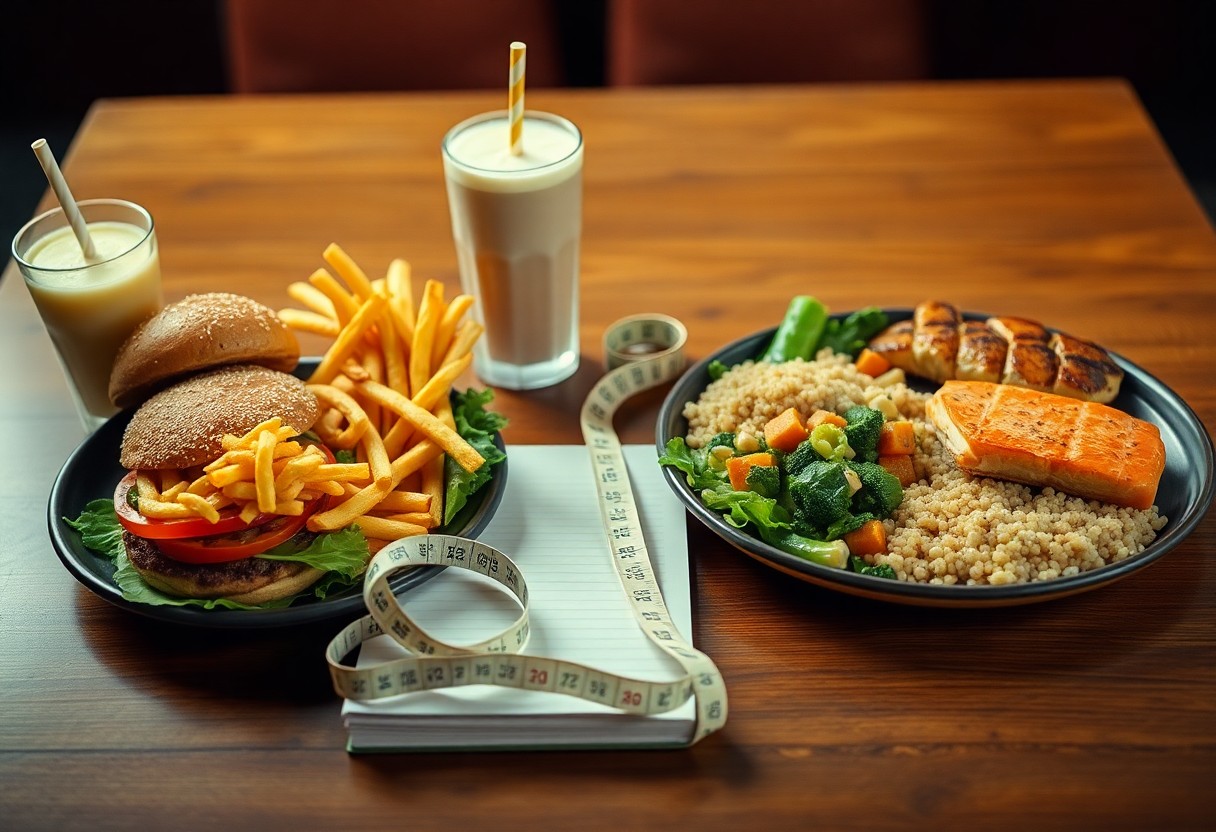
The Benefits of Cheat Meals
Mental Relief and Satisfaction
Cheat meals provide a psychological break from strict dieting, allowing you to indulge in your favorite foods without guilt. This mental relief can diminish cravings, making it easier to stick to your diet overall. When you know you have a scheduled time to enjoy a treat, it enhances your satisfaction and enjoyment of meals, which can improve your relationship with food.
Boosting Metabolism
Incorporating a cheat meal can give your metabolism a temporary boost. When you consume a higher amount of calories, especially from carbohydrates, it can stimulate thermogenesis and enhance metabolic rate, which can aid in fat loss over time.
This metabolic boost occurs because your body responds to the increased calorie intake by raising levels of hormones like leptin, which regulates energy balance. Some studies suggest that strategically timed cheat meals can increase resting metabolic rate for up to 24 hours, promoting fat oxidation. This mechanism can be beneficial for those on a calorie deficit, helping to counteract plateaus in weight loss. However, moderation is key to ensure these benefits are realized without derailing progress.
Social and Lifestyle Considerations
Cheat meals allow you to partake in social gatherings and enjoy meals with family and friends, enhancing your lifestyle. Living a healthy lifestyle shouldn’t mean isolating yourself from enjoyable experiences that revolve around food.
<pSharing meals during celebrations or social events adds enjoyment and strengthens relationships. By incorporating cheat meals into your lifestyle, you foster a more sustainable approach to healthy eating. You can navigate social settings confidently, ensuring you don't miss out on important moments while still achieving your health goals. This flexibility can ultimately lead to greater long-term adherence to a healthy diet.
The Potential Detriments of Cheat Meals
Overindulgence Risks
Cheat meals often lead to overindulgence, where the boundaries you set for yourself can easily be crossed. Consuming excessive calories in one sitting can negate the calorie deficit created over the week, potentially hindering your weight loss or fitness goals. The impulsive nature of binge eating can also derail your progress during a carefully structured plan.
Emotional Eating and Guilt
For many, cheat meals are tied to emotions and can trigger feelings of guilt after indulging. This emotional eating can create a cycle where you reward yourself with food, leading to remorse and a negative relationship with eating. You might find yourself grappling with these emotions more than you anticipated.
Guilt associated with emotional eating can exacerbate the cycle, causing you to restrict your food intake even more after a cheat meal. This can lead to a destructive pattern of binge-restrict behavior that disrupts healthy eating habits. Engaging in this cycle can increase stress and anxiety, ultimately affecting your motivation and commitment to your fitness journey.
Impact on Muscle Recovery and Fitness Goals
Cheat meals may impact your muscle recovery and overall fitness goals due to poor nutritional choices. High-sugar or high-fat foods can lead to inflammation and affect your recovery time, which hinders performance in subsequent workouts. This negative effect can stall progress, especially if you’re training for an event or aiming for a specific fitness target.
Inadequate post-workout nutrition coupled with cheat meals could compromise your muscle repair process. Instead of optimal recovery, you may experience fatigue, lingering soreness, and decreased performance. To ensure your fitness goals are met, focus on balanced nutrition that supports recovery, which is often disrupted by excessive indulgence during cheat meals.

Cheat Meals vs. Cheat Days
Understanding the Difference
Cheat meals typically involve a single, planned indulgence within your diet, while cheat days allow for multiple indulgences over 24 hours. The key distinction is in the duration and frequency of the indulgence. Cheat meals can help satisfy cravings without derailing progress, whereas cheat days risk turning into a full-blown binge, often disrupting nutritional balance.
Psychological Effects of Each
Cheat meals tend to have a more controlled psychological effect, promoting satisfaction without the guilt of a complete dietary derailment. Conversely, cheat days can create a binge mentality, which may lead to negative feelings towards food and your diet overall.
With cheat meals, you can enjoy a sense of reward that aligns with your dietary goals, making it easier to sustain long-term adherence. Cheat days, however, can disrupt the mental framework you’ve built, leading to an all-or-nothing mindset. This latter approach can foster guilt and anxiety around food choices, complicating your relationship with eating even further.
Nutritional Considerations
The nutritional impact of cheat meals is more manageable compared to cheat days, as the former allows you to retain some structure within your daily intake. Cheat days can lead to excessive calorie consumption, often devoid of necessary nutrients, which can hinder your fitness and health goals.
When you opt for a cheat meal, it’s easier to include healthier options or strategically indulge in specific cravings while maintaining your overall nutritional goals. In contrast, a cheat day can quickly escalate into an unbalanced intake of unhealthy foods, throwing off your macronutrient ratios and leading to potential weight gain. Monitoring how cheat meals and cheat days affect your body composition and energy levels can provide insight into the best approach for your lifestyle.
Strategies for Incorporating Cheat Meals
Planning and Portion Control
To successfully incorporate cheat meals, careful planning and portion control are crucial. When you choose a specific meal to indulge in, ensure it fits within your weekly calorie and macro goals. Pre-portioning your cheat meal can prevent you from going overboard and help you enjoy the satisfaction without derailing progress. This approach allows you to indulge guilt-free while maintaining control over your overall intake. For more insights, check out The Cheat Meal Trap: 5 Reasons It’s Holding You Back.
Choosing Healthier Cheat Options
When considering cheat meals, opting for healthier alternatives can make a significant difference. Instead of high-calorie desserts or greasy fast food, think about satisfying your cravings with home-cooked versions or nutrient-dense snacks. You can elevate dishes by using wholesome ingredients or lighter cooking methods, ensuring you indulge without sacrificing your nutrition.
For example, if you’re craving pizza, try making a whole-grain crust topped with plenty of veggies and lean proteins. This way, you still enjoy the flavors you love while keeping the cheat meal aligned with your health goals. Creative swaps can lead to satisfying meals that support your progress rather than hinder it.
Timing Your Cheat Meals
Strategically timing your cheat meals can enhance their benefits. Consider scheduling them around intense workout days when your body is seeking extra fuel. This timing not only helps with recovery but also minimizes the impact on your overall dietary routine. The psychological advantage of enjoying a cheat meal after a grueling workout can also elevate your motivation.
By planning cheat meals post-workout, you take advantage of your body’s heightened insulin sensitivity, allowing you to replenish glycogen stores effectively. This approach can help mitigate any potential negative impacts while making your cheat meal feel like a reward for your hard work and perseverance in your fitness journey.
The Truth About Cheat Meals and Whether They Help or Hurt Your Progress
Case Studies on Cheat Meals
Several case studies shed light on how cheat meals impact your fitness journey. Research indicates varying outcomes based on individual responses and adherence to diet plans.
- Study 1: Participants reported a 25% increase in satisfaction and adherence to their diets when including a weekly cheat meal.
- Study 2: A group that incorporated cheat meals lost an average of 10% more body fat compared to a control group over 12 weeks.
- Study 3: Participants who abstained from cheat meals experienced a 15% drop in motivation over 8 weeks.
- Study 4: Long-term dieters integrating cheat meals maintained weight loss better than those on strict diets, showing a retention rate of 75% versus 55%.
Current Research Findings on Cheat Meals
Recent studies show that cheat meals can play a role in maintaining diet adherence and can even boost metabolism temporarily. Research has indicated that incorporating these meals may help prevent feelings of deprivation, contributing to better long-term results. In a controlled environment, subjects with assigned cheat days exhibited a notable increase in emotional satisfaction and motivation.
Expert Opinions on Cheat Meals
Nutritionists and dietitians often emphasize a balanced approach to cheat meals. Experts suggest that strategically placed cheat meals can help reduce binge-eating episodes and cravings. They caution that the quality of cheat meals matters, recommending wholesome options rather than junk food to avoid extreme negative impacts on your overall dietary goals.
Summing up
Hence, understanding the role of cheat meals in your diet is necessary for sustainable progress. While they can offer a psychological break and a temporary boost in motivation, overindulgence may derail your long-term goals if not managed wisely. You should aim to incorporate cheat meals mindfully, ensuring they don’t disrupt your overall nutritional strategy. Balancing enjoyment with discipline will help you stay committed to your fitness journey while still making room for occasional treats.
FAQ
Q: What is a cheat meal?
A: A cheat meal is a planned meal that allows individuals to indulge in foods that may not fit within their typical diet regimen. It is often used as a psychological break from strict dieting.
Q: Do cheat meals help with weight loss progress?
A: Cheat meals can provide a temporary boost in metabolism due to increased caloric intake, potentially helping some individuals stay adherent to their diet. However, frequent cheat meals may lead to overeating and hinder overall weight loss progress.
Q: How can cheat meals negatively impact my diet?
A: Cheat meals can lead to feelings of guilt or loss of control, which might trigger binge eating. Additionally, if not managed properly, they can disrupt caloric balance and affect nutritional goals, ultimately impacting progress.