
You can transform your weight loss journey by incorporating functional foods into your diet. These nutrient-rich foods not only support your weight loss goals but also provide added health benefits. By focusing on what you eat, you can enhance your metabolism, control cravings, and improve overall well-being. This post will guide you through the best functional foods that promote sustainable weight loss while ensuring you have the knowledge to make informed choices for your health.
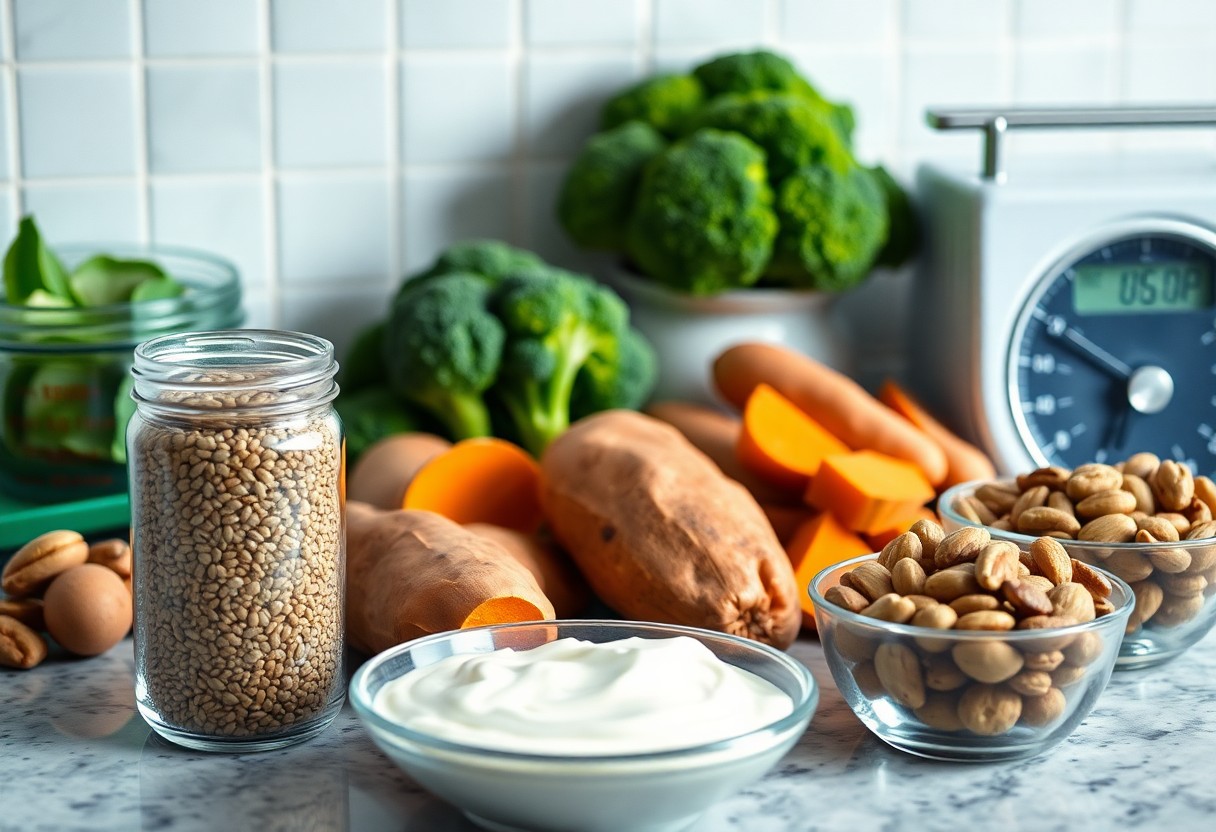
Key Takeaways:
- Incorporate high-fiber foods like fruits, vegetables, and whole grains to promote satiety and reduce overall calorie intake.
- Choose protein-rich foods such as lean meats, beans, and nuts to boost metabolism and support muscle maintenance during weight loss.
- Focus on healthy fats from sources like avocados, olive oil, and fatty fish to enhance nutrient absorption and keep you feeling full longer.
What are Functional Foods?
Definition and Overview
Functional foods are nutrient-rich foods that offer additional health benefits beyond basic nutrition. These foods contain bioactive compounds that may enhance your body’s functions and help reduce the risk of chronic diseases. Examples include leafy greens, berries, nuts, and whole grains, which can play a significant role in supporting weight loss and overall health.
Benefits of Functional Foods
Incorporating functional foods into your diet can provide various health benefits. They often support weight management, improve digestion, and boost your immune system. Many functional foods are low in calories yet high in nutrients, promoting a feeling of fullness while providing vital vitamins and minerals.
Functional foods can also enhance your overall well-being by providing antioxidants that combat oxidative stress, anti-inflammatory properties that reduce chronic inflammation, and probiotics that improve gut health. Studies have shown that individuals who include a variety of functional foods in their diets tend to enjoy better metabolic health, making it easier to achieve and maintain sustainable weight loss. By focusing on these foods, you foster a more balanced diet that not only aids in weight reduction but also contributes to long-term health.
The Role of Functional Foods in Weight Loss
Functional foods play a pivotal role in weight loss by providing vital nutrients that support your metabolism and improve overall health. They can enhance satiety, reduce cravings, and promote better digestion, making it easier to maintain a calorie deficit. To learn more about how these foods can specifically aid in weight management, check out this Evidence-Based Review of Popular Supplements & Functional Foods.
[related_posts_banner]How They Support Sustainable Weight Loss
Functional foods contribute to sustainable weight loss by offering health benefits beyond basic nutrition. They often contain bioactive compounds that can regulate appetite hormones, improve gut health, and support metabolic processes. By integrating these foods into your diet, you create a foundation for lasting weight management while also enhancing your overall well-being.
Examples of Functional Foods That Aid Weight Loss
Several functional foods effectively support weight loss. Examples include fruits like berries, which are low in calories and high in fiber, and proteins like beans that keep you full longer. Additionally, foods rich in healthy fats, such as avocados, can also promote a feeling of fullness. Integrating these options can streamline your weight loss journey.
Incorporating foods like oats can help regulate blood sugar levels, while leafy greens offer vital nutrients with minimal calories. Spices such as cayenne pepper may boost metabolism, and yogurt supports gut health, which is crucial for weight management. Focus on adding a variety of these functional foods to your meals, enhancing not only the taste but also the nutritional value, making it easier to achieve and maintain your weight loss goals.
Top Functional Foods for Sustainable Weight Loss
Integrating functional foods into your diet can significantly enhance weight loss efforts. These foods provide crucial nutrients and unique compounds that support metabolism, promote fullness, and reduce cravings. By choosing the right functional foods, you can create a sustainable weight loss plan tailored to your lifestyle.
Fruits and Vegetables
Fruits and vegetables are powerhouses of vitamins, minerals, and fiber that aid in weight management. Low in calories but high in volume, they help you feel full while providing crucial nutrients. Incorporating a variety of colorful options ensures you receive a range of phytonutrients that boost your health and support weight loss.
Whole Grains and Legumes
Whole grains and legumes are rich in fiber, which plays a significant role in digestion and appetite control. By choosing whole grains like quinoa and brown rice, along with legumes such as lentils and chickpeas, you promote satiety while fueling your body with stable energy. These foods support metabolic health and keep you energized throughout the day.
Whole grains provide complex carbohydrates crucial for energy and sustained fullness, while legumes deliver protein and fiber to further enhance satiety. Studies show that a diet rich in these foods can lead to lower waist circumference and body weight over time. Including them in your meals promotes better blood sugar management, which is beneficial for weight loss.
Healthy Fats
Incorporating healthy fats, such as those found in avocados, nuts, seeds, and olive oil, helps you feel satisfied while providing crucial fatty acids. These fats support overall health and can improve nutrient absorption. Consuming moderate amounts of healthy fats in your diet can enhance your weight loss efforts by keeping hunger at bay.
Fat is often misunderstood in weight loss, but healthy fats play a vital role in hormone regulation and can actually aid in fat loss. Studies show that diets rich in monounsaturated and polyunsaturated fats can lead to improved heart health and may reduce body fat. Being mindful of portion sizes ensures you enjoy the benefits without excess calories.
Fermented Foods
Fermented foods, like yogurt, kefir, sauerkraut, and kimchi, are rich in probiotics that support gut health. A well-balanced gut microbiome can enhance digestion and nutrient absorption, which may positively influence weight management. Including these foods in your diet can also help reduce inflammation and improve metabolic functions.
Research indicates that a healthy gut microbiome plays a crucial role in weight regulation. Probiotics can help break down food more efficiently, improving digestion and possibly reducing fat storage. As you explore different fermented options, remember that these foods may also help reduce cravings, making it easier to stick to your weight loss goals.
Incorporating Functional Foods into Your Diet
Integrating functional foods into your daily meals can enhance your weight loss journey. Start by swapping processed snacks with nutrient-dense options like nuts or yogurt. Adding these foods not only boosts satiety but also provides imperative vitamins and minerals. Experimenting with different recipes can make healthy eating enjoyable and sustainable, allowing you to achieve your weight loss goals more effectively.
Easy Ways to Add Functional Foods
Adding functional foods to your diet can be simple. Begin your morning with a smoothie that includes spinach, chia seeds, and almond milk. Choose whole grain breads topped with avocado and a poached egg for lunch. Snacking on fruits like berries or pairing veggies with hummus can also easily increase your intake of these beneficial foods, supporting your overall health and weight loss efforts.
Meal Ideas and Recipes
Creating meals with functional foods can be both delicious and easy. Consider a quinoa salad packed with tomatoes, cucumber, and lemon vinaigrette for lunch. For dinner, try baked salmon seasoned with herbs and served with steamed broccoli and sweet potatoes. Snacks like Greek yogurt with honey and walnuts or oatmeal with fruits can provide additional benefits. Each meal can offer a variety of nutrients while keeping your weight loss goals in focus.
Meal ideas should focus on balance and simplicity, making them easy to prepare and enjoyable to eat. Incorporate a variety of colors and textures in your meals for visual appeal and greater nutrient diversity. For instance, a stir-fry with colorful bell peppers, leafy greens, and lean protein not only satisfies but also provides a plethora of vitamins. Don’t hesitate to experiment with spices and herbs to enhance the flavors of your functional foods, making healthy eating a pleasurable experience rather than a chore.

The Science Behind Functional Foods
Understanding the science behind functional foods reveals how they support weight loss and overall health. Functional foods contain bioactive compounds that offer various health benefits, helping regulate metabolism, improve digestion, and reduce inflammation. These foods, such as fruits, vegetables, whole grains, and fermented products, deliver vitamins, minerals, and antioxidants crucial for your body. Research shows that incorporating such foods can lead to weight loss by enhancing gut health and metabolism. For more on this topic, check out the Best Foods for Gut Health and Weight Loss [Functional …].
Nutritional Components
Functional foods are rich in crucial nutrients, such as fiber, vitamins, and minerals, that support your body’s functions. These components help regulate blood sugar levels, curb appetite, and promote healthy digestion. For instance, foods high in fiber, like legumes and whole grains, keep you feeling full longer and aid in weight management. Additionally, antioxidants found in fruits and vegetables combat oxidative stress, contributing to better overall health.
Evidence from Research
Numerous studies highlight the impact of functional foods on weight loss and health. For example, research in the journal “Obesity” found that adults consuming high-fiber diets lost more weight than those on lower fiber diets. Another study published in the “Journal of Nutrition” noted that people who included fermented foods in their diets experienced improved gut health and weight management. These findings illustrate that integrating functional foods into your meals can support lasting weight loss results.
Research showcases the effectiveness of functional foods, with a systematic review in the “American Journal of Clinical Nutrition” revealing a consistent link between high consumption of fruits, vegetables, and whole grains and successful weight loss attempts. Participants in various studies noted significant reductions in body weight and fat percentage when these foods were prioritized in their diets. Moreover, the fiber content in these foods supports a healthy gut microbiome, further enhancing metabolic health. This cumulative evidence underscores the importance of including functional foods as part of a balanced diet tailored for sustainable weight loss.
Common Myths About Functional Foods
Many people hold misconceptions about functional foods, thinking they are magic solutions for weight loss. Some believe that simply adding these foods to their diet will lead to immediate and dramatic results. In reality, effective weight management is a comprehensive process that involves Sustainable Eating Patterns and lifestyle changes.
Debunking Misconceptions
Functional foods do not replace balanced meals or exercise. Some think these foods alone can burn fat or build muscle. Instead, functional foods complement healthy choices and support overall nutrition.
Understanding Realistic Expectations
Setting realistic expectations is vital for success. You should view functional foods as tools within a broader strategy for weight loss, rather than quick fixes. Progress tends to be gradual, and focusing solely on weight can lead to disappointment. Embrace the journey and track improvements in energy, mood, or fitness along with changes in your weight.
Creating attainable goals can significantly affect your motivation. Instead of aiming for rapid weight loss, strive for sustainable changes. For instance, setting a target of losing 1-2 pounds a week is more manageable and promotes long-term success. Recognize that weight loss involves various factors like metabolism, genetics, and lifestyle habits. Celebrate small victories such as increased energy levels or healthier eating habits, as these contribute to overall wellness.
To wrap up
With these considerations in mind, you can effectively incorporate functional foods into your daily diet for sustainable weight loss. Foods rich in fiber, protein, and healthy fats not only support your weight goals but also nourish your body. By making conscious choices and prioritizing whole, nutrient-dense options, you empower yourself to achieve long-lasting results. Keep experimenting with new ingredients and recipes to find what works best for you, and stay committed to your health journey.
FAQ
Q: What are functional foods?
A: Functional foods are foods that provide health benefits beyond basic nutrition. They can help improve overall health, manage weight, and reduce the risk of diseases. Examples include whole grains, fruits, vegetables, and certain fortified products.
Q: How do functional foods aid in sustainable weight loss?
A: Functional foods support sustainable weight loss by promoting satiety, improving metabolism, and providing vital nutrients. Foods high in fiber, such as legumes and whole grains, keep you full longer. They also help regulate blood sugar levels, which can reduce cravings.
Q: Which functional foods should I include in my diet for weight loss?
A: Consider adding the following functional foods for weight loss:
- Leafy greens (like spinach and kale) for low calories and high nutrients
- Fruits (such as berries) for natural sweetness and antioxidants
- Legumes (like beans and lentils) for their protein and fiber content
- Whole grains (like quinoa and brown rice) for sustained energy
- Nuts and seeds in moderation for healthy fats and satiety
These foods can help you maintain a balanced diet while working towards weight loss goals.


