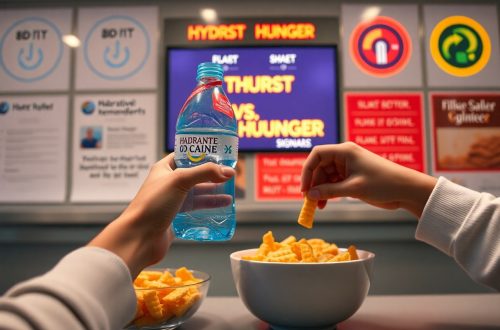
With numerous claims linking hydration to weight loss, it’s crucial to understand the facts behind drinking water and its impact on your fitness journey. This informative post will guide you through the science of hydration, reveal how much water you truly need for effective weight management, and help you distinguish between myths and realities. Discover how incorporating the right amount of water into your daily routine can support your weight loss goals and enhance your overall well-being.
Key Takeaways:
- Drinking water can aid weight loss by promoting satiety and boosting metabolism.
- The amount of water needed varies by individual, influenced by factors like activity level and climate.
- Hydration needs can also come from food sources and other beverages, not just plain water.
The Role of Water in Weight Loss
Importance of Hydration
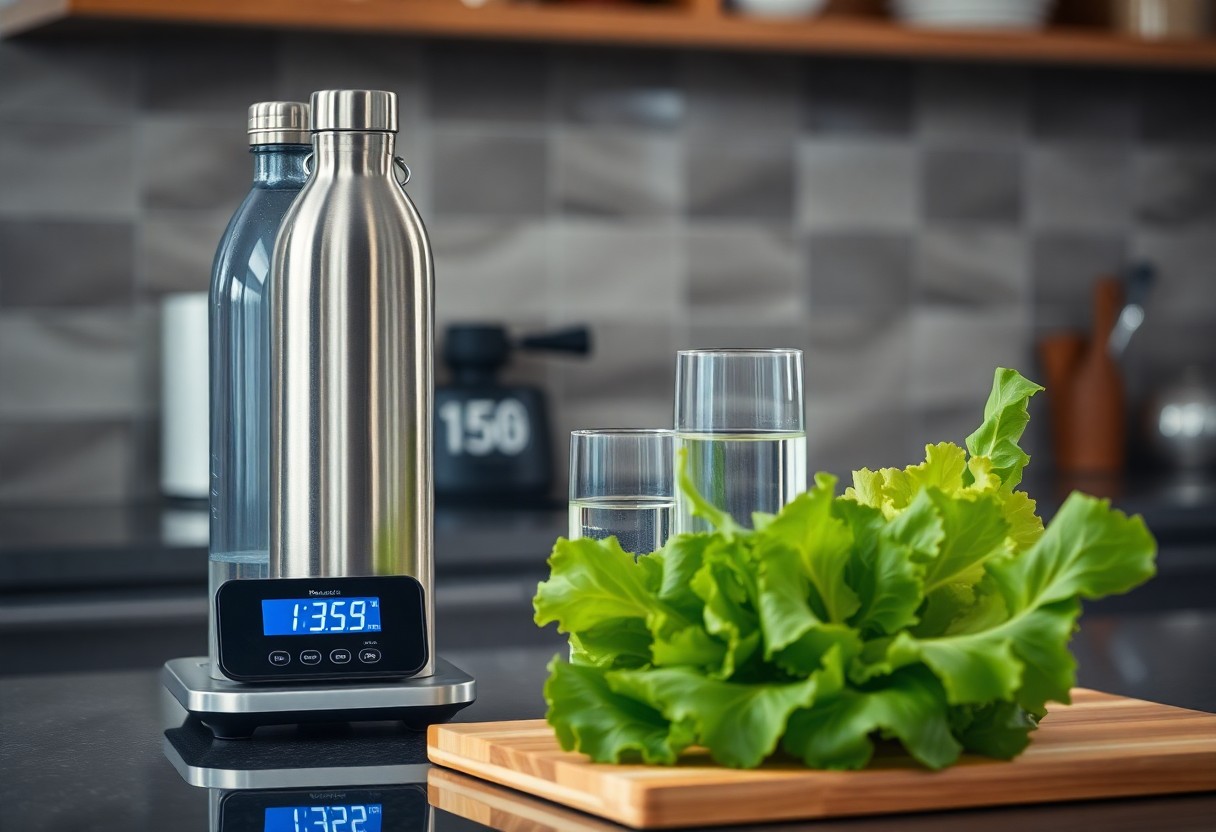
Staying properly hydrated is vital for your overall health and can significantly influence your weight loss efforts. When you’re well-hydrated, your body functions more efficiently, helping to regulate metabolism and eliminating waste. Insufficient hydration can lead to fatigue, decreased exercise performance, and increased food cravings, all of which hinder your weight loss progress.
How Water Affects Metabolism
Consumption of water can temporarily boost your metabolism, aiding in burning more calories. Research indicates that drinking about 500 ml of water can increase metabolic rate by approximately 30% for about 30-40 minutes. This effect may vary based on individual factors but still demonstrates water’s potential role in supporting weight management.
Moreover, the metabolic increase from drinking water can be enhanced when the water is cold, as your body expends energy to warm it to body temperature. Over time, this increase in metabolic activity can contribute to weight loss, especially when combined with other healthy lifestyle choices, such as diet and exercise.
Water’s Impact on Appetite Regulation
Drinking water before meals can help you feel fuller, leading to reduced calorie intake. This is particularly beneficial when trying to lose weight, as it can help you manage your portions and avoid overeating. Studies show that individuals who drink water before meals consume fewer calories overall, aiding in weight control.
[related_posts_banner]One study found that participants who drank two glasses of water before their meals reduced their calorie intake significantly compared to those who didn’t. This simple habit can effectively curb your appetite and support your weight loss journey without requiring drastic changes to your eating habits.
Comparison with Other Beverages
Beverage Comparison Table
| Beverage | Calories per 1 cup |
| Water | 0 |
| Soda | 100-150 |
| Juice | 100-120 |
| Alcohol | 150-200 |
Choosing water over sugary drinks is a straightforward way to cut unnecessary calories from your diet. Unlike soda or juice, which can lead to weight gain due to their high-calorie content and low satiety, water hydrates without adding any calories. By replacing other beverages with water, you can enhance your weight loss efforts while also improving your overall health.
Recommended Daily Water Intake
General Guidelines
To maintain optimal hydration, it’s generally recommended that you drink about 2.7 liters (91 ounces) for women and 3.7 liters (125 ounces) for men daily. This includes all fluids consumed, not just water. Tailor your intake based on your individual needs, physical activity level, and environment.
Factors That Influence Water Needs
Your water requirements can vary widely based on several factors, including activity level, climate, health status, and dietary habits. For instance, those engaging in high-intensity workouts or living in hot climates will need more hydration. Any dietary factors, like high salt or protein intake, can also increase your need.
- Activity level
- Climate conditions
- Health status (e.g., illness or pregnancy)
- Dietary habits (e.g., high salt or protein)
- Age and body size
For example, athletes may need to drink 2-3 cups of water for every hour of intense exercise. Any adjustments based on these factors can enhance your hydration strategy.
Signs of Dehydration
You should be aware of the signs of dehydration, which include thirst, dry mouth, fatigue, dizziness, and dark yellow urine. If you experience these symptoms, consider drinking more water to replenish your levels.
Additionally, even mild dehydration can affect your physical performance and cognitive function. Monitoring for these signals can help you maintain effective hydration and support overall health.
Overhydration Risks
While staying hydrated is imperative, overhydration can lead to a dangerous condition known as hyponatremia, which dilutes sodium levels in your body. Symptoms can include nausea, headache, confusion, and in severe cases, seizures.
Balancing your fluid intake is important; understanding that drinking excessive amounts of water without electrolyte replenishment can pose risks is key. Any additional hydration during extended physical activity should include electrolytes to prevent overhydration risks.
Water Consumption Methods
Drinking Water
To effectively use water for weight loss, simply drinking plain water should be your first approach. Aim for at least eight 8-ounce glasses a day, aligning with the general recommendation of 2.7 liters (91 ounces). You can space your water intake throughout the day, drinking before meals to promote fullness.
Water-Rich Foods
Including water-rich foods in your diet is an excellent way to contribute to your hydration. Foods like cucumbers, tomatoes, watermelon, and oranges can contain up to 90% water, aiding in your hydration efforts while providing crucial nutrients.
Water-rich foods not only keep you hydrated but also help in managing hunger and reducing overall calorie intake. For example, snacking on fruits and vegetables can provide volume and fullness without excessive calories, making them ideal additions to your weight loss plan.
Infused Water Options
Infused water is a refreshing way to boost your hydration while adding flavor without calories. Combine your water with slices of fruits, vegetables, or herbs, like lemon and mint, to create a beverage that encourages you to drink more throughout the day.
Experimenting with infused water can help you discover flavors you enjoy, making it easier to meet your hydration goals. Consider using combinations like cucumber and basil or strawberry and mint for unique and invigorating drinks that keep your water intake interesting.
Electrolyte and Hydration Drinks
Incorporating electrolyte and hydration drinks can support your hydration, especially after intense workouts or on hot days. Look for options that are low in sugars and high in electrolytes like sodium, potassium, and magnesium to replenish what you lose through sweat.
These drinks can help maintain your hydration levels during strenuous activities or prolonged periods of sweating. For instance, a low-sugar electrolyte drink can not only support hydration but also aid in muscle recovery, making it beneficial for those who exercise regularly. Just be mindful of added sugars and calories to align with your weight loss goals.
Myths and Misconceptions About Water and Weight Loss
“More Water Equals More Weight Loss”
The belief that drinking excessive amounts of water will directly lead to weight loss is misleading. While staying hydrated supports metabolism and can help control appetite, overconsumption of water does not automatically translate to significant weight loss. Balance is vital, and the body has limits on how much water it can process safely.
“All Water is Created Equal”
Not all water contributes the same to your hydration. While plain water is the best option, beverages like sugary drinks, coffee, and alcohol can lead to dehydration rather than hydration. For detailed insights on water intake, refer to Water: How much should you drink every day?. Choosing the right type of water, such as mineral or electrolyte-infused water, can also make a difference.
“Cold Water Burns More Calories”
While drinking cold water may lead to a slight increase in calorie burn as your body warms it up to body temperature, the effect is minimal. The calorie expenditure from this process is negligible compared to the overall calories you consume throughout the day.
“Water Retention Means You Are Gaining Weight”
Water retention is often misunderstood as permanent weight gain. In reality, fluctuations in water weight are common and can be affected by various factors such as sodium intake, hormonal changes, and hydration levels. Your actual body fat may remain unchanged despite water weight variations.
Practical Strategies for Increasing Water Intake
Daily Water Goals
Setting a daily water goal can help you stay on track with hydration. Aim for at least half your body weight in ounces daily. For example, if you weigh 150 pounds, target around 75 ounces of water each day. Adjust this based on activity level and climate to ensure you meet your individual needs. You can learn more about this topic in The Role of Drinking Water in Your Weight Loss Journey.
Scheduling Reminders
Incorporate reminders into your daily routine to prompt you to drink water regularly. Set alarms on your phone or use hydration apps that notify you at specific intervals throughout the day.
These reminders can be customized to your schedule and lifestyle. For example, set an alarm to drink a glass of water after every meal or every hour. You can even use visual cues like sticky notes on your fridge or desk to serve as reminders, ensuring hydration remains a consistent part of your day.
Creative Serving Ideas
Finding enjoyable ways to consume water can enhance your intake. Experiment with flavoring your water using fresh fruits, herbs, or even sparkling water for a refreshing twist.
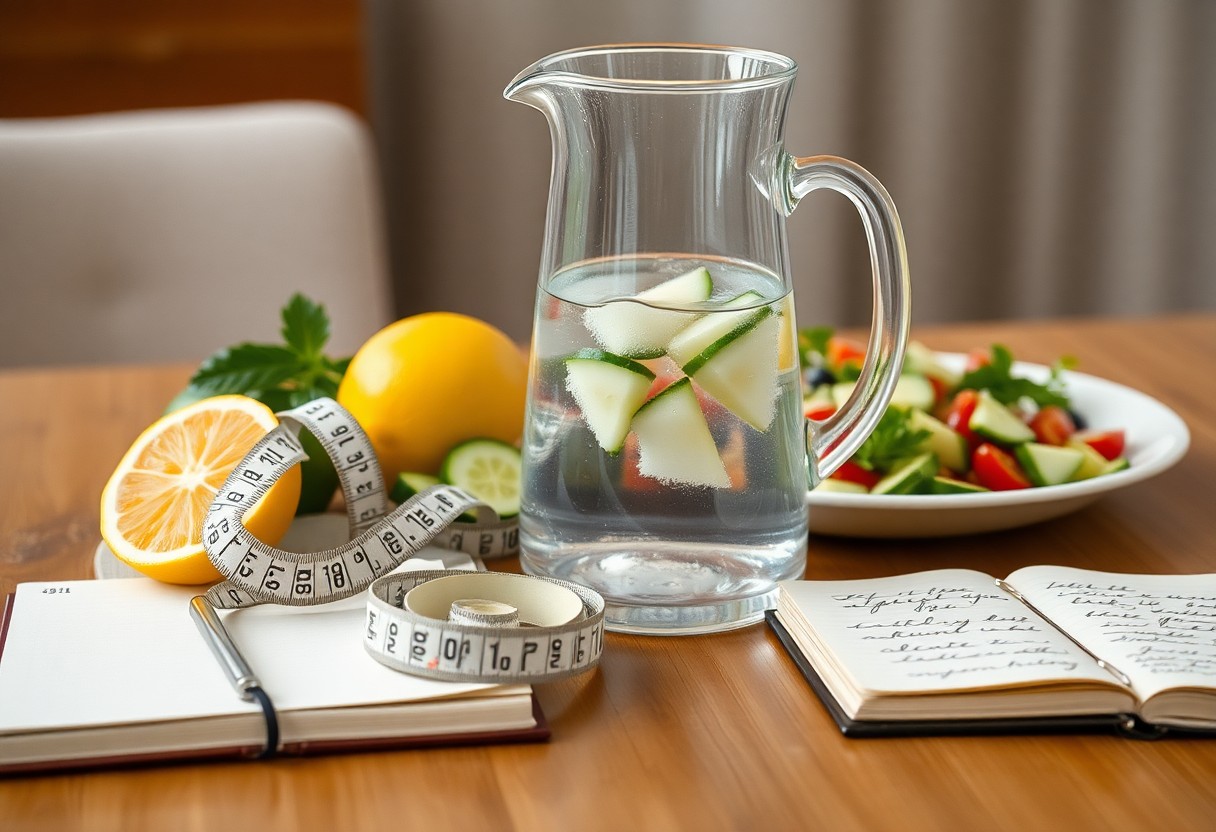
Infusing water with items like lemon, cucumber, or mint not only adds taste but also encourages you to drink more. Consider preparing pitchers of infused water and keeping them in the fridge; having visually appealing options on hand can motivate you to stay hydrated throughout the day.
Tools and Gadgets for Hydration
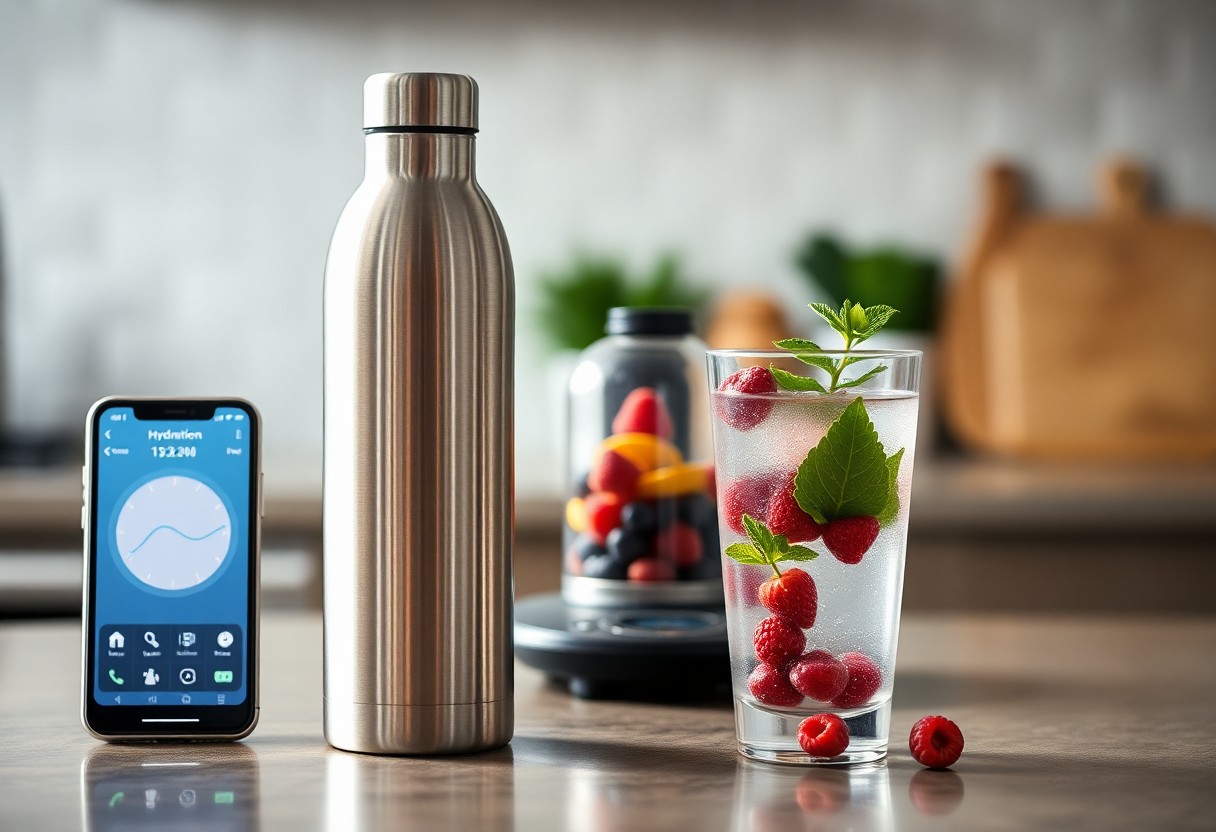
Utilizing gadgets can streamline your water intake efforts. Water bottles with built-in tracking or reminders can be incredibly effective in maintaining your hydration goals.
Look for smart water bottles that sync with your phone, tracking your intake automatically, or choose a stylish reusable bottle that you’re excited to carry. Keeping your preferred hydration tool accessible can serve as a constant reminder to drink more water, effectively integrating hydration into your everyday routine.
Combining Water with Other Weight Loss Strategies
Nutrition and Diet Considerations
Your diet plays a vital role in weight loss. Pairing adequate water intake with a balanced diet rich in whole foods—like fruits, vegetables, lean proteins, and whole grains—can amplify your results. Staying hydrated can also help you make healthier food choices, as thirst is often mistaken for hunger.
Exercise and Activity
Incorporating regular physical activity enhances weight loss efforts. Staying hydrated during workouts improves performance and recovery, enabling you to exercise consistently and effectively.
Staying active while prioritizing hydration is crucial. Aim for at least 150 minutes of moderate aerobic activity or 75 minutes of vigorous activity each week. Drinking water before, during, and after exercise can prevent dehydration and fatigue, allowing you to push your limits and burn more calories. Simple adjustments, like keeping a water bottle near your workout space, can encourage consistent hydration.
Mindful Eating Techniques
Integrating mindful eating techniques can significantly impact your weight loss journey. Focus on eating slowly and savoring each bite, as this can enhance your awareness of hunger and fullness cues, reducing overeating.
Practicing mindfulness during meals helps you appreciate the flavors and textures of your food, promoting a healthier relationship with eating. Techniques such as placing your utensils down between bites or avoiding distractions while eating can further support mindfulness, making it easier to gauge when you are satisfied rather than full.
The Role of Sleep and Stress Management
Quality sleep and effective stress management are fundamental for successful weight loss. Lack of sleep can disrupt hormones that regulate hunger, leading you to crave unhealthy foods.
Prioritizing sleep and managing stress can enhance your weight loss efforts significantly. Aim for 7-9 hours of quality sleep every night, and consider stress-reduction techniques such as meditation, deep breathing exercises, or yoga. These practices can help maintain hormone balance, reduce cravings, and foster a healthier lifestyle overall.
To wrap up
Ultimately, understanding the role of drinking water in your weight loss journey can significantly impact your results. Staying properly hydrated aids metabolism and helps curb your appetite, enabling you to make healthier choices. Aim for about half your body weight in ounces daily, adjusting based on your activity level. By integrating adequate water intake into your routine, you not only support your weight loss goals but also enhance overall health. Make hydration a priority, and observe how it positively influences your efforts.
FAQ
Q: How does drinking water contribute to weight loss?
A: Drinking water can help with weight loss by increasing feelings of fullness, which may reduce overall calorie intake. Additionally, staying hydrated can boost metabolism and aid in exercise performance, leading to more effective workouts.
Q: How much water should I drink daily to support weight loss?
A: A common recommendation is to drink at least 8-10 cups (64-80 ounces) of water daily, but individual needs may vary based on factors like activity level, climate, and body size. It’s important to listen to your body’s thirst signals and adjust as necessary.
Q: Can drinking water before meals help in losing weight?
A: Yes, drinking water before meals may help reduce appetite and lead to a decrease in calorie consumption during those meals. Studies show that individuals who drink water before eating might consume fewer calories overall, aiding in weight loss efforts.