Over the years, chia seeds have gained popularity for their remarkable versatility and nutritional benefits. In this handbook, you will discover how to incorporate these tiny powerhouses into your daily diet, transforming everything from simple puddings to innovative pizza crusts. With a blend of practical recipes and nutritional insights, you’ll learn to harness the potential of chia seeds, elevating your meals while enhancing your health. Get ready to explore the diverse applications of chia seeds that can invigorate your cooking and nourish your body.
Key Takeaways:
- Chia seeds are versatile and can be used in a variety of recipes, from puddings to pizza crusts.
- The book offers nutritional insights and health benefits of incorporating chia seeds into your diet.
- It includes practical tips for preparation and storage to maximize freshness and flavor.
The Nutritional Benefits of Chia Seeds
Chia seeds are a powerhouse of nutrition, offering numerous health benefits. Incorporating them into your diet can help support heart health, promote digestive function, and even aid in weight management. With their unique ability to absorb water and form a gel-like consistency, they are ideal for creating satisfying dishes. For a delicious way to enjoy this superfood, check out this Vegan pizza and chocolate chia seed pudding recipe.
Rich in Omega-3 Fatty Acids
Chia seeds are one of the richest plant sources of omega-3 fatty acids, particularly alpha-linolenic acid (ALA). Including them in your diet can benefit heart health by reducing inflammation and promoting improved cholesterol levels. Just one ounce (about two tablespoons) of chia seeds provides approximately 5 grams of omega-3s, which can help contribute to your daily intake.
High in Fiber and Protein
Each serving of chia seeds boasts an impressive fiber content, with about 11 grams per ounce. This high fiber level supports digestive health and helps you feel fuller for longer, making it an excellent addition to weight management strategies. Moreover, chia seeds are protein-rich, containing roughly 4 grams of protein per ounce, which is beneficial for muscle maintenance and overall bodily functions.
The combination of high fiber and protein content in chia seeds means they are exceptionally filling and can be a valuable tool for maintaining a balanced diet. The soluble fiber forms a gel in your digestive tract, aiding in regulating blood sugar levels and enhancing gut health. This makes chia seeds not only a nutritious addition but also a practical one for sustainable energy and satiety throughout the day.
Preparing Chia Seeds
Preparing chia seeds can enhance their nutritional benefits and improve their incorporation into your meals. From soaking to sprouting, understanding the right techniques allows you to maximize the potential of these tiny powerhouses. Proper preparation not only enhances digestibility but also helps in achieving the desired texture for various recipes you wish to prepare.
Soaking and Sprouting Techniques
Soaking chia seeds in liquid for at least 20 minutes results in a gel-like consistency, perfect for puddings and smoothies. For sprouting, rinse your seeds, place them in a jar, and let them soak overnight. Rinse daily for 3-4 days until tiny sprouts appear, adding a crunchy texture to salads and sandwiches.
Incorporating into Daily Diet
You can seamlessly integrate chia seeds into your meals in countless ways. Add them to your breakfast smoothies, sprinkle them on salads, or blend them into dips for added texture and nutrition. They’re low in calories, high in fiber, and can absorb up to 12 times their weight in water, making them an excellent addition to keep you feeling full throughout the day.
For a practical approach, start your day by adding a tablespoon of chia seeds to your morning smoothie or yogurt. You can also create overnight oats by combining rolled oats, milk or a dairy-free alternative, and chia seeds, letting them sit overnight for a nutritious breakfast ready to grab on the go. Sprinkle chia seeds on popcorn or incorporate them into baked goods, like muffins or energy bars, to boost their fiber content without altering the flavor significantly.
Chia Seed Pudding: A Versatile Treat
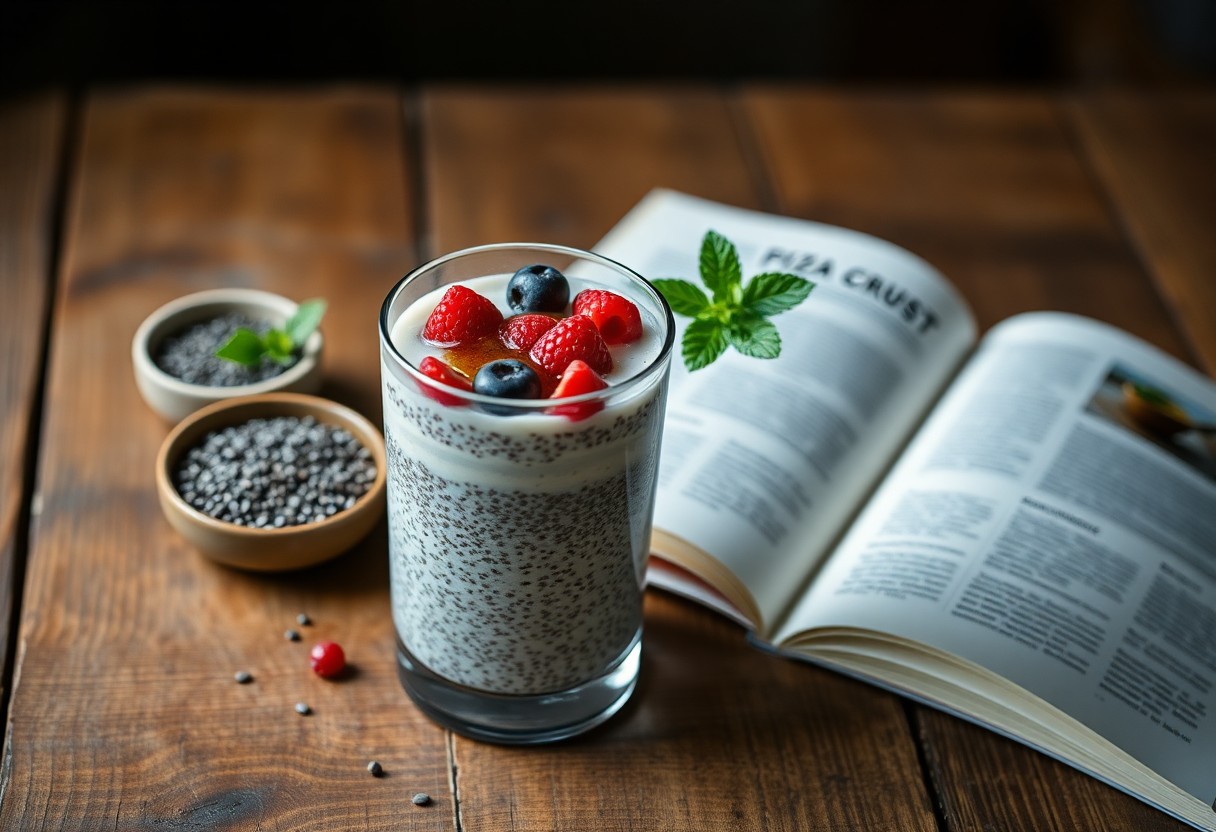
Chia seed pudding stands out as a nourishing, adaptable dessert that can seamlessly fit into any meal. Packed with fiber, omega-3 fatty acids, and protein, this delightful treat not only satisfies cravings but also supports your health goals. With minimal preparation and endless customization, it’s no wonder chia pudding has become a favorite for those seeking quick, nutritious options without sacrificing flavor.
Basic Recipe and Variations
Your basic chia seed pudding recipe is simple: mix 1/4 cup of chia seeds with 1 cup of your preferred liquid—such as almond milk, coconut milk, or dairy milk. Stir well, let it sit for at least 30 minutes or overnight, allowing the seeds to absorb the liquid and thicken. Variations abound; try swapping different plant-based milks or adding a bit of sweetener for your personalized touch.
Flavoring and Topping Ideas
To elevate your chia seed pudding, you can experiment with various flavorings and toppings. Consider incorporating ingredients like vanilla extract, cocoa powder, or fresh fruit purées for unique tastes. Top your pudding with nuts, seeds, granola, or berries to add texture and nutritional value, making each serving an exciting new creation.
For flavoring, think beyond the basics; try blending in spices like cinnamon or cardamom for warmth, or mix in nut butters for creaminess and richness. Fresh fruits like mango or strawberries can enhance sweetness, while adding toppings like coconut flakes or dark chocolate shavings introduces delightful textures. The choices are virtually limitless, allowing you to create a pudding that suits your palate and dietary needs, ensuring that each serving is as unique as you are.
Chia Seeds in Baking
Incorporating chia seeds into your baking repertoire can elevate both flavor and nutrition. They add a pleasant crunch and a nutty undertone while boosting the fiber and omega-3 content of your baked goods. From bread to muffins, chia seeds can enhance texture and promote moisture retention, making them a valuable ingredient for healthier alternatives to traditional recipes.
Chia Flour: A Gluten-Free Alternative
Chia flour serves as a versatile gluten-free option for baking that adds a nutty flavor along with dietary fiber. Made by finely grinding chia seeds, it can replace a portion of all-purpose flour in recipes, promoting a healthier profile in your baked goods. Using chia flour in combination with other gluten-free flours can improve the texture and structure of your favorite treats.
Using Chia as an Egg Substitute
Substituting eggs with chia seeds is a simple yet effective way to create vegan-friendly baked goods. To replace one egg, mix one tablespoon of chia seeds with three tablespoons of water, allowing it to gel for about 15 minutes. This mixture acts as a binding agent, helping to hold your baked items together while adding a healthy dose of omega-3 fatty acids and fiber. You’ll find that it works well in cookies, cakes, and even brownies.
Using chia seeds as an egg substitute not only accommodates dietary restrictions but also enhances the nutritional value of your recipes. One tablespoon of chia seeds contains about 58 calories, 3 grams of protein, and a significant amount of omega-3s, which can improve heart health. As you experiment, you’ll discover that the slight crunch of chia seeds can work wonderfully in dense baked goods and provide the moisture needed for lighter pastries as well. This flexibility allows you to maintain the integrity of your dish while making it more inclusive for various diets.
Innovative Chia Seed Recipes
Exploring creative recipes with chia seeds opens up a world of flavor and nutrition. From savory dishes to sweet treats, chia seeds are versatile and can transform everyday meals. Dive into options like crunchy snacks, hearty breakfasts, and even gourmet pizzas, ensuring you make the most of this superfood in your culinary journey.
Chia Pizza Crust: Step-by-Step Guide
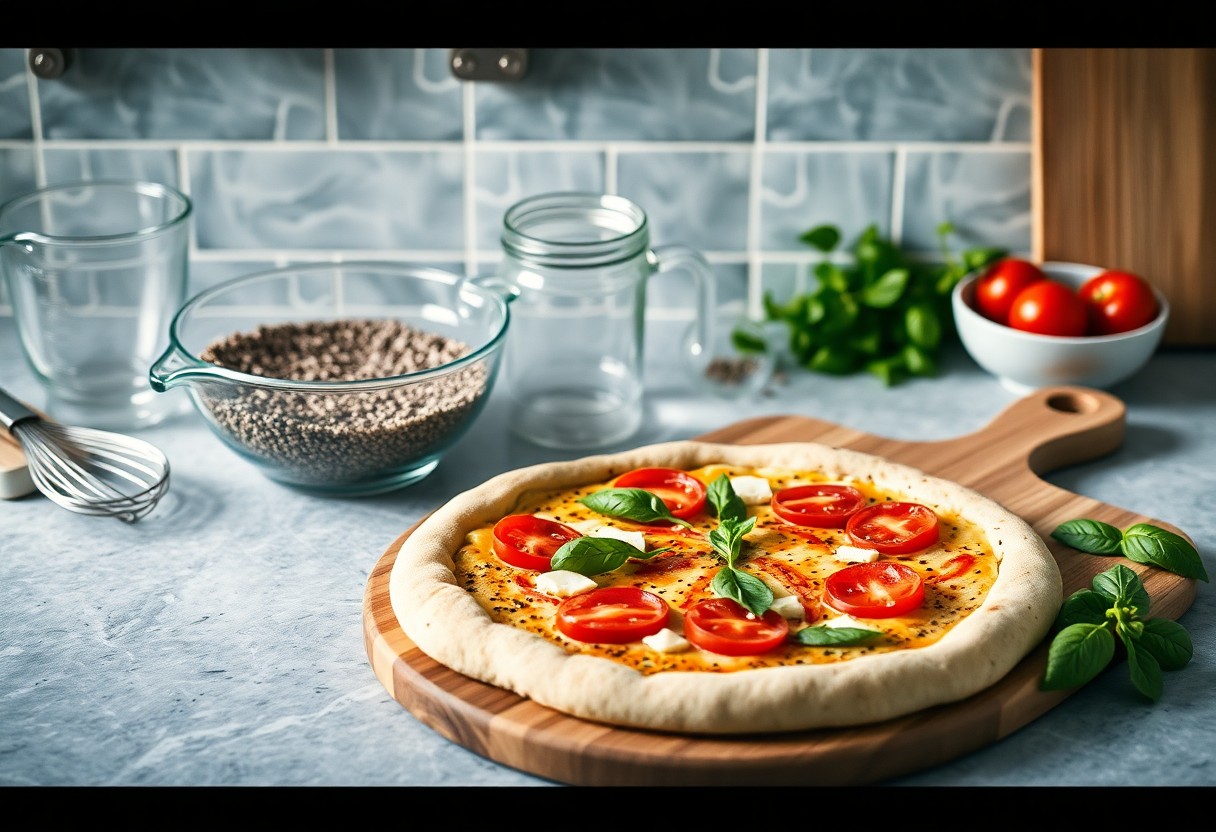
Creating a delicious chia pizza crust is a simple process. Start by blending chia seeds with water to form a gel, then mix in your favorite gluten-free flour and spices. Spread the mixture onto a baking sheet and bake until golden. Once baked, add your toppings and return to the oven. Enjoy a healthy twist on a classic dish!
Chia Pizza Crust Ingredients
| Chia Seeds | ¼ cup |
| Water | ½ cup |
| Gluten-Free Flour | 1 cup |
| Olive Oil | 2 tablespoons |
| Your favorite spices | to taste |
Smoothies and Breakfast Bowls
Smoothies and breakfast bowls become nutrient powerhouses when you add chia seeds. Incorporate them into your morning routine for added fiber, protein, and omega-3 fatty acids. Chia seeds not only enhance the texture but also provide a satisfying crunch that complements fruits, yogurt, and other smoothie ingredients perfectly.
In a smoothie, just a couple of tablespoons of chia seeds can thicken the blend while contributing to your daily nutritional intake. You can also soak them beforehand to create a gel-like consistency, which blends seamlessly into your drink. For breakfast bowls, topping your oats or yogurts with chia seeds adds visual appeal and enhances the overall nutrient profile, making each bite both delicious and beneficial. Combining chia with fruits like bananas, berries, and even nut butters can create an unforgettable start to your day.
Storing and Preserving Chia Seeds
Properly storing your chia seeds is imperative for maintaining their freshness and nutritional benefits. Keep them in a cool, dark place, such as a pantry or cupboard, and use airtight containers to protect them from moisture and light. For optimal longevity, consider refrigerating or freezing your seeds, especially if you buy in bulk. This can extend their shelf life significantly, allowing you to enjoy their health benefits for longer.
Best Practices for Longevity
To maximize the shelf life of your chia seeds, store them in airtight containers made of glass or BPA-free plastic. Keeping them away from heat and humidity helps prevent spoilage. If bought in bulk, consider dividing your seeds into smaller portions; this prevents repeated exposure to air and moisture with every opening.
Signs of Spoilage
When assessing the freshness of your chia seeds, look for subtle indicators of spoilage. An off smell or a change in color can signify that your seeds are no longer good to eat. Additionally, if your seeds have clumped together or feel damp, they may have absorbed moisture and should be discarded.
To elaborate on spoilage signs, fresh chia seeds typically have a mild, nutty aroma. If you notice an unusual or rancid smell, it indicates that the seeds have gone bad. Spoiled seeds may also appear darker or develop unusual clumps due to moisture absorption. If they seem less crunchy or exhibit a soft texture when you take a few out, it’s best not to consume them. Discard any seeds that show these signs to ensure you’re only enjoying the freshest possible product.
To wrap up
As a reminder, ‘The Chia Seed Handbook – From Pudding to Pizza Crust’ equips you with diverse recipes and insights on incorporating chia seeds into your diet. You can enhance your meals by exploring their versatility, from nutritious puddings to innovative pizza crusts. Embracing chia seeds not only enriches your culinary options but also amplifies the health benefits in your everyday meals. By integrating these tiny seeds, you empower yourself to create delicious and nutritious dishes that support your well-being.