It’s entirely possible to create an effective mini home gym in your small apartment without sacrificing space or comfort. With the right approach, you can transform a corner of your living area into a personalized fitness zone that caters to your specific workout needs. This guide will provide you with practical tips and expert insights on selecting equipment, maximizing your space, and keeping your workout area organized. You’ll discover how small adjustments can lead to significant improvements in your fitness routine, all while fitting seamlessly into your apartment lifestyle.

Key Takeaways:
- Choose versatile equipment that can be used for multiple exercises, such as resistance bands or adjustable dumbbells.
- Designate a specific workout area to create a routine and keep your space organized.
- Utilize vertical space for storage and consider compact or foldable equipment for easy setup and storage.

Understanding Your Space
Evaluating your space is critical for creating an effective mini home gym. Every square foot counts, and knowing the layout of your apartment will help you make the best choices for your gym setup. Assess ceiling height, natural light sources, and the proximity of your gym area to the kitchen or living space, as this can impact your workout routine and atmosphere.
Measuring Your Apartment
Start by accurately measuring your apartment’s dimensions. Use a tape measure to get the length and width of each room. Note down any obstacles, like furniture and doors, that may affect your available space. This data will help you visualize how to lay out your gym equipment effectively.
Identifying Suitable Areas
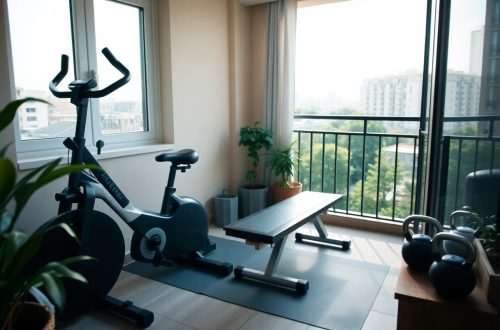
Look for spaces in your apartment that can accommodate gym equipment without disrupting your daily life. Ideal areas include corners of your living room, spare rooms, or even large balconies. Consider accessibility and convenience for your workout schedule, ensuring you can easily retrieve and store equipment when not in use.
[related_posts_banner]For instance, a corner of your living room might be perfect if it receives natural light and has enough room for a yoga mat or resistance bands. Alternatively, if you have a spacious balcony, it can serve as an outdoor gym where you can enjoy fresh air while exercising. Evaluate traffic flow in your apartment to place equipment where it won’t be in the way. Consider dust collection as well; avoiding clutter-filled spaces will keep your gym area clean and inviting.
Essential Equipment for a Mini Home Gym
Creating a mini home gym requires carefully selected equipment that maximizes your workout potential while minimizing space. Focus on versatility and functionality to accommodate a variety of exercises. Opt for items that offer a full-body workout and can easily be stored or hidden away when not in use. This selection will support your fitness journey without overwhelming your living space.
Must-Have Items
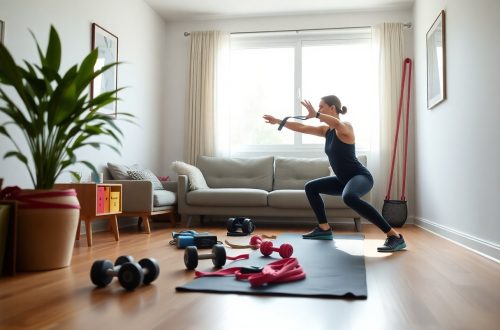
Start with adjustable dumbbells, resistance bands, and a yoga mat. Adjustable dumbbells provide multiple weight options, while resistance bands can assist in strength training and flexibility. A yoga mat offers comfort and stability for various workouts, from stretching to high-intensity exercises, making them vital additions to your mini gym.
Space-Saving Alternatives
Consider equipment that serves multiple purposes to save space in your apartment. For instance, a stability ball can be used for both core workouts and as a desk chair alternative. Multi-use machines, such as a compact cable machine, offer various exercises without dominating your floor area. Additionally, resistance bands can be easily stored in a drawer.
Incorporating space-saving alternatives allows you more freedom and room in your apartment while still achieving effective workouts. Look for folding exercise benches or wall-mounted pull-up bars to keep your gym area neat. Some fitness equipment even doubles as décor, like a wall mirror that helps with form and appears visually appealing. By prioritizing versatility and storage in your equipment choices, you can maintain a functional and aesthetic home gym.
Creative Storage Solutions
Maximizing space in your mini home gym involves innovative storage options. Utilize every corner by incorporating under-bed storage bins, wall-mounted racks, or multi-tiered shelves. These solutions keep your equipment organized and accessible, ensuring a clutter-free workout environment. For more ideas, check out the article on How to Create a Small Space Home Gym.
Utilizing Vertical Space
Vertical space is often underused in small apartments. Install hooks or pegboards to hang weights, resistance bands, or yoga mats. This vertical approach frees up floor space while keeping your equipment visible and easy to grab for quick workouts.
Multi-Functional Furniture
Selecting multi-functional furniture can help maximize your gym space. Opt for benches that double as storage units or ottomans that can house your workout gear. This way, you not only save space but also add functional pieces that blend seamlessly with your home’s decor, creating a pleasant workout atmosphere.
For example, a sturdy coffee table can serve as a workout bench, while ottomans with interior compartments can store dumbbells or resistance bands. Folding chairs that collapse for easy storage are also great when you need space for floor exercises. The key is finding versatile pieces that meet both your training and living needs without taking up extra room.
Designing Your Workout Area
Your workout area should be functional yet motivating. Identify a designated space where you can comfortably move, ensuring it’s free from distractions. You can maximize vertical space by adding shelves for equipment storage and using wall-mounted mirrors to create an illusion of depth. For further inspiration, check out these 10 Inspiring Small Home Gym Ideas.
Layout Ideas
Consider how you will arrange your equipment for optimal flow. Place larger items like a yoga mat or bench at the center, allowing easy access to weights or resistance bands nearby. Having a clear path will make transitioning between exercises smoother and more efficient, fostering a disciplined workout routine.
Creating an Inviting Atmosphere
Making your workout space inviting enhances your motivation. Use warm lighting, add plants, and opt for vibrant colors that energize you. Inspirational art or a vision board can also serve as a visual reminder of your fitness goals, making your mini gym a personal haven you look forward to using.
To really enhance the atmosphere, consider incorporating sound and scent. Select a playlist that pumps you up or a calming sound machine to suit your vibe. Essential oil diffusers with energizing scents like citrus can create a refreshing environment. Additionally, keeping the space neat and organized will help you feel more at ease, making you more likely to engage in regular workouts.
Incorporating a Workout Routine
Establishing a consistent workout routine is necessary for success in your mini home gym. Select workout days and times that fit seamlessly into your existing schedule, ensuring you’re more likely to stick with it. Consider incorporating a variety of exercises to keep your regimen balanced and engaging. For tips on creating an effective setup without breaking the bank, check out Set Up A Small Home Gym On A Budget.
Choosing Your Fitness Goals
Defining clear fitness goals will guide your workout design. Whether your aim is weight loss, strength building, or flexibility improvement, specificity is key. Write down your goals and track your progress to stay motivated and accountable. Consistent assessment will help you stay focused and make necessary adjustments to your routine.
Structuring Your Workouts
Outlining your workouts involves organizing sessions around your fitness goals. Aim for a mix of strength training, cardiovascular workouts, and flexibility exercises. Schedule your workouts, ensuring you balance intensity with recovery. You might designate specific days for each type of training, such as strength on Mondays and Wednesdays, cardio on Tuesdays and Thursdays, and flexibility on Fridays.
Keeping your workout structure simple allows for adaptability. For instance, target different muscles groups each session, promoting recovery and growth. Incorporate compound movements like squats and push-ups to maximize efficiency in a limited time. Using mini circuits can add variety and keep you engaged while improving endurance. Tailoring your routine based on your evolving goals will help maintain motivation and long-term results.
Staying Motivated
Maintaining motivation in a small home gym can be challenging, but setting clear goals and creating an inspiring workout environment can make a significant difference. Regularly remind yourself why you launched on this fitness journey. Celebrate small victories and progress to stay engaged and committed. Visual cues, such as progress photos or motivational quotes in your workout space, can bolster your enthusiasm and encourage consistency.
Setting Up a Schedule
Establishing a regular workout schedule transforms fitness into a habit. Choose specific days and times for your sessions, treating them as non-negotiable appointments. Aim for at least three to four workouts weekly, incorporating a mix of cardio, strength training, and flexibility exercises. Consistency helps reinforce a routine, ensuring you stay accountable and focused on achieving your fitness goals.
Finding Your Workout Buddy
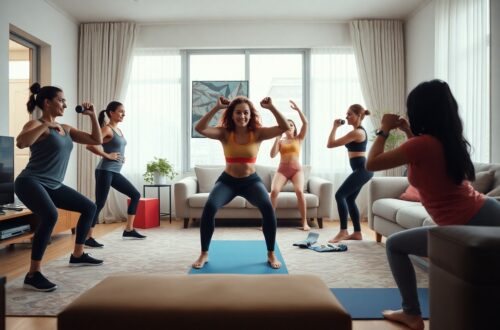
Having a workout partner can elevate your fitness experience, making it more enjoyable and productive. A buddy keeps you accountable and encourages you during tough sessions. Together, you can share tips, set joint goals, and push each other beyond your comfort zones, creating an environment of mutual support. Plus, exercising with a friend often leads to laughter and fun, making workouts feel less like a chore.
Research shows that people are more likely to stick to their fitness routines when they have a partner. This can be a friend, family member, or even a coworker. Schedule regular workouts together and communicate openly about your goals. You might also explore online fitness communities if 찾기 your immediate circle is unavailable, joining virtual classes or forums to find like-minded individuals. This shared commitment can transform your home gym experience into a vibrant and motivating journey.
Final Words
Hence, designing a mini home gym in your small apartment is achievable with thoughtful planning and creativity. Focus on selecting versatile equipment that fits your space and suits your workout preferences. Utilize multipurpose furniture to maximize functionality and consider your layout for seamless movement. By prioritizing organization and decluttering, you can create an inviting exercise environment. With these strategies in mind, you can develop a routine that keeps you motivated and healthy without the need for a large space. Take action today to transform your living area into a personal fitness oasis.
FAQ
Q: What equipment do I need for a mini home gym in a small apartment?
A: For a mini home gym, consider versatile equipment like resistance bands, dumbbells, and a jump rope. A yoga mat is useful for floor exercises and stretching. If space allows, a compact exercise bike or a foldable weight bench can be great additions.
Q: How can I maximize space when designing my home gym?
A: To maximize space, use multi-functional furniture, such as an ottoman that stores weights. Wall-mounted shelves can hold accessories. Consider creating a designated workout area in a corner of a room and use portable equipment that can be easily stored away.
Q: What workout routines are best for a small home gym?
A: Focus on full-body workouts, which use multiple muscle groups at once. Bodyweight exercises like push-ups, squats, and lunges are effective. Combine these with resistance band or dumbbell routines for strength training. High-Intensity Interval Training (HIIT) can also be done in small spaces.