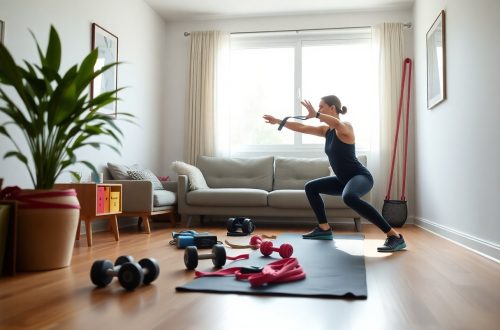
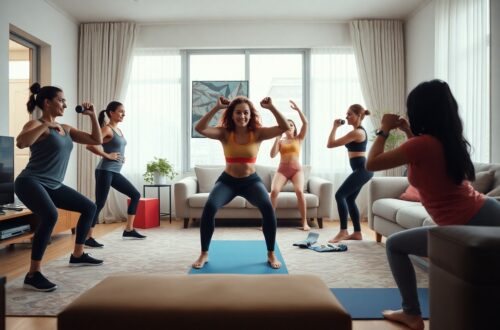
Apartment living offers unique challenges when it comes to staying fit, but you can achieve your fitness goals without needing a gym or extensive space. By integrating apartment-friendly workouts into your daily routine, you can maintain your health and energy levels effectively. With the right exercises and a little creativity, you can transform your living space into a personal fitness zone that suits your lifestyle and maximizes your potential. This guide will help you discover simple yet effective workout options tailored for your apartment living.
Key Takeaways:
- Utilize bodyweight exercises such as squats, push-ups, and planks, which require no equipment and can be done in small spaces.
- Incorporate flexibility and balance activities like yoga or stretching routines to enhance overall fitness and prevent injury.
- Schedule regular workout sessions and set reminders to maintain consistency and build a habit around your apartment-friendly routine.
Understanding Apartment-Friendly Workouts
Apartment-friendly workouts focus on exercises that can be performed in limited space without disturbing neighbors. You can achieve efficient workouts by using bodyweight exercises, resistance bands, and even everyday items like chairs. These workouts allow you to maintain fitness without the need for a gym membership or extensive equipment. Adapting your routine to small spaces can enhance your activity levels and promote a healthier lifestyle.
Importance of Staying Active in Small Spaces
Staying active in small spaces directly impacts your mental and physical well-being. Regular movement helps reduce stress, increases energy levels, and enhances overall mood. Making time for activity, even in a compact apartment, encourages a consistent fitness routine that fosters discipline and commitment, leading to long-lasting health benefits.
Benefits of Home Workouts
Home workouts offer flexibility and convenience, allowing you to exercise whenever it fits your schedule. You save time and money by eliminating travel to a gym and membership fees. Additionally, workouts at home enable you to create a personalized routine that matches your goals and preferences, increasing your likelihood of staying committed to your fitness journey.
Embracing home workouts can lead to significant lifestyle changes. With the ability to workout at any time, you can squeeze in sessions during breaks or when it’s convenient for you. This flexibility helps you remain consistent, which is key to seeing results. Moreover, studies indicate that individuals who engage in regular home workouts are more likely to stick to their fitness routines. You can explore various workout styles—yoga, HIIT, or strength training—tailoring each session to your mood and energy levels, ultimately creating a sustainable fitness regime.
How to Create a Fit Routine at Home
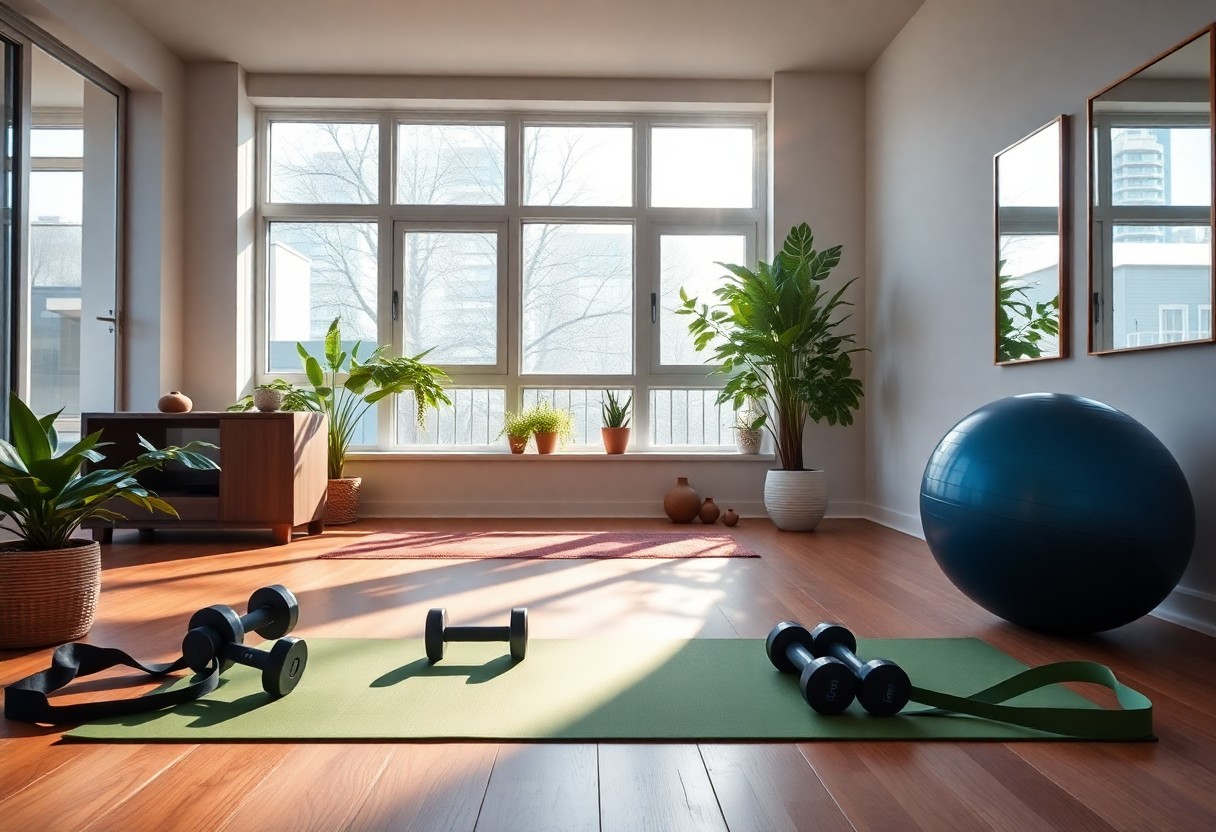
Establishing a consistent fitness routine at home enhances your motivation and keeps you engaged. Start by identifying the best times for your workouts, considering your daily schedule and energy levels. Aim for at least 30 minutes of exercise, five days a week. Choose a mix of cardio, strength training, and flexibility exercises to create a balanced regimen. This variety not only keeps things interesting but also targets different muscle groups, ensuring overall fitness.
Setting Clear Fitness Goals
Your fitness goals should be specific, measurable, achievable, relevant, and time-bound (SMART). Instead of vague promises like “get fit,” set goals like “exercise for 30 minutes five times a week” or “complete a 5k run in three months.” These clear targets provide direction and help track progress, keeping your motivation high as you achieve milestones.
Designing a Workout Schedule
Designing a workout schedule involves picking regular days and times that fit comfortably into your routine. Consider your commitments and choose slots when you’re least likely to be distracted. For a balanced approach, alternate between different types of workouts—like cardio, strength training, and stretching—throughout the week. This ensures you stay fully engaged while promoting balanced fitness development.
To design an effective workout schedule, use a calendar or an app to block out your workout times, treating them like important appointments. Plan for flexibility, allowing yourself to adjust based on how you feel or unexpected events. Aim for short, intense sessions if you’re pressed for time, using HIIT workouts or circuit training to maximize efficiency. Consistency is key; following through with your routine will set the foundation for long-term success, transforming a temporary effort into a lasting lifestyle choice.
Tips for Minimal Equipment Workouts
Maximizing your workout with minimal equipment is a smart approach for apartment living. Focus on versatile tools that can be used for various exercises:
- Resistance bands for strength training
- Dumbbells for weightlifting
- Yoga mats for comfort during floor exercises
- Jump ropes for cardio workouts
- Stability balls for core workouts
The right equipment keeps your workouts effective and engaging.
Essential Equipment for Apartment Workouts
Investing in a few important pieces of equipment can greatly enhance your apartment workouts. A set of resistance bands is lightweight, versatile, and easy to store. Adjustable dumbbells save space while allowing you to increase intensity. A good quality yoga mat provides comfort and stability for floor exercises. A jump rope is perfect for incorporating cardio, and a stability ball improves core strength and balance. The investment you make in these tools can lead to powerful results.
Bodyweight Exercises You Can Do Anywhere
Bodyweight exercises are ideal for maximizing fitness in a confined space. You can perform squats, lunges, push-ups, and planks without any equipment at all. These exercises utilize your own body resistance to build strength, flexibility, and endurance. They require minimal space, making them perfect for small apartments. The beauty of bodyweight workouts lies in their adaptability; you can modify them to suit your fitness level or add challenges as you advance. This can include variations like single-leg squats or inclined push-ups, keeping your routine fresh and engaging.
How to Maximize Small Spaces for Workouts
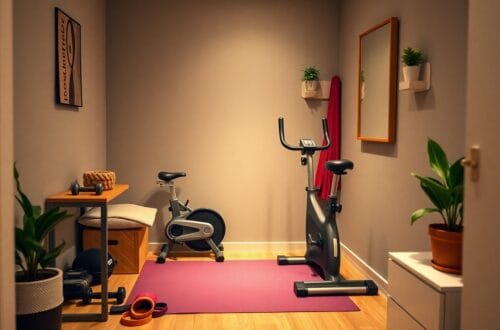
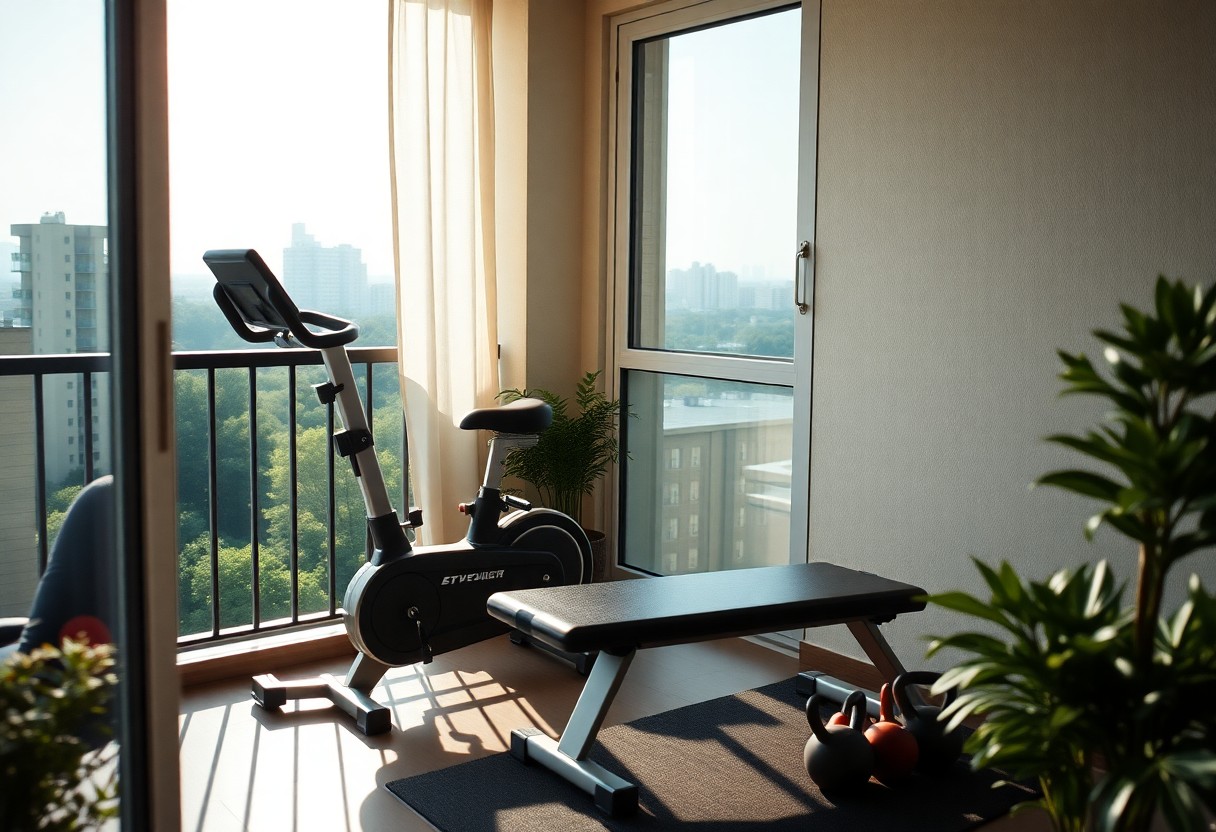
Maximizing your small space for workouts involves smart planning and creativity. Utilize corners and walls for storage and positioning your equipment. Consider repurposing furniture; a sturdy chair can double as a workout bench, while a yoga mat can define your exercise area. You can even use a foldable exercise bike that easily fits in a closet. Establishing a consistent routine in your chosen area can help you stay disciplined and engaged, turning any small space into an effective workout zone.
Choosing the Right Space in Your Apartment
Selecting the ideal space in your apartment is key to a successful workout routine. Look for an area with ample natural light, away from distractions like electronics or busy living spaces. A corner of a bedroom or living room can work well, especially if it allows for enough room to move freely. Ensure you have a flat surface for stability and consider ventilation to keep the air fresh as you exercise.
Organizing Your Workout Area
Organizing your workout area enhances focus and efficiency. Start by clearing any unnecessary items from your chosen space. Use storage solutions, like bins or shelves, to keep your equipment neat and accessible. Arrange your items in a way that provides easy access during workouts and allows for smooth transitions between exercises. Keeping your area tidy not only boosts motivation but also creates a calming environment that encourages regular exercise.
To optimize your workout area, categorize equipment by type or frequency of use. Use wall hooks for resistance bands or ropes and let weights or mats be visible but neatly stacked. Incorporate a mirror to check your form and boost your motivation. Adding a small shelf for water bottles or workout gear can keep necessarys at hand, minimizing interruptions during your routine. A well-organized space lays the foundation for effective and enjoyable workouts.
Factors to Consider When Working Out at Home
Working out at home offers flexibility, but specific factors can influence your experience. You should evaluate your space, equipment needs, and the types of workouts that align with your goals. Consider the following:
- Space availability
- Type of exercise preferred
- Noise restrictions
- Equipment investment
- Personal fitness goals
Perceiving these factors helps you create a workout environment conducive to success.
Noise Levels and Considerate Workouts
Your workout’s noise level can significantly impact your neighbors, especially in apartments. Opt for low-impact exercises, like yoga and bodyweight movements, which keep noise to a minimum. Additionally, using equipment like mats can cushion sound. Make sure your workout schedule aligns with quiet hours to maintain a peaceful living environment.
Maintaining Motivation in a Home Environment
Staying motivated while working out at home can be challenging. To boost your resolve, establish a consistent workout routine, set specific fitness goals, and create a dedicated workout area. Engage with online fitness communities or use workout apps to connect with others for support and accountability. These strategies keep you focused and inspired.
Incorporating accountability measures into your fitness routine enhances motivation. Setting specific days and times for workouts helps you treat them as non-negotiable appointments. Utilize social media to share your progress or join challenges with friends. Tracking your achievements, whether through a journal or app, allows you to see improvements over time, which can fuel your drive to continue.
Staying Consistent with Your Fitness Journey
Consistency is vital for any fitness journey. Establishing a regular workout schedule, even in short sessions, can keep you on track. Aim for at least 30 minutes of activity most days of the week. Incorporate varied workouts like strength training, yoga, or cardio to prevent boredom. Setting realistic goals helps maintain motivation. Celebrate small victories, and adjust your plan as needed to fit your evolving needs and circumstances.
Tracking Progress
Tracking your progress keeps you accountable and motivated. Use fitness apps or journals to log workouts, measurements, and feelings after each session. By noting your achievements, you can see how far you’ve come, which boosts morale. Visual aids, like graphs or charts, can make progress more tangible and help you stay focused on your goals.
Finding Support and Motivation
Connecting with others can enhance your fitness experience. Join online workout groups, engage with friends or family who share similar goals, or find a workout buddy. Having a community provides encouragement and accountability, making it easier to stick to your routine. Sharing struggles and successes creates a sense of belonging that supports your journey.
Finding support and motivation is crucial to sustaining your commitment. Research shows that individuals who work out in groups or with companions are more likely to adhere to their fitness routines. Consider participating in challenges or group classes, whether online or in-person. Seek out local fitness meetups, or utilize social media platforms to connect with fitness communities. Surrounding yourself with like-minded individuals cultivates an environment conducive to success, turning fitness into a fun and shared experience.
Conclusion
The key to staying fit in an apartment is to embrace creative workouts that fit within your space. You can incorporate bodyweight exercises, resistance bands, and yoga to maintain your fitness goals. Make use of your surroundings, such as stairs or furniture, to enhance your routines. Consistency is vital, so schedule regular workouts into your day. By making small adjustments to your lifestyle and using the resources available, you can achieve and maintain a healthy, active lifestyle right from home.
FAQ
Q: What types of exercises can I do in a small apartment?
A: You can perform bodyweight exercises such as squats, lunges, push-ups, and planks. Additionally, workouts like yoga or Pilates require minimal space and can be done on a mat. Resistance bands and dumbbells are also great for strength training.
Q: How can I create a workout routine in my apartment?
A: Start by setting a schedule that fits your lifestyle. Choose exercises that target different muscle groups and include cardio. Aim for at least 30 minutes of activity most days. Use timers for intervals and mix up your routine to keep it interesting.
Q: What are some tips for staying motivated to work out at home?
A: Set clear, achievable goals and track your progress. Create a designated workout space, even if it’s small. Join online fitness communities or follow workout videos to stay engaged. Reward yourself for reaching milestones to keep motivation high.