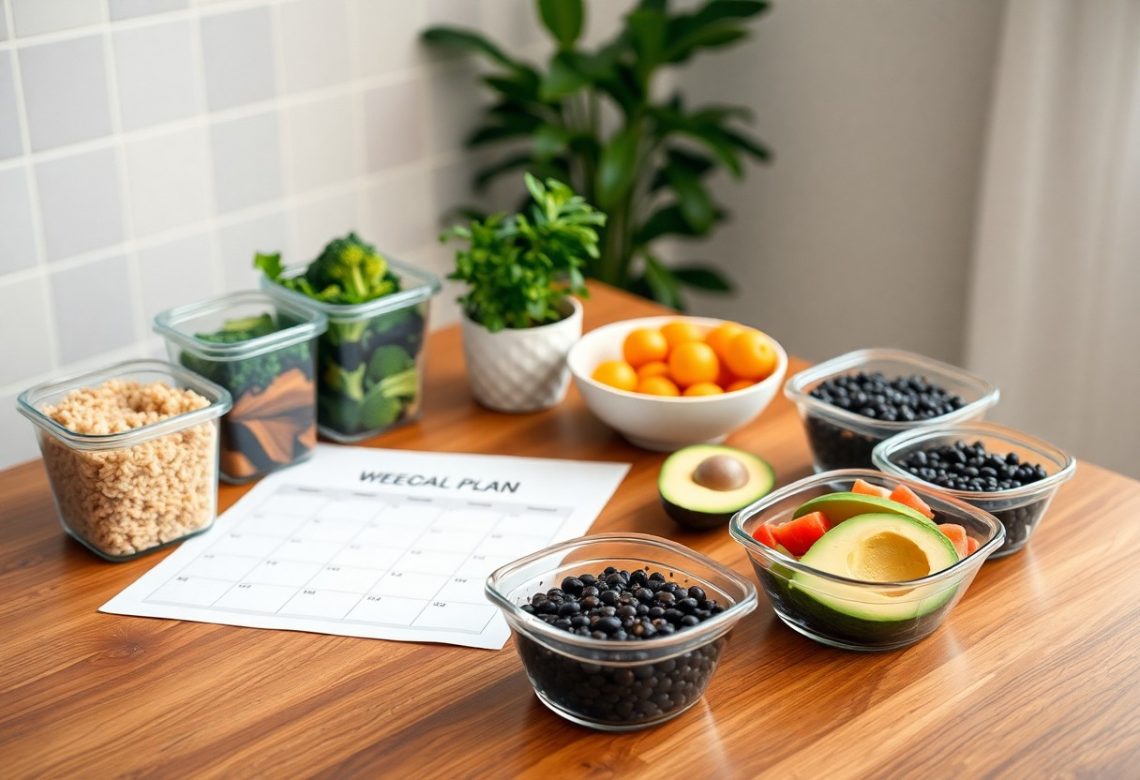
Many people seeking effective weight loss strategies find success with plant-based meal planning. By incorporating diverse, nutrient-rich foods into your diet, you can manage your weight while enjoying delicious meals. This guide will provide you with practical tips and strategies to create a meal plan tailored to your needs, helping you make informed choices that support your weight loss goals. Embrace the power of plants for a healthier lifestyle, all while gaining the expertise you need to succeed.
Key Takeaways:
- Plan meals in advance to help control portion sizes and avoid unhealthy snacks.
- Incorporate a variety of plant-based foods to ensure balanced nutrition and keep meals exciting.
- Track your progress and adjust your meal plans based on what works best for your body and weight loss goals.
Understanding Plant-Based Diets
What is a Plant-Based Diet?
A plant-based diet emphasizes foods derived from plants, including fruits, vegetables, nuts, seeds, oils, whole grains, legumes, and beans. This way of eating limits or excludes animal products like meat, dairy, and eggs. While some may adopt a strict vegan approach, others may allow small amounts of animal products. The focus is on whole, minimally processed foods that nourish your body and promote health.
Benefits of a Plant-Based Diet for Weight Loss
A plant-based diet can significantly aid weight loss efforts by providing lower calorie options and higher nutrient density. Studies show that individuals on plant-based diets tend to consume fewer calories overall while still feeling full and satisfied. This approach leads to healthier eating habits, increases fiber intake, and reduces the risk of obesity-related diseases.
In addition to weight control, a plant-based diet encourages the consumption of foods high in fiber, which can help in stabilizing blood sugar levels and reducing cravings. For instance, a study published in the Journal of the American College of Nutrition found that participants following a vegetarian diet lost more weight than those consuming meat. The abundance of antioxidants and phytonutrients found in plant foods also supports your metabolism and helps your body burn fat more efficiently, making it a sustainable option for long-term weight management.
Key Principles of Meal Planning
Effective meal planning revolves around a few key principles that can maximize your weight loss success. Focus on incorporating a variety of whole foods like fruits, vegetables, grains, legumes, nuts, and seeds. Balance your meals by including protein, healthy fats, and carbohydrates in each dish. For insights on how a plant-based diet supports weight loss, check The Vegan Diet and Weight Loss.
Balancing Macronutrients
Balancing macronutrients ensures that your meals provide adequate energy and nutrition. Aim for a combination of proteins, healthy fats, and carbohydrates in each meal. Consider including sources of plant-based protein like beans, lentils, or tofu. Healthy fats from avocados and nuts will keep you satisfied, while whole grains and vegetables provide necessary carbs and fiber.
[related_posts_banner]Portion Control
Portion control is crucial for managing your calorie intake. Serving sizes can significantly affect your weight-loss journey. Using smaller plates can trick your mind into feeling satisfied with less food. Moreover, pre-portioning snacks can help resist the temptation to graze throughout the day.
Understanding portion sizes can transform your eating habits. For example, a serving of grains should generally be the size of your fist, while proteins may be similar to the size of your palm. Familiarizing yourself with these standard measures can help you maintain a balanced intake without feeling deprived. When you focus on portion sizes, you gain more control over your calorie consumption, facilitating your weight loss. Integrating this strategy into your meal planning will support your overall goals. Stick to these guidelines, and watch your progress unfold as you make mindful choices.
Essential Foods for Plant-Based Weight Loss
Incorporating a variety of imperative foods into your plant-based diet can significantly boost your weight loss efforts. Focus on nutrient-dense options like whole grains, fruits, and vegetables that provide fiber, vitamins, and minerals. For a detailed guide, check out this Vegan Weight Loss Meal Plan For A Healthier, Happier You.
Whole Grains
Whole grains are a staple in plant-based diets and help keep you feeling full. Foods like quinoa, brown rice, and barley are rich in fiber and nutrients that aid digestion and regulate weight. They provide imperative carbohydrates for energy while supporting overall health.
Fruits and Vegetables
Fruits and vegetables are the cornerstones of any weight loss plan. Their low calorie density means you can eat larger portions without consuming too many calories. Colorful options like berries, leafy greens, and cruciferous vegetables are especially beneficial. Incorporating a wide variety ensures that you receive a range of nutrients necessary for your health and weight loss journey.
Leafy greens such as spinach and kale are incredibly low in calories, yet high in vitamins A, C, and K. Fruits like apples and berries provide antioxidants and fiber, promoting satiety and aiding digestion. With options like these, you can create satisfying meals that nourish your body and support your weight loss goals.
Creating a Weekly Meal Plan
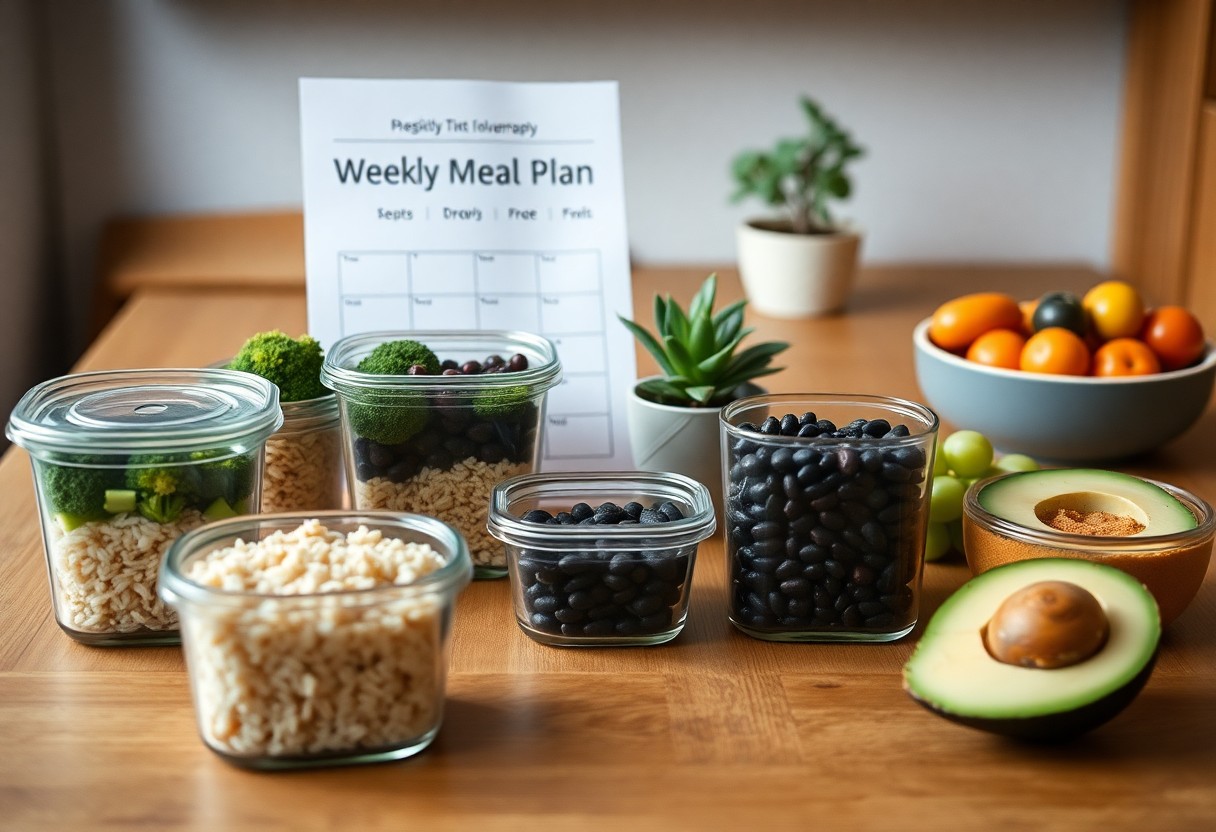
Planning your meals for the week not only simplifies grocery shopping but also keeps you committed to your plant-based weight loss journey. Start by choosing a day to prepare your meals, allowing you to set aside time for cooking and ensure that you have everything you need for balanced and nutritious eating. Include a mix of proteins, healthy fats, whole grains, and plenty of fruits and vegetables to diversify your nutrient intake. A well-structured meal plan sets the foundation for consistent progress.
Setting Goals
Begin your meal planning with clear, achievable goals tailored to your weight loss aspirations. Define how many meals and snacks you plan to prepare each week, and determine portion sizes that align with your caloric needs. Establishing realistic expectations helps reduce the likelihood of feeling overwhelmed and increases your chances of success. Consider incorporating specific milestones, such as losing a certain amount of weight or trying new recipes each week.
Sample Meal Plans
Creating sample meal plans can guide your weekly preparation and inspire variety. For instance, a simple plan may include a quinoa salad for lunch, a veggie stir-fry for dinner, and snacks like hummus with carrots. Incorporate different grains, legumes, and seasonal produce to maintain excitement and satisfaction in your meals. Tailor your plans based on personal preferences and nutritional needs to enhance adherence to your eating strategy.
Utilizing sample meal plans can streamline your cooking process, making healthy eating both enjoyable and practical. For example, a weekly plan might feature a breakfast of overnight oats, an afternoon snack of fruit, and dinner options that rotate between dishes like lentil soup and roasted vegetable bowls. Having these structured outlines allows for quicker meal prep, reduces food waste, and ensures you’re consistently consuming a balanced diet. By experimenting with various flavors and ingredients, you make it easier to stick with your plant-based journey while working towards your weight loss goals.
Meal Prepping Tips
Meal prepping can significantly streamline your weight loss journey. Start by allocating time each week to prepare meals in advance. Here are some vital tips:
- Plan your meals around seasonal produce for cost-effectiveness.
- Batch cook staples like grains and legumes to mix and match throughout the week.
- Invest in glass containers for easy storage and reheating.
- Label your meals with dates to stay organized.
Any effective strategy will keep you on track and motivated. For ideas, check out plant-based recipes for easy meatless meals.
Tools You’ll Need
Having the right tools makes meal prepping easier. Essential items include a set of good quality knives, cutting boards for different food types, measuring cups, and food storage containers. A slow cooker or instant pot can also save you time and effort by automating cooking. Additionally, a food scale helps with portion control.
Time-Saving Strategies
Maximizing your prep time is key to sticking with your plan. You can chop vegetables and cook grains in bulk, freezing portions for later use. Another approach is to use a slow cooker or pressure cooker, which can help prepare meals quickly. Simple recipes with fewer ingredients tend to require less prep time and clean-up.
Consider dedicating a specific day for meal prepping, ideally when your schedule is lighter. Choose versatile base ingredients like quinoa, beans, and leafy greens, which can be seasoned differently throughout the week. Cooking larger quantities not only saves time but also encourages you to try new flavors. Simplifying your menu can reduce kitchen fatigue. Any steps you take will build momentum and make sticking to your meal plan easier.

Staying Motivated and Making Adjustments
Maintaining motivation throughout your plant-based weight loss journey can be challenging. Setting realistic goals and celebrating small victories keeps you engaged. Regularly revisiting your goals and staying connected to your reasons for choosing a plant-based diet will help reinforce your commitment. If progress stalls, reassessing your meal plans or seeking support from friends or online communities can provide fresh perspectives to reignite your enthusiasm.
Tracking Your Progress
Keeping a food journal or using apps can help you monitor your meals and identify patterns in your eating habits. Regularly recording your weight, measurements, and how your clothes fit offers valuable insights into your progress. Celebrate improvements, even minor ones, as they can boost your motivation and commitment to your goals.
Overcoming Challenges
Every weight loss journey encounters obstacles. Whether it’s cravings, social pressures, or time constraints, these challenges can derail your efforts. Anticipating potential hurdles and strategizing solutions empowers you to stay on track. For example, preparing snacks in advance can curb cravings, while having supportive friends can help you navigate social situations without compromising your goals.
Cravings often arise when you face emotional stress or limited time to prepare meals. Establishing a list of healthy, satisfying snacks can help you combat these cravings effectively. For social situations, discussing your dietary choices with friends beforehand can reduce pressure to indulge. Having simple, quick recipes on hand also prepares you for busy days, ensuring that convenience doesn’t lead to unhealthy choices. By proactively addressing potential obstacles, you reinforce your commitment and maintain momentum in your weight loss journey.
To wrap up
With this in mind, effective meal planning is imperative for achieving your plant-based weight loss goals. By organizing your meals around whole foods and balanced nutrition, you can create satisfying dishes that support your health and well-being. Focus on variety and seasonal ingredients to keep your meals exciting. Incorporate easy recipes and prepare ahead to stay on track. Ultimately, your commitment to a well-structured meal plan will empower you on your journey to a healthier lifestyle, enhancing your success in weight loss and overall wellness.
FAQ
Q: How can I start meal planning for a plant-based diet?
A: Begin by choosing a day each week to plan your meals. Create a list of plant-based foods you enjoy. Use this list to plan your meals for the week. Focus on including a variety of vegetables, whole grains, legumes, nuts, and seeds. Make a shopping list based on your meal plan. This will help you stay organized and ensure you have all the ingredients you need.
Q: What are some easy plant-based recipes for meal prep?
A: Some easy plant-based recipes include quinoa salad, lentil soup, and vegetable stir-fry. For quinoa salad, mix cooked quinoa with chopped vegetables and a simple dressing. For lentil soup, cook lentils with diced tomatoes, onions, and spices. Vegetable stir-fry can be made by sautéing your favorite veggies in a little olive oil with soy sauce or teriyaki sauce. Prepare these meals in batches to save time during the week.
Q: How can meal planning help with weight loss on a plant-based diet?
A: Meal planning allows you to control portions and choose healthier ingredients. By planning ahead, you can avoid high-calorie, processed foods and focus on nutrient-dense options. This can help you stay within your calorie goals while still feeling full and satisfied. Additionally, having meals ready can reduce the temptation to grab unhealthy snacks.