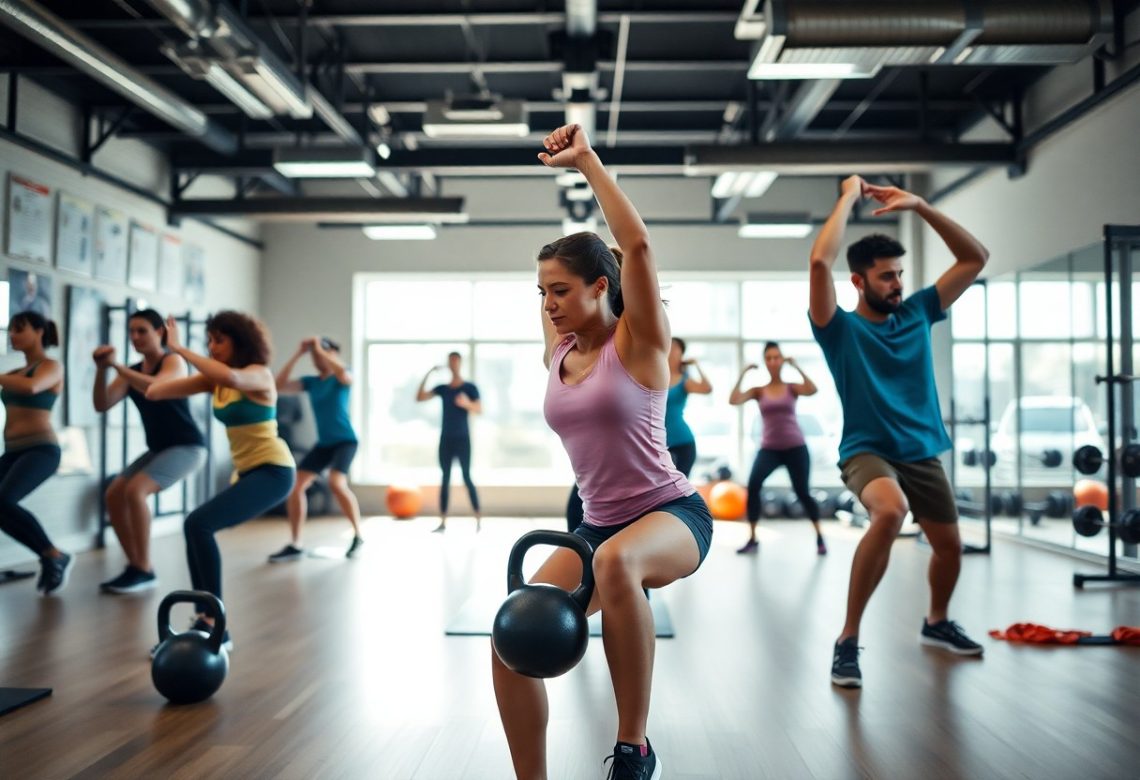
Fitness is not just about lifting weights or running miles; it’s about moving effectively in your daily life. This blog post will guide you through the concept of functional fitness, emphasizing how it enhances your strength, balance, and flexibility. You’ll learn simple exercises that replicate everyday movements, empowering you to perform daily tasks with greater ease and confidence. By incorporating these principles, you can improve your overall wellness and prevent injuries, making this beginner-friendly approach imperative for anyone looking to move better.

Key Takeaways:
- Functional fitness focuses on exercises that improve daily activities and overall mobility.
- It emphasizes strength, balance, and flexibility through movements that mimic real-life tasks.
- Starting with basic movements and gradually increasing intensity can help prevent injuries and enhance performance.
What is Functional Fitness?
Definition
Functional fitness focuses on building strength and endurance through exercises that mimic real-life movements. It aims to enhance your ability to perform daily activities, such as lifting groceries or climbing stairs, with ease and efficiency. By prioritizing movements that engage multiple muscle groups, functional fitness emphasizes practicality over aesthetics.
Importance of Functional Movements
Functional movements improve your overall physical performance and reduce injury risk in everyday life. They train your body to use various muscles together, promoting coordination and stability. Exercises like squats, lunges, and push-ups target core strength, which is vital for maintaining proper posture and balance.
In your daily routine, incorporating functional movements can lead to significant improvements in your physical abilities. For example, executing a proper squat not only enhances your leg strength but also reinforces your core, directly aiding activities like picking up heavy objects. Studies show that individuals who engage in functional fitness can experience fewer injuries, improved joint health, and better overall fitness levels. This approach can empower you to move more confidently and perform tasks in your day-to-day life with less effort.
Benefits of Functional Fitness
Functional fitness offers a range of benefits that enhance your daily life. Regular practice improves your overall strength, endurance, and coordination, making everyday tasks easier and reducing the risk of injury. Engaging in movements that replicate real-life activities prepares you for physical demands, whether it’s lifting groceries or playing with kids. For more insights, check out [AF] What Exactly is “Functional” Strength?
[related_posts_banner]Improved Mobility
Incorporating functional fitness into your routine enhances mobility, allowing your joints and muscles to perform optimally. This increased range of motion helps with activities like bending, reaching, and squatting without discomfort. As you strengthen your body using diverse movements, you’ll notice an improvement in your flexibility and overall movement efficiency.
Enhanced Stability
Functional fitness promotes enhanced stability by strengthening your core and stabilizing muscles. Engaging in exercises that challenge your balance helps you maintain control during dynamic movements. This not only boosts your performance in sports and recreational activities but also reduces the likelihood of falls or injuries in daily life.
Through targeted exercises like single-leg stands or stability ball workouts, you develop more than just muscle. Core stabilization plays a key role in your body’s ability to distribute weight and manage unexpected movements. This foundational strength supports everything from lifting heavy objects to performing everyday tasks, making you more resilient against physical challenges.
Key Functional Fitness Exercises
Incorporating key functional fitness exercises into your routine can dramatically improve your daily movement patterns. These exercises not only boost strength and stability but also enhance your ability to perform everyday tasks with ease. Focusing on a few foundational movements allows you to build a strong base for overall fitness and functional capabilities.
Squats
Squats engage multiple muscle groups, including your quadriceps, hamstrings, and glutes. This movement mimics actions like sitting down and standing up, making it vital for developing lower body strength. Squats can be performed with just your body weight or can be intensified with added resistance such as dumbbells or a barbell.
Lunges
Lunges target the legs and glutes while also improving balance and coordination. By stepping forward or backward, you engage your core and stabilize muscles, which can enhance your performance in everyday activities like walking or climbing stairs.
To perform lunges correctly, ensure your front knee stays aligned with your ankle as you lower into the movement, creating a 90-degree angle. You can vary lunges with different angles such as side lunges or reverse lunges to challenge your body in new ways. Regularly including lunges in your workouts can help strengthen your lower body and improve overall agility.
Push-Ups
Push-ups are a classic exercise that works your chest, shoulders, triceps, and core. This movement is fundamental because it develops upper body strength and stability, vital for many daily activities such as pushing or lifting objects.
Proper form in push-ups involves keeping your body straight from head to heels, lowering yourself until your chest nearly touches the ground. You can modify the intensity by performing them on your knees or elevating your hands on a surface. Engaging your core throughout the movement is vital for maintaining balance and maximizing effectiveness, allowing you to build strength that translates into everyday functions.

How to Get Started with Functional Fitness
Starting your journey in functional fitness requires an approach that is straightforward and tailored to your abilities. Focus on incorporating exercises that support everyday movements and progressively challenge your strength and stability. Begin with imperative movements, prioritize consistency, and gradually increase the complexity and intensity as you grow stronger. Personalize your plan to meet your own goals and monitor your progress to ensure continued improvement.
Assessing Your Current Fitness Level
Before venturing into functional fitness, evaluate your current fitness level. Take note of your strength, flexibility, and endurance. Consider basic movements such as squats, lunges, and push-ups. Document how many repetitions you can perform comfortably. This assessment provides a baseline to guide your progression and helps you identify areas for improvement.
Creating a Beginner’s Workout Plan
Your beginner’s workout plan should incorporate a balanced mix of exercises targeting major muscle groups and functional movements. Aim for three to four sessions per week, each lasting 30 to 45 minutes. Each session can combine bodyweight exercises, resistance training, and mobility work. Focus on compound movements like deadlifts, kettlebell swings, and plank variations to enhance overall strength and stability.
To further enhance your beginner’s workout plan, include specific exercises tailored to real-life activities. For instance, add multi-directional lunges to mimic everyday movements like stepping off curbs or reaching down to pick up objects. Utilize tools such as resistance bands or stability balls to challenge your muscles and improve coordination. Always remember to include a warm-up of dynamic stretches and a cool-down period with static stretches to prevent injury. Tracking your progress regularly will help you stay motivated and adapt your plan as your fitness level improves.
Tips for Staying Motivated
Staying motivated can be challenging, but adopting effective strategies helps you maintain momentum. Incorporate variety into your workouts, track your progress, and celebrate small victories along the way. Surrounding yourself with supportive individuals can also be beneficial. Here are some tips:
- Set specific, measurable goals.
- Create a workout schedule.
- Engage with fitness communities online.
- Reward yourself for reaching milestones.
Knowing these tips can empower you to sustain your functional fitness journey. For more insights, check out The Ultimate Guide to Functional Strength Training.
Setting Realistic Goals
Establishing achievable goals is fundamental to your progress. Instead of aiming for perfection, focus on incremental improvements. For example, if you currently can only perform five squats, aim for six next week. This approach keeps you encouraged and engaged in your fitness journey.
Finding a Workout Buddy
A workout buddy can significantly boost your motivation. Exercising with someone else makes the experience more enjoyable and accountable. You can share challenges and successes, making it easier to stick to your routine. Consider reaching out to friends or joining local fitness groups to find someone who shares your fitness goals.
When looking for a workout buddy, think about compatibility in fitness levels and personal goals. A partner who complements your pace can make workouts enjoyable rather than daunting. Regularly working out together not only strengthens your commitment but also fosters a sense of community, which can lead to longer-lasting motivation in your functional fitness journey.
Common Myths about Functional Fitness
Functional fitness is often misunderstood, leading to several myths that discourage people from exploring its benefits. Breaking down these misconceptions is imperative for understanding how you can improve your movement and overall quality of life. For more information on this topic, check out Functional Fitness Movements – A Beginner’s Guide For….
Myth 1: It’s Only for Athletes
A common misconception is that functional fitness is exclusive to athletes or those looking to compete. In reality, it is designed for everyone, regardless of fitness level or age. The focus is on improving everyday movements, making it accessible and beneficial for all.
Myth 2: You Need Fancy Equipment
Many believe that functional fitness requires expensive equipment, which is far from the truth. You can perform functional movements using your body weight, resistance bands, or simple items around the house. Exercises like squats, lunges, and planks utilize your body to build strength and improve mobility.
Think about it: basic movements such as standing up from a chair or picking up groceries mirror functional fitness exercises. You don’t need a gym packed with weights or machines to get started. Even with minimal tools, focusing on body mechanics and proper form can yield significant improvements in your daily life. Incorporating functional movements using accessible methods can help you gain strength and mobility without breaking the bank.
Final Words
To wrap up, embracing functional fitness empowers you to move better in everyday life. By focusing on exercises that mimic real-world activities, you enhance your strength, flexibility, and balance. This approach not only improves your physical capabilities but also boosts your overall well-being. Start by incorporating simple movements into your routine, and gradually challenge yourself as you progress. Consistency is key to reaping the benefits of functional fitness. Make it a part of your lifestyle, and you’ll notice positive changes in how you feel and perform daily.
FAQ
Q: What is functional fitness?
A: Functional fitness focuses on exercises that mimic everyday activities. It helps improve strength, flexibility, and endurance for daily tasks. This type of training emphasizes movements that enhance daily life skills, making it easier to perform activities like lifting groceries or climbing stairs.
Q: Who can benefit from functional fitness?
A: Everyone can benefit from functional fitness, regardless of age or fitness level. Beginners can gain confidence and strength, while more experienced individuals can enhance their performance. It is especially helpful for older adults, as it promotes stability and reduces the risk of injury.
Q: How can I start incorporating functional fitness into my routine?
A: To begin, focus on basic bodyweight exercises like squats, lunges, and push-ups. You can also use everyday objects, like chairs or water bottles, as weights. Aim for consistency, starting with a few sessions a week, and gradually increase the intensity and variety of movements as you become more comfortable.