
Breakfast serves as the foundation of your daily nutrition, impacting your overall appetite throughout the day. When you skip this important meal, your body experiences increased hunger later, often resulting in overeating at dinner. By neglecting breakfast, you may trigger physiological responses that amplify cravings and lead to poorer food choices in the evening. Understanding this connection can empower you to make healthier decisions and regulate your appetite more effectively, fostering better eating habits in your daily routine.

Key Takeaways:
- Skipping breakfast can lead to increased hunger and cravings later in the day.
- Without morning nourishment, individuals are more likely to consume larger portions during later meals.
- Fasting through the morning may disrupt metabolism and encourage overeating as the body attempts to compensate for missed calories.
The Importance of Breakfast
Nutritional Benefits of Breakfast
Starting your day with a healthy breakfast provides vital nutrients. Foods rich in protein, fiber, and healthy fats give your body the energy needed to function effectively. For instance, a breakfast high in whole grains and fruits helps maintain stable blood sugar levels, reducing the likelihood of mid-morning crashes that lead to unhealthy snacking later on.
Metabolic Impact of Skipping Meals
When you skip breakfast, your metabolism can slow down, leading to energy conservation behaviors. This often results in compensating for lost calories later in the day, typically with higher-calorie, less nutritious foods at dinner.
Your body interprets fasting as a state of starvation, prompting it to store fat more efficiently and burn fewer calories overall. Studies show that those who skip breakfast often consume more calories throughout the day. For example, research indicates that individuals who eat a balanced breakfast are more likely to regulate their appetite and maintain a healthy weight, reducing the risk of obesity and metabolic syndromes.
Psychological Effects of Missing Breakfast
Skipping breakfast can lead to increased irritability and reduced concentration, affecting your overall mood and productivity. Without this critical meal, you may find it harder to focus, making you more prone to stress eating later.
[related_posts_banner]A study highlights that individuals who eat breakfast report higher levels of satisfaction throughout the day and improved cognitive function. Missing breakfast often triggers a psychological pattern of cravings and guilt, exacerbating unhealthy eating behaviors. This cycle can lead to emotional eating during dinner, as a way to compensate for feelings of deprivation experienced in the morning.

The Science Behind Hunger and Satiety
Understanding the mechanisms of hunger and satiety is imperative in recognizing why skipping breakfast often leads to increased caloric intake later in the day. Research indicates that meal timing significantly influences appetite-regulating hormones, impacting your overall food consumption patterns. Skipping breakfast can disrupt these hormonal signals, making later meals more substantial. For more details, refer to this article on Skipping breakfast and its wide-ranging health …
Hormonal Regulation of Appetite
Your appetite is significantly influenced by hormones that signal hunger and satiety. Key hormones like insulin, cortisol, and others work in concert to tell your body when to eat and when to stop. When you skip breakfast, the regular fluctuation of these hormones is altered, which can lead to heightened feelings of hunger later in the day.
The Role of Ghrelin and Leptin
Ghrelin and leptin are two pivotal hormones in regulating appetite; ghrelin stimulates hunger while leptin signals satiety. When you skip meals, ghrelin levels increase, making you feel hungrier, while leptin levels may decline, failing to adequately signal fullness. This imbalance can drive you to overeat in the evening.
The relationship between ghrelin and leptin is vital for maintaining a healthy appetite. Studies have shown that when you miss your morning meal, your body’s ghrelin levels can spike significantly, resulting in a powerful urge to consume more calories later on. Concurrently, the lack of food intake can lead to lower leptin levels, diminishing the sensation of satisfaction after eating. This hormonal imbalance reinforces the cycle of inadequate meal frequency and increased calorie consumption, particularly at dinner.
How Food Choices Affect Satiety
Your food choices directly impact how satiated you feel after eating. Nutrient-dense foods, particularly those high in fiber and protein, promote greater feelings of fullness compared to processed, high-sugar options. When you skip breakfast and make poor food choices at dinner, your body may not effectively signal satiety, leading to overconsumption.
Selecting foods rich in protein and fiber not only helps maintain stable blood sugar levels but also enhances satiety. For instance, a breakfast high in protein can lead to lower ghrelin levels throughout the day, supporting better appetite control. When you forgo this critical meal, it’s easier to reach for quick, high-sugar snacks later, which can leave you feeling unsatisfied and more likely to overeat during dinner. Prioritizing balanced meals with wholesome ingredients can help you combat excessive hunger later on.
Behavioral Patterns and Eating Habits
The Link Between Meal Skipping and Overeating
When you skip breakfast, your body’s hunger signals can become disrupted, leading to heightened hunger by dinner. This often results in consuming larger portions or more calorie-dense foods than you normally would. Research shows that those who forgo breakfast are more likely to overcompensate later in the day, which aligns with findings from Why Skipping Breakfast May Lead to Weight Gain.
Emotional Eating and Its Triggers
You may find that skipping meals can heighten emotional eating, as hunger often intensifies feelings of stress and anxiety. This pattern can lead to consuming excessive calories in the evening when you finally eat again.
Emotional eating is frequently driven by external factors and internal emotions. Stress, fatigue, or even boredom can push you toward high-calorie comfort foods rather than nourishing options. As your day wears on without sufficient fuel, your emotional state can deteriorate, resulting in impulsive food choices when you finally succumb to hunger at dinner.
Social Influences on Meal Frequency
Social events often dictate your meal schedule, and skipping breakfast can lead to altered eating patterns that affect your relationships with food. When you miss a meal, you might find yourself indulging in communal dining settings later in the day.
Social gatherings typically promote larger meals and shared dishes, which can exacerbate the tendency to overeat if you’ve been skipping breakfast. Group dynamics often lead you to eat more to keep pace with others, especially when the food is abundant and enticing. This social pressure can further delay your body’s ability to recognize fullness signals, maintaining a cycle of overeating.
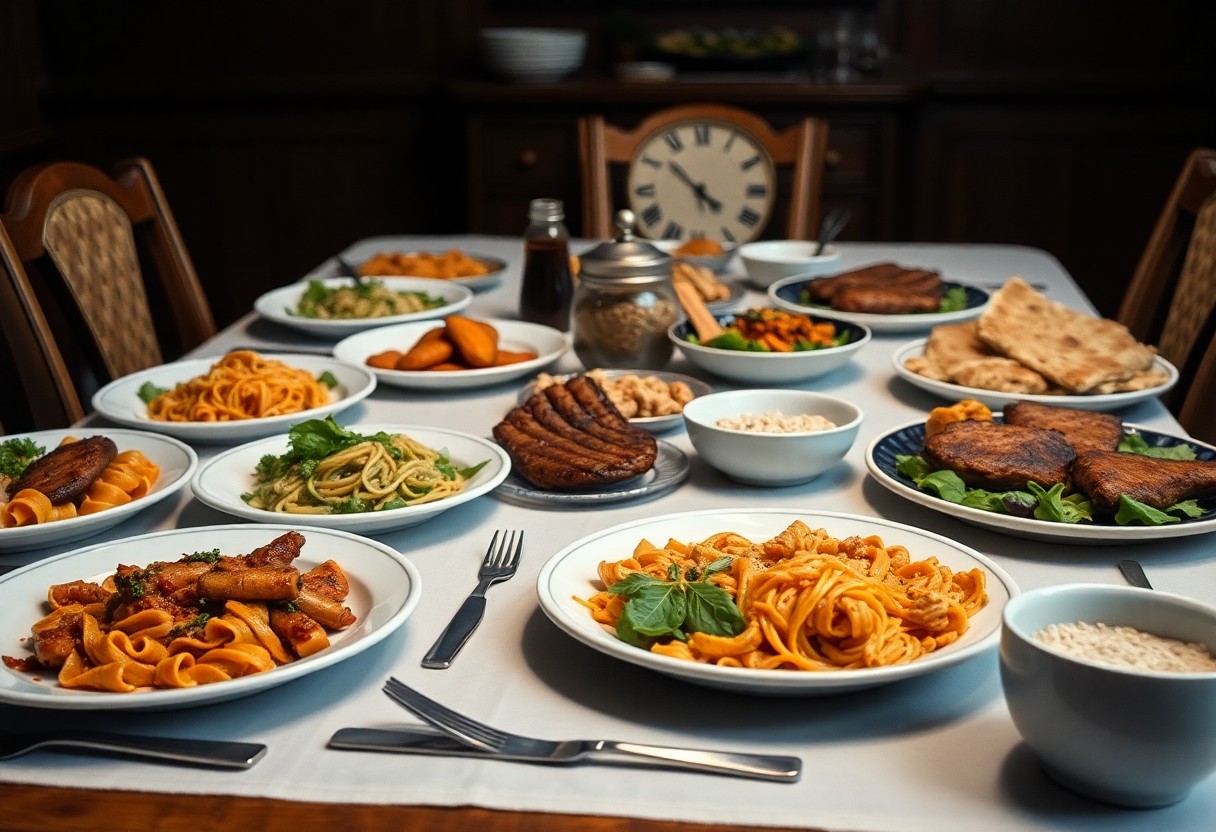
The Impact of Skipping Breakfast on Dinner Consumption
Increased Caloric Intake at Dinner
When you skip breakfast, your body often compensates by consuming more calories at dinner. Studies show that people who miss this morning meal tend to eat an average of 300-500 extra calories by evening. This increased intake can lead to weight gain over time, especially if it’s a regular habit.
Food Selection and Quality at Dinner
Skipping breakfast can influence the types of food you choose for dinner. With heightened hunger, you may gravitate toward calorie-dense, less nutritious options. This shift not only increases your total caloric intake but also impacts your overall diet quality, leading to potential nutritional imbalances.
Your food selections at dinner often reflect your state of hunger. When you deprive yourself of breakfast, you’re more likely to choose processed foods high in sugar and fats instead of healthier options. For instance, you might opt for pizza or fast food rather than a balanced meal composed of lean proteins and vegetables. This choice can exacerbate feelings of sluggishness and decrease your overall health in the long run.
Snacking Patterns and Late Night Eating
Skipping breakfast tends to disrupt your regular eating patterns, leading to increased snacking and late-night eating. This behavior not only adds extra calories but can also create an unhealthy relationship with food.
The urge to snack late at night often arises from that gap left by an absence of breakfast. When you experience heightened hunger as night approaches, you may find yourself rummaging through the pantry for convenience foods. This can lead to mindless eating, where you consume more than you realize, pushing your caloric intake even higher and contributing to a cycle of overeating.
Individual Differences in Responses to Meal Timing
The Role of Metabolism
Your metabolism plays a significant role in how meal timing affects your hunger and eating patterns. Individuals with faster metabolisms may find that skipping breakfast leads to increased hunger later in the day, prompting them to consume larger meals at dinner. Conversely, those with slower metabolisms might not experience the same degree of compensatory eating, impacting overall caloric intake and energy balance.
Lifestyle Factors Influencing Eating Behavior
Your lifestyle can greatly influence how you respond to meal timing. Factors such as work schedules, social commitments, and physical activity levels can dictate when and how you eat. For example, a hectic morning might prevent breakfast consumption, leading to overeating later to make up for missed calories.
- Work commitments that prioritize deadlines over meals can disrupt your eating schedule.
- Social gatherings often encourage late-night meals, pushing dinner consumption higher.
- Exercise habits can determine how hungry you feel throughout the day.
- Recognizing your lifestyle patterns can guide better meal timing and choices.
<p Understanding your personal routines can help you optimize meal timing for better health outcomes. Adjusting your schedule or planning quick breakfasts can help avoid unnecessary overeating at dinner.
- Planning meals around your daily activities can reduce the risk of skipping breakfast.
- Incorporating convenient, healthy breakfast options may help maintain steady energy levels.
- Consider your routines and adjust accordingly to promote balanced eating habits.
- Recognizing consistent patterns in your eating behaviors may lead to improved self-awareness and dietary choices.
Psychological Factors Impacting Hunger
Your psychological state can heavily influence how hunger is perceived and managed. Stress, mood swings, and emotional states contribute to your eating habits, often leading to impulsive decisions regarding meals. Skipping breakfast may increase vulnerability to emotional eating during the day, resulting in larger dinner consumption.
- Stressful situations may trigger cravings for quick energy sources, such as high-calorie foods.
- Emotional states can drive you to eat even when not physically hungry.
- Mindfulness around your emotions can help curb unnecessary snacking and overeating.
- Knowing the emotional triggers that lead to overeating can help you adopt a more mindful approach to meals.
<p Focusing on your psychological triggers can enhance your control over eating behaviors. Incorporating mindfulness techniques and stress management strategies may assist in mitigating emotional eating, encouraging a healthier relationship with food.
- Journaling your emotions can help identify patterns linked to your eating habits.
- Seeking support from professionals can provide guidance in addressing emotional eating issues.
- Practicing stress-reduction methods can positively impact your hunger levels and food choices.
- Knowing your psychological triggers allows for proactive measures in managing hunger effectively.
Mayo Clinic Minute: Why skipping breakfast can be bad for …
Strategies for Encouraging a Healthy Breakfast Routine
Quick and Easy Breakfast Ideas
Start your day with simple, nutritious options like overnight oats, Greek yogurt with fruit, or a smoothie packed with greens and protein. Consider whole-grain toast with avocado or nut butter for a satisfying, energy-boosting combination. These quick meals can often be prepared in under ten minutes, fitting seamlessly into your busy mornings.
Meal Prepping for Time Management
Dedicate a few hours each week to meal prepping breakfast options. This strategy saves you time on busy mornings while ensuring you always have something healthy ready to go. Pre-portion ingredients like smoothie packs or overnight oats, or pre-cook items like hard-boiled eggs and whole-grain pancakes to simplify your morning routine.
By setting aside time on weekends or during less hectic days, you can prepare wholesome breakfasts in bulk. Store them in grab-and-go containers in your fridge or freezer. This way, when you wake up busy, you’ll have access to nutritious meals, reducing the temptation to skip breakfast or reach for unhealthy alternatives.
Educating on the Importance of Breakfast
Understanding why breakfast matters is key to building a consistent morning routine. Research shows that eating breakfast can improve focus and cognitive function throughout the day. Studies indicate that those who eat breakfast regularly have better overall dietary quality, ensuring they consume more imperative nutrients.
Highlighting the benefits of breakfast can significantly influence your habits. Awareness of how a balanced meal in the morning can stabilize blood sugar levels and reduce cravings later in the day may motivate you to prioritize breakfast. When you know that investing in this meal can positively impact your energy, mood, and overall health, you may be more inclined to make it a daily priority.
Conclusion
Taking this into account, skipping breakfast can disrupt your metabolism and lead to increased hunger later in the day. When you forgo the morning meal, your body may respond by seeking out more food at dinner, often resulting in overeating. This behavior can affect your overall health and energy levels. By prioritizing breakfast, you can better regulate your appetite and make healthier choices throughout the day, minimizing the risk of excessive calorie consumption in the evening.
FAQ
Q: Why does skipping breakfast lead to increased appetite later in the day?
A: Skipping breakfast can result in lower energy levels and higher hunger pangs later, causing people to consume larger portions at lunch and dinner.
Q: How does breakfast affect metabolic rate?
A: Eating breakfast can kickstart metabolism, helping to regulate hunger throughout the day. When breakfast is skipped, the body may go into a conservation mode, leading to overeating later.
Q: Can missing breakfast impact food choices at dinner?
A: Yes, individuals who skip breakfast may choose higher-calorie, less nutritious foods when they finally eat, as they are more likely to make impulsive decisions due to heightened hunger in the evening.


