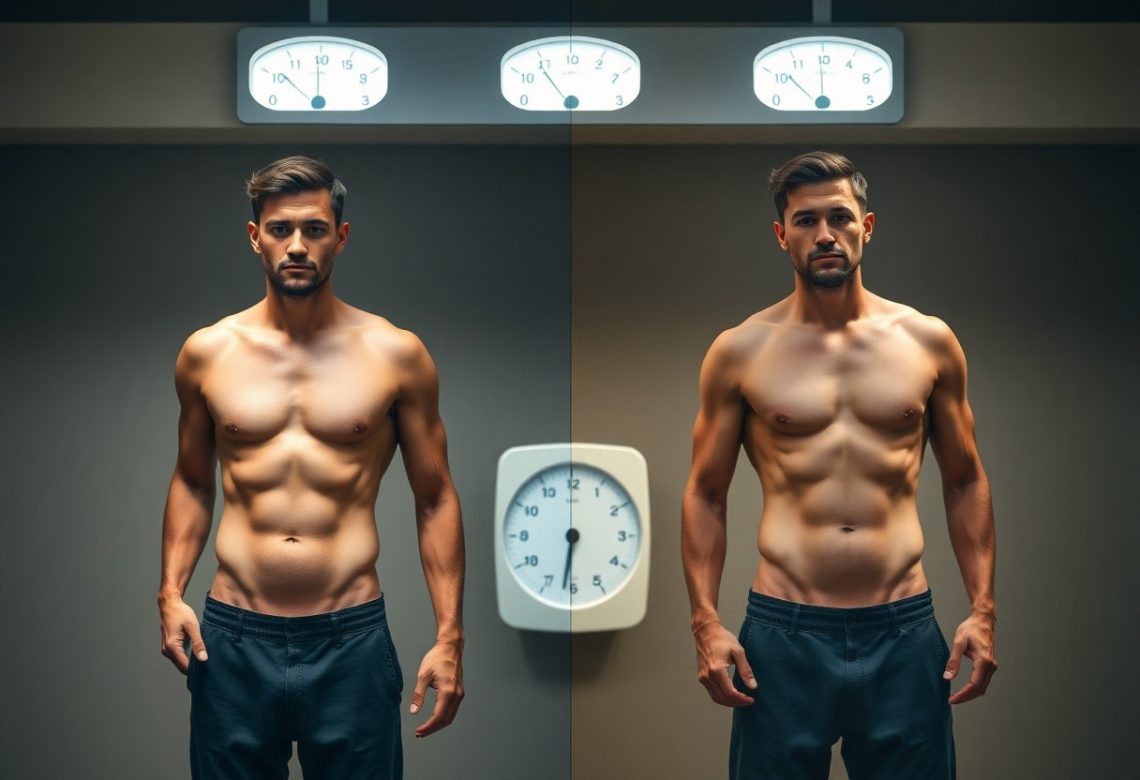
Over time, many individuals become fixated on scale weight as the primary measure of progress in their fitness journey. However, relying solely on numbers can be misleading and fail to capture the true changes in your body. Progress photos provide a more accurate visual representation of your transformation, allowing you to see muscle development, fat loss, and overall body composition changes. By focusing on these snapshots, you can more effectively assess your progress and stay motivated throughout your journey.
Key Takeaways:
- Progress photos visually capture body composition changes that the scale may not reflect, such as muscle gain and fat loss.
- Scale weight fluctuates due to factors like water retention and muscle gain, which may not indicate actual progress in fitness or health.
- Taking regular photos fosters a more positive mindset by highlighting personal transformation, beyond just numerical data.
Understanding Scale Weight
The Limitations of the Scale
The scale provides a single measurement that focuses solely on weight, which can be misleading. It does not account for body composition changes, such as muscle gain or fat loss. This means you might feel fitter, look leaner, and yet see minimal fluctuation—or even an increase—in the number on the scale, which can be discouraging and misleading.
Factors Affecting Scale Weight
Multiple factors can influence your weight on any given day. These include hydration levels, food intake, hormonal fluctuations, and even the time of day. Changes in these factors can create fluctuations in scale weight that don’t necessarily reflect actual changes in body composition.
- Hydration levels
- Food consumption and digestive weight
- Time of day
- Hormonal cycles
Consider that hydration can add several pounds to your weight, while food in your digestive system can also contribute. Hormonal changes, especially in women, can result in noticeable weight fluctuations. The scale does not differentiate between these variables, which can be frustrating when tracking your progress.
- Muscle gain vs. fat loss
- Clothing and accessory weight
- Daily activities and exercise
The Myth of “One Number”
Believing that your progress can be summed up by a single number on the scale can be misleading. This perspective overlooks the nuances of body composition and overall health. Weight alone fails to capture improvements in strength, endurance, or changes in fat versus muscle.
[related_posts_banner]Assigning significance to just one number disregards the multifaceted nature of health and fitness. For instance, a person may weigh the same but have lost fat and gained muscle, resulting in a leaner physique. Therefore, viewing your fitness journey through various metrics will provide a fuller picture of your progress and achievements.
The Importance of Visual Progress
The Psychology of Seeing Change
When you regularly take progress photos, you develop a more accurate perception of your body transformation. This visual evidence can significantly boost your confidence and reinforce your commitment to your fitness journey. Observing changes in your physique, even when the scale remains static, helps shift your mindset towards appreciating your hard work, moving beyond numbers alone.
How Photographs Capture Subtle Differences
Photographs are powerful tools for showcasing transformation over time, revealing changes that may not be apparent in daily mirror reflections or scale readings. They allow you to track subtle physiological changes, like muscle definition or fat distribution, that contribute to your overall progress. These snapshots serve as concrete reminders of your dedication, motivating you to stay on course.
For instance, you might notice increased muscle tone in your arms or a more defined waistline in photos taken weeks apart, even if the scale shows no drastic changes. By documenting your physical appearance, you create a visual timeline of your journey that highlights how far you’ve come and emphasizes that progress isn’t solely measured by weight. This tangible evidence can motivate you to push through plateaus and continue striving for your goals.
The Role of Motivation in Progress Tracking
Tracking your progress visually can significantly enhance your motivation levels. Seeing tangible results in photographs not only provides a sense of accomplishment but also encourages you to stay committed to your goals. It’s easy to lose sight of your achievements when you’re fixated on scale numbers, so having a visual representation of your hard work serves as a daily reminder of why you started.
Research suggests that individuals who document their fitness journeys through photos are more likely to adhere to their routines. This method reinforces positive behaviors and fuels progress as you can recognize your improvements, reaffirming your efforts. The motivation derived from visual proof can be integral to overcoming challenges and maintaining momentum in your fitness endeavors, so consider it a key component of your tracking strategy. For more insights, check out Why You Shouldn’t Solely Rely on the Scale to Track Your Progress.
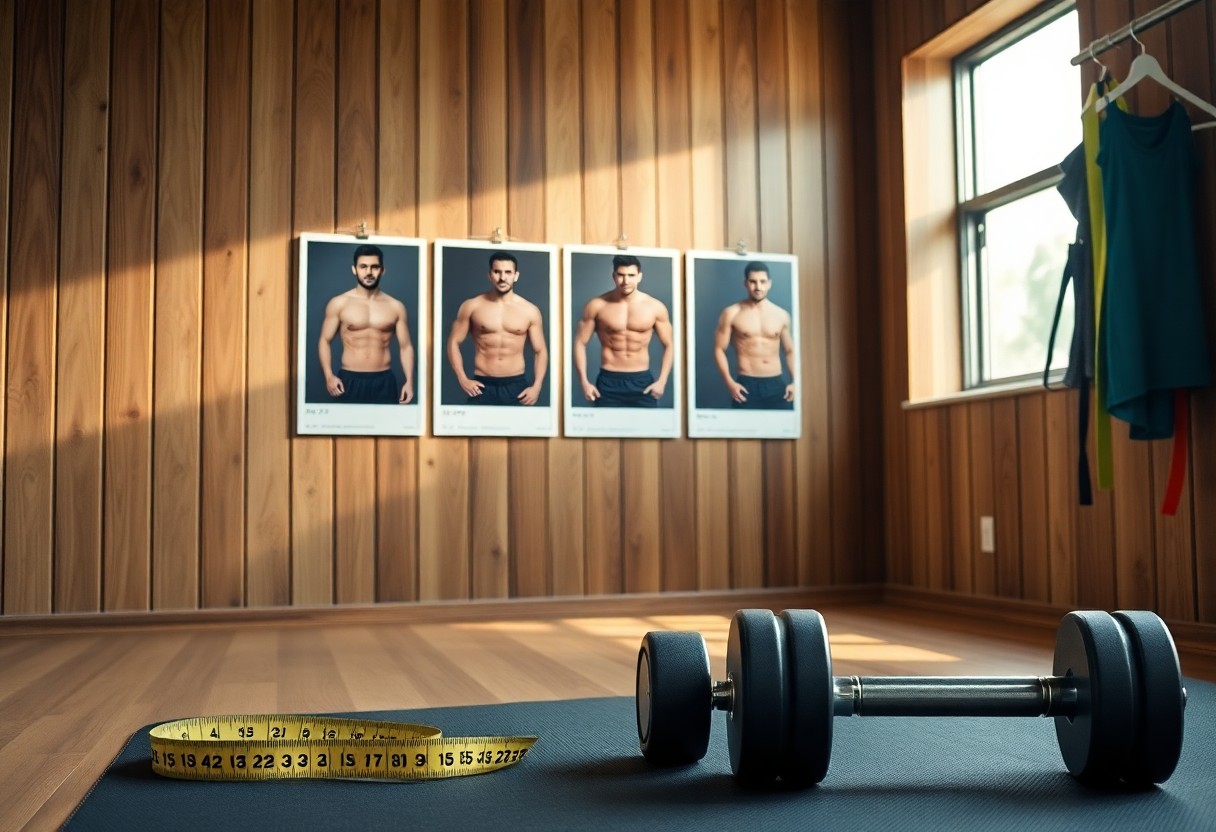
Types of Progress Photos
- Front View
- Side View
- Back View
- Quarter Views
- Outfit Consistency
Front View
The front view captures your full frame, showcasing changes in your upper body, abdomen, and legs. It allows you to observe shifts in muscle definition and body posture over time, providing a clear view of how your physique transforms with your efforts. Capturing this angle regularly can highlight differences you may not notice in everyday reflections.
Side View
The side view is important for assessing body composition changes, especially in the abdominal and hip areas. You can see the progress in your waistline, muscle growth in the arms, and overall silhouette, which helps track your journey effectively.
In the side view, a profile shot allows you to monitor muscle definition, fat loss, and posture. It helps visualize changes in the stomach area, making it easier to assess your progress with specific goals in mind, such as reducing abdominal fat or improving posture. Consistent side shots can offer valuable insights into your transformation that scale measurements can overlook.
Back View
The back view captures the shoulders, back, and glutes, providing perspective on muscle development and fat loss in those areas. This angle is vital for tracking how your upper and lower back muscles appear as they strengthen and reshape through your fitness journey.
<pTaking the back view allows you to evaluate changes in back muscle definition, shoulder width, and overall physique continuity. This shot can be particularly revealing when assessing changes in posture and back strength, which are critical for achieving a balanced body. Regularly comparing back photos can motivate you to continue your progress and stay focused on areas that need improvement.
How to Standardize Your Photo Sessions
Standardizing your photo sessions ensures consistent results and reliable tracking. Use the same location, lighting, and camera angle for each photo to produce comparable images over time.
<pTo achieve consistency, select a neutral background and time of day with consistent lighting. Align your camera at the same height and distance to capture uniform angles. Choose fitted clothing for accurate representation of your physique, and maintain the same poses each session to make differences in body composition easily identifiable. Documenting these aspects carefully can significantly aid in your evaluation process.
Combining Photos with Other Metrics
Measuring Body Composition
To gain a clearer understanding of your progress, consider tracking your body composition alongside progress photos. Body composition measurements, including fat mass and lean mass, provide insight that the scale cannot. You may be losing fat while gaining muscle, leading to minimal changes in weight while significant visual progress occurs. Tools like skinfold calipers or bioelectrical impedance scales can help quantify these changes. For more on this topic, check out Muscle vs. Fat: Why the Scale Doesn’t Show Your Real ….
Utilizing Clothing Fit as a Metric
Your clothing fit can be a powerful indicator of progress, often reflecting changes that the scale overlooks. When you notice that your clothes are fitting better or are looser, it signals positive changes in your body composition that may not come through in a numerical measurement.
Consider maintaining a few key pieces of clothing as benchmarks—pants, shirts, or dresses that mark your starting point. As you continue your health journey, track how these items fit over time. This method is not only practical but also encourages body positivity, as the focus shifts from weight to how your body is transforming and feeling in daily life.
Tracking Fitness Performance Improvements
Improvements in your fitness performance can serve as an excellent barometer for progress. Whether it’s lifting heavier weights, running faster times, or completing more reps, these metrics indicate enhanced strength, cardiovascular health, and endurance. By recognizing these achievements, you can see tangible results of your hard work beyond just the number on the scale.
For instance, if you find that you can lift 10 more pounds than you could a month ago or run an extra mile without stopping, these milestones highlight your growing capabilities. Keeping a performance journal can be a motivating factor, providing real evidence of your advancement and a sense of accomplishment that is often much more rewarding than a scale reading.
Setting Realistic Expectations
Understanding Non-Linear Progress
Progress in fitness isn’t a straight line; it often involves ups and downs. You may experience fluctuations in weight or muscle definition despite consistent efforts. This non-linear nature means that you can still be improving your health and fitness without seeing immediate results on the scale. For a deeper look at this topic, check out Why Progress Photos Matter in Fitness (And the Best Apps ….
Celebrating Small Victories
Every achievement, no matter how minor, contributes to your overall progress. Whether it’s lifting slightly heavier weights, completing an extra set, or feeling more energized, recognizing these milestones keeps you motivated. Acknowledging small victories ensures that you maintain a positive mindset throughout your fitness journey.
Celebrate these moments by documenting them. Take note of how your performance improves over time or share your achievements with a supportive community. These recognitions reinforce your hard work and dedication, helping you stay committed to your goals despite other challenges you may face.
The Role of Mindset in Achieving Goals
Your mindset significantly impacts your journey to achieving fitness goals. Being positive about your progress and embracing challenges can enhance your motivation and commitment. A flexible mindset allows you to adapt to setbacks and remain focused on your long-term objectives, fostering resilience throughout your journey.
Developing a growth mindset encourages you to view obstacles as learning experiences. This approach empowers you to bounce back from difficulties and maintain your enthusiasm for transforming your fitness. When you appreciate the process and stay optimistic about your journey, you create a sustainable path towards achieving your desired results.
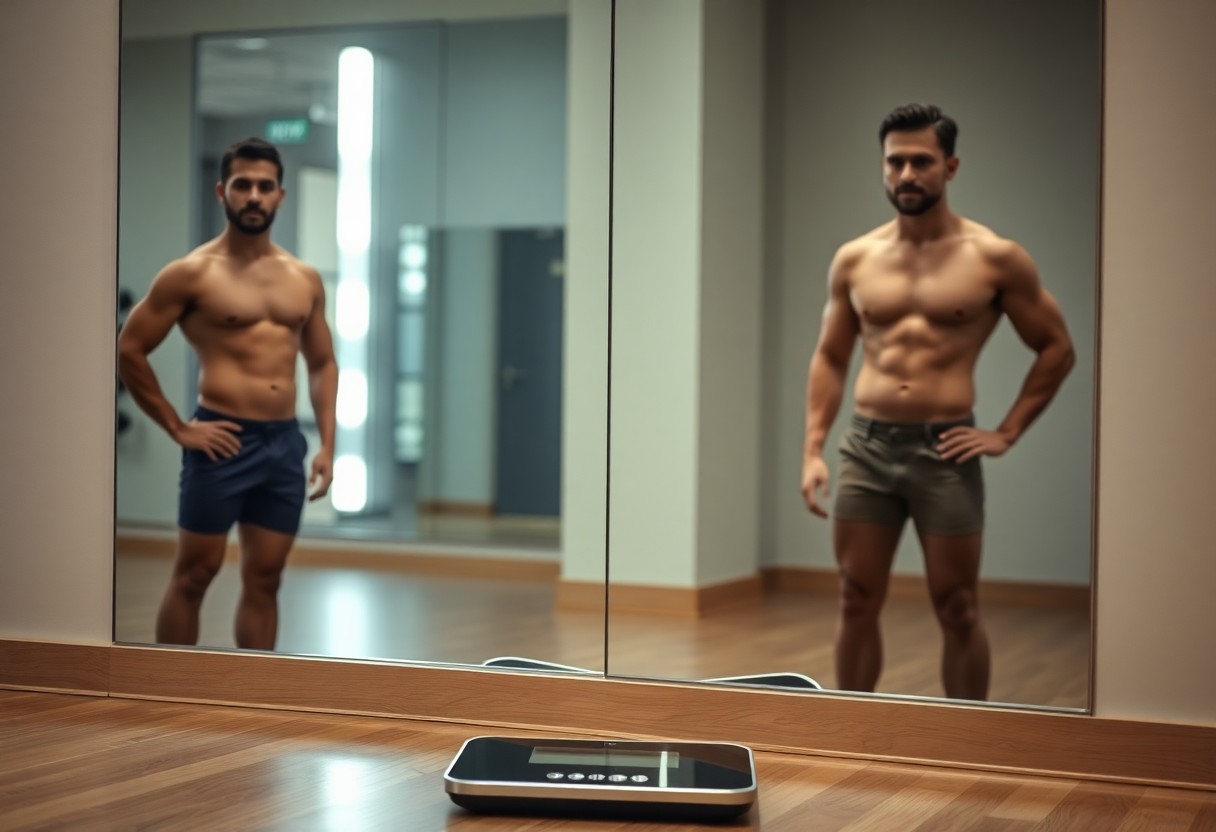
Practical Tips for Taking Effective Progress Photos
- Use natural light whenever possible.
- Select a plain background free of distractions.
- Maintain consistent clothing for better comparison.
- Take photos at regular intervals, such as weekly or monthly.
- Utilize a tripod or a steady surface for stability.
The accuracy of your progress photos depends on creating the right environment for each shot.
Optimal Lighting and Background
Natural lighting is the best option for taking progress photos, as it captures your body more accurately without harsh shadows. Choose a quiet space with a plain background that won’t divert attention from your physique, ensuring the focus is solely on you.
Consistency in Conditions
Consistency in conditions across your progress photos is vital for accurate comparisons. This includes lighting, time of day, and clothing choice, which should remain uniform throughout your photo-taking routine. Adhering to these conditions allows you to observe actual changes in your body rather than discrepancies caused by varying factors.
To achieve consistency, choose a specific time and place to take your progress photos each week or month. This helps ensure that the lighting remains the same and minimizes any external influences that could affect the results. Using the same camera settings, angle, and poses will also contribute to a more authentic portrayal of your body changes.
Best Practices for Angles and Poses
Select angles that best showcase your physique, such as front, side, and back views. Posing should be natural and relaxed to reflect your true body shape. Keep your arms and legs slightly away from your body to avoid any flattening effect in photos.
Experiment with different poses to see which highlights your progress most effectively, but strive for consistency in your approach during each session. Consider flexing your muscles subtly in some shots to emphasize definition, while maintaining a relaxed appearance in others. This variety provides a comprehensive view of your transformation over time, helping you appreciate the changes better.
Final Words
Summing up, taking progress photos offers you a comprehensive view of your fitness journey beyond just the scale weight. These images allow you to visually track muscle gain, fat loss, and changes in body shape, which the number on the scale can’t convey. By focusing on visual transformations, you can better appreciate your hard work and stay motivated. Embracing this holistic approach helps you celebrate your achievements, reinforcing the positive behavior changes you adopt along the way.
FAQ
Q: Why should I take progress photos instead of solely focusing on my scale weight?
A: Taking progress photos documents visual changes in your body that the scale may not show. Scale weight can fluctuate due to factors like water retention or muscle gain, while photos provide a clear comparison over time, allowing you to see muscle definition and fat loss.
Q: How often should I take progress photos for the best results?
A: It’s recommended to take progress photos every 2-4 weeks. This frequency allows enough time for noticeable changes to occur while keeping you motivated and focused on your fitness journey.
Q: What angles should I use when taking progress photos?
A: Use consistent angles for better comparison. Common angles include front, side, and back views. Make sure to stand in the same lighting and wear similar clothing to accurately reflect changes in your physique.

