
There’s a growing recognition of the importance of mobility exercises in enhancing flexibility and alleviating pain in your daily life. These targeted movements not only help you maintain an active lifestyle but also play a significant role in injury prevention and recovery. By incorporating specific exercises into your routine, you can improve your overall movement quality, making daily tasks easier and more enjoyable. This post explores effective mobility exercises designed to increase your flexibility and reduce discomfort, providing you with the knowledge to enhance your physical well-being and performance.
Key Takeaways:
- Regular mobility exercises can enhance flexibility, making daily movements easier and more comfortable.
- Incorporating targeted stretches and dynamic movements can significantly reduce pain associated with stiffness and tension.
- Consistent practice of these exercises contributes to overall physical health and injury prevention.
Understanding Mobility and Flexibility
Mobility and flexibility are fundamental components of physical health that directly affect your daily activities. While mobility refers to your body’s ability to move freely and efficiently, flexibility denotes the range of motion within your joints and muscles. Improving both can lead to better posture, increased performance in physical activities, and reduced risk of injuries, enhancing your overall quality of life.
What is Mobility?
Mobility encompasses the ability to move your joints through their full range of motion without restrictions. It involves not only your muscles but also your joints, tendons, ligaments, and nervous system. Factors such as strength, flexibility, and coordination all contribute to your mobility. Regular practice of mobility exercises can significantly improve how you perform daily tasks and physical activities.
The Importance of Flexibility
Flexibility impacts muscle performance and overall body function. Enhanced flexibility allows for easier movement, reduced muscle tension, and better blood circulation. With greater flexibility, you can engage in various physical activities more effectively, decreasing the risk of injuries and improving posture. Being flexible also aids in recovery time after exercise, ensuring you stay active longer.
Studies suggest that individuals who incorporate flexibility training into their routine experience less muscle stiffness and reduced pain following workouts. For instance, athletes who practice flexibility exercises report improved performance and quicker recovery. A flexible body can adapt better to physical challenges, whether it’s lifting heavy objects or engaging in sports, making flexibility training important for long-term health and activity levels. Incorporating simple stretch routines can yield noticeable improvements, helping you feel more energetic and less restricted in your movements.

Common Causes of Pain and Stiffness
Pain and stiffness often stem from various sources. Identifying these can help you take appropriate action. Common culprits include a sedentary lifestyle, poor posture, and repetitive strain. Each factor contributes to reduced mobility and increased discomfort, impacting your daily activities.
Sedentary Lifestyle
A sedentary lifestyle contributes significantly to pain and stiffness. Sitting for long periods can lead to tight muscles and weakened joints. The lack of movement restricts flexibility and promotes discomfort in areas like the back, hips, and neck.
Poor Posture
Poor posture can lead to muscle tension and joint pain over time. When you slouch or hunch over, your spine and surrounding muscles can become imbalanced. This misalignment places excessive strain on certain areas, resulting in chronic discomfort. You might notice stiffness in your neck, shoulders, and lower back, especially if you spend hours at a desk or looking at your phone. Implementing proper ergonomics while sitting and standing can help alleviate these issues.
Benefits of Mobility Exercises
Engaging in regular mobility exercises offers numerous advantages for your overall well-being. Improved flexibility can make daily activities easier, while also enhancing posture and reducing injury risk. Mobility workouts support joint health and muscle function, allowing you to move freely and comfortably. For more guidance on integrating stretching into your routine, check out A guide to basic stretches.
Enhanced Range of Motion
Practicing mobility exercises regularly significantly enhances your range of motion. This means your joints and muscles can move more freely without stiffness. By increasing flexibility, you’ll notice easier and more fluid movements in activities like bending, reaching, or twisting. Improved range of motion is necessary for maintaining an active lifestyle and performing daily tasks efficiently.
Pain Reduction
Mobility exercises can also lead to considerable pain reduction. Regular stretching and movement can release tension in tight muscles and improve blood circulation, which helps alleviate discomfort. Many individuals experience relief from common issues such as back pain, joint stiffness, and soreness after incorporating mobility routines into their lifestyle.
Adding mobility exercises to your routine not only improves flexibility and range of motion but also actively combats pain. When performed consistently, these workouts help realign your body mechanics, decreasing pressure on joints and easing muscle tension. This proactive approach can lead to a more comfortable and energetic daily experience, allowing you to engage fully in life without fear of pain-related limitations.
Essential Mobility Exercises
Incorporating necessary mobility exercises into your routine can greatly enhance your flexibility and alleviate discomfort. A variety of movements target different areas of the body, enabling you to improve your range of motion and reduce tightness. Consistent practice of these exercises not only promotes better physical performance but also contributes to overall joint health, empowering you to engage more fully in your daily activities.
Hip Openers
Hip openers are vital for improving flexibility and reducing tightness in the hip joint. Exercises like the pigeon pose and butterfly stretch help release tension and increase range of motion. By regularly practicing these movements, you can enhance your athletic performance and mitigate lower back pain caused by tight hip muscles.
Shoulder Mobility
Shoulder mobility exercises focus on increasing flexibility and strength in the shoulder area. Movements such as arm circles and wall slides target the rotator cuff and surrounding muscles. Improved shoulder mobility enhances your posture and can prevent common injuries, especially if you engage in overhead activities or sports.
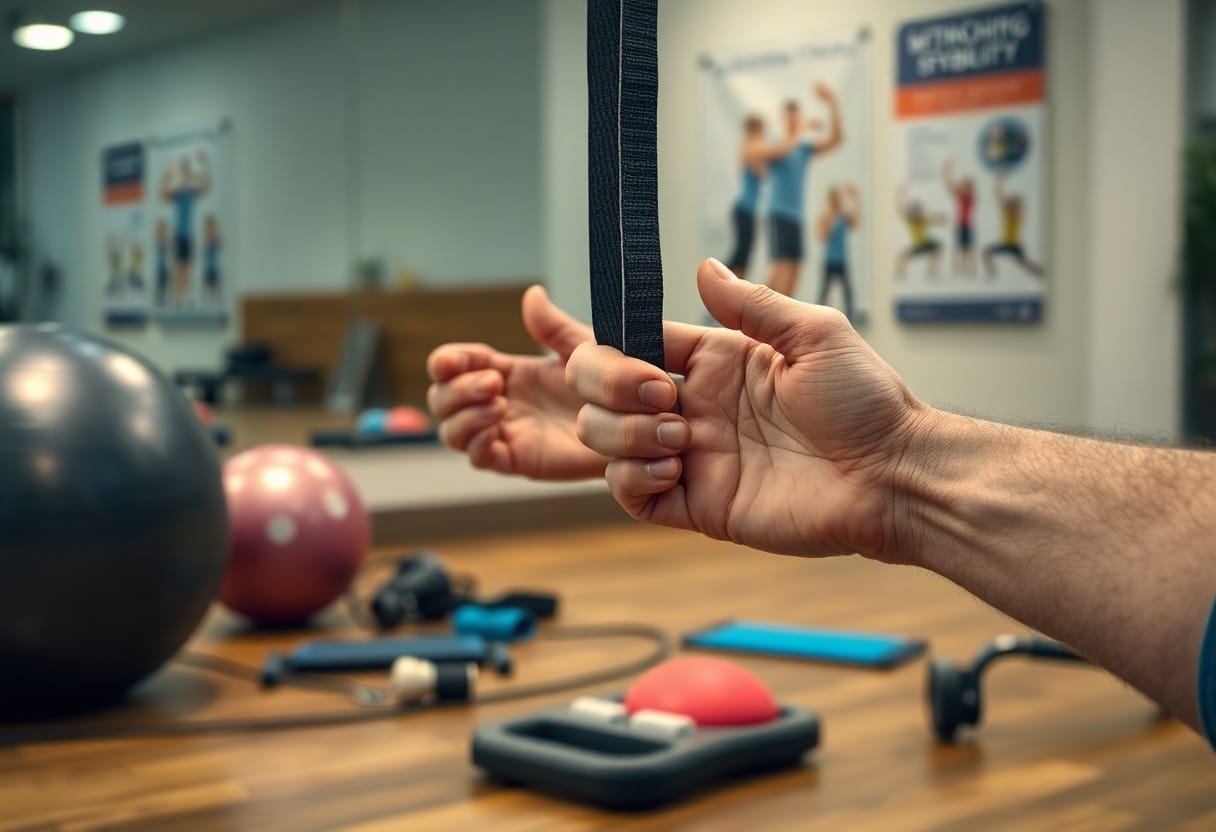
Incorporating a variety of shoulder mobility exercises, such as resistance band external rotations and doorway stretches, can significantly enhance your shoulder health. Aim for consistent practice, performing these movements several times a week to notice improvements. Not only will this strengthen your shoulder joints, but it will also allow for greater ease in everyday tasks, from reaching overhead to lifting objects. Proper shoulder mobility is necessary for maintaining overall upper body function and preventing discomfort during physical activities.
How to Incorporate Exercises into Your Routine
Incorporating mobility exercises into your daily routine can be as simple as integrating them into your existing activities. Aim for short sessions of 10 to 15 minutes, focusing on different muscle groups each day. You can include exercises in your morning warm-up, during work breaks, or even as part of your evening wind-down. Consistency is key, so consider setting reminders to keep your sessions regular and make them a part of your lifestyle.
Creating a Schedule
Developing a schedule tailored to your daily life enhances the likelihood of sticking with mobility exercises. Start by identifying specific times that work best for you, whether it’s in the morning, lunch break, or evenings. Block off these times in your calendar as non-negotiable appointments. Additionally, consider mixing flexibility workouts with cardio or strength training to create a balanced routine that keeps you engaged.
Listening to Your Body
Pay attention to how your body responds to mobility exercises. If you feel discomfort or pain, it may indicate that you’re pushing too hard or performing movements incorrectly. Modify exercises as needed, and don’t hesitate to skip any that cause significant pain. Prioritizing proper form and gradual progression will help you avoid injuries and enhance your experience.
Adjustments can significantly improve your exercise efficacy. For instance, if a specific stretch feels overly challenging, try reducing your range of motion or holding it for a shorter duration. On days when you feel particularly stiff, incorporate gentler movements, such as dynamic stretches or foam rolling. This adaptability fosters a more enjoyable experience while helping you build flexibility over time without overwhelming your body.
Tips for Maintaining Consistency
Staying consistent with mobility exercises requires intentional planning and motivation. To integrate these exercises seamlessly into your routine, try setting specific days and times for your workouts and treating them like important appointments. To help maintain consistency, consider these tips:
- Track your progress with a journal or app.
- Join a class or find an accountability partner.
- Start with short sessions and gradually increase duration.
- Reward yourself for sticking to your routine.
Perceiving the positive changes in your body will further encourage you to keep going. For additional insights, check out 5 simple mobility exercises to improve flexibility.
Setting Realistic Goals
Establishing realistic goals helps you create a sustainable routine. Break down your overarching objective into smaller, manageable targets. Instead of aiming for an immediate improvement in flexibility, focus on committing to just a few minutes of mobility exercises each day or week. This gradual approach fosters a sense of achievement, keeping you engaged and reducing frustration.
Staying Motivated
Motivation can wane over time, so finding ways to keep it fresh is crucial. Switch up your routine by trying new exercises or attending various classes. Engage with community forums or social media groups where you can share achievements and seek support. Tracking your progress visually can inspire continued effort, as seeing improvements can boost your spirit and dedication.
Staying motivated also involves celebrating small victories. Acknowledge improvements in flexibility, strength, or even mobility awareness. Share your journey with friends or family to create a supportive environment. Consider integrating your mobility exercises with other enjoyable activities, like listening to music or podcasts, to make each session feel less like a chore. Finding joy in the process makes it easier to maintain your commitment over time.
Final Words
Upon reflecting, incorporating mobility exercises into your routine can significantly enhance your flexibility and alleviate pain. By committing to consistent practice, you empower your body to move more freely and efficiently. These exercises not only improve your physical well-being but also boost your overall quality of life. Start with simple stretches and gradually include more complex movements as you gain confidence. Make these exercises a regular part of your day, and you’ll likely notice lasting improvements in how you feel and move.
FAQ
Q: What are mobility exercises and how do they help with flexibility?
A: Mobility exercises are specific movements designed to improve the range of motion in joints and muscles. They help increase flexibility by stretching and strengthening while promoting blood flow to the areas being worked. Incorporating these exercises into your routine can lead to better performance in daily activities and reduced stiffness.
Q: What types of mobility exercises can reduce pain?
A: Several mobility exercises can help reduce pain, particularly in the back, hips, and knees. Examples include dynamic stretches like leg swings, shoulder circles, and cat-cow stretches. These movements warm up the muscles and improve joint function, leading to less discomfort during everyday tasks.
Q: How often should I perform mobility exercises for the best results?
A: It is recommended to perform mobility exercises at least 3 to 4 times a week. Consistency is key to improving flexibility and alleviating pain. Dedicating just 10-15 minutes each session can lead to significant improvements over time.