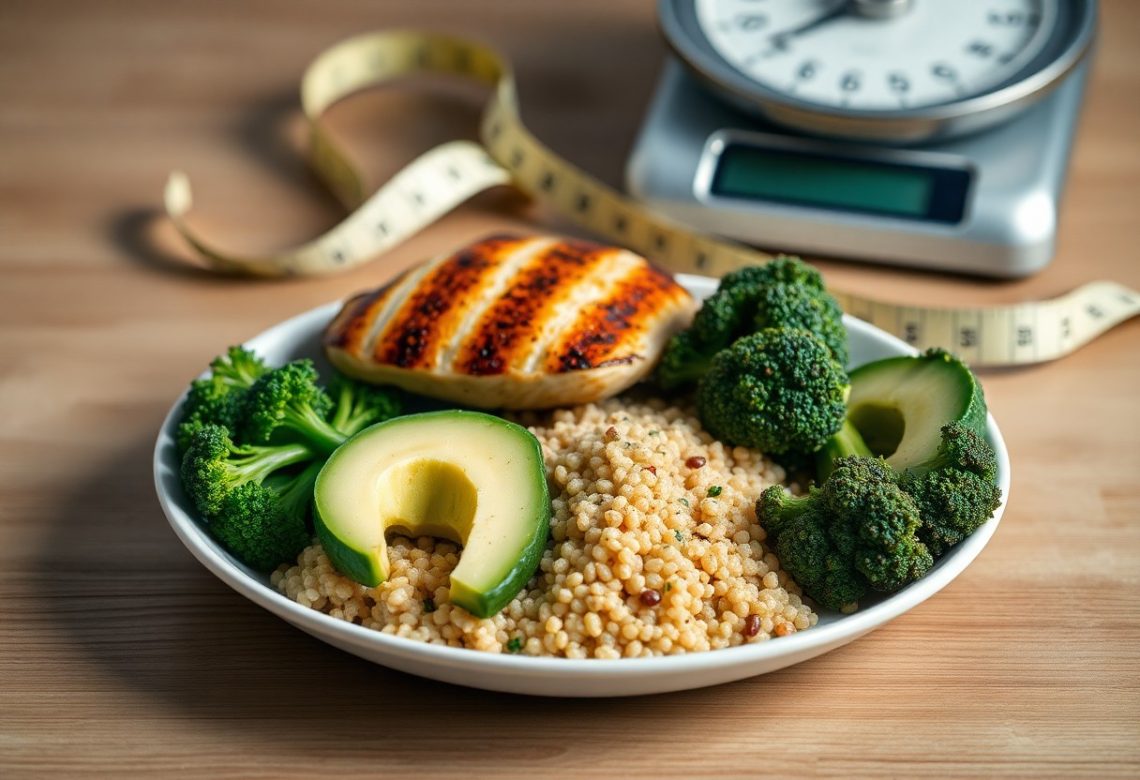
You face unique challenges when it comes to weight loss with hypothyroidism and a slow metabolism, but achieving your goals is possible with the right strategies. By understanding how your condition affects your body and implementing tailored dietary and lifestyle changes, you can effectively manage your weight. This guide will provide you with actionable steps that empower you to navigate these obstacles and promote a healthier, more balanced life.
Key Takeaways:
- Focus on a balanced diet rich in whole foods, lean proteins, healthy fats, and fiber to support metabolism.
- Incorporate regular, moderate exercise, such as strength training and cardio, to boost metabolic rate.
- Consult with healthcare professionals for tailored nutritional and medical interventions to address hormonal imbalances.
Understanding Hypothyroidism and Metabolism
What is Hypothyroidism?
Hypothyroidism is a condition where the thyroid gland produces insufficient thyroid hormones, leading to a slowdown in various bodily functions. This can manifest as fatigue, weight gain, and difficulty concentrating. You may often find that even with a balanced diet and regular exercise, losing weight feels particularly challenging.
How does Hypothyroidism Affect Metabolism?
When your thyroid hormone levels are low, your metabolism significantly slows down. This means your body burns fewer calories at rest, making it easier to gain weight. Even daily activities can expend less energy, causing a reduction in overall calorie expenditure.
The direct impact of hypothyroidism on metabolism can lead to challenges in weight management. With decreased thyroid hormones, your basal metabolic rate drops, causing fewer calories to be burned throughout the day. Additionally, you may experience increased fatigue, making it harder to engage in physical activity, further contributing to weight gain. Adjusting your nutrient intake and exercise routine becomes important for effective weight loss goals.
Factors Influencing Weight Gain in Hypothyroidism
Multiple factors can contribute to weight gain when you have hypothyroidism. These include hormonal imbalances, fluid retention, and lifestyle habits that can exacerbate the condition. Be aware of these factors as they can impede your efforts to lose weight.
- Hormonal fluctuations due to underactive thyroid
- Increased fluid retention from hormonal changes
- Lower physical activity levels due to fatigue
- Potential emotional factors, like depression
- Dietary habits that may not align with your needs
- Genetic predisposition affecting metabolism
Understanding how these factors interplay is vital for managing your weight. Many people with hypothyroidism struggle with fluid retention and hormonal changes that can cloud their weight loss journey. Adjusting your daily habits, including diet and exercise, is imperative for achieving a healthier weight. By recognizing these influences, implementation of targeted strategies becomes more effective.
[related_posts_banner]- Implementing a high-fiber, low-glycemic diet
- Incorporating strength training into your routine
- Monitoring your caloric intake closely
- Prioritizing sleep and stress management
- Working with healthcare providers for personalized advice
- Understanding your body’s unique response to lifestyle changes

The Importance of Diagnosis and Treatment
Getting Properly Diagnosed
Receiving an accurate diagnosis is vital for managing hypothyroidism effectively. If you suspect thyroid issues, consult your healthcare provider for a blood test that measures TSH, T3, and T4 levels. High TSH and low T3/T4 typically indicate hypothyroidism. Early diagnosis can help tailor your weight loss strategy and prevent further complications.
Treatment Options for Hypothyroidism
Your treatment plan may include synthetic thyroid hormone replacement, such as levothyroxine. This medication helps normalize hormone levels, boosting metabolism. It’s necessary to adjust your dosage based on your body’s response, as each individual’s needs vary.
Alongside medication, lifestyle changes can enhance treatment effectiveness. Incorporating a balanced diet rich in nutrients supports thyroid function. Regular exercise not only aids weight loss but also improves mood and energy levels, which can be affected by hypothyroidism.
Monitoring Thyroid Levels
Regular monitoring of your thyroid levels is necessary to ensure your treatment remains effective. Blood tests every six to twelve months can help track hormone levels and adjust medication dosages as needed. This proactive approach allows you to stay on top of your health and supports your weight loss journey.
Adjustments in medication may be necessary based on lifestyle changes or fluctuations in weight. Staying in close communication with your healthcare provider about any symptoms or concerns helps fine-tune your treatment, ensuring optimal thyroid function and aiding in weight management.

Nutrition Strategies for Weight Loss
Understanding Caloric Needs
To lose weight with hypothyroidism, you must first understand your caloric needs. Generally, people with slower metabolisms require fewer calories. Using a caloric calculator can help you determine your maintenance calories, and then you can create a deficit by consuming fewer calories than that number. Adjusting your intake based on activity level and metabolic rate is important for effective weight management.
Foods to Incorporate
Focusing on nutrient-dense foods is vital for individuals with hypothyroidism. Incorporate foods rich in lean proteins, healthy fats, and whole grains. This can include fish, poultry, legumes, avocados, and plenty of vegetables. These foods not only support overall health but also help maintain energy levels throughout the day.
Including foods like quinoa, brown rice, and sweet potatoes provides important carbohydrates that can support energy levels while promoting a balanced diet. Leafy greens such as kale and spinach offer vitamins and minerals that can enhance metabolic function. Berries, nuts, and seeds are also great additions, providing antioxidants and healthy fats that support your overall wellness journey.
Foods to Avoid
Certain foods may exacerbate symptoms of hypothyroidism or hinder weight loss. It’s advisable to limit or avoid processed foods, excessive sugars, and refined carbs. These can lead to inflammation and weight gain, making it more challenging to maintain a healthy weight.
Packaged and fast foods often contain unhealthy fats and additives that can impact your metabolism negatively. Additionally, some individuals may need to be cautious with gluten-containing grains or cruciferous vegetables like broccoli and cauliflower, as they can interfere with thyroid function when consumed in large quantities. Understanding your body’s responses to these foods is important for your weight loss journey.
The Role of Macronutrients
Balancing macronutrients—proteins, fats, and carbohydrates—plays an important role in your weight loss efforts. Each macronutrient contributes to your overall health and energy levels, making it important to find the right ratios for your body.
For individuals with hypothyroidism, a higher protein intake can boost metabolism and help preserve muscle mass while losing weight. Healthy fats, such as those from olive oil and fish, support hormonal balance and can enhance satiety. Carbohydrates should primarily come from whole, unprocessed sources to ensure you receive necessary nutrients without oversized calorie counts. Adjusting macronutrients to align with your metabolic needs can lead to more successful weight management.
For more information, check out Is It Possible to Lose Weight With Hypothyroidism?.
Exercise Recommendations
Types of Exercise Beneficial for Hypothyroidism
To effectively manage weight with hypothyroidism, focus on a combination of cardiovascular and strength training exercises. Some beneficial types include:
- Walking or jogging
- Swimming
- Cycling
- Yoga
- Weight lifting
Assume that these activities not only help in burning calories but also improve overall metabolism, as detailed in 7 Ways to Boost Metabolism When You Have Hypothyroidism.
| Exercise Type | Benefits |
| Walking | Low impact, easy to maintain |
| Swimming | Full-body workout, gentle on joints |
| Cycling | Increases cardiovascular fitness |
| Yoga | Reduces stress, improves flexibility |
| Weight lifting | Builds muscle, raises metabolism |
Developing a Sustainable Workout Routine
Establishing a sustainable workout routine is important for lasting weight loss. Set realistic goals and choose exercises that you enjoy to increase adherence. Aim for at least 150 minutes of moderate-intensity aerobic activity each week, paired with two days of strength training. Listening to your body is vital; adjust your routine as needed to avoid burnout.
To keep your routine consistent, you might try scheduling workouts like appointments or incorporating them into social activities. For instance, joining a fitness class with friends can add an element of fun and accountability. Finding an online community for support can also motivate you to stick with your plan.
The Importance of Consistency in Exercise
Consistency in your exercise routine helps maintain momentum and establishes lasting habits. Regular physical activity not only aids in weight loss but also improves mood and overall health. Aim to integrate movement into your daily life, which can include simple changes like taking the stairs or walking during breaks.
This routine helps your body adapt over time, making the workouts feel easier and more enjoyable. By focusing on gradual progress rather than perfection, you can foster a sustainable relationship with exercise that supports your weight loss goals effectively.
Lifestyle Changes for Better Weight Management
Sleep and Its Impact on Weight
Quality sleep significantly affects your weight management efforts. Inadequate sleep can disrupt hormones that regulate appetite, leading to increased cravings and a tendency to overeat. Aim for 7-9 hours of uninterrupted sleep each night to support your metabolism and improve your overall health.
Stress Management Techniques
Managing stress is vital for weight control, especially when dealing with hypothyroidism. High stress levels can lead to emotional eating and hormonal imbalances that hinder weight loss. Incorporate techniques such as mindfulness, deep breathing, or yoga to create a more balanced lifestyle.
Practicing stress management techniques not only stabilizes your mood but can also lower cortisol levels, which often contribute to weight gain around the abdomen. Regular engagement in these activities allows you to build resilience against stressors, enabling you to focus on healthy eating and exercise rather than turning to food for comfort.
Hydration and Its Role in Metabolism
Staying adequately hydrated is vital for an efficient metabolism. Water plays a key role in various bodily functions, including digestion, nutrient absorption, and the regulation of body temperature. Aim for at least 8 glasses of water daily to support your weight loss efforts.
Hydration influences metabolic processes, as even mild dehydration can slow down metabolism and hinder weight loss. Drinking water before meals can also help control appetite, making it easier to consume fewer calories. Consistently prioritizing hydration is an effortless way to facilitate your weight management journey.

Tips and Tricks for Sustaining Weight Loss
- Set realistic, attainable goals.
- Track your food intake consistently.
- Engage with a supportive community.
- Incorporate physical activity into your routine.
- Celebrate small victories.
- Stay educated about your condition.
- Adjust your strategies as needed.
Thou must prioritize these strategies to ensure long-term success.
Setting Realistic Goals
Setting achievable goals is imperative for sustainable weight loss. Instead of aiming for drastic weight loss in a short period, focus on smaller, incremental changes, such as losing 1-2 pounds a week. This approach fosters a sense of accomplishment and reduces frustration.
Keeping a Food Diary
A food diary helps you become more aware of your eating habits and triggers. By documenting what you eat, you can identify patterns that may lead to weight gain or hinder weight loss. This practice encourages mindfulness in your food choices.
Keeping a food diary can assist in tracking your macronutrient intake, particularly since those with hypothyroidism may need to monitor their intake of certain foods that could interfere with thyroid function. Use apps or traditional pen-and-paper methods to document not just what you eat, but also your feelings and hunger levels, helping you make connections between emotions and eating.
Seeking Support from Professionals
Consulting with healthcare professionals can provide tailored advice unique to your needs. Nutritionists and dietitians equipped with knowledge about hypothyroidism can help create a personalized eating plan that complements your treatment.
Engaging a team of professionals, including an endocrinologist and a registered dietitian, can make a significant difference. These experts can guide you in managing your thyroid condition alongside your weight loss goals, as well as provide education on medication management and optimal dietary choices for your unique metabolism.
Staying Motivated Over Time
Maintaining motivation is key to long-term weight loss success. Set new challenges for yourself and mix up your routine to keep things exciting. Find inspiration from others who face similar challenges.
Consider joining support groups or online communities focused on weight loss and thyroid health. Sharing your goals and progress with others strengthens your accountability and provides emotional support. Regularly revisit your reasons for initiateing on this journey to reignite your commitment when motivation wanes.
Final Words
Upon reflecting, it is important to adopt a comprehensive approach to weight loss when you have hypothyroidism and a slow metabolism. Focus on a balanced diet rich in whole foods, engage in regular physical activity tailored to your abilities, and ensure you manage stress effectively. Consistent monitoring of your thyroid levels and working closely with healthcare professionals will aid in creating a personalized plan that suits your needs. By implementing these strategies, you can achieve your weight loss goals and improve your overall well-being.
FAQ
Q: Can I lose weight with hypothyroidism?
A: Yes, you can lose weight with hypothyroidism by combining dietary changes, regular exercise, and proper medication management. Consult with a healthcare provider for personalized guidance.
Q: What dietary changes can help with weight loss in hypothyroidism?
A: Focus on a balanced diet rich in whole foods, lean proteins, healthy fats, fruits, and vegetables. Consider reducing processed foods, added sugars, and refined carbohydrates. Adequate hydration is also important.
Q: How does exercise impact weight loss for those with a slow metabolism?
A: Regular exercise can boost metabolism and increase calorie expenditure. Aim for a combination of aerobic and strength training exercises to build muscle, which can help improve metabolic rate over time.