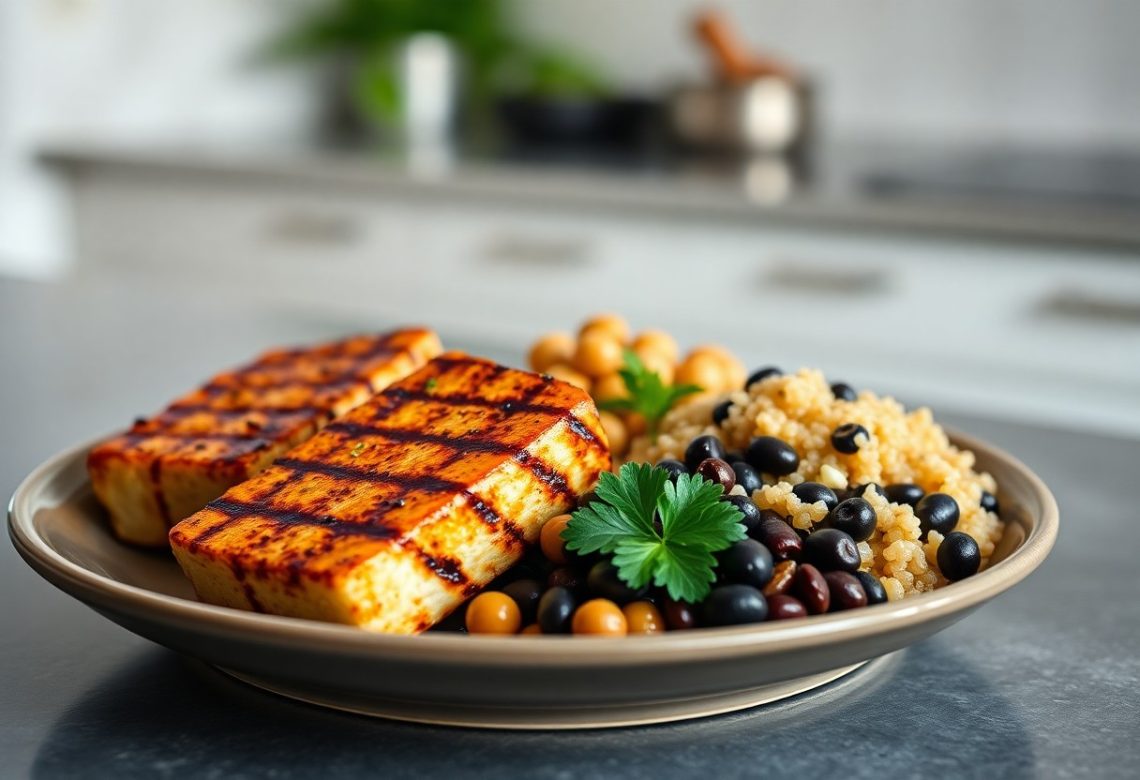
There’s a growing interest in high-protein plant-based foods for those looking to lose weight. Incorporating these foods into your diet can help you feel full longer and reduce overall calorie intake. This blog post will explore various options that provide necessary nutrients while supporting your weight loss journey. You’ll learn about the best sources of plant-based protein, how they contribute to weight management, and practical tips for adding them to your meals. Discover how to make impactful changes to your diet with delicious, protein-rich foods.

Key Takeaways:
- High-protein plant-based foods can aid in weight loss by increasing satiety, making you feel fuller for longer.
- Foods like lentils, chickpeas, quinoa, and tofu are excellent sources of protein and can enhance your meals without adding excess calories.
- Incorporating these foods into your diet can support muscle maintenance and overall health while promoting effective weight management.
What Are High-Protein Plant-Based Foods?
High-protein plant-based foods include items rich in protein derived from plants rather than animals. These foods support muscle building, enhance satiety, and contribute to overall health. Common examples are legumes like lentils and chickpeas, as well as quinoa, tofu, tempeh, and seitan. Nuts and seeds, such as almonds and chia seeds, also provide substantial protein content. Incorporating these options into your diet can help you meet your protein needs without relying on animal products.
Definition and Examples
High-protein plant-based foods are defined as those that contain significant amounts of protein per serving. Examples include lentils, which offer about 18 grams of protein per cooked cup, and quinoa, providing around 8 grams per cup. Tofu and tempeh are great sources too, with tofu delivering approximately 10 grams per half-cup and tempeh around 15 grams. Nuts and seeds also pack a protein punch, making them excellent choices for snacks or meal additions.
Importance for Weight Loss
High-protein plant-based foods play a significant role in weight loss by promoting fullness and reducing overall calorie intake. They can increase your metabolic rate and help maintain muscle during weight loss efforts.
These foods help manage hunger through their high protein content, which leads to increased satiety compared to lower-protein options. Studies show that higher protein diets can reduce cravings and help you consume fewer calories overall. For instance, incorporating sources like lentils or tempeh into your meals can lead to you feeling satisfied and less likely to snack on high-calorie foods, ultimately supporting your weight loss journey. Prioritizing these foods in your diet can create a lasting positive impact on your eating habits and help maintain a healthy lifestyle.
[related_posts_banner]Benefits of High-Protein Plant-Based Foods
Integrating high-protein plant-based foods into your diet provides numerous advantages, especially for those aiming for weight loss. These foods are not only filling but also contribute to muscle preservation and efficient metabolism. When you focus on protein-rich options, you’re investing in your weight management journey. Explore the best plant-based high-protein foods for weight loss to kickstart your healthy eating habits.
Supports Muscle Growth
Consuming high-protein plant-based foods helps you maintain and build muscle mass, a key factor in staying fit and energized. Foods like lentils, chickpeas, and quinoa are rich in vital amino acids, which are vital for muscle repair and growth. By incorporating these into your meals, you promote a stronger physique, even while on a weight loss journey.
Aids in Weight Management
High-protein plant-based foods help control appetite and reduce cravings, making it easier for you to stick to your weight loss goals. These foods typically require more energy to digest and can lead to increased feelings of fullness compared to lower-protein alternatives.
When you fill your plate with high-protein plant options, like edamame, black beans, and nuts, you’re likely to consume fewer calories overall. Research shows that a higher protein intake can boost satiety hormones, decreasing your desire to snack between meals. This natural appetite suppression is crucial in helping you achieve sustainable weight management.
Top High-Protein Plant-Based Foods
You can easily include high-protein plant-based foods in your meals to boost nutrition and promote weight loss. Lentils, quinoa, chickpeas, tofu, tempeh, and edamame are some of the best sources. These foods not only provide necessary protein but also contain fiber, vitamins, and minerals that support overall health. Incorporating these ingredients into your diet can enhance satiety, helping you feel satisfied and making weight management more achievable.
Lentils
Lentils are a powerhouse of protein and fiber, offering about 18 grams of protein per cooked cup. They are versatile and can be added to soups, salads, and even veggie burgers. Their low calorie content makes them ideal for weight loss while maintaining satiety.
Quinoa
Quinoa stands out as a complete protein, containing all nine necessary amino acids. With approximately 8 grams of protein per cooked cup, it also provides fiber, magnesium, and iron. This nutritious grain can serve as a base for salads or as a side dish, making it a great addition to your healthy eating plan.
Quinoa’s unique composition gives it a fluffy texture and nutty flavor, making it highly adaptable in various dishes. It’s gluten-free and can easily replace rice or couscous in recipes, adding additional nutritional benefits and helping you feel full without excess calories.
Chickpeas
Chickpeas, or garbanzo beans, pack about 15 grams of protein per cooked cup, along with ample fiber. Their versatility makes them perfect for salads, soups, or blended into hummus. They help to stabilize blood sugar and can curb hunger, making them a smart choice for weight loss.
In addition to their protein content, chickpeas are rich in necessary nutrients like folate and manganese. Roasting them creates a crunchy snack alternative, while their creamy texture in dishes like hummus offers satisfaction, helping you avoid less healthy options.
Tofu and Tempeh
Tofu and tempeh are excellent sources of plant-based protein, with tofu containing around 20 grams and tempeh about 30 grams per cup. Incorporating these foods into stir-fries or salads provides not only protein but also beneficial isoflavones for health.
Tofu’s mild flavor allows it to absorb spices and seasonings easily, making it a flexible cooking ingredient. Tempeh, being fermented, offers digestive benefits along with a firmer texture that can enhance many dishes. Both are ideal for substituting meat in various recipes, helping you increase your protein intake while maintaining a plant-based diet.
Edamame
Edamame, or young soybeans, provide about 17 grams of protein per cooked cup. These nutrient-dense snacks are often enjoyed steamed and sprinkled with sea salt. They’re high in fiber and antioxidants, supporting overall well-being while assisting in weight management.
Incorporating edamame into your diet can be as simple as adding them to salads, bowls, or as a standalone snack. Their vibrant green color and delightful texture offer a refreshing contrast to many meals, making them not only nutritious but also visually appealing.
How to Include High-Protein Plant-Based Foods in Your Diet
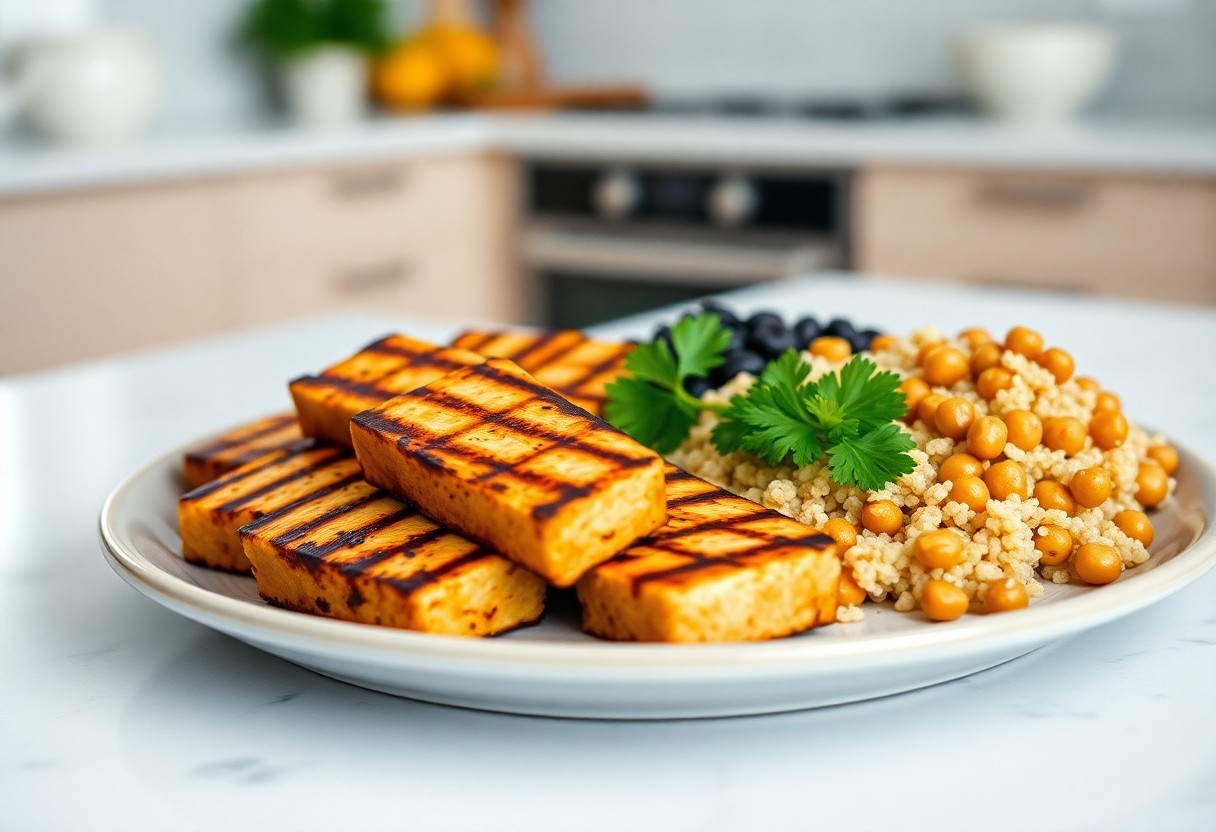
You can seamlessly add high-protein plant-based foods to your meals. Focus on beans, lentils, quinoa, and nuts as your primary sources. Incorporate these proteins into salads, stir-fries, and smoothies to enhance nutrition easily. For a deeper understanding of protein sources, check out this Plant-based Protein Infographic.
Meal Ideas
Create delicious meals with high-protein plant-based options. Combine chickpeas with roasted vegetables for a hearty salad. Use brown rice as a base and top it with black beans, avocado, and salsa for a flavorful bowl. A quinoa stir-fry with spinach and edamame packs protein and nutrients into one dish.
Snack Suggestions
Healthy snacks can also be high in protein. Consider hummus with carrot sticks or whole-grain crackers. Almonds and pumpkin seeds offer quick protein boosts and are easy to grab. Choose edamame for a satisfying treat that also provides fiber.
For a satisfying snack, try making protein energy balls using oats, nut butter, and your choice of protein powder. These no-bake treats can be prepared in advance and stored in the fridge for quick access. You can also dip apple slices in almond butter for a sweet yet protein-rich option. Both of these snacks fuel your body and help manage cravings healthily.
Protein Content Comparison
Understanding the protein content in various foods helps you make informed choices. Below is a comparison of some popular high-protein plant-based foods against common animal-based proteins.
Protein Content Comparison Table
| Food Item | Protein per 100g |
|---|---|
| Lentils | 9g |
| Chickpeas | 8.9g |
| Quinoa | 4.1g |
| Tofu | 8g |
| Chicken Breast | 31g |
| Salmon | 25g |
Plant-Based vs. Animal-Based Proteins
Plant-based proteins are often lower in fat and packed with fiber, enhancing their health benefits. While animal-based proteins provide all important amino acids, some plant sources can be combined for complete protein profiles. For instance, pairing rice with beans covers all nine important amino acids, making a nutritious meal.
Daily Protein Requirements
Your daily protein needs depend on various factors, such as age, sex, and activity level. The general guideline suggests a daily intake of 0.8 grams of protein per kilogram of body weight. Athletes or those engaged in intense workouts may need up to 1.6 grams per kilogram.
To further calculate your specific protein needs, consider factors like body composition goals and lifestyle. For active individuals, the recommended protein intake can be increased significantly. For example, a 70 kg (154 lbs) individual aiming to maintain muscle mass might target around 112 grams of protein daily if engaged in regular strength training. Consuming diverse high-protein plant foods, such as legumes, seeds, and whole grains, can help you meet these requirements effectively while supporting weight loss goals.
Common Myths About Plant-Based Proteins
Many misconceptions surround plant-based proteins, causing confusion about their nutritional value. Some people believe that plant-based proteins do not provide sufficient amino acids or that they lack the protein quality found in animal sources. These myths can lead to unnecessary dietary limitations, preventing you from enjoying a diverse diet rich in plant-based options.
Misconceptions
One common misconception is that all plant proteins are incomplete, meaning they lack one or more crucial amino acids. This belief often discourages people from incorporating plant-based proteins into their meals. Additionally, some think plant proteins require significant supplementation to match animal protein’s effectiveness in muscle building and overall health.
Facts to Know
In reality, many plant-based protein sources, such as quinoa, soy, and chia seeds, contain all crucial amino acids and can support muscle growth effectively. Diverse diets that include a variety of legumes, grains, nuts, and seeds can easily provide the complete amino acid profile your body needs. Furthermore, studies have shown that consuming plant proteins can be equally effective as animal proteins in promoting health and muscle maintenance.
Conclusion
To wrap up, incorporating high-protein plant-based foods into your diet can significantly support your weight loss goals. These foods not only provide crucial nutrients but also keep you feeling full and satisfied, making it easier to manage your calorie intake. By choosing options like lentils, chickpeas, and quinoa, you can enhance your meals while enjoying the benefits of plant-based nutrition. Commit to making these foods a regular part of your diet, and you’ll likely see positive changes in your weight and overall health.
FAQ
Q: What are some high-protein plant-based foods that can help with weight loss?
A: Some high-protein plant-based foods include lentils, chickpeas, quinoa, edamame, and various beans like black beans and kidney beans. These foods are filling and can help reduce hunger while providing vital nutrients.
Q: How do high-protein plant-based foods aid in weight loss?
A: High-protein plant-based foods can help with weight loss by increasing satiety, which means you feel fuller for longer. They also tend to be lower in calories and can help maintain muscle mass while losing fat.
Q: Can I get enough protein on a plant-based diet while trying to lose weight?
A: Yes, it is entirely possible to get enough protein on a plant-based diet. By incorporating a variety of high-protein foods like legumes, nuts, seeds, and whole grains, you can easily meet your protein needs while focusing on weight loss.


