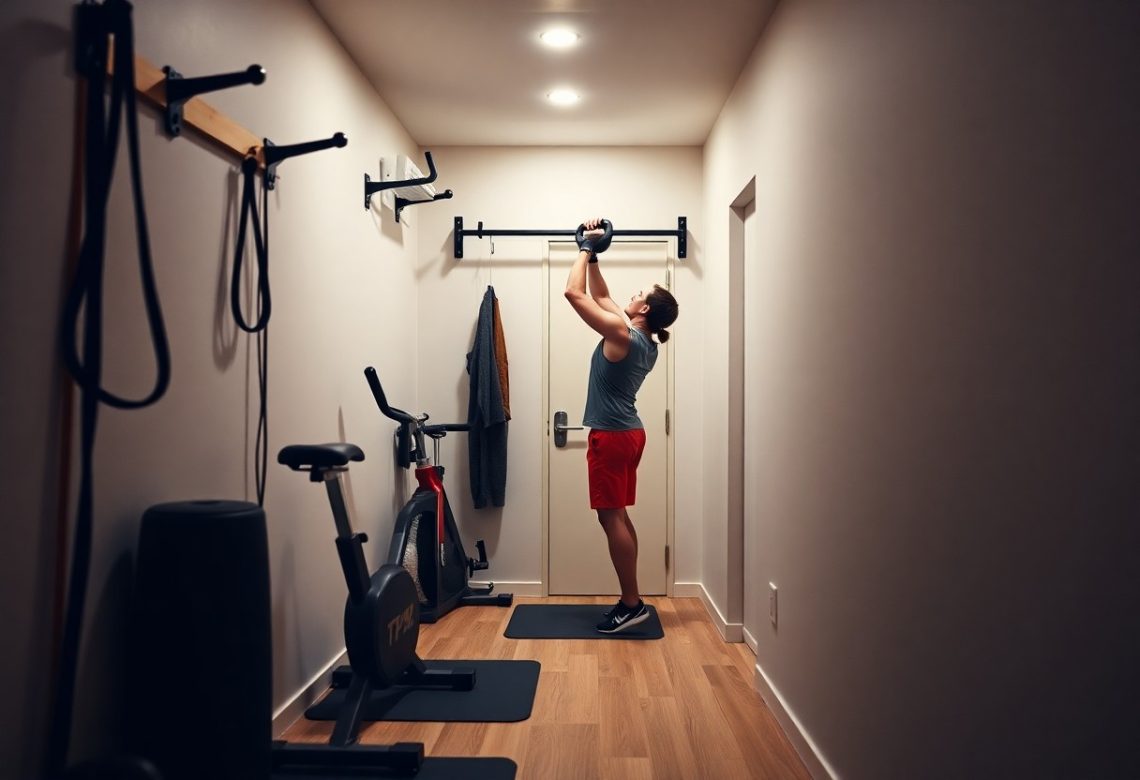
Many people struggle to find effective workout routines that fit into tight spaces. This blog post will guide you through high-intensity, low-impact fitness options designed specifically for limited areas without sacrificing results. You’ll explore exercises that elevate your heart rate while reducing stress on your joints, making it easier to stay active at home, in small gyms, or while traveling. Let’s transform your space into a dynamic fitness environment that meets your health goals efficiently and effectively.
Key Takeaways:
- High-intensity workouts can be performed in small spaces with minimal equipment.
- Low-impact exercises reduce the risk of injury while still providing effective cardio and strength training.
- Consistency in exercising, even in tight spaces, can lead to significant fitness improvements over time.
Understanding High-Intensity, Low-Impact Fitness
High-intensity, low-impact fitness combines effective cardiovascular and strength training in a way that minimizes stress on your joints. This approach allows you to achieve maximum results in limited space, making it perfect for small homes or apartments. By engaging in quick bursts of vigorous activity while avoiding high-impact movements, you maintain a strong workout routine without the risk of injury.
What is High-Intensity Fitness?
High-intensity fitness involves performing exercises at a level that elevates your heart rate significantly, often reaching 70-90% of your maximum heart rate. These workouts include short, powerful bursts followed by brief recovery periods, allowing you to burn more calories in a shorter time frame. Examples include sprinting in place, fast-paced bodyweight exercises, or circuit training that targets multiple muscle groups.
What is Low-Impact Fitness?
Low-impact fitness reduces strain on your joints while still providing an effective workout. This approach uses movements that do not involve jumping or excessive pounding on hard surfaces. Low-impact exercises, such as cycling, swimming, or using a resistance band, allow you to engage in physical activity without the high risks of injury commonly associated with traditional high-impact routines.
Low-impact fitness serves a wide range of individuals, including those recovering from injuries or anyone looking to incorporate a gentler form of exercise. This type of fitness provides numerous benefits, such as improved cardiovascular health and increased muscle strength, all while being easier on your body. Many low-impact activities can be performed in tight spaces, making them accessible for home workouts. Even incorporating moves like squats or modified push-ups can enhance your strength without harsh impacts.

Benefits of Exercising in Tight Spaces
Exercising in tight spaces offers numerous advantages, particularly for those with limited room for movement. Compact workouts can boost cardiovascular health and muscle strength without the need for extensive equipment. These routines are highly adaptable, allowing you to engage in effective high-intensity training, even in a small apartment or office. To explore exercises tailored for minimal space, check out 10 Low Impact HIIT Exercises and Workouts.
Convenience and Accessibility
Finding time to exercise can be challenging, especially with a busy schedule. Tight spaces allow you to work out at home or anywhere with minimal setup. You can easily fit a workout into your daily routine, whether it’s a 10-minute session or a longer workout. This flexibility helps you stay committed to your fitness goals without the need for a gym membership or extensive travel.
Space Efficiency
Space efficiency is a key advantage of working out in tight areas. You can perform multiple exercises in a small footprint, maximizing your workout’s effectiveness. Bodyweight movements, resistance bands, and compact fitness tools can easily be integrated into your routine. This efficiency means you can maintain an active lifestyle without sacrificing workout quality, even in a studio apartment or small home gym.
By focusing on space efficiency, you can create diverse and engaging workouts without needing an expansive area. For instance, combining exercises like squats, lunges, and push-ups not only saves space but also targets multiple muscle groups. This kind of workout allows you to get the most out of every square foot while ensuring that your training remains effective and enjoyable.
Suitable Exercises for Small Areas
Finding exercises that fit within a small space may seem challenging, but several effective options exist. Focus on movements that require minimal area while still elevating your heart rate and engaging multiple muscle groups. Incorporating these exercises into your routine can lead to significant fitness gains without needing a large workout area.
Bodyweight Exercises
Bodyweight exercises are ideal for tight spaces as they don’t require equipment and can be adapted to your fitness level. Movements like squats, push-ups, and planks utilize your own weight to build strength and endurance. You can easily perform them in small living rooms or offices, ensuring an effective workout without the need for elaborate setups.
Equipment-Free Options
Equipment-free options maximize the utility of your limited space. Exercises such as jumping jacks, high knees, or shadow boxing can keep your heart rate up while enhancing agility and coordination. These movements often fit seamlessly into small areas, allowing for high-intensity workouts without the clutter of gym gear.
Exploring equipment-free options means you can stay fit without the extra costs or hassle of access to a gym. For instance, high knees elevate your heart rate while requiring only a few square feet. Additionally, adding variations like side lunges or burpees introduces diversity to your routine, keeping workouts fresh and engaging. With just your body as your tool, you can achieve similar results to a gym workout right in your living space.
Creating a Fitness Routine
Designing a fitness routine in tight spaces starts with selecting exercises that maximize your available area. Structure your schedule with a mix of strength, cardio, and flexibility workouts. Incorporate 5 Low-Impact Cardio Moves for Small Spaces to elevate your heart rate while minimizing impact. Aim for 20-30 minutes daily, ensuring you’re consistent without feeling overwhelmed.
Sample Workouts
Combining various exercises can keep your workouts engaging. A sample session might include 10 minutes of bodyweight squats, 10 minutes of modified push-ups, and 10 minutes of seated leg raises. Use equipment like resistance bands or small weights to add intensity without taking up much space.
Tips for Staying Motivated
Staying motivated in a fitness journey requires setting achievable goals and tracking your progress. Consider developing a workout schedule and finding ways to make each session enjoyable, whether through music or virtual classes. Celebrate small wins and share your journey with friends or social media for added support.
- Set specific, measurable goals.
- Track your workouts for accountability.
- Incorporate variety to keep things interesting.
- Connect with supportive communities online.
Your motivation can also stem from personal rewards. After achieving milestones, treat yourself to something enjoyable, like a new workout outfit or a favorite healthy snack.
- Determine what rewards resonate with you.
- Use reminders or motivational quotes around your space.
- Join a workout group for social encouragement.
After establishing a routine that suits your environment and preferences, revisit your goals regularly. This review can help keep your focus sharp and adjust your fitness plan as you progress.
Common Mistakes to Avoid
Avoiding common pitfalls in high-intensity, low-impact workouts is crucial for maximizing your results and staying injury-free. Many make the mistake of rushing through exercises, sacrificing form for speed. Others may push themselves too hard, leading to burnout or injury. To ensure you’re on the right track, check out our guide on High Intensity, Low Impact Training (HILIT Workouts).
Ignoring Form
Prioritizing speed over proper form can lead to ineffective workouts and increase the risk of injury. Ensure that you maintain correct posture and technique with each movement. For example, during squats, keep your knees aligned with your toes and your back straight. This focus not only boosts performance but also enhances the benefits of each exercise.
Overtraining
Overtraining occurs when you exercise without allowing adequate recovery time, which may result in fatigue, decreased performance, and injury. Striking a balance between intensity and rest is vital. To prevent overtraining, schedule rest days and listen to your body. If you notice persistent soreness or fatigue, adjust your routine to include lighter workouts or more recovery time.
Incorporating Fitness into Daily Life
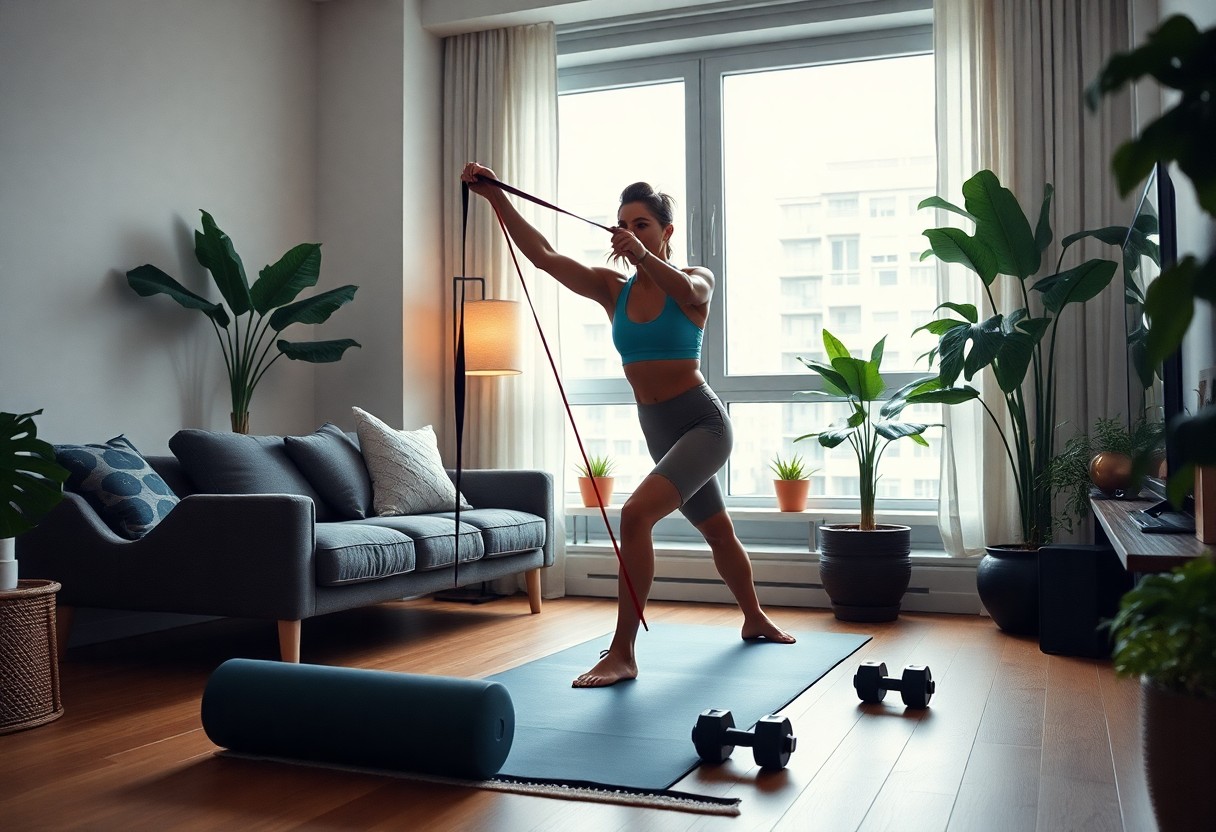
Finding ways to weave fitness into your everyday routine can boost your health without requiring extra time. Small adjustments, like taking the stairs instead of the elevator or doing calf raises while brushing your teeth, can accumulate significant benefits. You can also set a timer to remind yourself to stand and move around every hour, making movement a natural part of your day. By prioritizing fitness in daily tasks, you’ll create a sustainable habit that enhances your overall well-being.
Quick Workouts for Busy Schedules
With only a few minutes to spare, you can still fit in an effective workout. High-intensity interval training (HIIT) is ideal for busy schedules, offering maximum benefits in minimal time. Just 10 to 20 minutes of alternating between intense exercises and short rest periods can elevate your heart rate and build strength. Try quick routines such as burpees, jumping jacks, or bodyweight squats to keep your heart pumping and metabolism high, even during a hectic day.
Utilizing Breaks Effectively
Making the most of your breaks can lead to significant health gains. Instead of scrolling through your phone, spend five minutes stretching or doing a few quick exercises. Simple routines like lunges or desk push-ups can invigorate your body and mind, enhancing productivity. Consistent movement during breaks not only improves physical fitness but also increases focus and energy levels throughout your day.
Incorporating movement into your breaks fosters a more active lifestyle. Try to set a schedule where you incorporate brief exercise sessions. For example, during a 15-minute break, dedicate 5 minutes to jumping jacks or a brisk walk. Studies show that even short bursts of activity can lead to better overall health and mood. Establishing this habit helps create a positive cycle where you feel more energetic and motivated to stay active, ensuring that fitness becomes an integral part of your daily routine.
Summing up
From above, you can see that high-intensity, low-impact fitness is a versatile solution for staying active in tight spaces. Utilizing effective routines can enhance your strength and endurance without requiring extensive equipment or large areas. By focusing on movements that elevate your heart rate while minimizing joint strain, you can achieve your fitness goals. Incorporate these exercises into your daily routine to maximize health benefits, even when space is limited. Ultimately, consistency and adaptability in your workouts will lead you toward greater fitness success.
FAQ
Q: What types of exercises are best for high-intensity, low-impact workouts in small spaces?
A: Exercises such as bodyweight squats, push-ups, planks, and lunges are ideal. You can also incorporate resistance bands for added intensity. These exercises take up little space while still providing an effective full-body workout.
Q: How can I stay motivated when exercising in limited spaces?
A: Setting specific goals can keep you focused. Try to create a schedule and stick to it. Also, using music or following online workout videos can make exercising more enjoyable. These strategies help maintain energy and interest over time.
Q: Can high-intensity workouts be safe for beginners in tight spaces?
A: Yes, beginners can safely perform high-intensity workouts with low-impact options. It’s important to start slowly and pay attention to your body. Listen to cues to prevent injury. Gradually increase the intensity as you build strength and endurance.