
Weight loss is not just about cutting calories; it’s about nourishing your body with foods that promote health and wellbeing. By choosing the right foods, you can support your weight management goals while enhancing your overall vitality. In this blog post, you’ll discover a curated list of foods that not only aid in weight loss but also contribute to your long-term wellness. Understanding how these foods work will empower you to make healthier choices that benefit both your body and mind.
Key Takeaways:
- Incorporate whole foods like fruits, vegetables, and lean proteins to promote weight loss and enhance health.
- Stay hydrated by drinking plenty of water, which supports metabolism and helps control appetite.
- Practice mindful eating by paying attention to hunger cues and savoring each bite, which can prevent overeating.
Understanding Holistic Weight Loss
Holistic weight loss focuses on the whole person rather than just shedding pounds. It involves a balanced approach that includes physical, emotional, and mental wellness. By integrating nutritious foods, regular exercise, and mindfulness practices, you create a sustainable lifestyle change that supports long-term weight management and overall health.
What is Holistic Weight Loss?
Holistic weight loss emphasizes a comprehensive method to achieving weight objectives. This approach includes not only dietary changes but also physical activity, mental resilience, and emotional health. You consider how these elements interact to affect your overall well-being and weight loss journey.
The Importance of Overall Wellness
Prioritizing overall wellness leads to a more satisfying and sustainable weight loss journey. You’ll notice increased energy levels, improved mood, and better resistance to stress. This holistic view encourages adopting healthy habits that promote not just weight loss, but also a happier and fuller life.
A focus on overall wellness integrates various aspects of your life, such as sleep, stress management, and social connections. Enhanced sleep quality can bolster metabolism, while reducing stress can minimize emotional eating. Engaging in supportive relationships fosters accountability, pushing you toward healthier choices. Adopting this comprehensive perspective can result in a more effective weight loss strategy that endures beyond temporary diets.
[related_posts_banner]Key Nutrients for Weight Loss
Effective weight loss is supported by key nutrients that enhance metabolism, balance blood sugar, and build muscle. Integrating proteins, healthy fats, and complex carbohydrates into your diet creates a robust framework for sustainable weight loss and overall health. These nutrients not only support fat loss but also contribute to long-term wellness by nourishing your body with necessary vitamins and minerals.
Proteins
Proteins play a vital role in weight loss by promoting satiety and preserving lean muscle mass during calorie deficits. Foods rich in protein, such as lean meats, fish, eggs, legumes, and nuts, can help you feel fuller longer and reduce overall calorie intake. Aim for a source of protein with each meal to stabilize blood sugar and support metabolic functions.
Healthy Fats
Incorporating healthy fats into your diet is necessary for weight loss and wellness. Avocados, olive oil, nuts, and seeds provide valuable nutrients and can enhance the absorption of fat-soluble vitamins. These fats are necessary for hormone production and brain health, contributing to a balanced diet that supports energy levels and reduces cravings.
Healthy fats contribute significantly to weight management by promoting feelings of fullness and satisfying your hunger, making it easier to stick to a healthy eating plan. Monounsaturated and polyunsaturated fats, found in sources like fatty fish and avocados, can reduce inflammation and improve heart health. Including a moderate amount of these fats in your meals not only enhances flavor but also supports your body’s needs, ensuring you’re energized and less likely to resort to unhealthy snacks. Aiming for about 20-35% of your daily calories from healthy fats can create a balanced approach to nutrition.
Top Foods for Weight Loss
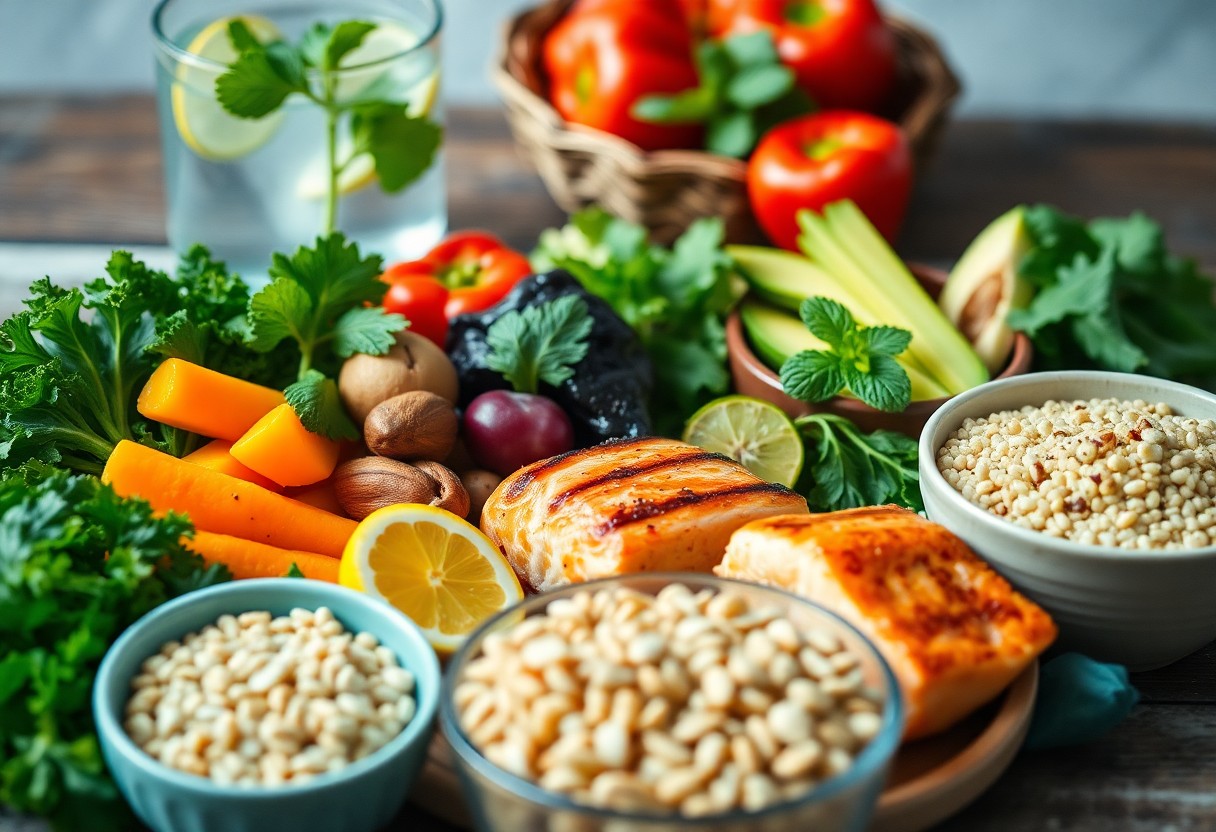
Emphasizing nutrient-dense options accelerates weight loss while supporting overall wellness. Incorporating foods rich in fiber, protein, and healthy fats into your diet can help you feel satisfied longer and reduce cravings. Focus on whole, unprocessed items that nourish your body and promote healthy metabolism. These choices set the foundation for sustainable weight loss and improved health.
Fruits and Vegetables
Fruits and vegetables are low in calories and high in fiber, making them ideal for weight loss. Their natural sugars satisfy sweet cravings without the added calories from processed snacks. Aim to fill half your plate with colorful produce, as these foods are packed with vitamins, minerals, and antioxidants that boost your immune system and improve digestion.
Whole Grains
Whole grains provide vital nutrients and fiber while aiding in weight management. Foods like brown rice, quinoa, and whole-wheat bread keep you fuller longer. Unlike refined grains, whole grains maintain their bran and germ, offering more nutrients and a lower glycemic index. This means they release energy slowly, keeping blood sugar levels steady and reducing hunger pangs, which is beneficial for sustained weight loss.
Superfoods for Wellness
Superfoods play a vital role in achieving holistic weight loss and overall wellness. These nutrient-dense options not only enhance your health but also support your weight management goals. Incorporating various superfoods into your diet can amplify your nutrient intake and provide crucial benefits. To explore some of the best choices, check out these 10 great health foods that can elevate your nutrition.
Berries
Berries, such as blueberries, strawberries, and raspberries, are packed with antioxidants, vitamins, and dietary fiber. Their low-calorie content makes them an excellent choice for weight loss. The natural sweetness of berries satisfies cravings without the added sugar found in many desserts. Including a variety of berries in your meals can also enhance your overall health.
Leafy Greens
Leafy greens like spinach, kale, and Swiss chard are nutritional powerhouses. They are low in calories yet high in crucial vitamins, minerals, and antioxidants. These greens boost your fiber intake, promoting a feeling of fullness and aiding in digestion. Including leafy greens in your diet supports weight loss and contributes to overall health.
Leafy greens are not just low in calories; they also provide critical nutrients such as vitamin K, which is important for bone health, and vitamin A, supporting eye health. Rich in magnesium and iron, these greens can enhance energy levels, making you feel more active throughout the day. You can easily add them to smoothies, salads, or stir-fries for a nutritional boost. Incorporating a variety of leafy greens can help diversify your nutrient intake while keeping meals interesting and satisfying.
Hydration and Weight Loss
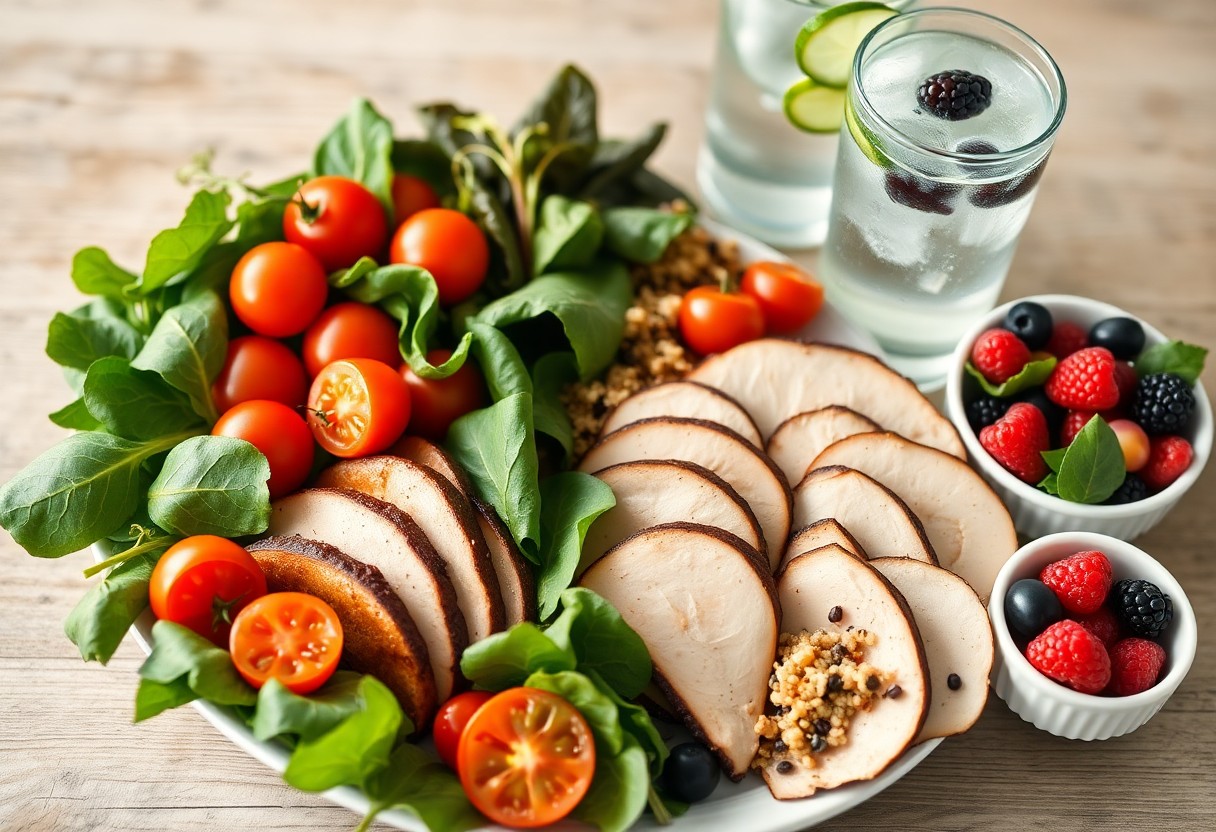
Staying hydrated plays a vital role in weight loss and overall wellness. Water helps regulate your metabolism and can aid in appetite control. Drinking enough fluids can promote energy levels and improve your physical performance. Incorporate hydration into your routine by drinking water throughout the day and including foods with high water content. For a deeper look into beneficial foods, check out 12 Essential Holistic Nutrition Foods to Include in Your Diet.
The Role of Water
Water is crucial for maintaining bodily functions, including digestion and metabolism. It aids in flushing toxins and can help reduce hunger, making it easier for you to stick to your weight loss goals. Aim to drink at least eight glasses of water a day, adjusting based on your activity level and climate. Proper hydration can also improve your mood and cognitive function.
Herbal Teas
Herbal teas provide a flavorful and hydrating alternative to sugary beverages. Many herbal blends, like green tea and peppermint, are known for their metabolism-boosting properties. Rich in antioxidants, herbal teas can also support digestion and reduce cravings. Try sipping on a warm cup throughout the day or as a soothing evening ritual to stay hydrated while enjoying health benefits.
Experiment with various herbal teas to find what you enjoy most. Options like chamomile, ginger, and hibiscus each offer unique flavors and health perks. Drinking a few cups daily can help replace calorie-laden drinks and contribute to your overall hydration needs. Plus, the ritual of brewing and enjoying tea can provide a moment of mindfulness in your busy life, enhancing your overall wellness journey.
Lifestyle Tips for Success
Incorporating sustainable lifestyle changes significantly impacts your weight loss journey and overall wellness. Focus on consistency and small, manageable steps. Keep these tips in mind:
- Set realistic goals and celebrate small wins.
- Stay organized and plan meals ahead.
- Prioritize sleep for better recovery and weight management.
- Find a support system, whether friends, family, or online communities.
Any positive change, no matter how small, can lead to a healthier lifestyle. For a detailed plan, check out the Holistic Diet Plan For Weight Loss: Comprehensive Guide.
Regular Exercise
Engaging in regular physical activity complements your dietary efforts for weight loss. Aim for at least 150 minutes of moderate exercise weekly, such as brisk walking, swimming, or cycling. Incorporate strength training twice a week to build muscle, which can help boost your metabolism over time.
Mindful Eating
Mindful eating focuses on your relationship with food and enhances your overall eating experience. By slowing down and savoring each bite, you become aware of hunger cues and emotional triggers, leading to healthier choices and portion control.
Mindful eating involves techniques like eliminating distractions during meals, using smaller plates, and chewing more thoroughly. These habits can help you appreciate flavors and textures while allowing your body to recognize fullness signals. By practicing mindfulness, you nurture not only your body but also your mental well-being, paving the way for sustainable weight loss and improved health outcomes.
Conclusion
To wrap up, choosing the right foods is crucial for achieving holistic weight loss and enhancing your overall wellness. Incorporate nutrient-dense options like fruits, vegetables, lean proteins, and whole grains into your meals. This balanced approach not only supports your weight loss goals but also boosts your energy and mood. Focus on consistency and mindfulness in your eating habits, and you’ll pave the way for a healthier lifestyle. By prioritizing these top foods, you equip yourself with the tools needed for lasting change.
FAQ
Q: What are some effective foods for holistic weight loss?
A: Foods like leafy greens, lean proteins, whole grains, and healthy fats support weight loss. Leafy greens provide nutrients with fewer calories, lean proteins build muscle, whole grains keep you full longer, and healthy fats, such as avocados and nuts, promote satiety.
Q: How do these foods contribute to overall wellness?
A: These foods are rich in vitamins, minerals, and antioxidants, enhancing bodily functions. Leafy greens improve digestion, lean proteins boost metabolism, whole grains provide sustained energy, and healthy fats support brain health, collectively promoting overall wellness.
Q: Are there specific eating patterns that complement these foods?
A: Yes, incorporating balanced meals, practicing portion control, and eating mindfully can enhance the effects of these foods. Tend to include a variety of these foods in your diet to maintain both weight loss and wellness goals.


