Home workouts can be both effective and convenient, allowing you to stay fit without the need for expensive gym equipment. You can incorporate simple exercises into your daily routine to enhance strength, flexibility, and endurance. This guide will introduce you to various exercises you can perform in the comfort of your own space, offering step-by-step instructions to ensure proper form and technique. By committing to these easy home workouts, you will empower yourself to achieve your fitness goals with minimal effort and maximize your overall well-being.
Key Takeaways:
- Bodyweight exercises like squats, push-ups, and lunges are effective for building strength without any equipment.
- Incorporating short, high-intensity workouts can boost your fitness levels and burn calories efficiently.
- Consistency is crucial; aim for regular workouts to see improvement in your overall health and fitness.
Benefits of Home Workouts
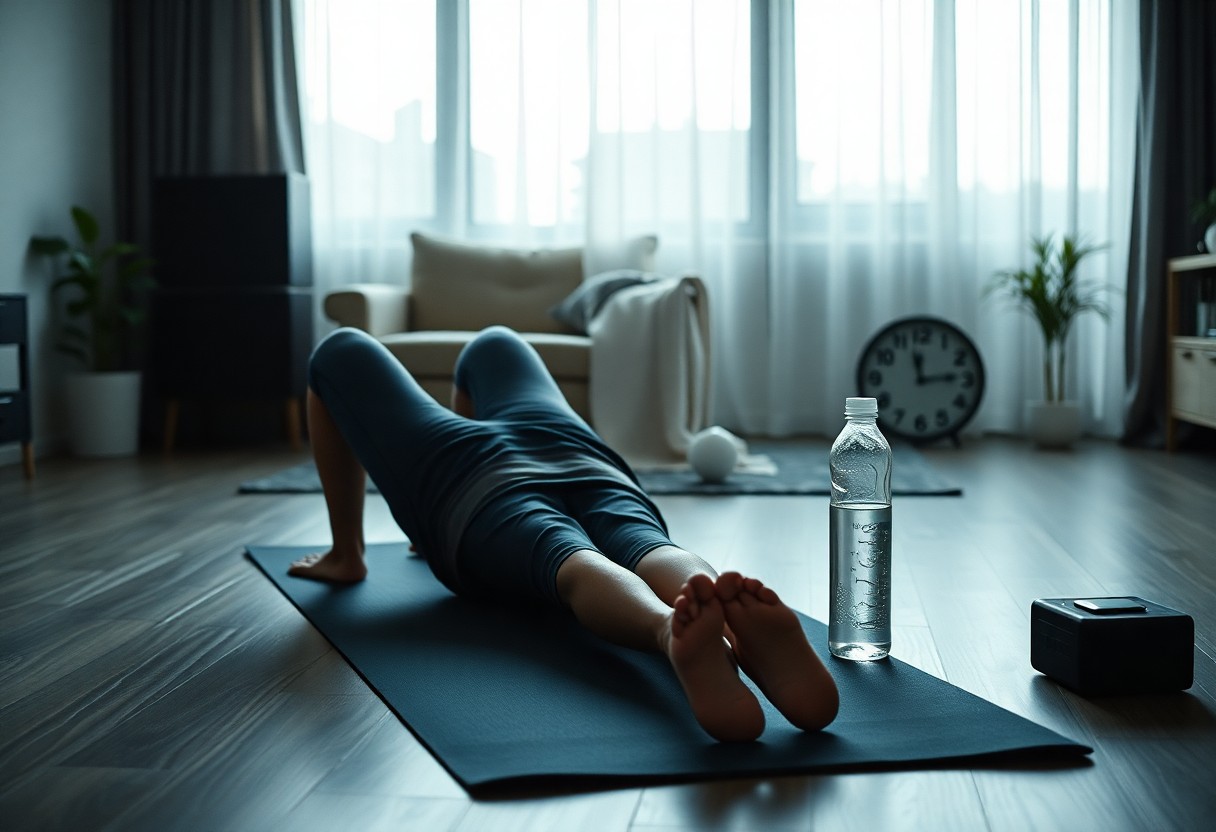
Home workouts offer a range of benefits that enhance your fitness journey. They provide flexibility in scheduling, allowing you to exercise at your convenience, and they can boost adherence to a fitness routine. By creating a familiar, comfortable environment, you may find it easier to stay consistent. Additionally, you can tailor your workouts to fit your personal preferences without the distractions of a gym setting, making it a personalized fitness experience.
Convenience
Working out at home eliminates travel time, enabling you to fit exercise into your daily routine seamlessly. You can work out during lunch breaks, early mornings, or whenever you have free time. This flexibility is particularly beneficial for individuals with busy schedules, as it offers the opportunity to prioritize fitness without the additional barrier of going to a gym.
Cost-Effectiveness
Home workouts significantly reduce costs typically associated with gym memberships, travel expenses, and purchasing equipment. Since you rely on bodyweight movements, you can exercise effectively without investing in expensive gear or facilities. Free workout videos and apps are widely available, making fitness accessible to everyone regardless of financial constraints.
Many gyms charge monthly fees ranging from $30 to over $100, not including additional costs for classes or personal trainers. By opting for home workouts, you eliminate these recurring expenses. You can utilize online resources, such as YouTube channels and fitness apps, to discover a variety of workout routines for free. This cost-effectiveness not only allows you to save money but also enables you to focus on maintaining a consistent workout schedule without financial pressure.
[related_posts_banner]Getting Started with Bodyweight Exercises
Bodyweight exercises are a fantastic way to kick off your fitness journey. They require no special equipment and can be done anywhere, making them accessible for everyone. Start with basic moves that focus on different muscle groups, gradually increasing intensity as you progress. Finding a routine that fits into your schedule will help maintain consistency, which is key to seeing results.
Warm-Up Routine
A proper warm-up prepares your body for exercise by increasing your heart rate and loosening your muscles. Spend 5-10 minutes on dynamic stretches like arm circles, leg swings, and side lunges to get blood flowing. This not only reduces your risk of injury but also enhances your overall workout performance. Engaging in a warm-up sets the foundation for your bodyweight exercises.
Safety Tips
Prioritizing safety ensures you get the most from your bodyweight workouts. Always listen to your body and start with beginner-friendly exercises to avoid strain. Maintaining proper form is vital for effective workouts and minimizes the risk of injury. Gradually increase your workout duration and intensity as you become more comfortable.
- Use a firm surface for exercises.
- Stay hydrated before, during, and after workouts.
- Take breaks if you feel dizzy or fatigued.
- Ensure your workout area is free of obstructions.
- The key is to focus on form over speed.
Paying attention to your body’s signals can prevent injuries and support long-term fitness success. If you experience pain beyond normal muscle fatigue, stop the exercise and consult a professional. Having a workout buddy can also enhance safety by providing support and encouragement. Regularly adjusting your routine keeps your workouts fresh and effective.
- Consider cross-training to avoid overuse injuries.
- Wear appropriate footwear to support your movements.
- Stretch after workouts to promote recovery.
- The right precautions will enhance your fitness experience.
Beginner-Friendly Workouts
Starting your fitness journey can be simple and effective with beginner-friendly workouts. These routines focus on bodyweight exercises that are easy to learn and require no equipment. For guided sessions, explore Home workout videos that suit your skill level and help you stay motivated.
Squats and Lunges
Squats and lunges are excellent for building lower body strength. With squats, you engage your glutes, quads, and hamstrings, while lunges also work your calves and core stability. Start with basic bodyweight forms and gradually increase repetitions as you gain confidence and strength.
Push-Ups and Planks
Push-ups and planks are fundamental for upper body and core strength. Push-ups target your chest, shoulders, and triceps, while planks engage your entire core, improving stability and posture. Aim for modified versions of push-ups on your knees if needed, and hold the plank position for shorter durations as you build endurance.
For effective push-ups, keep your body straight and lower yourself until your chest almost touches the floor. Planks should have you resting on your forearms with your body in a straight line from head to heels. Start by holding each position for 20-30 seconds, gradually increasing the time as you get stronger. Incorporating both exercises into your routine will develop strong upper body and core stability, setting a solid foundation for future workouts.
Intermediate Home Workouts
As you progress in your fitness journey, incorporating intermediate home workouts can elevate your routine. These workouts challenge you physically and enhance stamina, strength, and coordination. Try exercises from The Beginner Bodyweight Workout: 20-Minute Routine … to kick things up a notch while using just your body weight to build muscle and improve overall fitness.
Burpees and Mountain Climbers
Burpees and mountain climbers are fantastic full-body workouts that boost your heart rate and improve endurance. Starting with burpees, you combine a squat, push-up, and jump, providing a powerful cardiovascular and strength challenge. Mountain climbers engage your core, arms, and legs while mimicking a running motion, which increases agility and coordination. Aim for three sets of 10-15 reps for both to maximize your workout effectiveness.
Jumping Jacks and High Knees
Jumping jacks and high knees are imperative exercises for warming up and elevating your heart rate. Jumping jacks activate multiple muscle groups and improve coordination, while high knees take it up a notch, engaging your core and improving leg strength. These exercises can be mixed into your routine as part of circuit training or used for a quick full-body workout.
Incorporating jumping jacks and high knees into your routine not only enhances your cardiovascular fitness but also boosts coordination and agility. Perform each exercise for 30 seconds with a short break in between to maintain intensity. You can adjust the duration as needed, gradually increasing it to challenge yourself further. Together, these exercises lay a solid foundation for more advanced moves and overall fitness.
Incorporating Cardio into Your Routine
Cardio is imperative for boosting your heart health and increasing endurance. By adding cardio workouts to your routine, you can burn calories more efficiently and improve your overall fitness level. Aim for at least 150 minutes of moderate cardio each week, which can easily be broken down into shorter sessions. This way, you can find activities you enjoy and stay motivated to keep moving.
Dancing and Jump Rope
Dancing and jump rope are fun ways to get your heart rate up. Dancing not only engages your entire body but can also lift your mood, making workouts feel less like a chore. Jumping rope, on the other hand, is an efficient calorie-burner that enhances coordination and agility. Both activities can be done at home without any special equipment, making them easily accessible for everyone.
Circuit Training
Circuit training combines cardio and strength exercises into short, intense bursts with minimal rest. This method not only keeps your heart rate elevated but also maximizes calorie burn. You can design a circuit with exercises like burpees, squats, and push-ups, performing each for 30-60 seconds, followed by a quick rest. Repeat the circuit several times for a comprehensive workout that can be adjusted to your fitness level.
Circuit training is incredibly versatile and can be tailored to fit any fitness goal. By mixing high-intensity moves with strength-based exercises, you create a well-rounded routine that challenges your entire body. You can structure your circuit based on time, reps, or specific muscle groups, ensuring diversity. Studies show that this combination results in improved cardiovascular health and increased muscle strength. Plus, you can perform circuits in as little as 20-30 minutes, making it easy to fit into your busy schedule.
Creating a Workout Schedule
Designing a consistent workout schedule helps you stay committed to your fitness goals. Start by determining how many days a week you can realistically dedicate to exercise, focusing on at least three to four days. Incorporate a mix of strength, cardio, and flexibility workouts. Utilize resources like the At-Home Circuit Workout — No Equipment Needed! to keep your routine varied and engaging.
Frequency and Duration
Aim for 30 to 60 minutes per session, depending on your fitness level and available time. If you’re just starting, even 20-minute workouts can be effective. Gradually increase frequency to five days a week as your stamina improves. Prioritize what fits into your schedule to sustain long-term adherence.
Setting Realistic Goals
Establishing achievable goals is important for staying motivated. Break down larger objectives into smaller, measurable targets. For example, aim to complete a specific number of workouts each week or gradually increase your workout duration. Monitoring your progress can sustain enthusiasm and encourage future efforts.
By setting realistic goals, you create a roadmap for your fitness journey. Instead of aiming for drastic changes, focus on gradual improvements, like increasing workout intensity or adding variety to your routine. Celebrating small wins reinforces your commitment and helps you remain consistent throughout your schedule.
Conclusion
The easy home workouts you can do without equipment provide a fantastic way to stay fit and healthy. By incorporating bodyweight exercises into your routine, you can build strength, improve flexibility, and enhance your overall well-being. These workouts require no special tools and can be done anywhere, making them accessible for everyone. You have the power to tailor your exercise routine to fit your lifestyle and goals. Start today, and you’ll see that staying active doesn’t have to be complicated or expensive.
FAQ
Q: What are some easy home workouts I can do without equipment?
A: You can try bodyweight exercises like push-ups, squats, lunges, and planks. Other options include mountain climbers, burpees, and leg raises. These exercises use your body weight for resistance and can be done in small spaces.
Q: How long should I work out at home without equipment?
A: Aim for at least 20 to 30 minutes per session. You can start with shorter workouts and gradually increase the time. It’s important to listen to your body and rest when needed.
Q: Can I get results from home workouts without weights?
A: Yes, you can achieve results with consistent bodyweight workouts. Focus on form, increase repetitions, and try different variations to challenge yourself. Combine these workouts with a balanced diet for better results.