Many home cooks are discovering the benefits of incorporating zucchini into their meals, as it offers a low-calorie, high-volume option for a healthier diet. By mastering various cooking techniques, you can create satisfying dishes that not only fill you up but also support your nutritional goals. From spiralizing to roasting, you’ll learn how to transform this versatile vegetable into delicious meals that enhance your culinary repertoire. Embrace these methods to enjoy flavorful, guilt-free plates that make the most of your ingredients and delight your taste buds.
Key Takeaways:
- Utilizes zucchini as a primary ingredient to create low-calorie dishes.
- Emphasizes high-volume cooking methods that enhance the texture and flavor of zucchini.
- Encourages creativity in meal preparation by incorporating various seasonings and cooking techniques.
Understanding Zucchini
Zucchini, often regarded as a versatile summer squash, boasts a mild flavor that allows it to blend seamlessly into various dishes. Its high water content, coupled with a low-calorie profile, makes it an excellent choice for those looking to add volume to meals without significantly increasing calorie intake. Available in several varieties, you can select from green, yellow, or even striped zucchini, each bringing a unique touch to your culinary creations.
Nutritional Profile
A 100-gram serving of zucchini contains only 17 calories, 1.2 grams of protein, and 3.1 grams of carbohydrates, making it a fantastic option for low-calorie diets. This squash is rich in vitamins A and C, potassium, and magnesium. You also benefit from dietary fiber, which promotes digestive health, with about 1 gram per serving. Including zucchini in your diet enhances nutritional diversity with minimal calories.
Health Benefits
Zucchini offers numerous health benefits that can positively impact your overall well-being. It’s an excellent source of antioxidants, which help combat free radicals in the body. The soluble fiber found in zucchini can aid in maintaining healthy digestion and potentially controlling blood sugar levels, making it suitable for individuals with diabetes. Furthermore, its high potassium content supports heart health by regulating blood pressure levels.
The antioxidants in zucchini, including lutein and zeaxanthin, promote eye health, potentially reducing the risk of age-related macular degeneration. Its low glycemic index means it won’t spike your blood sugar, making it an ideal choice for weight management and metabolic health. Additionally, the moisture-rich texture can enhance hydration levels in your body, benefiting skin health and overall vitality. By incorporating zucchini into your meals, you can enjoy these health advantages while keeping your calorie intake in check.
Low-Calorie Cooking Techniques
Effectively reducing calories while maintaining volume in your meals involves employing specific cooking techniques that enhance the natural flavors and textures of ingredients. These methods can be easily integrated into everyday cooking, allowing you to enjoy satisfying portions without excess calories.
[related_posts_banner]Steaming and Blanching
Steaming and blanching are two effective techniques that preserve the color, flavor, and nutritional value of vegetables. Steaming requires minimal to no added fat, allowing you to enjoy the natural taste of zucchini and other veggies while keeping calorie counts low. Blanching briefly cooks vegetables and then quickly cools them in ice water, maintaining their vibrant colors and crunchy textures, making them ideal for salads or light dishes.
Spiralizing and Ricing
Spiralizing and ricing transform vegetables into versatile alternatives to traditional pasta or grains. Zucchini can be spiralized into noodles or riced to create a low-calorie base for meals. This technique not only reduces caloric intake but also increases your vegetable consumption, contributing to a more nutrient-dense diet.
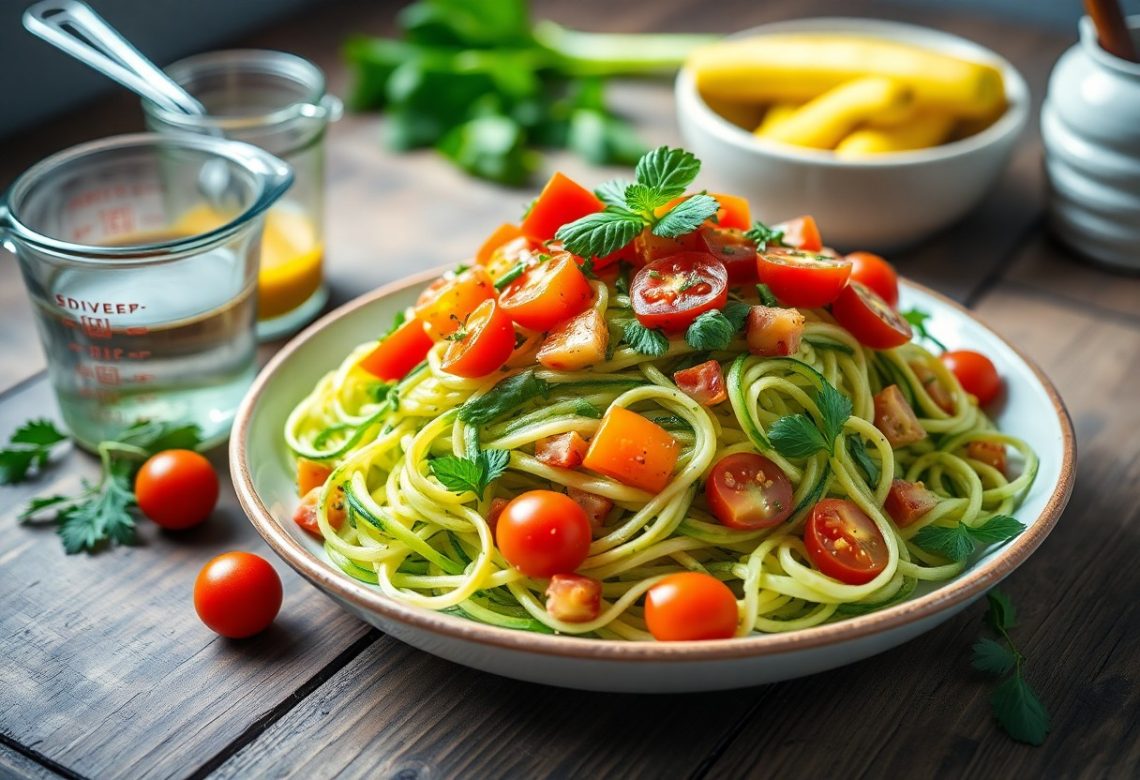
By spiralizing zucchini into noodles, you can create dishes like zucchini spaghetti that have a fraction of the calories of traditional pasta. Ricing cauliflower or zucchini creates a fluffy, grain-like consistency perfect for stir-fries or as a side dish. For instance, one cup of spiralized zucchini contains about 20 calories, compared to the 200 calories present in a cup of cooked spaghetti. This dramatic difference allows you to enjoy larger portions, providing satisfaction without the calorie overload, making it easier to adhere to a low-calorie diet.
High-Volume Meal Prep
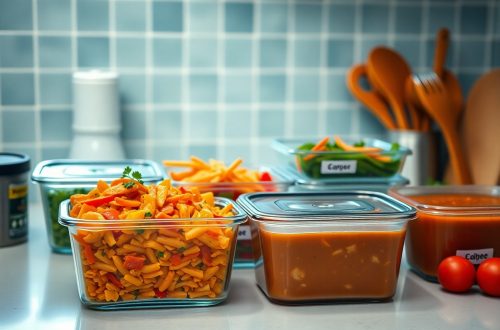
High-volume meal prep allows you to create filling, low-calorie dishes in bulk, ensuring you always have healthy options on hand. This approach helps streamline your cooking process, saves time during the week, and maximizes the nutrition in your meals. By focusing on low-calorie ingredients, you can prepare a variety of satisfying meals that keep your calorie intake in check while still satisfying your hunger.
Bulk Cooking Strategies
To maximize your meal prep, utilize bulk cooking strategies such as roasting, steaming, and stir-frying. Opt for large batches of low-calorie staples like zucchini, cauliflower, and leafy greens that can be easily portioned out. Incorporating versatile grains, like quinoa or brown rice, helps stretch meals further. Cooking in large quantities not only saves time but also makes it easier to experiment with different spices and flavors, keeping your meals exciting.
Meal Ideas and Recipes
Explore various meal ideas that highlight zucchini’s versatility and low-calorie profile. Combine spiralized zucchini with marinara sauce for a hearty pasta alternative or create stuffed zucchini boats filled with lean protein and veggies. You might also try blending zucchini into smoothies for added volume without significantly increasing calories. Simple recipes like these make it easy to maintain an enjoyable, nutritious meal plan.
For an effective meal prep routine, aim to incorporate dishes like zucchini fritters or savory zucchini muffins into your weekly lineup. These can be made in bulk and stored for quick snacks or lunches. You can also prepare a zucchini and bell pepper stir-fry to serve with a protein of choice, creating a filling meal that’s easy to reheat. Consider making a cold zucchini salad with herbs and a light dressing for those warmer days, ensuring variety throughout the week while sticking to your low-calorie goals.

Flavoring Zucchini Dishes
Enhancing the flavor of zucchini dishes can transform your meals without adding significant calories. Utilizing a variety of herbs, spices, and sauces allows you to customize the taste to your liking. For inspiration, check out how I Asked 3 Farmers the Best Way To Cook Zucchini—They … to elevate your zucchini recipes.
Herbs and Spices
Fresh herbs like basil, parsley, and thyme pair beautifully with zucchini, amplifying its natural flavors. You can experiment with spices such as paprika, garlic powder, or even a pinch of red pepper flakes for an added kick. These enhancements can create a vibrant taste profile while keeping your calorie counts low.
Sauces and Dressings
Choosing the right sauces and dressings can dramatically increase the flavor of your zucchini dishes. A light drizzle of balsamic reduction, a zesty vinaigrette, or a splash of soy sauce can transform a simple sauté into an enticing meal. Opt for homemade or low-calorie options to keep your dishes healthy yet flavorful.
To further enhance your zucchini, consider using sauces like tzatziki or a yogurt-based dressing, which adds creaminess without excess calories. Mixing a bit of lemon juice and olive oil can also create a bright, refreshing flair. You could even try a spicy peanut sauce for a fusion twist. Each sauce can uniquely complement various cooking methods and ingredients, making your zucchini dishes an endless canvas for creativity.
Combining Zucchini with Other Ingredients
Combining zucchini with other ingredients elevates its culinary potential, allowing you to create dishes that are both satisfying and flavorful. Whether you’re blending textures or introducing contrasting tastes, pairing zucchini correctly can enhance your meal while keeping it low in calories. Consider the balance of flavors and nutrient content to maximize health benefits and enjoyment.
Pairing with Proteins
Integrating proteins with zucchini is an excellent way to create balanced meals that sustain energy and fullness. Lean options like grilled chicken, turkey, or tofu work well, as they complement zucchini’s mild taste and boost the dish’s protein content. This ensures you not only meet your nutritional needs but also enjoy a satisfying eating experience.
Incorporating Whole Grains
Whole grains and zucchini are a match made in culinary heaven. Zucchini’s moisture can enhance the texture of grain-based dishes like quinoa or farro, while adding vitamins and fiber. Combining cooked zucchini with grains creates a hearty base for salads, bowls, or side dishes, providing important nutrients and keeping calories in check.
Incorporating whole grains into your meals with zucchini adds more than just volume; it introduces a diverse range of flavors and textures. For example, try mixing spiralized zucchini into a warm quinoa salad with black beans, diced peppers, and a zesty lime dressing. This combination not only increases the nutritional quality but also makes your dish visually appealing and satisfying. Whole grains like bulgur or brown rice can also be mixed with sautéed zucchini for a delicious risotto-style side. By being creative with your grains and incorporating zucchini, you can easily increase your meal’s fiber content, promoting better digestion and long-lasting energy.

Storage and Preservation
Taking proper steps in storage and preservation maximizes the freshness and nutritional value of your zucchini. When handled correctly, you can extend the life of your harvest or grocery store finds, ensuring you always have an ingredient ready for your low-calorie, high-volume recipes. Optimize flavor and texture by utilizing techniques suited to your cooking style and usage plans.
Refrigeration and Freezing
For short-term storage, refrigeration is your best bet, as fresh zucchini can last up to a week in a plastic bag in the crisper drawer. If you want to preserve your zucchini for longer periods, blanching it briefly before freezing stops enzyme actions that can cause loss of flavor and texture, allowing for a shelf life of up to 12 months. Pack the blanched zucchini in airtight freezer bags for optimal results.
Dehydrating Zucchini
Dehydrating zucchini is an excellent way to create a versatile ingredient that you can use in various dishes, from soups to snacks. When dried, zucchini retains a concentrated flavor and can easily be rehydrated for cooking or enjoyed as crunchy chips. This technique preserves imperative nutrients while reducing bulk, making it perfect for storage.
To dehydrate zucchini, start by slicing it into even pieces, ideally about ¼ inch thick. You can sprinkle the slices with sea salt or seasoning for added flavor. A dehydrator or an oven set at a low temperature can effectively remove moisture, typically taking 4 to 6 hours until the slices are crisp. Once thoroughly dried, store the zucchini in airtight containers in a cool, dark place. This technique not only enhances your zucchini’s shelf life but also allows you to create nutritious snacks that are low in calories while high in fiber, perfect for mindful eating.
Summing up
With this in mind, you can confidently embrace zucchini as a versatile ingredient in your low-calorie, high-volume cooking repertoire. By employing techniques such as spiralizing, grilling, or baking, you produce satisfying dishes that fill your plate without overwhelming your calorie count. This approach not only enhances the nutritional value of your meals but also encourages creativity in the kitchen. Incorporating zucchini into your diet enables you to enjoy flavorful, refreshing dishes while maintaining a healthy lifestyle, ensuring you remain satisfied and energized.