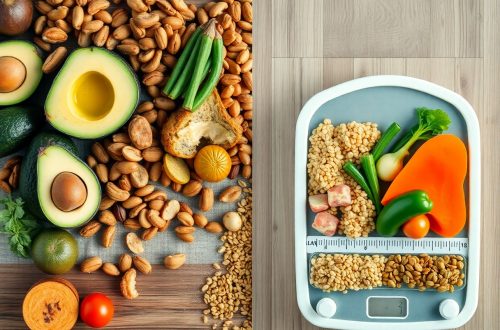
There’s a common misconception that crash diets are a quick fix for weight loss. However, you may find that these extreme measures often lead to disappointing results and long-term setbacks. In this post, we will explore the fundamental reasons behind crash diet failures and provide you with practical strategies to ensure sustainable weight loss without falling into the same traps. By understanding the pitfalls, you can develop a healthier approach that supports your goals while promoting your well-being.
Key Takeaways:
- Cramming too much weight loss into a short time often leads to rebound weight gain.
- Many crash diets are overly restrictive, making them hard to stick with long-term.
- Healthy, sustainable eating habits create better results than quick-fix solutions.

Understanding Crash Diets
Crash diets are extreme dietary plans designed for rapid weight loss over a short period. They often involve severe calorie restrictions and unbalanced nutrition, making them difficult to maintain. While they promise quick results, the long-term implications can lead to health issues and weight regain.
What Are Crash Diets?
Crash diets are short-term dietary strategies that drastically limit your caloric intake, often below 1,200 calories per day. These diets may promote rapid weight loss but typically lack necessary nutrients necessary for overall health. Consequently, they can lead to a host of physical and psychological issues.
Common Types of Crash Diets
Several common crash diets exist, each with distinct approaches but similar stringent restrictions. Popular types include low-carb diets, the juice cleanse, and meal replacement plans. Despite different methods, all these diets share a common theme of extreme calorie deficiency.
| Type of Crash Diet | Description |
|---|---|
| Low-Carb Diet | Restricts carbohydrate intake to promote fat burning. |
| Juice Cleanse | Involves consuming only fruit and vegetable juices for a set period. |
| Intermittent Fasting | Cycles between eating and fasting periods. |
| Meal Replacement Plans | Replaces one or more meals with shakes or bars. |
| Very Low-Calorie Diets (VLCD) | Limits daily intake to 800 calories or less. |
These crash diets often promise rapid weight loss, but their sustainability is dubious. Individuals may lose weight quickly; however, the restrictive nature can lead to a nutritional deficit, fatigue, and obsession with food. Additionally, the potential for regaining the lost weight is high once normal eating patterns resume.
[related_posts_banner]- Low-Carb Diet
- Juice Cleanse
- Intermittent Fasting
- Meal Replacement Plans
- VLCD (Very Low-Calorie Diet)
| Type of Crash Diet | Typical Duration |
|---|---|
| Low-Carb Diet | Several weeks |
| Juice Cleanse | 3-10 days |
| Intermittent Fasting | Ongoing |
| Meal Replacement Plans | 4-12 weeks |
| VLCD | Up to 12 weeks |

Why Crash Diets Fail
Crash diets often lead to temporary weight loss but rarely produce lasting results. Severe calorie restrictions can disrupt your metabolism, causing your body to enter starvation mode. When this happens, your body burns fewer calories and conserves energy, making it even harder to maintain weight loss. This cycle of gain and loss creates frustration and may diminish your overall health, counteracting any initial benefits of rapid weight loss.
Physical Effects of Crash Dieting
Your body undergoes significant strain during crash dieting. Rapid weight loss can lead to muscle loss, nutritional deficiencies, and fatigue. Additionally, hormonal imbalances may arise, affecting everything from mood to hunger signals. Such physical repercussions can make it challenging to sustain any weight loss achieved through extreme dieting.
Psychological Impact
Following a crash diet can lead to increased anxiety and stress around food choices. You may become overly fixated on calories and food types, creating a negative relationship with eating. Binge-eating often results from the restrictions, as you might feel deprived and eventually give in to cravings. This cycle can affect your self-esteem and overall mental well-being.
The psychological toll of crash dieting is significant, often manifesting in obsessive thoughts about food and body image. Prolonged restriction can cause feelings of guilt or shame when indulging, leading to disordered eating tendencies. Studies indicate that individuals on crash diets have a higher likelihood of developing eating disorders. It’s vital to prioritize a balanced approach to nutrition that nurtures both your physical and mental health.
Key Factors Behind Crash Diet Failures
Crash diets often undermine your long-term weight loss efforts. Key factors include:
- Nutritional deficiencies
- Unsustainable goals
- Mental and emotional challenges
Perceiving these factors can help you make more informed and lasting changes to your eating habits.
Nutritional Deficiencies
Nutritional deficiencies occur when you restrict necessary food groups, leading to a lack of vitamins, minerals, and other nutrients. This can result in fatigue, weakened immunity, and other health issues. Focusing on a balanced diet rather than extreme restrictions helps maintain your overall well-being while losing weight.
Unsustainable Goals
Setting unrealistic goals often leads to disappointment and failure. If you aim to lose 20 pounds in a month, the sudden stress can lead to burnout. Short-term targets may not align with your lifestyle, making it challenging to stay committed. This can trigger feelings of frustration, resulting in a complete return to old eating habits.
When you establish sustainable goals, you’re more likely to maintain progress. Instead of aiming for rapid weight loss, consider smaller, attainable objectives, like losing one pound a week. This approach not only promotes healthy habits but also allows your body to adjust gradually. Developing a positive mindset around your journey can make a significant difference in achieving and maintaining your desired weight.
How to Avoid Crash Diets
To steer clear of crash diets, focus on building a balanced lifestyle that promotes gradual weight loss. Educate yourself on nutrition and develop a flexible eating plan instead of restrictive diets. You can start by learning about The Risks of the Crash Diet, which highlights the dangers involved in these extreme approaches.
Tips for Healthy Eating
Adopting healthy eating habits can transform your relationship with food. Prioritize whole, minimally processed foods and balance your meals with protein, healthy fats, and carbohydrates. Here are some tips:
- Eat more fruits and vegetables.
- Choose whole grains over refined grains.
- Stay hydrated with water instead of sugary drinks.
- Practice mindful eating to recognize hunger cues.
Assume that small, consistent changes lead to sustainable results.
Developing a Sustainable Diet Plan
Creating a diet plan that you can maintain is vital for long-term success. Incorporate all food groups and consider your activity level when determining calorie intake. Tracking your meals can help you stay accountable and identify patterns in your eating behavior. Focus on incorporating foods you enjoy, which can make the process enjoyable rather than a chore. Tailor your plan to include realistic goals and adjustments along the way, ensuring it fits seamlessly into your lifestyle.
Healthy Weight Loss Strategies
Adopting healthy weight loss strategies involves balancing nutrition, exercise, and mental well-being. Focus on whole foods, including fruits, vegetables, lean proteins, and whole grains, which provide vital nutrients without excessive calories. Educate yourself on portion sizes and mindful eating to avoid overeating. To learn more about sustainable weight loss, check out Why Most Diets Fail – And What to Do Instead.
Setting Realistic Goals
Establishing realistic goals is key to maintaining motivation and achieving sustainable weight loss. Rather than aiming for drastic changes, set achievable targets, such as losing 1-2 pounds per week. Break your goals into smaller milestones, like increasing daily steps or incorporating more vegetables into your diet. This approach helps you stay focused and motivated throughout your journey.
Incorporating Exercise
Integrating regular exercise into your routine can significantly enhance your weight loss efforts. Aim for at least 150 minutes of moderate aerobic activity each week, such as brisk walking or cycling. Strength training is also vital; it builds muscle, which boosts metabolism and aids in fat loss. Choose activities you enjoy to make it easier to stay consistent.
Consistency in exercise yields long-term benefits for both weight loss and overall health. Engaging in a mix of cardiovascular and strength-building workouts creates a balanced regimen. For example, combine three days of cardio with two days of strength training. Incorporate flexibility exercises to improve your range of motion and reduce injury risk. Finding a workout buddy or joining classes can also increase motivation and make exercising more enjoyable.
Maintaining Long-Term Success
Sustaining weight loss requires patience and commitment to a balanced lifestyle. Instead of seeking quick fixes, focus on creating a sustainable routine that prioritizes nutritious foods and regular exercise. Resources like 10 Diet Mistakes and How to Avoid Them can help you identify common pitfalls that may derail your journey. By integrating consistent habits, you set the groundwork for ongoing success.
Building Healthy Habits
Healthy habits form the backbone of lasting weight management. Start small by incorporating more fruits and vegetables into your meals and scheduling regular physical activity. Gradually expand these habits, ensuring they fit your lifestyle. Consistently practicing these changes creates a strong foundation that supports your long-term goals.
The Role of Support Systems
A strong support system significantly enhances your weight loss journey. Surround yourself with friends, family, or online communities that encourage and motivate you. Sharing your goals with others not only provides accountability but also fosters a sense of belonging, making the process more enjoyable.
Support systems can range from your immediate circle to professional networks, like dietitians or fitness trainers. Engaging in group activities or online forums can offer valuable insights and emotional backing. These connections remind you that you’re not alone in your experience, making it easier to navigate challenges. Studies show that individuals with strong social support are more likely to stick to their weight loss plans and achieve their goals.
To wrap up
Presently, understanding why crash diets fail can empower you to make smarter choices about your nutrition and health. These extreme diets often lead to quick results but are unsustainable and can harm your body. To avoid their pitfalls, focus on balanced eating habits, gradual weight loss, and consistent lifestyle changes. Seek guidance from health professionals and prioritize your wellbeing over short-term gains. By fostering a healthy relationship with food, you can achieve lasting results and maintain a better quality of life.
FAQ
Q: Why do crash diets fail to produce lasting results?
A: Crash diets often restrict calories too much and eliminate vital nutrients. This leads to a cycle of rapid weight loss followed by regaining weight once the diet ends. The body reacts by slowing down metabolism, making it harder to lose weight in the future.
Q: What are the common pitfalls of crash diets I should avoid?
A: Common pitfalls include overly restrictive eating, skipping meals, and not incorporating physical activity. These practices can lead to nutrient deficiencies and an unhealthy relationship with food. It’s important to maintain a balanced diet that includes a variety of foods.
Q: How can I effectively lose weight without resorting to crash diets?
A: Focus on gradual, sustainable changes like eating whole foods, practicing portion control, and staying active. Setting realistic goals and making lifestyle adjustments will support long-term weight management without the risks of crash dieting.