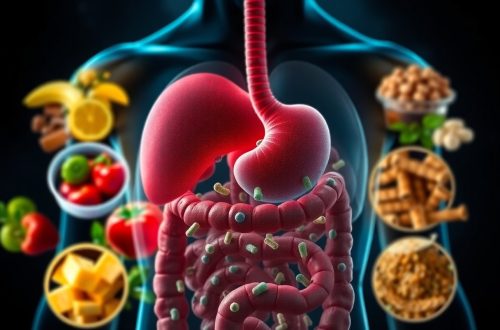
Just when you think you’ve tried everything to shed that stubborn weight around your midsection, consider the role of vitamin D deficiency in your journey. Emerging research indicates that low levels of this crucial nutrient may be linked to increased fat storage, particularly in your abdominal area. By understanding how vitamin D impacts your metabolism and overall health, you can make informed decisions to support your weight loss efforts and improve your well-being.
Key Takeaways:
- Vitamin D deficiency may be linked to increased fat accumulation around the midsection.
- Low vitamin D levels can affect metabolism and fat storage, potentially leading to weight gain.
<liSupplementing vitamin D may support weight loss efforts, particularly in individuals with a deficiency.
Understanding Vitamin D
What is Vitamin D?
Vitamin D is a fat-soluble vitamin that plays a vital role in various bodily functions, primarily in maintaining bone health and supporting the immune system. It is unique among vitamins because your body can produce it when your skin is exposed to sunlight, specifically ultraviolet B (UVB) rays.
Sources of Vitamin D
You can obtain Vitamin D from several sources, including sunlight, dietary intake, and supplements. Fatty fish, fortified foods, and egg yolks are among the most beneficial dietary options, while safe sun exposure remains a primary natural source.
Dietary sources include salmon, mackerel, tuna, and fortified products such as milk and breakfast cereals. For individuals in regions with limited sunlight, supplements may become necessary to achieve recommended levels, particularly during winter months or for those with darker skin, which absorbs UVB rays less efficiently.
The Role of Vitamin D in the Body
Vitamin D plays an important role in calcium absorption, which is vital for maintaining strong bones and teeth. Additionally, it influences muscle function and immune response, helping to protect against chronic diseases.
Research indicates that adequate Vitamin D levels may reduce the risk of conditions like obesity, type 2 diabetes, and heart disease by modulating inflammation and insulin sensitivity. This highlights its significance not only for bone health but also for overall metabolic health, making it particularly relevant for those struggling with stubborn weight around the midsection.
[related_posts_banner]
Vitamin D Deficiency
Causes of Vitamin D Deficiency
Vitamin D deficiency can arise from several factors, including inadequate sunlight exposure, certain medical conditions, and dietary insufficiency. People living in northern latitudes, those who spend most of their time indoors, or individuals with darker skin may particularly struggle to maintain optimal levels. Furthermore, gastrointestinal disorders can impair absorption, while obesity can sequester vitamin D in fat tissue, making it less available for your body.
Symptoms of Vitamin D Deficiency
Common symptoms of vitamin D deficiency include fatigue, bone pain, muscle weakness, and mood changes. You might also notice increased susceptibility to infections or, in more severe cases, complications such as osteoporosis. These symptoms can vary significantly based on the severity of the deficiency.
In particular, fatigue can manifest in everyday tasks, leading to a decrease in overall productivity. You may also experience bone pain as a result of weakened bone health, which can further contribute to feeling sluggish. Mood changes, such as feelings of sadness or irritability, often accompany insufficient vitamin D levels, impacting your overall mental well-being.
Prevalence of Vitamin D Deficiency
Vitamin D deficiency is more common than you might think, affecting nearly 1 billion people worldwide. Studies indicate that up to 42% of adults in the United States alone have insufficient levels, often without being aware of it. Certain populations, such as the elderly or those with obesity, face even higher rates.
Geographical location and lifestyle choices significantly influence prevalence rates. For instance, individuals in sunny regions often have better access to natural sources of vitamin D, while those in urban environments may find limited sunlight exposure due to tall buildings. Additionally, various health conditions can increase your risk, highlighting the importance of regular screening and awareness of your vitamin D status.
The Connection Between Vitamin D and Weight
How Vitamin D Affects Metabolism
Vitamin D plays a significant role in your metabolism by influencing how your body processes fats and carbohydrates. It enhances insulin sensitivity, which helps regulate blood sugar levels and can prevent fat accumulation. Studies have shown that adequate levels of vitamin D may lead to improved metabolic function, supporting weight management goals.
Vitamin D’s Role in Fat Storage and Distribution
Your body’s ability to manage fat storage and distribution is influenced by vitamin D levels. Research indicates that lower levels of this vitamin are associated with increased body fat and larger waistlines. Specifically, a study found that individuals with higher amounts of visceral fat are more likely to have lower vitamin D levels, suggesting that vitamin D deficiency may contribute to an undesirable fat distribution pattern. Larger waistlines are linked to higher risk of vitamin D deficiency.
The Impact of Vitamin D on Appetite Regulation
Your appetite regulation can also be affected by vitamin D levels, as it plays a role in the production of hormones related to hunger. Low vitamin D levels may disrupt the balance of these hormones, potentially leading to increased cravings and overeating. Enhancing your vitamin D status might aid in better appetite control, making it easier to manage your weight.
Research suggests that vitamin D influences the hormones leptin and ghrelin, which help regulate hunger and fullness signals. When vitamin D levels are insufficient, you may experience heightened hunger, making it harder to stick to a weight management plan. Increasing your vitamin D intake could help normalize these hormone levels, assisting in better appetite management and supporting your weight goals.
Midsection Weight and Health Risks
Understanding Stubborn Belly Fat
Stubborn belly fat can be a frustrating issue for many. Factors such as genetics, diet, hormone levels, and lifestyle choices contribute significantly to where your body stores fat. Specifically, visceral fat, which accumulates around your organs, can be particularly persistent and harmful, often linked to inadequate vitamin D levels. Studies, such as those found in low vitamin D tied to belly fat and weak muscles in women, have illustrated this connection, reinforcing the need to maintain sufficient vitamin D levels for overall health and weight management.
Health Risks Associated with Excess Midsection Weight
Excess weight around your midsection poses numerous health risks, including increased chances of cardiovascular disease, type 2 diabetes, and certain cancers. As abdominal fat releases pro-inflammatory substances, it heightens systemic inflammation, leading to complications such as insulin resistance. Understanding these risks emphasizes the importance of not only managing weight but also paying attention to nutritional adequacy, including vitamin D levels.
The connection between abdominal obesity and health risks is profound. For instance, individuals with a higher waist circumference often experience elevated blood pressure and cholesterol levels, heightening the threat of heart disease. The American Heart Association recognizes that reducing midsection weight can significantly decrease these risks, making it imperative for you to adopt healthier lifestyle choices that include regular physical activity and a balanced diet rich in nutrients, including adequate vitamin D.
The Role of Inflammation in Stubborn Weight
Inflammation plays a significant role in your body’s ability to lose stubborn weight, particularly in the abdominal area. Chronic low-grade inflammation can interfere with fat metabolism and hormone regulation, impeding your weight loss efforts. Elevated inflammatory markers are often associated with vitamin D deficiency, suggesting that optimizing your vitamin D levels may help in mitigating this issue.
This connection between inflammation and weight gain is more than just theoretical. Research indicates that as body fat increases, particularly visceral fat, so does the production of inflammatory cytokines. These substances create a vicious cycle where inflammation leads to weight gain, which in turn exacerbates inflammation, making it vital for you to address both dietary and lifestyle factors, including vitamin D intake, to break this cycle effectively.

Research Studies on Vitamin D and Weight Management
Overview of Key Studies
Numerous studies explore the relationship between vitamin D levels and weight management. A significant study published by Fred Hutchinson Cancer Research Center revealed that individuals undergoing weight loss often experienced a marked increase in vitamin D levels, suggesting a link between the two factors. You can read more about it in their article, Large weight loss can mean significant vitamin D gain.
Findings on Vitamin D Supplementation
Research indicates that vitamin D supplementation may enhance weight loss efforts. A systematic review found that individuals taking vitamin D supplements along with a calorie-restricted diet had greater weight loss compared to those not receiving supplementation. You could see more promising results by integrating vitamin D into your weight management routine.
One significant meta-analysis found that supplementation may lead to a reduction in body mass index (BMI) and waist circumference. In some cases, participants lost up to 6% of their total body weight solely through vitamin D supplementation in conjunction with their dietary changes. This suggests that optimizing your vitamin D levels could bolster your weight loss efforts.
Studies Linking Vitamin D and Waist Circumference
Several studies have established a correlation between vitamin D deficiency and increased waist circumference. Research shows that low serum vitamin D levels are associated with higher waist measurements, indicating that vitamin D might play a role in fat distribution, particularly around the abdomen.
The Framingham Heart Study highlighted that individuals with insufficient vitamin D had significantly larger waist circumferences compared to those with adequate levels. Additionally, this study found that vitamin D status could predict the likelihood of central obesity. By addressing your vitamin D levels, you may impact your waist circumference positively, potentially aiding in your overall weight management journey.

Strategies for Overcoming Vitamin D Deficiency
Dietary Changes to Increase Vitamin D Intake
Incorporating vitamin D-rich foods into your diet can significantly enhance your levels. Fatty fish like salmon, mackerel, and sardines are excellent sources, providing up to 570 IU per serving. Other options include fortified foods such as milk, orange juice, and cereals, which often contain added vitamin D. Egg yolks also offer a modest amount, so including these food items regularly can help you boost your intake naturally.
Sun Exposure Guidelines
Getting adequate sunlight is one of the most effective ways to increase your vitamin D levels. Aim for 10 to 30 minutes of sun exposure several times a week, depending on your skin type and location. Fair-skinned individuals may need less time than those with darker skin due to melanin’s effect on vitamin D synthesis. Always consider the time of day, as midday sun typically offers the most effective rays for vitamin D production.
During sunny months, spend around 15-20 minutes outdoors without sunscreen on your arms and legs, ideally between 10 a.m. and 3 p.m. However, be cautious of excessive exposure, as it increases the risk of skin damage. If you live in areas with limited sunlight, especially during winter, aim for longer outdoor time when possible to balance your vitamin D needs.
The Role of Supplements
If you struggle to maintain adequate vitamin D levels through diet and sun exposure, supplements can be a practical solution. Vitamin D3 (cholecalciferol) is the most effective form for supplementation, providing better results in raising levels compared to D2 (ergocalciferol). Consult your healthcare provider to determine the appropriate dosage based on your specific needs.
For those diagnosed with deficiency, dosages can range from 1,000 to 4,000 IU per day, depending on your individual requirements and medical advice. Regular blood tests allow you to monitor your levels and adjust your intake as necessary to optimize overall health and aid your weight management efforts.
To wrap up
Following this, it is important to recognize that vitamin D deficiency can significantly impact your body’s ability to manage weight, particularly around your midsection. By understanding the relationship between vitamin D levels and metabolic functions, you can take proactive steps to address any deficiencies through diet, sunlight exposure, or supplements. Enhancing your vitamin D status may help you achieve a healthier weight and improve overall wellness. Prioritizing this aspect of your health can lead to lasting changes in your body composition and energy levels.
FAQ
Q: How does vitamin D deficiency affect weight gain, particularly around the midsection?
A: Vitamin D deficiency can lead to an imbalance in hormones that regulate appetite and fat storage, particularly increasing the likelihood of gaining weight around the midsection. Studies suggest that low vitamin D levels are associated with higher levels of body fat and increased waist circumference.
Q: Can increasing vitamin D levels help in reducing stubborn belly fat?
A: Yes, increasing vitamin D levels through sunlight exposure, diet, or supplementation may assist in managing weight. Some studies have shown that repleting vitamin D can help in reducing body fat, particularly that around the abdomen, by improving metabolic processes.
Q: What are the best sources to increase vitamin D levels if I am deficient?
A: The best sources of vitamin D include fatty fish, fortified foods, egg yolks, and exposure to sunlight. In cases of significant deficiency, supplements may also be recommended to ensure adequate intake and improve overall health.