Health enthusiasts and experts alike emphasize the importance of maintaining an active lifestyle, and the 10,000 steps concept remains a powerful motivator for you. This goal not only fosters physical fitness but also promotes mental well-being, making it relevant in today’s fast-paced world. As you explore the benefits of walking, you’ll discover how this simple yet effective activity can transform your health, boost your mood, and enhance your overall quality of life. Dive into our top 10 reasons why hitting that step count is important for you.
Key Takeaways:
- The 10,000 steps goal encourages regular physical activity, promoting cardiovascular health and weight management.
- Walking offers mental health benefits, including reduced anxiety and improved mood, highlighting its holistic advantages.
- Setting achievable step goals can enhance motivation and adherence to an active lifestyle over time.
Health Benefits of Walking
Walking offers numerous health benefits that can enhance your overall well-being. By committing to a routine of 10,000 steps, you can improve your cardiovascular health, support weight management, and boost mental clarity. This accessible form of exercise fits easily into your day, making it an effective strategy for promoting long-term health.
Cardiovascular Improvements
When you engage in regular walking, your heart becomes stronger and more efficient. As you walk, your heart pumps blood more effectively, reducing the risk of heart disease. This increase in cardiovascular efficiency helps lower blood pressure and improve circulation, ensuring your body receives imperative nutrients and oxygen.
Weight Management
Incorporating walking into your daily routine is an effective way to manage your weight. As you burn calories through consistent activity, you help create a caloric deficit imperative for weight loss or maintenance. Walking also encourages muscle development and improves your metabolism, making it easier to maintain a healthy weight.
When you walk regularly, you may find it easier to regulate your appetite and make healthier food choices. The combination of burning calories and enhancing your metabolism can lead to sustainable weight loss over time. By establishing a routine of 10,000 steps, you support your weight management goals while enjoying an activity you can do almost anywhere.
Mental Health Positive Effects
Walking 10,000 steps a day contributes significantly to your mental well-being by reducing stress, improving mood, and enhancing overall cognitive function. Engaging in regular physical activity helps release endorphins, making you feel happier and more relaxed. For more insights, check out The fact and fiction of walking 10000 steps a day.
[related_posts_banner]Reduces Anxiety
Walking serves as a simple yet effective method to alleviate anxiety. When you make a habit of taking those steps each day, your body releases natural stress-relieving chemicals, which can help decrease feelings of apprehension and restlessness.
Enhances Mood
Walking boosts your mood by promoting the release of serotonin and endorphins, the brain’s feel-good chemicals. By incorporating regular walks into your routine, you can create a more positive outlook on life, making daily challenges feel more manageable.
This mood enhancement occurs due to several factors, including increased blood circulation, which delivers more oxygen to your brain. The rhythmic nature of walking can also provide a meditative quality, allowing you to clear your mind and focus on the present moment. Engaging with nature during your walks further amplifies these benefits, as the tranquil environment can be calming and rejuvenating for your mental state.
Social connections increase
Engaging in regular walking not only benefits your physical health but also enhances your social connections. The simple act of walking can lead to spontaneous interactions with neighbors or fellow walkers, fostering a sense of community and belonging. As you share experiences with others on your walking journey, you may find that these social bonds enrich your overall well-being, making your walks more enjoyable and motivating.
Walking groups
Joining a walking group can significantly amplify your social interactions. By participating in a group, you connect with individuals who share similar health goals, creating a supportive environment. These gatherings offer opportunities to explore your community while building friendships that encourage consistency in your walking routine.
Community engagement
Community engagement through walking allows you to be part of something larger than yourself. Whether it’s participating in local walking events or group walks at parks, you contribute to a collective effort that promotes health and well-being. These activities can help you discover hidden gems in your neighborhood and connect with others who are committed to leading an active lifestyle.
Engaging with your community through walking not only enhances your own experience but also supports local initiatives focused on health and wellness. Participating in organized walks can introduce you to local health resources, clubs, or advocacy efforts aimed at making communities more walkable. By actively participating, you strengthen your ties to your surroundings and become an advocate for a healthier lifestyle in your neighborhood.
Accessibility for Everyone
Walking is one of the most accessible forms of exercise, allowing you to include physical activity in your daily life regardless of your fitness level or circumstances. It requires no membership or particular skill, enabling you to engage at your own pace. With a simple pair of comfortable shoes, you can improve your health and well-being, making it truly available for everyone in all walks of life.
No Special Equipment
You don’t need any special equipment to start walking, making it an ideal activity for everyone. With just a good pair of walking shoes, you are ready to step outside and enjoy the benefits. This simplicity eliminates barriers that often prevent people from engaging in physical fitness. You can easily integrate walking into your day without the need for expensive gear or complicated setups.
Outdoor and Indoor Options
You can choose to walk outdoors in nature, around your neighborhood, or in parks, or you can walk indoors in your home, at a shopping mall, or even using a treadmill. Each environment offers unique benefits, allowing you to adapt your routine based on weather conditions or personal preference. Whether you prefer the tranquility of a nature path or the controlled setting of indoor spaces, walking remains an easy and effective option.
Walking outdoors allows you to enjoy fresh air and scenery, which can enhance your mood and motivation. Parks and trails often provide diverse landscapes that encourage exploration and longer distances. On the other hand, indoor walking eliminates environmental variables, providing a safe and consistent climate. Locations like shopping malls allow you to socialize while you walk, making it easy to incorporate physical activity into your routine, regardless of external conditions.
Step Counting Technology
As technology advances, tracking your daily steps has become more accessible and accurate. Step counting technology can now be found in various devices tailored to meet your fitness needs. From wearables to mobile apps, these tools provide you with real-time data, helping you stay motivated on your journey to reach the recommended 10,000 steps each day.
Wearable Devices
Wearable devices, such as smartwatches and fitness trackers, offer a convenient way to monitor your daily activity levels. Equipped with sensors, they accurately count your steps, track your heart rate, and even provide insights into your sleep patterns. By integrating this technology into your daily routine, you can easily assess your progress and set achievable fitness goals.
Mobile Applications
Mobile applications designed for step counting serve as a versatile tool in your fitness arsenal. They can track your daily steps, set personalized goals, and even connect you with a community of like-minded individuals. With user-friendly interfaces, these apps provide instant feedback and motivation, making it easier for you to stay engaged and focused on your activity targets.
Many mobile applications also offer features such as calorie tracking, route mapping, and reminders to help you stay on track. They often sync with wearable devices, allowing for an enhanced overview of your fitness journey. Furthermore, you can customize notifications to encourage you to move more throughout the day, reinforcing the importance of maintaining physical activity in your routine.
Setting Achievable Goals
To effectively incorporate walking into your routine, it’s important to set achievable goals tailored to your lifestyle. Start by assessing your current activity level and determine a realistic target that allows for gradual improvement. Emphasize consistency rather than perfection, enabling you to foster a sustainable walking habit that fits seamlessly into your daily life.
Gradual Increases
Begin by establishing a baseline for your current walking habits, then aim to gradually increase your daily step count. Small increments, such as adding 1,000 steps each week, can significantly enhance your endurance and motivation. This approach reduces the risk of burnout and injury, making your walking journey more enjoyable.
Personal Milestones
Identifying personal milestones provides you with tangible achievements that boost your motivation. These could range from reaching certain distance goals to participating in community walks. By breaking your main goal into smaller, measurable milestones, you’ll celebrate your progress regularly, reinforcing your commitment to a healthier, active lifestyle.
Tracking personal milestones not only enhances your motivation but also builds a sense of accomplishment. Consider using apps or journals to log your progress and reflect on your efforts. Celebrate each milestone, big or small, and allow these achievements to serve as reminders of your commitment to improve your walking habits. Engaging with your accomplishments creates a positive feedback loop, encouraging you to set and pursue even higher goals along your walking journey.
Works for All Ages
Walking is a universal activity that benefits individuals across all age groups. Regardless of your stage in life, aiming for 10,000 steps can enhance your physical and mental well-being. It fosters a healthy lifestyle, supports cardiovascular health, and allows you to connect with your environment. Embracing this goal can help you cultivate a consistent and enjoyable exercise routine tailored to your unique needs.
Children
For children, walking encourages active play and social interaction, promoting physical fitness and healthy development. By engaging in regular walking, you help your child build strong bones, improve coordination, and develop important social skills. Setting a goal of 10,000 steps can make daily activities more fun and appealing, instilling a lifelong love for movement.
Seniors
For seniors, maintaining mobility and independence is vital, and walking serves as an excellent low-impact exercise. By setting a goal of 10,000 steps, you can improve your balance, strengthen your muscles, and enhance your overall health. Walking not only helps manage chronic conditions but also boosts mental clarity and emotional well-being.
As you age, incorporating regular walking into your routine can significantly reduce the risk of falls, improve joint health, and promote better cardiovascular fitness. Dedicating time to reach your 10,000-step goal can foster a sense of accomplishment while enhancing social connections when walking with friends or family. Making walking a habit can lead to a more active, fulfilling lifestyle in your senior years.
Combating Sedentary Lifestyle
To combat a sedentary lifestyle, it’s imperative to integrate regular movement into your day. Prolonged sitting can lead to a variety of health issues, making it vital to prioritize activities that keep you engaged and moving. Adopting simple habits, like taking short walking breaks or standing during phone calls, can help reverse the effects of inactivity and improve your overall well-being.
Promotes Activity
Walking 10,000 steps a day encourages you to be more active throughout the day. This goal prompts you to seek opportunities to move, whether through brisk walks, joining fitness classes, or simply engaging in daily tasks that require more movement. By prioritizing these activities, you can enhance your fitness and boost your energy levels.
Counteracts Health Risks
Walking regularly helps counteract significant health risks associated with a sedentary lifestyle. By committing to your 10,000-step goal, you can lower your chances of developing chronic conditions, such as heart disease, obesity, and diabetes, while promoting better overall health.
Engaging in regular walking reduces the likelihood of chronic diseases that arise from inactivity. By maintaining your step count, you support heart health, improve insulin sensitivity, and manage your weight more effectively. Additionally, walking enhances circulation, strengthens muscles, and improves mental health, making it a powerful antidote to the negative effects of prolonged sitting. Incorporating movement into your daily routine is not just beneficial but imperative for maintaining long-term health and vitality.
Walking’s Versatility
Walking is a remarkably versatile form of exercise, adaptable to various contexts and lifestyles. Whether you’re strolling through a park, navigating city streets, or engaging in brisk laps around your neighborhood, you can easily incorporate walking into your routine. Its flexibility allows you to tailor your walking habits to fit your schedule, fitness level, and personal preferences, making it an accessible option for everyone.
Leisure Activity
When you choose walking as a leisure activity, you engage in a simple yet effective way to relax and connect with nature. This enjoyable exercise not only enhances your mood but also fosters social interactions, allowing you to bond with friends or family while improving your physical health.
Commute Alternative
Opting to walk instead of driving or taking public transport can significantly benefit your health and the environment. By incorporating walking into your daily commute, you not only increase your daily step count but also reduce stress and save money, creating a more sustainable lifestyle.
Walking as a commute alternative encourages you to rethink transportation habits. You may find that shorter distances are more walkable than you assumed, allowing you to integrate physical activity seamlessly into your day. By choosing to walk for your daily errands or to work, you enhance your physical fitness, decrease your carbon footprint, and save time often spent in traffic. Establishing this habit can lead to a healthier, happier you.
Environmental Benefits
Adopting a walking routine contributes significantly to environmental sustainability. As you choose walking over driving, you not only enhance your well-being but also promote a healthier planet. Each step taken reduces reliance on fossil fuels, leading to decreased air pollution and conserving valuable resources. By making walking a priority, you play an active role in nurturing the environment for future generations.
Reduced Carbon Footprint
When you walk instead of using a vehicle, you effectively lower your carbon footprint. This reduction in greenhouse gas emissions helps combat climate change and improves the overall air quality in your community. By making walking a daily habit, you contribute to a cleaner, healthier environment.
Less Traffic Congestion
Walking helps alleviate traffic congestion in urban areas. As you choose to walk for short distances, fewer cars are on the road, which results in smoother traffic flow. This shift not only decreases commute times for everyone but also lowers stress levels associated with driving in congested conditions.
Less traffic congestion directly benefits you by creating safer and more pleasant environments. With fewer vehicles on the road, pedestrian-friendly spaces become more accessible and enjoyable. You also contribute to a decline in noise pollution, leading to a more serene atmosphere. Overall, walking encourages community engagement, supports local businesses, and fosters a sense of connection, enhancing quality of life in your surroundings.
Walking Tourism Growth
Walking tourism has gained immense popularity as more travelers seek immersive experiences in nature and culture. By opting for walking trips, you engage with your surroundings in a way that enhances well-being, fosters genuine connections, and allows for a slower, more meaningful exploration of destinations. The growth of this trend highlights a shift in travel preferences toward sustainability and experiential learning.
Scenic Routes
Scenic walking routes offer you breathtaking landscapes and tranquil environments, enhancing your travel experience. When traversing these paths, you can fully appreciate the beauty of nature, from lush forests to stunning coastlines. This not only provides a visual delight but also promotes your physical wellness as you explore varied terrains.
Cultural Experiences
Embracing walking tourism allows you to immerse yourself in local cultures and traditions. As you stroll through villages and towns, you encounter authentic interactions, local cuisine, and unique customs that enrich your travel experience. This connection to the places you visit deepens your understanding and appreciation of diverse ways of life.
Cultural experiences through walking tourism can transform your journey into an insightful adventure. Each step you take brings you closer to the heart of a community, where you can participate in festivals, visit artisan workshops, or attend local culinary classes. These activities not only entertain but also foster a sense of belonging and appreciation for the heritage of the places you explore, creating lasting memories that resonate far beyond the trip.
Historical Significance of Walking
Throughout history, walking has been a fundamental aspect of human life, shaping our societies, cultures, and daily activities. From ancient migrations to the establishment of trade routes, the act of walking has enabled exploration, connection, and community building. Understanding this significance can enhance your appreciation for walking as not just a physical activity, but a profound part of human legacy.
Human Evolution
Your walking ability is deeply rooted in human evolution, representing a landmark adaptation that allowed our ancestors to thrive. Homo erectus, for instance, developed bipedalism, enabling long-distance travel, effective foraging, and increased social interaction, factors that fundamentally shaped human development.
Ancient Practices
In ancient cultures, walking was a daily norm and a vital mode of transportation. Communities relied on walking paths for trade, spiritual journeys, and social gatherings, making it an integral part of their existence. You can trace many rituals and traditions back to their origins in walking, highlighting its significance in human connection.
Walking in ancient practices also served as a form of exercise and a way to strengthen community bonds. Pilgrimages were common, where individuals launched on long walks to sacred sites, fostering a sense of purpose and shared spirituality. Festivals and markets were often structured around routes that encouraged pedestrian traffic, bringing people together and promoting commerce. By embracing walking in your own life, you can connect with these historical traditions and recognize the role of movement as a means of cultural expression.
Scientific Research Findings
Research consistently shows that walking 10,000 steps each day is linked to numerous health benefits. Engaging in this daily activity can improve cardiovascular health, enhance mental clarity, and boost overall well-being. As you incorporate walking into your routine, you can enjoy various positive outcomes supported by scientific evidence.
Numerous Studies
Numerous studies confirm that achieving the 10,000-step goal can lead to significant health improvements. Research indicates that those who consistently reach this target have lower incidences of chronic diseases, enhanced mood, and improved energy levels. By focusing on your step count, you can actively contribute to your physical and mental health.
Long-term Effects
Long-term adherence to a 10,000-step daily goal promotes sustainable health outcomes. You may experience lasting benefits such as weight management, reduced risk of diabetes, and improved cardiovascular health. This commitment to daily walking fosters a lifestyle that nurtures your body and mind.
Studies tracking individuals over several years highlight that those who maintain a routine of 10,000 steps not only reduce their risk of developing lifestyle-related diseases but also improve their mental resilience. Consistent daily walking can lead to stronger bones, increased flexibility, and better muscle tone, creating a foundation for a healthier, more active life. By prioritizing your step count, you can cultivate habits that lead to substantial long-term health benefits.

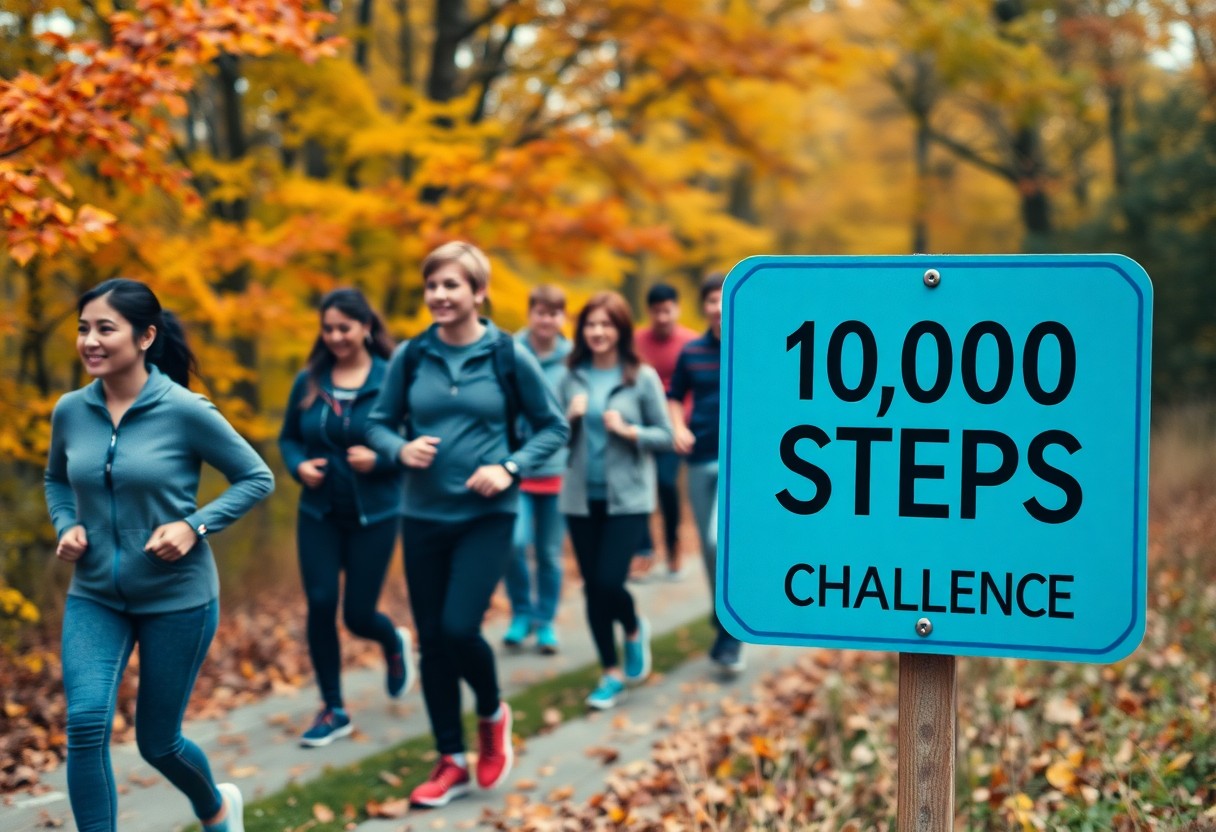
Community Walk Challenges
Participating in community walk challenges can significantly enhance your motivation and commitment to achieving your daily step goals. These events foster camaraderie, creating a shared purpose among participants. They not only encourage you to walk more but also help build friendships while promoting a healthier lifestyle within your community.
Encouragement
Engaging in community walk challenges provides you with a support system that encourages consistent goal attainment. When you join others, you’re surrounded by individuals who inspire you, share tips, and celebrate each other’s progress, making the journey toward 10,000 steps more enjoyable.
Shared Achievements
Celebrating shared achievements within a community highlights the power of collective effort. As you and your peers reach milestones, the sense of accomplishment grows. These moments reinforce your commitment to walking, reminding you that your efforts contribute to a larger movement towards health and wellness.
When you participate in community walk challenges, each shared achievement becomes a stepping stone towards greater goals. Celebrating these moments fosters a sense of belonging and motivates you to continue. You not only track your personal progress but also witness the strides made by others, creating a positive feedback loop that reinforces the importance of staying active. Embracing these collective successes can deepen your commitment to the 10,000-step goal and inspire ongoing participation in similar initiatives.
Walking for Children
Walking is important for children’s physical and mental development. It helps improve coordination, builds strength, and encourages a healthy lifestyle from a young age. Incorporating walking into your child’s daily routine fosters good habits that can last a lifetime. You can make walks exciting and engaging, which will instill a love for physical activity and exploration in your children.
Fun Activities
Transform walking into a game by incorporating fun activities. You can organize treasure hunts, nature walks, or themed adventures. These engaging experiences not only motivate your children to walk more but also spark their curiosity about the world around them. Adding creativity to walking makes it a delightful and memorable activity for your family.
Learning Experiences
Walking provides valuable learning opportunities that go beyond physical benefits. When you walk with your child, you can discuss various topics such as nature, environment, and even history. You can teach them to observe the world closely, fostering a sense of curiosity and encouraging questions. This interactive learning nurtures critical thinking and promotes a lifelong love for exploration.
As you walk together, seize the moments to engage your child in discussions about their surroundings. Point out different plants, animals, or landmarks, and encourage them to ask questions. You might share interesting facts about the history of a particular place you pass, or discuss the importance of conservation and respecting nature. These moments not only enhance their knowledge but also strengthen your bond as you explore and learn together.
Role in Aging
As you age, staying active becomes increasingly important for maintaining your well-being. Walking 10,000 steps a day supports various body systems, helping to reduce the risk of chronic illnesses and cognitive decline. This simple yet effective habit not only enhances your physical health but also fosters a sense of vitality, allowing you to embrace life fully as you navigate the aging process.
Maintains Independence
Regular walking helps you maintain your independence as you grow older. By enhancing your strength and balance, walking minimizes the risk of falls, enabling you to perform daily tasks without assistance. This sense of self-sufficiency positively impacts your self-esteem, allowing you to age gracefully and confidently.
Promotes Mobility
Walking consistently promotes better mobility, which is important for a high quality of life. As you engage in daily walks, you enhance your joint flexibility and muscle strength, making it easier to navigate various terrains. Improved mobility not only allows you to enjoy activities with friends and family but also reduces the chances of developing stiffness and other mobility-related issues.
When you walk regularly, your joints are lubricated, and your muscles stay conditioned, which helps to prevent stiffness and discomfort. This proactive approach to mobility can lead to enhanced coordination and balance, reducing the risk of injuries. By prioritizing walking in your daily routine, you ensure that your body remains agile, facilitating participation in social activities and maintaining a fulfilling lifestyle as you age.
Mindfulness in Walking
When you engage in walking with mindfulness, you bring your full attention to the experience, transforming a simple activity into a deeper practice. This means being aware of your breath, the rhythm of your steps, and the sensations in your body. As you focus on these elements, you’ll cultivate a greater sense of presence, allowing you to connect more fully with both yourself and your surroundings.
Connection with Nature
As you walk, take a moment to appreciate the natural world around you. Observing the colors, sounds, and textures of your environment can enhance your experience and foster a profound connection to nature. This engagement sharpens your awareness and encourages a sense of harmony, leading to a more enriching walking practice.
Stress Relief
Walking mindfully contributes significantly to stress relief. By concentrating on your movement and the environment, you create mental space, allowing worries to fade away. This shift in focus can lower cortisol levels and elevate your mood, providing a clear pathway to relaxation and mental clarity.
Incorporating mindfulness into your walking routine can dramatically reduce stress. As you walk and pay attention to your surroundings, your mind begins to quiet, which helps you detach from daily pressures. The rhythmic nature of walking, combined with mindful awareness, allows you to process emotions more effectively and reframe your thoughts. You might find that deeper engagement with your body and environment encourages a meditative state, leading to a heightened sense of well-being and tranquility.
Adaptation in Urban Design
As urban areas evolve, integrating walking into the design of communities enhances not only health but also social connectivity. Thoughtful urban planning encourages pathways and green spaces that make walking a desirable and convenient choice for you and your neighbors. By prioritizing pedestrian needs, cities can create environments that not only promote physical activity but also improve overall quality of life.
Walkable Cities
In walkable cities, you can enjoy accessibility and safety while exploring your neighborhood on foot. Prioritizing pedestrian-friendly streets encourages you to engage with your surroundings, boosts local economies, and helps build a sense of community. Design elements such as shorter blocks, crosswalks, and mixed-use developments foster an atmosphere that invites walking.
Infrastructure Improvements
Upgrading infrastructure is imperative for enhancing your walking experience. Improved sidewalks, pedestrian crossings, and traffic calming measures make navigation safer and more appealing. By investing in accessible pathways and reliable connections between destinations, cities can ensure that walking remains a viable option for your daily commute.
Infrastructure improvements include things like properly maintained sidewalks, well-marked crosswalks, and dedicated bike lanes that foster a safer walking environment. You benefit from improved street lighting and the addition of rest areas or seating along popular routes, which not only enhance safety but also create inviting spaces for social interaction. Enhanced public amenities encourage you to walk more frequently, supporting both individual health and collective community wellbeing.
Cultural perspectives on walking
Walking has shaped cultures worldwide, influencing how communities engage, interact, and express their values. By understanding these cultural perspectives, you can enrich your appreciation for the simple act of walking. Each culture attaches significance to their walking practices, revealing unique insights into social norms, traditions, and health beliefs.
Different customs
Across the globe, walking customs vary significantly, reflecting local traditions and values. In some cultures, walking is a communal activity that fosters social bonds, while in others, it is a personal journey of reflection. By exploring these customs, you can deepen your connection to the diverse meanings assigned to walking.
Global practices
Walking is a universal practice that takes on many forms across different societies. From leisurely strolls in European city squares to purposeful pilgrimages in Asia, your experience of walking can be influenced by cultural context. Understanding these global practices can inspire you to explore walking as not just a form of exercise, but as a powerful expression of cultural identity.
In many cultures, walking practices also encompass rituals and celebrations that highlight community spirit and shared values. For instance, festivals in some regions involve walking as a form of participation, enhancing social cohesion. Incorporating aspects of these global practices into your daily routine can provide you with a richer walking experience, allowing you to connect with history and humanity as you engage in this simple yet profound activity.
Inspiration from walking leaders
Walking leaders have transformed the understanding of movement, emphasizing its role in enhancing physical and mental well-being. Insights from these pioneers can motivate you to integrate walking into your daily routine. Their advocacy has made walking accessible and appealing, illustrating how this simple act can lead to profound changes in your health and lifestyle.
Influential figures
Figures like Dr. Andrew Weil and Dr. Dan Buettner have championed walking as a key component of a healthy lifestyle. Their research highlights walking’s benefits, encouraging you to see it as an enjoyable way to enhance your longevity and vitality.
Personal stories
Personal stories of individuals who embraced walking reveal its transformative power in their lives. By sharing their experiences, you can find relatable narratives that inspire you to take those first steps towards improved health and happiness.
Many individuals have shared their journeys of how incorporating walking into their lives led to significant positive changes. From weight loss to improved mental clarity, these personal testimonials serve as motivating examples. Hearing how walking helped someone cope with stress or connect with their community can inspire you to commence on your own walking journey, reinforcing the idea that everyone can benefit from taking a simple step towards better health.
Conclusion
Taking this into account, you can see that the 10,000 steps guideline remains a significant benchmark for enhancing your health and wellness. This simple target can help you integrate more movement into your daily routine, promoting cardiovascular fitness, weight management, and overall well-being. By making conscious efforts to reach this goal, you empower yourself to lead a more active lifestyle that supports long-term health benefits.