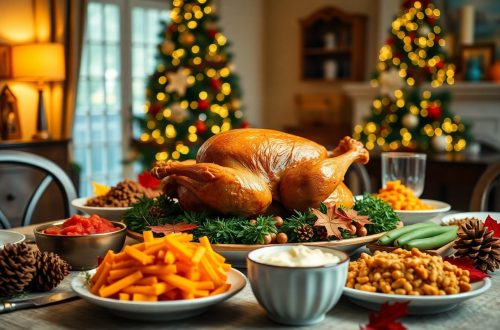
Most home cooks overlook the efficiency of batch cooking, a method that can transform your meal prep routine into a streamlined process similar to that of a restaurant kitchen. By implementing effective systems and strategies, you can save time, reduce food waste, and enjoy a variety of dishes throughout the week. Discover how to plan your meals, organize your cooking space, and make the most of your ingredients to elevate your culinary game from home cook to home chef.
Key Takeaways:
- Plan and prep meals in advance to streamline cooking and minimize waste.
- Use mise en place techniques to organize ingredients and tools for efficiency.
- Implement portioning strategies for easy reheating and serving throughout the week.
Benefits of Batch Cooking
Batch cooking offers numerous advantages that enhance your culinary experience and streamline your kitchen activities. Embracing this method not only saves time during your busy week but also contributes to substantial cost savings. With the right systems in place, you can create flavorful meals that rival restaurant quality, ensuring you stay organized and efficient in your cooking routine.
Time Efficiency
By preparing multiple meals at once, you significantly reduce the time spent in the kitchen throughout the week. You can chop vegetables, marinate proteins, and cook grains in batches, allowing you to assemble meals quickly when needed. This approach frees up time for other activities or relaxation, making meal prep less of a chore and more of a strategic endeavor.
Cost Savings
Batch cooking can lead to substantial savings on your monthly grocery bill. By purchasing ingredients in bulk, you take advantage of lower prices and reduce packaging waste. Cooking larger quantities also minimizes the likelihood of food spoilage, allowing you to stretch your budget further. As a result, you’ll enjoy a wider variety of meals without the financial strain.
Consider this: buying ingredients in larger quantities can result in discounts of up to 30%. Moreover, when you cook in bulk, you minimize wastage; for instance, if you purchase a large bag of rice or beans, using them in multiple recipes ensures nothing goes unused. Additionally, pre-cooked batches can prevent last-minute takeout purchases, which often carry a higher price tag. By strategically planning your batch cooking, you not only lower costs but also elevate the quality and diversity of your meals.
Essential Tools for Home Batch Cooking
Equipping your kitchen with the right tools can significantly enhance your batch cooking experience, making the process faster and more efficient. Invest in high-quality knives, cutting boards, and measuring cups to ensure precision and safety. A heavy-duty pot or stockpot is important for larger batches, while food processors and immersion blenders can save time on prep work. Adding smart kitchen gadgets like digital scales and timers can also help in maintaining consistency and accuracy in your cooking.
[related_posts_banner]Kitchen Equipment
Key kitchen equipment for batch cooking includes large pots, skillets, and baking trays to accommodate multiple servings. A slow cooker or Instant Pot can simplify meal prep by allowing you to cook large quantities effortlessly. Additionally, using mixing bowls of various sizes ensures you have enough space to manage portions. A good knife set is invaluable for efficient chopping and dicing, while a food processor expedites the prep time for vegetables and sauces.
Storage Solutions
Effective storage solutions are important for preserving your meals and maintaining freshness. Glass containers with airtight lids work well for leftovers, allowing you to easily see what’s inside, while stackable bins maximize space in your fridge or freezer. Vacuum-sealing food not only prevents freezer burn but also extends the shelf life of your ingredients. Using labels and dates on containers helps you keep track of your meals and ensures you consume them in a timely manner, minimizing waste.
Consider investing in a combination of containers to accommodate various meal types. For example, quart-sized containers are ideal for soups and stews, while smaller ones work for sides and snacks. Silicone bags are a flexible option for storing marinated proteins or snacks. Organizing your freezer with clear bins can also facilitate a streamlined system to grab meals quickly. By implementing a well-structured storage solution, you enhance not just the longevity of your food but also the sustainability of your cooking habits.

Planning Your Menu
Effective menu planning sets the foundation for successful batch cooking. By carefully selecting meals for the week, you can optimize ingredient usage, streamline cooking processes, and reduce food waste. Consider your schedule, seasonal ingredients, and dietary preferences to create a balanced menu that nourishes without feeling repetitive.
Recipe Selection
Select recipes that can be easily scaled and stored. Focus on dishes that freeze well, such as stews, soups, or casseroles, and prioritize versatile ingredients that can be repurposed throughout the week. This not only saves time but also enhances your culinary creativity.
Nutritional Balance
A well-balanced menu should include a variety of food groups. Aim for a mix of proteins, healthy fats, carbohydrates, and plenty of vegetables to support overall health. Incorporating diverse flavors and textures also helps maintain enthusiasm for your meals.
To achieve nutritional balance, consider using color as a guide; aim for a “rainbow” on your plate to ensure a wide range of vitamins and minerals. For instance, a meal containing grilled chicken (protein), quinoa (carbohydrate), and steamed broccoli and red bell peppers (vegetables) not only provides important nutrients but is visually appealing. Additionally, plan for healthy snacks like hummus with carrot sticks or yogurt with fruit to maintain energy levels throughout the day.
Cooking Techniques for Batch Cooking
Mastering cooking techniques tailored for batch cooking can transform your kitchen efficiency, allowing you to prepare meals swiftly while maximizing flavor. It’s vital to understand the methods that best suit your ingredients and intended outcomes, enabling you to create consistent, delicious dishes in larger quantities.
Prep Work
Effective prep work sets the foundation for successful batch cooking. Start by organizing your workspace and gathering all necessary ingredients and tools. Chop, dice, and measure ingredients ahead of time, which reduces cooking time and minimizes chaos during the process.
Cooking Methods
Utilizing the right cooking methods will enhance your batch cooking outcomes. Techniques such as roasting, braising, and steaming can be applied to a range of ingredients, each offering unique flavors and textures. Always consider how you can use multi-cook appliances like slow cookers or Instant Pots for efficiency.
Utilizing multitasking appliances can further streamline your process. For instance, while one dish is baking in the oven, you can simultaneously prepare a soup on the stovetop. Additionally, batch cooking in large pots or pans ensures even cooking and allows for easy scaling of recipes. Investing in high-quality storage solutions also plays a role, enabling you to store prepped ingredients or meals efficiently without compromising freshness. Employing these cooking methods not only saves time but also enhances the overall quality of your dishes, making meal times enjoyable and less stressful.
Portioning and Storing
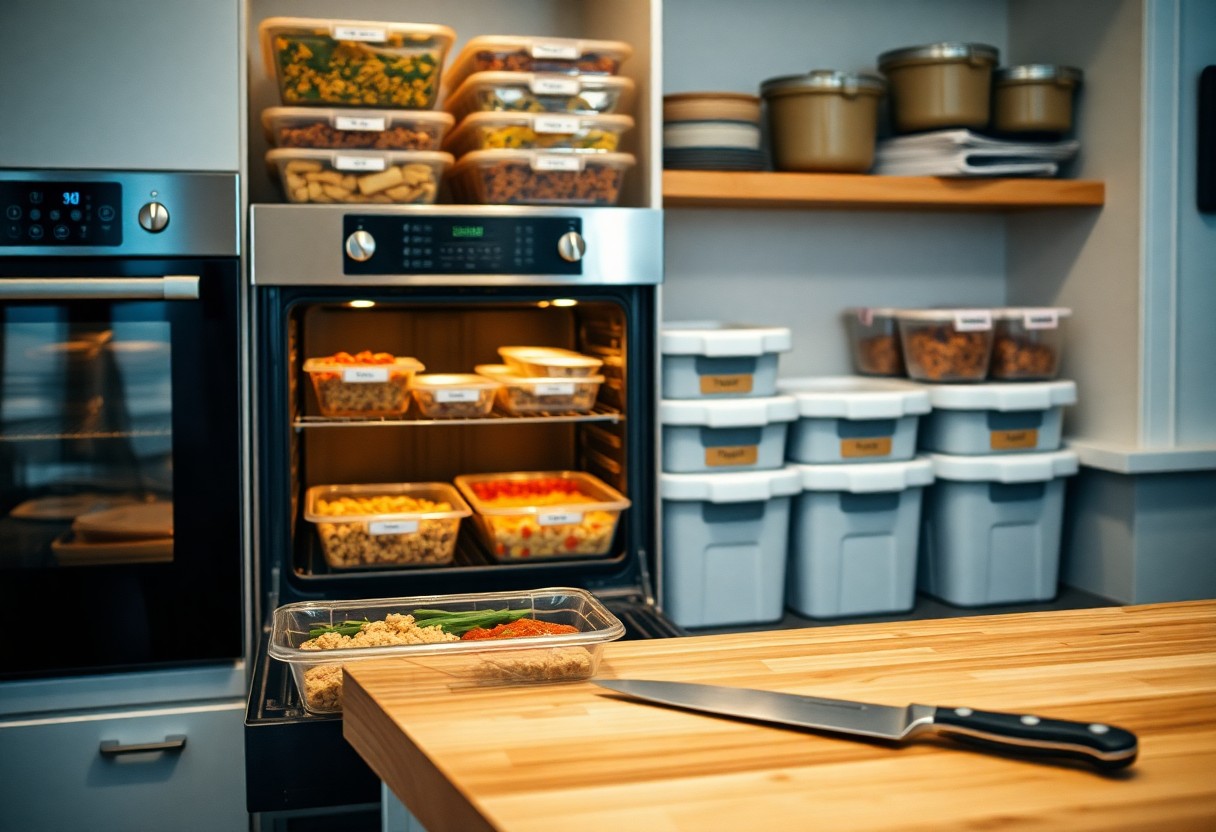
Effective portioning and storing are key for maintaining food quality and reducing waste in batch cooking. You can ensure that meals are convenient and ready-to-eat by using consistent portion sizes, which not only aids in organization but also helps in managing nutritional intake and meal planning. Invest in clear, labeled containers that suit your recipes, making it easy to grab and go while keeping your refrigerator orderly.
Proper Storage Methods
Utilizing proper storage methods preserves the freshness and safety of your batch-cooked meals. Use airtight containers made of glass or BPA-free plastic, and consider vacuum sealing for longer-term storage. Remember to cool food down before sealing to prevent condensation, which can promote spoilage. Label each container with the meal name and date to track freshness and avoid confusion.
Portion Control
Controlling portions is vital for managing not only your diet but also your budget. By measuring out serving sizes, you can minimize overconsumption and reduce waste. Use tools like a digital scale or measuring cups for accuracy, ensuring that each meal meets your nutritional goals and fits your storage containers efficiently.
When implementing portion control, think about specific needs such as dietary restrictions or calorie goals. For instance, a typical serving of cooked grains is about ½ cup, while proteins should generally range around 3 to 4 ounces. Tailor your portions based on these guidelines to create balanced meals worth enjoying. Using techniques like batch prepping proteins and grains separately can help you assemble customized portions easily throughout the week, catering to varying appetite levels and dietary requirements.
Reheating and Serving
Efficient reheating and serving techniques can elevate the batch cooking experience, ensuring your meals taste freshly prepared. Utilize methods like stovetop simmering for soups and stews, and an oven for casseroles, to retain moisture and enhance flavors. You can also use microwave settings carefully, choosing lower power levels to heat evenly without drying out your dishes. Consider timing to coincide with your mealtime, as the quality of reheated meals often declines if held too long before serving.
Best Practices
Adopting best practices for reheating can significantly impact the quality of your meals. Always cool and store your batch-cooked dishes in airtight containers to maintain flavor and texture. Label your containers with dates and contents to keep track of freshness. When reheating, avoid overcrowding pans or microwaves to ensure even heat distribution, and stir frequently to promote uniform heating.
Creative Meal Presentation
Enhancing the visual appeal of your meals can transform the dining experience. Use colorful garnishes like fresh herbs or spices to bring vibrancy to your plates. Consider serving meals in unique dishware that complements the food, such as individual ramekins for casseroles or sleek bowls for salads. Taking time to plate the food artistically can make even simple reheated meals feel special.
Experimenting with creative meal presentation can elevate your cooking from mundane to extraordinary. Try stacking layers in your presentation, like a lasagna with visible layers of pasta and filling, or use contrasting colors in your sides to enhance visual appeal. Serving a grain-based dish in a wider, shallow bowl allows for better showcasing of colorful ingredients. Additionally, creating a themed meal, such as an Italian night with matching decor, can enhance the overall dining experience and encourage you to take pride in your culinary creations.
Summing up
Ultimately, adopting restaurant-style batch cooking systems empowers you to streamline your meal preparation, making your week more efficient and enjoyable. By organizing your cooking processes, you can save time and reduce food waste while enjoying homemade meals that rival your favorite restaurant dishes. To start your journey into effective batch cooking, explore Batch Cooking 101 – KIRAN SINGH for imperative tips and techniques tailored for home cooks like you.