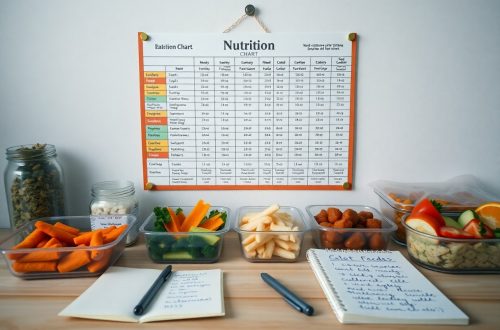
With your hard work and dedication, you’ve reached your goal weight, but the journey doesn’t end here. Transitioning to maintenance is a vital phase that ensures long-term success and a healthy relationship with food. In the first 30 days, you will learn how to adjust your eating habits, monitor your progress, and establish sustainable routines that support your new weight. This guide will provide you with imperative strategies and tips to confidently navigate this period and maintain your achievements for the long haul.

Key Takeaways:
- Establish a sustainable meal plan that accommodates your new weight while focusing on nutrient density.
- Incorporate regular physical activity to maintain your weight and promote overall health.
- Track your progress and adjust your strategies as needed to ensure ongoing success in maintenance.
Understanding Maintenance
Maintenance is the phase where you shift your focus from weight loss to sustaining your achieved goals. It involves adopting strategies that allow you to keep your weight stable while enhancing your overall well-being. This period requires careful attention to your habits, lifestyle changes, and ongoing progress monitoring to ensure lasting success.
The Importance of Maintenance
Maintenance is vital for preventing weight regain after achieving your goal weight. Studies indicate that nearly 60% of individuals who lose weight will regain it within a year, emphasizing the need for sustained efforts. By committing to maintenance, you prioritize your long-term health, establish a stable relationship with food, and reinforce positive habits that support your weight management journey.
Psychological Adjustments
Adjusting mentally to the maintenance phase can be challenging as it often involves reshaping your identity and expectations surrounding weight. You may experience feelings of anxiety or pressure to maintain perfection, making it crucial to adopt a more flexible mindset.
These psychological adjustments may require you to shift away from strictly viewing food as a means to lose weight. Embracing food variety and occasional indulgence without guilt fosters a healthier relationship with eating. Research shows that incorporating mindful eating practices can significantly reduce feelings of deprivation and promote satisfaction. Acknowledging that weight fluctuations can occur naturally empowers you to respond with resilience, reinforcing your commitment to maintaining a balanced lifestyle rather than adhering to a rigid set of rules.
[related_posts_banner]Setting Realistic Goals
To ensure a successful transition to maintenance, it’s vital to set achievable goals that align with your new lifestyle. Focus on SMART criteria—Specific, Measurable, Achievable, Relevant, and Time-bound. For example, instead of aiming to “not gain weight,” specify an exact weight range you want to maintain and outline the behaviors that will support this, such as exercising three times a week or planning your meals ahead of time.
Defining Your Maintenance Plan
Your maintenance plan should reflect your preferences while incorporating flexibility to adapt. Include a mix of regular exercise, balanced nutrition, and mindful eating practices. For instance, if you enjoyed cooking while losing weight, continue to experiment with healthy recipes, ensuring that you keep your meals exciting and satisfying without compromising your goals.
Tracking Progress Effectively
Tracking your progress is vital in your maintenance journey. Utilize apps or journals to log your food intake, exercise routines, and weight fluctuations. This not only helps you stay accountable but also allows you to identify trends—such as how certain foods or occasions impact your weight—which can guide your decisions moving forward.
Effective tracking goes beyond just weight measurement; consider monitoring your energy levels, mood, and physical fitness as well. Set aside time weekly to review your entries, looking for patterns that inform your choices. For instance, if you notice an increase in weight after social events, you might decide to plan those meals ahead of time or adjust your activity levels accordingly. This holistic approach ensures that you maintain your weight while feeling your best.
Nutrition During Maintenance
Nutrition in the maintenance phase requires a mindful approach to sustain your goal weight. You’ll need to adjust caloric intake and maintain a balanced diet to prevent unwanted weight gain. Focus on incorporating a variety of foods to ensure you get enough nutrients while also satisfying your preferences. Regularly monitoring your food choices and being proactive about your nutrition lays the foundation for long-term success.
Balancing Macronutrients
Balancing macronutrients—carbohydrates, proteins, and fats—is vital for maintaining your weight. Aim for a well-rounded distribution, typically 45-65% from carbohydrates, 20-35% from fats, and 10-35% from proteins, depending on your activity level and personal preferences. This balance not only supports your energy levels but also helps manage cravings and keeps you satisfied.
Portion Control Strategies
Effective portion control strategies can help you stay within your caloric needs while enjoying your favorite foods. Utilize tools like measuring cups or a food scale to gauge serving sizes accurately. Visual aids, such as filling half your plate with vegetables, can also help guide your portions. Introducing smaller plates or bowls can create a psychological effect, making your meals appear fuller and more satisfying.
By implementing portion control strategies, you develop a healthier relationship with food. For instance, using hand portions—such as a palm-sized serving of protein or a fistful of grains—provides a practical guideline for meals. Additionally, pacing yourself by putting utensils down between bites and savoring each mouthful fosters mindfulness, helping you recognize when you’re satisfied rather than full. Adapting these strategies can lead to better food choices and prevent the rebound often associated with maintenance challenges.
Incorporating Exercise
Exercise is a vital component of maintaining your goal weight, offering benefits that go beyond calorie burning. It helps improve your mood, boosts energy, and enhances your overall health. At this stage, it’s important to not only think about physical activity as a chore but as a rewarding and integral part of your lifestyle. This time around, focus on finding ways to make exercise enjoyable, ensuring you remain consistent for the long term.
Finding Enjoyable Activities
Experimenting with different activities can lead you to discover what you truly enjoy. Whether it’s hiking, dancing, or swimming, engaging in various forms of movement helps you stay motivated. You might want to join a local sports league or try a group fitness class in your community. By prioritizing enjoyment over obligation, you’re more likely to stick with it and make exercise a regular part of your life.
Creating a Sustainable Routine
A sustainable exercise routine balances your interests, available time, and energy levels. Aim to incorporate a mix of cardio, strength training, and flexibility exercises throughout the week, ideally targeting at least 150 minutes of moderate-intensity activity. Schedule your workouts as you would any important appointment, creating consistency. Limiting overly intense sessions might also help prevent burnout, making it easier for you to maintain your routine over the long haul.
In building a sustainable routine, consider setting specific days and times for your workouts, adhering to a schedule that ultimately fits your lifestyle. Start with short sessions of 20-30 minutes, gradually increasing as you build your stamina. It may also be helpful to pair activities with social engagements, such as exercising with a friend to increase accountability. Tracking your progress or using fitness apps can further enhance motivation. Each small victory you achieve reinforces your commitment, making it a natural part of your daily life rather than an additional burden.

Dealing with Setbacks
Setbacks are a natural part of your maintenance journey. Whether it’s a stressful event, holiday indulgence, or a plateau in weight, understanding how to navigate these moments is important for long-term success. Embrace setbacks as learning opportunities rather than failures, and don’t hesitate to reach out for support from friends, family, or community resources to help you recalibrate your strategies.
Identifying Triggers
Identifying triggers that lead you to deviate from your maintenance plan can significantly enhance your resilience. Common triggers include emotional stress, social situations, or even certain foods that tempt you. By keeping a journal to note times when you struggle, you can pinpoint patterns and address the underlying causes rather than just the symptoms.
Strategies for Overcoming Challenges
Developing practical strategies can help you overcome challenges that arise during maintenance. For example, preparing healthy meals ahead of time makes it easier to resist unhealthy options. Practicing mindful eating, where you focus on savoring each bite, can also curb impulsive choices. Engaging in regular physical activity reinforces positive habits and promotes a proactive mindset.
Incorporating these strategies into your routine can significantly bolster your confidence during tough times. For instance, meal prepping on Sundays not only saves time but also ensures that you have nutritious options readily available throughout the week. Additionally, scheduling regular check-ins with yourself or a support group allows you to reflect on your progress and adjust your goals as needed. By finding a comfortable balance between enjoying life’s pleasures and maintaining healthy habits, you strengthen your commitment to long-term weight maintenance.
Building a Support System
Creating a robust support system is imperative as you transition to maintenance. The people you surround yourself with can significantly influence your success. Leveraging this support can help you navigate challenges and reinforce healthy habits, making your new lifestyle more sustainable.
Utilizing Friends and Family
Your friends and family are your immediate support network, and involving them in your journey can enhance accountability. Share your goals with them, invite them to join you in healthy activities, or simply ask for their encouragement. Their understanding and participation can provide motivation, making the transition smoother.
Finding Community Resources
Community resources can offer valuable support and information as you maintain your weight. Local fitness groups, weight loss support meetings, and nutrition workshops can all provide encouragement and accountability, enabling you to connect with others on a similar path.
Consider seeking out local gyms that offer support programs or community centers that host workshops on nutrition and fitness. Local libraries often have resources such as books and pamphlets that provide insights on maintenance strategies. Additionally, search for online forums or social media groups in your area that focus on weight maintenance; these can facilitate ongoing encouragement and sharing of success stories. Engaging with these resources not only enhances your knowledge but also connects you with individuals who understand your journey, further solidifying your commitment to maintaining your healthy weight.
Conclusion
Following this initial period at your goal weight, focus on maintaining the habits that helped you achieve this milestone. Prioritize balanced nutrition, regular physical activity, and consistent self-monitoring. Use this time to identify potential challenges and develop strategies to overcome them. By staying committed and adaptable, you can ensure that your transition to maintenance is successful, leading to long-term health and wellness. Embrace this journey as an opportunity to reinforce your lifestyle changes and enhance your overall quality of life.