Many home cooks believe that heavy cream is necessary for creating rich, creamy sauces. However, with the art of emulsion, you can achieve the same luscious texture and flavor using lighter, healthier ingredients. By mastering techniques that involve combining fat and liquid, you can create delicious sauces that elevate your dishes while keeping them lighter on calories. This guide will empower you with the knowledge to whip up creamy sauces that delight your taste buds without relying on heavy cream.
Key Takeaways:
- Emulsification techniques can create creamy textures using lighter ingredients like broth or plant-based milks.
- Incorporating ingredients like nuts, avocados, or silken tofu can enhance creaminess without heavy cream.
- Proper seasoning and the right acids can elevate the flavor profile of emulsified sauces.
Understanding Emulsions
Emulsions are mixtures of two immiscible liquids, typically oil and water, which do not naturally blend. They require an emulsifying agent or mechanical force to stabilize the mixture, transforming the texture and mouthfeel of sauces. By understanding emulsions, you can create creamy sauces without the heaviness of cream, achieving a lighter yet indulgent result.
What is an Emulsion?
An emulsion is a colloidal system where fine droplets of one liquid are dispersed throughout another liquid. This often occurs when fats are blended with liquids, forming a stable mixture that enhances flavor and texture. Common kitchen examples include mayonnaise and vinaigrettes.
Types of Emulsions
There are two primary types of emulsions: temporary and permanent. Temporary emulsions are less stable and separate quickly, whereas permanent emulsions possess stabilizing agents that keep them combined for a longer duration. Understanding these differences can help you choose the right method for your sauces.
| Type of Emulsion | Description |
| Temporary | Short-lived, requiring frequent shaking or stirring. |
| Permanent | More stable, often using emulsifiers like mustard or egg yolks. |
| Oil-in-Water | Oil droplets dispersed in a water-based liquid. |
| Water-in-Oil | Water droplets dispersed in an oil-based liquid. |
These types of emulsions have practical applications in your cooking. For instance, oil-in-water emulsions are commonly used in salad dressings and sauces, while water-in-oil emulsions are found in butter and certain types of margarine. The choice of emulsion affects the consistency and flavor balance of your dishes. Experimenting with different emulsifying agents can yield delightful new sauce variations.
- Test different emulsifiers for unique flavor profiles.
- Use mechanical tools like blenders for stability.
- Pay attention to ratios for best results.
- Adjust seasoning after emulsifying to enhance taste.
- Thou shalt create delightful combinations with practice.
| Method | Usage |
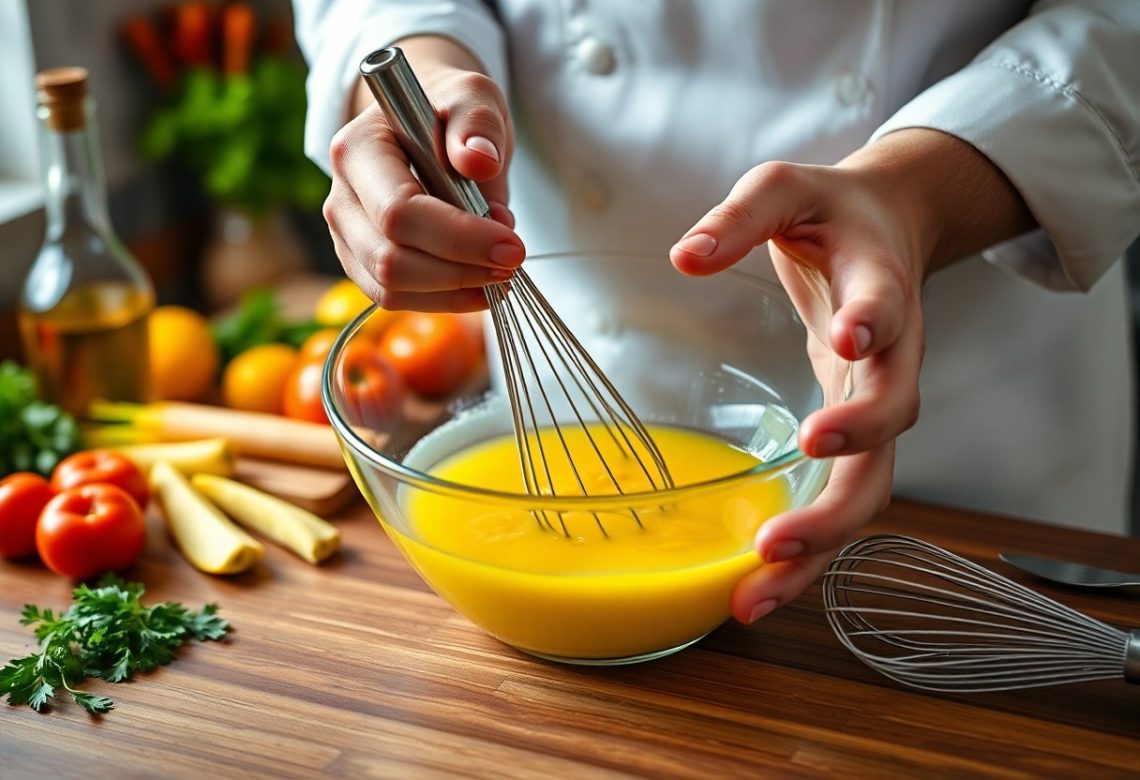
| Whisking | Good for temporary emulsions like dressings. |
| Blending | Ideal for creating stable emulsions. |
| Heating | Helps in creating more permanent emulsions. |
| Cooling | Stabilizes emulsions post-cooking. |
- Practice varies methods to master emulsification.
- Sample different fat sources to experiment.
- Focus on the texture to develop your palate.
- Consider the cooking temperature for stability.
- Thou shall enjoy the creations of your skillful emulsions.
Essential Ingredients for Creamy Sauces
To create luscious, creamy sauces without heavy cream, you’ll need to master a few core ingredients that enhance both texture and flavor. Key components include various fats, thickening agents, and flavor enhancers that can elevate your sauces. By understanding the roles these ingredients play, you can develop a range of sauces that satisfy your cravings while keeping them lighter and more nutritious.
[related_posts_banner]The Role of Fats
Fats are integral to achieving a creamy texture in sauces, as they help emulsify the liquids and provide richness. Options like olive oil, butter, or nut butters not only contribute to mouthfeel but also carry flavors. When these fats are expertly blended with other ingredients, they create a velvety consistency that mimics traditional cream-based sauces.
Thickening Agents
Thickening agents are vital to achieving the desired viscosity without resorting to heavy cream. Ingredients such as cornstarch, arrowroot, or pureed vegetables can serve this purpose effectively. Properly incorporating these agents will yield a sauce that clings beautifully to your dishes, delivering both flavor and satisfaction.
When opting for thickening agents, consider their properties and how they interact with your sauce. For instance, cornstarch creates a glossy finish when mixed with a cold liquid and heated, while arrowroot works remarkably in acidic environments. Vegetable purees, such as cauliflower or sweet potato, not only thicken but also enrich your sauce with nutrients and flavor. To thicken effectively, always dissolve your chosen agent in a bit of liquid before adding it to the main mixture, ensuring it blends smoothly for a harmonious result.

Techniques for Creating Emulsions
To master emulsions, various techniques come into play that ensure a smooth and cohesive blend. You can explore options such as blending, whisking, and shaking, adapting each method to the desired texture and thickness of your sauce. The choice of technique often depends on the ingredients and desired consistency, guiding you to achieve that perfect creamy texture without heavy cream.
Blending Methods
Your choice of blending method can significantly impact the outcome of your emulsion. Using tools like a blender, food processor, or immersion blender allows you to achieve varying levels of thickness and creaminess. For instance, an immersion blender creates a light and airy consistency, while a food processor can produce a denser sauce, making it vital to select the right tool based on your recipe’s needs.
Temperature Control
Controlling temperature is necessary for successful emulsions; it influences how the oils and water interact. Generally, keeping your ingredients at room temperature helps them combine more effectively, but heating the mixture can also enhance emulsification. Utilize warm stock or heated liquids to promote binding and stability, particularly with oil-based emulsions.
Temperature Control Techniques
| Warm Ingredients | Facilitates better emulsification by reducing viscosity. |
| Room Temperature Ingredients | Enhances the blending process, leading to smoother sauces. |
Temperature variations can create challenges when emulsifying. For example, if you incorporate cold ingredients into a warm emulsion, it may break. Consistently maintaining the right temperature throughout the process ensures that emulsifying agents work effectively, resulting in a stable, creamy sauce. Experiment with different temperature ranges to discover the optimal conditions for your specific recipe.
Temperature Challenges
| Cold Ingredients | Risk of breaking the emulsion. |
| Too Hot | May cause separation or loss of flavor. |
Classic Sauces Using Emulsions
Emulsions serve as the backbone of many classic sauces, allowing you to achieve that rich, creamy texture without relying on heavy cream. Techniques like whisking or blending oil with an acid result in sauces like vinaigrettes and hollandaise, which are versatile enough for various dishes. For an insightful guide, check out this discussion on How to make a creamy pasta sauce without cream?
Vinaigrettes
Crafting a vinaigrette is simple, combining oil and vinegar in a 3:1 ratio, with mustard or egg yolk for added emulsification. This mixture not only enhances salads but can also be drizzled over grilled vegetables or used to marinate proteins, elevating flavors without heaviness.
Aioli and Mayonnaise
Creating aioli or mayonnaise requires emulsifying oil with egg yolk, resulting in a thick, creamy condiment. With variations like garlic aioli or infused mayonnaises, these versatile sauces can complement a wide range of dishes, from sandwiches to seafood.
Both aioli and mayonnaise rely on a stable emulsion to maintain their creamy consistency. By slowly incorporating oil into the egg yolk while whisking continuously, you stabilize the mixture, allowing flavors to meld beautifully. You can customize these sauces by adding herbs, spices, or even chipotle for a smoky kick, expanding their culinary applications and enhancing your meals significantly.

Flavoring Your Emulsions
Flavor is the heartbeat of any emulsion, transforming a simple base into a delightful sauce. By carefully selecting and balancing ingredients, you can elevate your dishes to new culinary heights. Explore the nuances of herbs, spices, and acidity to create emulsions that pop with flavor and complexity, all while maintaining that creamy texture you desire without the heaviness of cream.
Herbs and Spices
Herbs and spices are your best friends in flavoring emulsions. Fresh basil, dill, or parsley can add brightness, while spices like smoked paprika or cumin bring warmth and depth. Consider different combinations to match your dish; for example, a basil-infused emulsion pairs beautifully with pasta, while a blend of cumin and coriander is perfect for a Mediterranean twist on grilled meats.
Acidity and Balance
Incorporating acidity is vital for achieving balance in your emulsions. The tang of ingredients like lemon juice, vinegar, or yogurt cuts through richness, sharpening flavors and enhancing overall taste. A well-balanced emulsion often has a touch of acidity that harmonizes with the oil base, creating a rounder flavor profile that stimulates the palate. For instance, a citrusy lemon emulsion can brighten earthy vegetables, while a splash of balsamic vinegar adds a sweet complexity to roasted meats.
Troubleshooting Emulsion Issues
Even seasoned cooks encounter challenges when creating emulsions. Understanding common problems and their solutions can help you perfect your sauce without relying on heavy cream.
Common Problems
Emulsions can break, become grainy, or fail to thicken, often due to temperature discrepancies, incorrect ratios, or the quality of your ingredients. If you notice your sauce splitting or not achieving the desired texture, it signals an issue that needs addressing.
Solutions and Tips
To combat emulsion woes, ensure your ingredients are at similar temperatures and incorporate them gradually. Use fresh, high-quality components, and adjust your techniques based on observed results. If your emulsion separates, try whisking in a small amount of warm liquid to bring it back together. Be mindful of ingredient ratios.
- Check temperatures of all ingredients.
- Incorporate oil slowly for better emulsification.
- Use a stabilizer like mustard or egg yolk.
- Adjust ratios for desired thickness.
Incorporating simple techniques can enhance your emulsions significantly. Start with a stable base; for example, a vinaigrette benefits from a ratio of three parts oil to one part acid. If your emulsion isn’t coming together, whisking in a tablespoon of warm water can often rescue it. Consistency is key, so practice emulsifying to better understand the nuances of the process.
- Experiment with different oils for varied flavors.
- Keep whisking consistently to ensure emulsification.
- Consider temperature adjustments if separation occurs.
- Practice with small batches to build confidence.
To wrap up
Following this guide, you now have the tools to create delightful creamy sauces without relying on heavy cream. Emulsion magic allows you to explore various ingredients, enhancing the flavor and texture of your dishes while maintaining a lighter profile. By mastering emulsification techniques, you can elevate your culinary skills and impress your guests. Embrace the art of making sauces that are not only delicious but also nutritious, giving you the confidence to experiment and innovate in your kitchen.